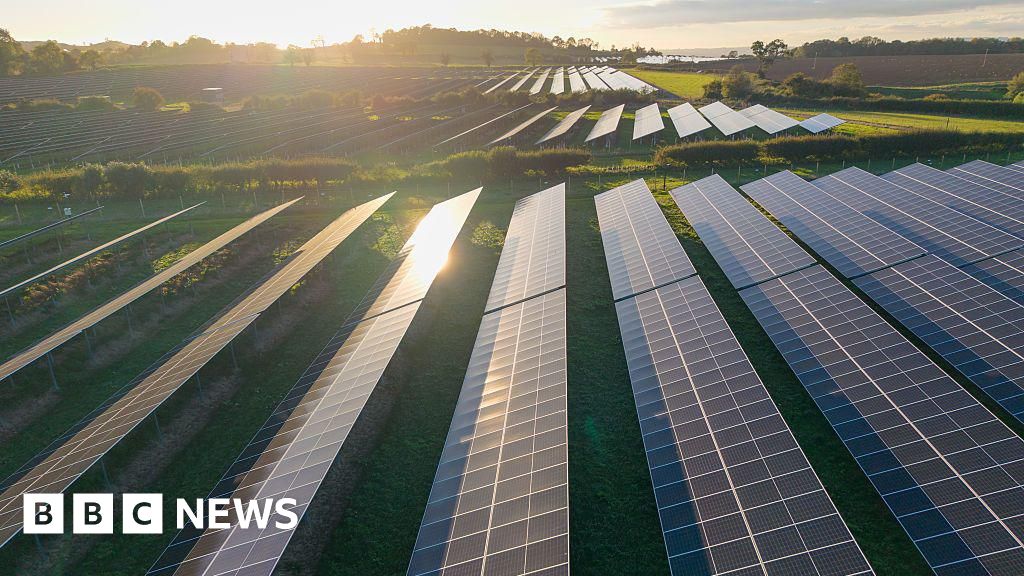
In 2025, Great Britain set a record for renewable electricity generation, with wind and solar leading the way, though reliance on fossil gas remains a challenge to achieving the government's 2030 clean power target, amid ongoing grid and storage upgrades.
Japan is shifting its energy strategy to maximize nuclear power while significantly expanding renewable energy sources like wind, solar, and geothermal, aiming for a 100% renewable target in Fukushima by 2040, despite the controversial history with nuclear energy post-Fukushima disaster and ongoing debates about decarbonization efforts.
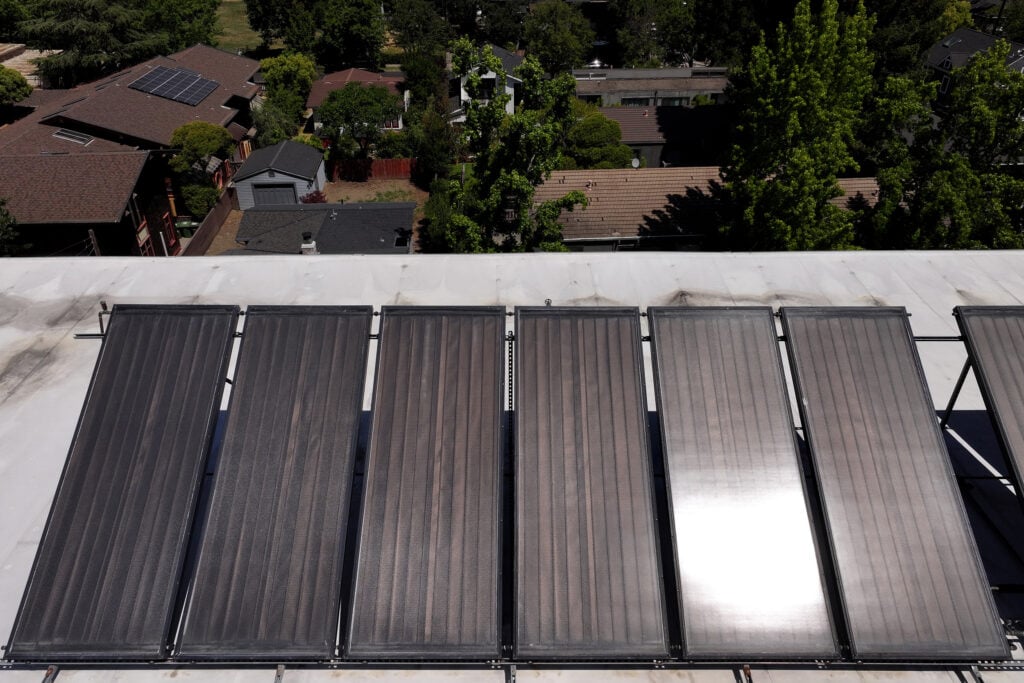
A recent study suggests that while rooftop solar and EVs can lower overall electricity costs, they may increase costs for non-adopters, especially low-income households, in the short term. The effects are small but could grow as adoption rises, highlighting the need for informed policymaking to balance environmental benefits with economic equity.
The article discusses how Newfoundland's ophiolite formations could be harnessed to produce low-cost 'white' hydrogen and permanently sequester CO2 through natural geological processes like serpentinization, offering a promising and scalable decarbonization solution for heavy industry, supported by growing markets and technological advancements.
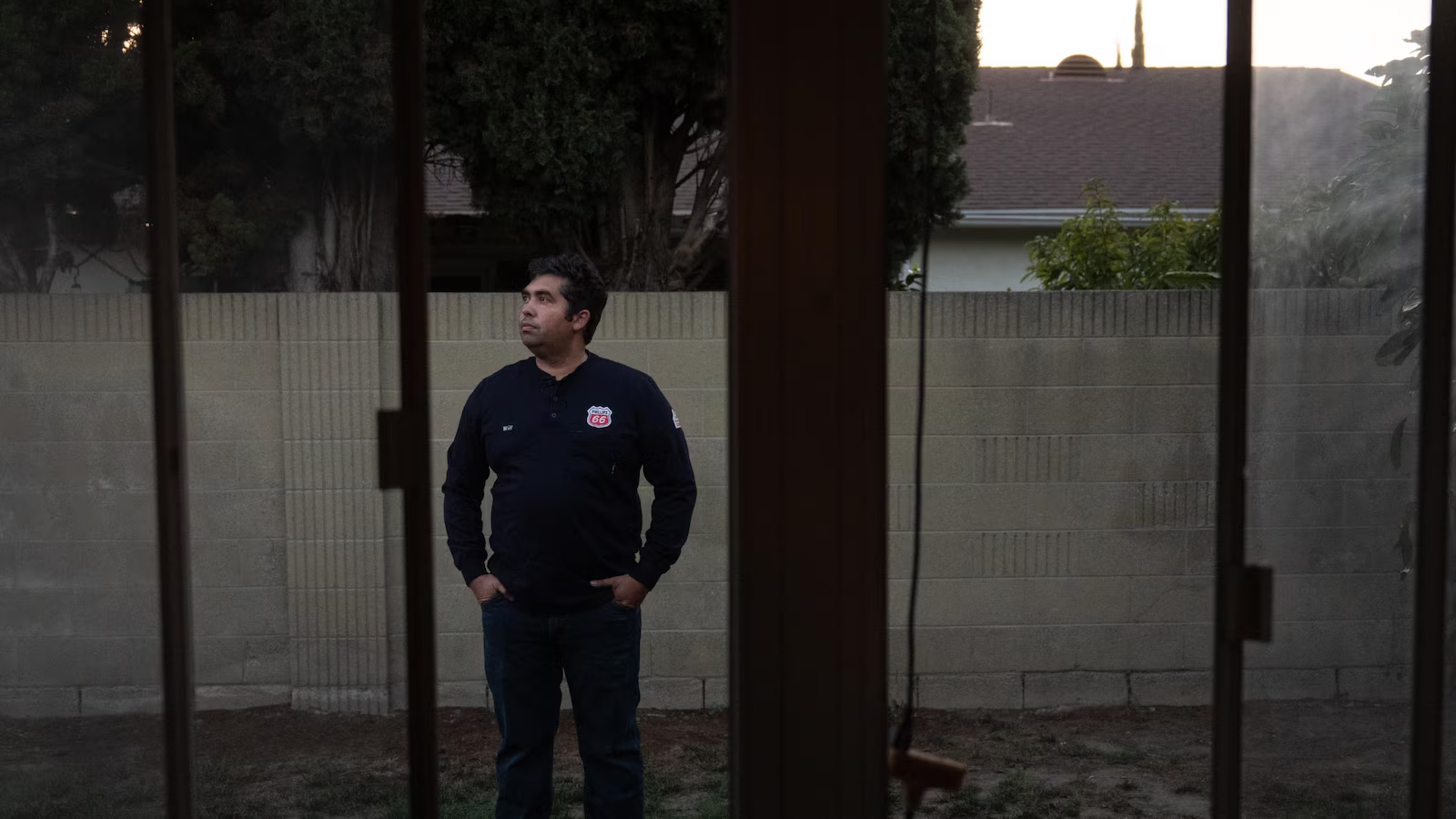
California's shift away from fossil fuels is leading to refinery closures and potential job losses for thousands of oil workers, with ongoing debates about how to support displaced workers amid changing policies and market dynamics.
The US electric vehicle industry faces a slowdown after the end of federal tax credits, but automakers' promotional efforts and upcoming new models are expected to stabilize sales, with industry experts optimistic about long-term electrification despite current challenges.
The Department of Energy plans to cancel nearly $24 billion in grants for various clean energy projects, including all seven hydrogen hubs created by Congress, significantly impacting the development of domestic hydrogen and clean manufacturing industries, and raising concerns about U.S. leadership in energy innovation.
The article discusses the declining confidence in Carbon Capture and Storage (CCS) technology, highlighting technological challenges, high costs, delayed projects, and limited effectiveness, which have led to reduced investor interest and questions about its viability as a solution for decarbonization.
California's hydrogen industry faces a setback as the Biden administration cancels a $1.2 billion federal grant for a key hydrogen project, but state leaders and industry stakeholders remain optimistic about alternative funding and continued development, emphasizing California's commitment to clean energy despite federal setbacks.
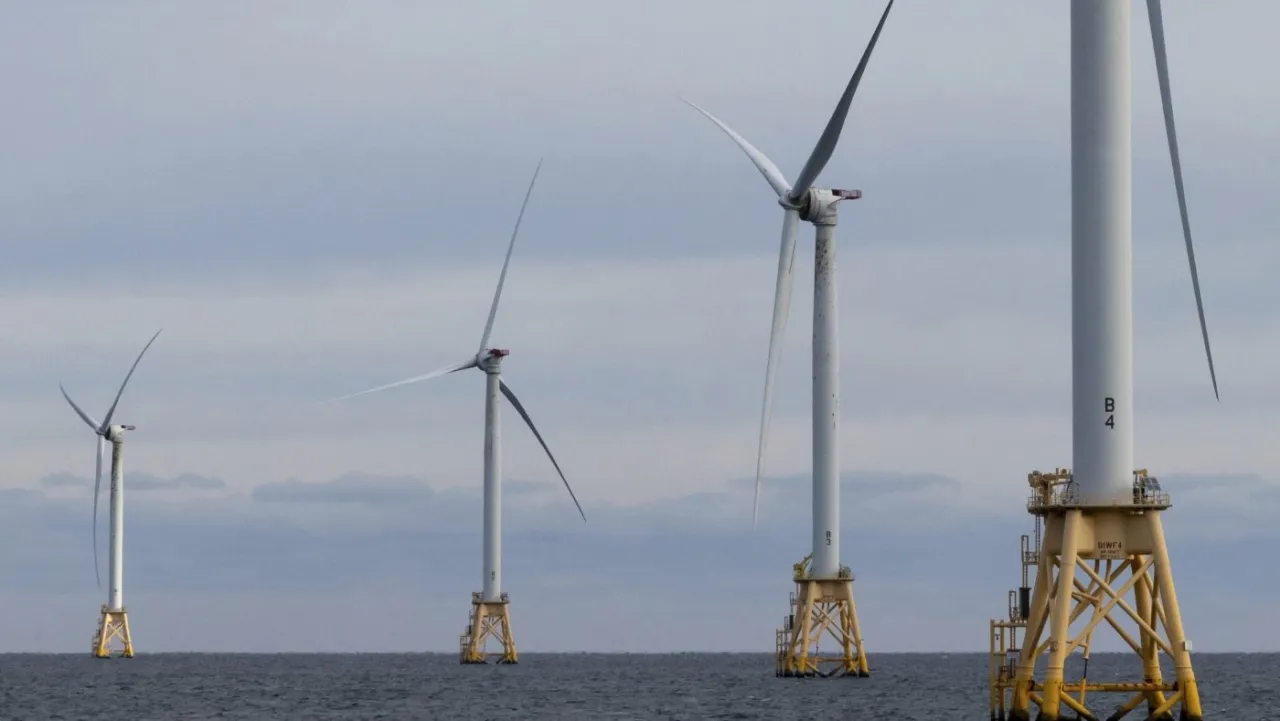
The Trump administration has halted an already-approved offshore wind farm off Rhode Island, citing national security concerns without specifying details, delaying construction and raising concerns about energy reliability and policy impacts.
Since Donald Trump re-entered the White House, household electricity bills in the US have increased by 10%, driven by tariffs, cuts to renewable energy projects, and increased energy demand, with critics blaming policies favoring fossil fuels over renewables for the rising costs.
The Trump administration has intensified efforts to end tax credits for solar and wind projects, including issuing new guidance on project initiation, which threatens to disrupt ongoing and planned renewable energy projects across the U.S., sparking legal and political opposition.
The U.S. Department of Energy announced nearly $1 billion in funding opportunities to strengthen the domestic supply chain of critical minerals and materials, including initiatives for technology development, capacity expansion, and recycling, aiming to reduce reliance on foreign sources and enhance national security and industrial competitiveness.
The new law signed by President Trump ending tax incentives for wind and solar projects is expected to increase electricity prices across the U.S., especially in Republican-led states, by reducing renewable energy development and increasing reliance on more expensive natural gas, while also limiting progress on reducing greenhouse gas emissions.
California faces new federal hurdles for wind and solar projects due to changes in tax credits and foreign component restrictions, potentially delaying or canceling several projects and increasing future energy costs, despite the state's ongoing commitment to renewable energy and climate goals.