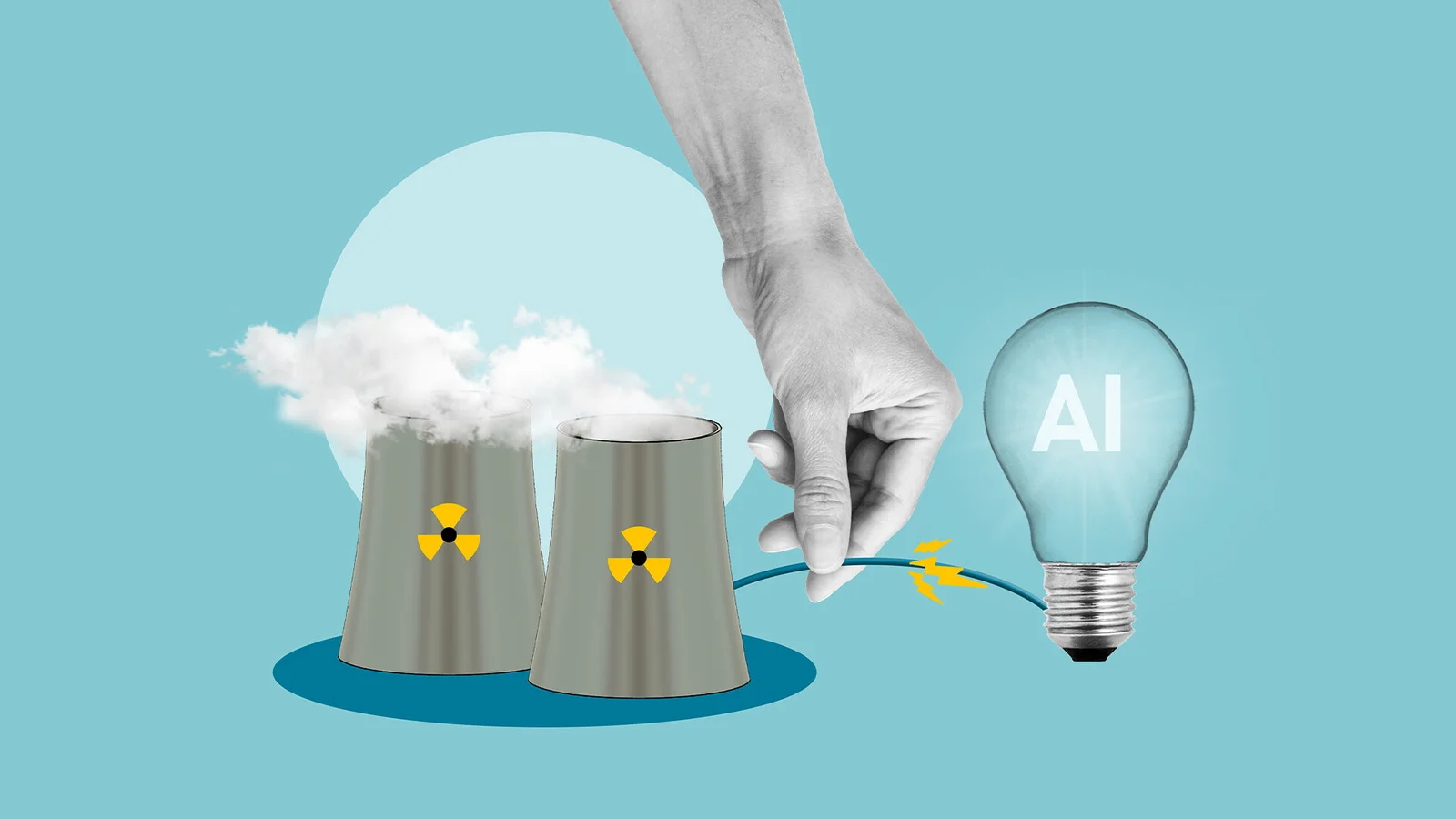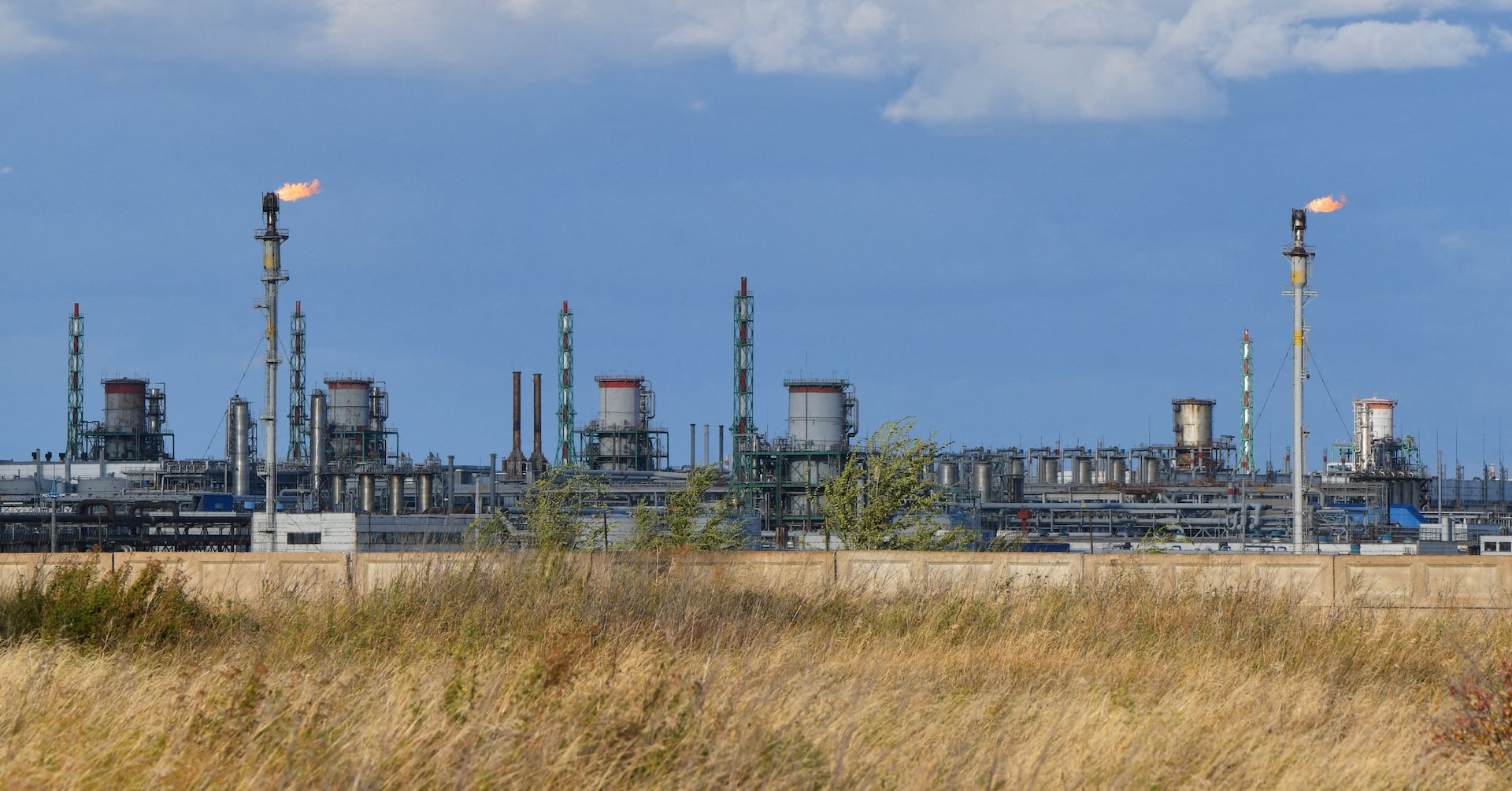
A report claims that the AI boom in 2025 has resulted in CO2 emissions equivalent to New York City, with AI-related water use surpassing global bottled-water demand, highlighting significant environmental impacts and calling for greater transparency and regulation of tech companies.
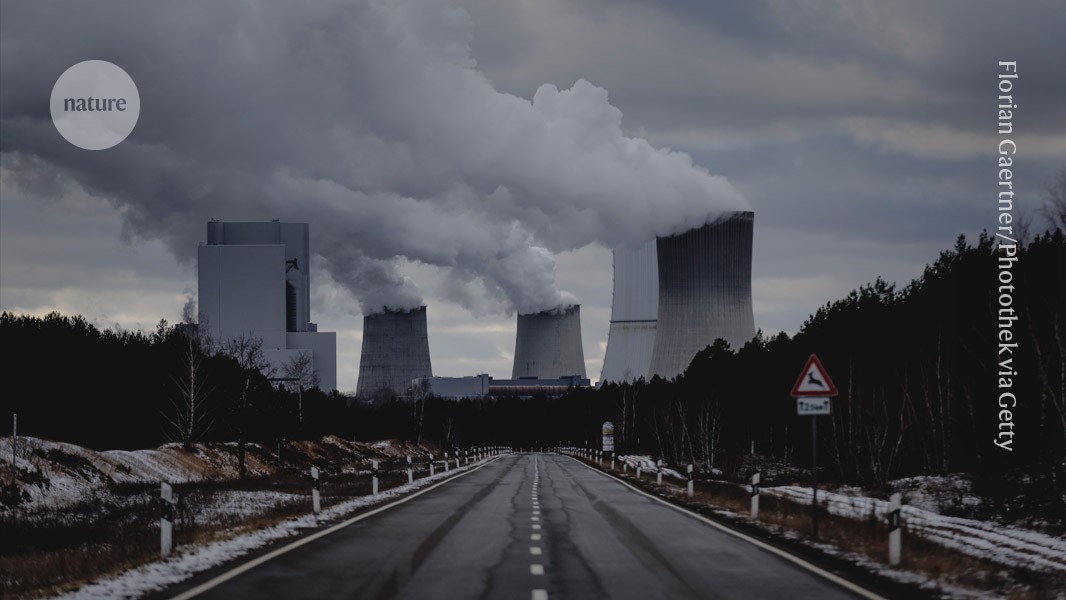
The IEA's latest report indicates that global oil and gas demand will continue to rise through 2050 under current policies, with less momentum for emission reductions despite growth in renewables and electric vehicles, leading to minimal CO2 emission cuts and rising climate risks.
A study finds that AI adoption in the US could add about 900,000 tons of CO₂ annually, a small fraction of national emissions, highlighting the need for energy-efficient AI development as adoption grows.
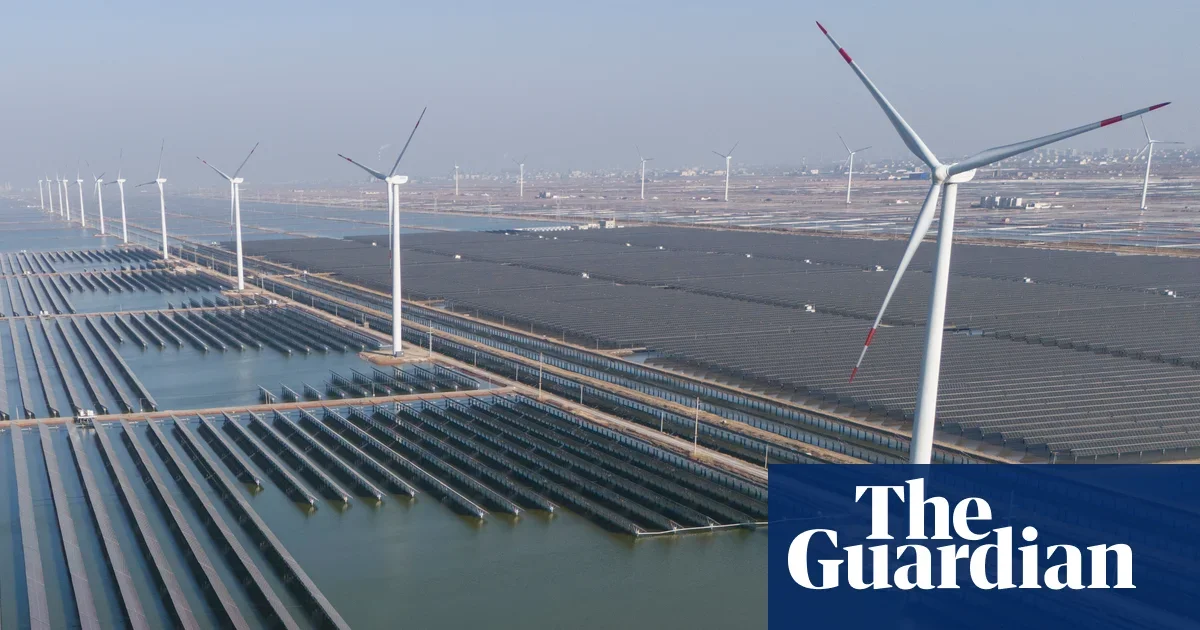
China's CO2 emissions have remained flat or decreased over the past 18 months due to rapid growth in solar and wind power, suggesting the country may reach its peak emissions ahead of schedule, although some sectors still lag in decarbonization. The country continues to pursue its dual goals of peak emissions by 2030 and net neutrality by 2060, with recent climate targets seen as modest but potentially surpassed, especially with upcoming policy plans.
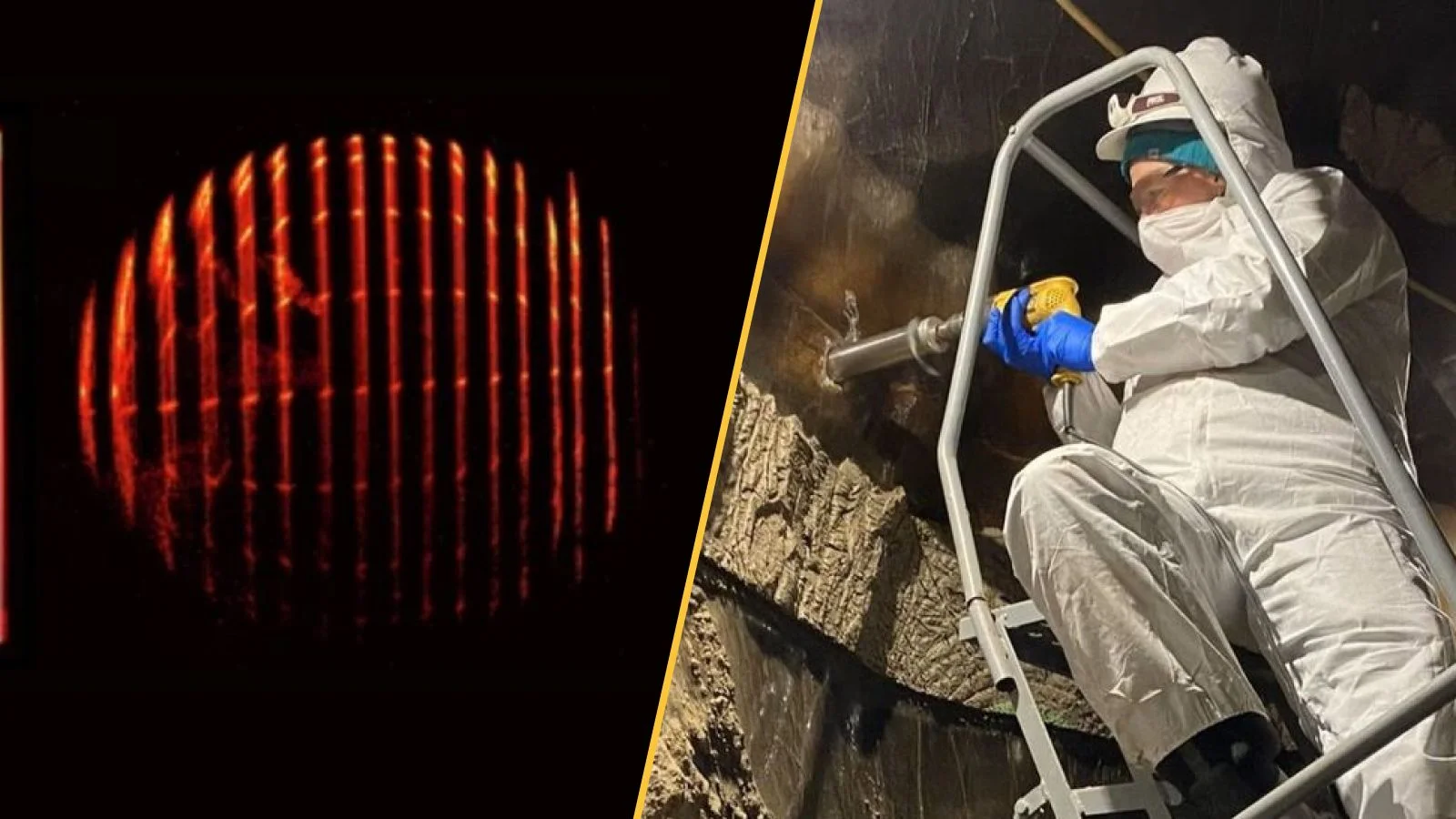
This week in science, microbes from permafrost are releasing CO2, a simulated optical illusion mimics near-light-speed objects, JWST reveals detailed images of black hole M87*'s jets, and new blood tests promise earlier cancer detection, highlighting significant climate, physics, space, and medical advancements.
Independent climate advisers warn the UK to prepare for at least 2°C of warming by 2050, highlighting increased weather extremes and the need for long-term adaptation strategies, amid record CO2 levels and worsening climate impacts.
A study by Volta Solar estimates Greta Thunberg’s Sumud Flotilla produced 165 tons of air pollution, equivalent to 206 flights from Tel Aviv to London and the annual emissions of 82 cars, while also causing significant ocean acidification and marine ecosystem damage.
A study published in Nature reveals that Earth's capacity to store carbon dioxide in rock formations is much lower than previously thought, estimated at around 1,460 gigatonnes, which could be exhausted by 2200. This limited capacity poses challenges for meeting climate goals, as current and planned CO2 capture efforts are far below the levels needed to significantly reduce global warming, and even full utilization of storage would only modestly reverse temperature rise.
Human activity has significantly accelerated CO2 emissions, risking a sixth mass extinction by overwhelming Earth's natural carbon cycle, similar to past catastrophic events like the Permian extinction. Urgent action to reduce emissions and adopt sustainable practices is crucial to prevent irreversible environmental collapse.
The article discusses the potential for human-induced climate change to trigger a sixth major mass extinction, drawing parallels with past catastrophic events like the Permian extinction caused by massive volcanic eruptions and CO2 overloads, emphasizing that the rapid rate of current CO2 emissions could push Earth beyond its capacity to recover, leading to irreversible damage to global biodiversity.
The Pokémon Cursola, an evolution of Galarian Corsola, symbolizes the devastating impact of coral reef bleaching, a process exacerbated by climate change and human activities like CO2 emissions and ocean pollution. Coral reefs, vital marine ecosystems, are turning white and dying due to rising ocean temperatures and acidity, largely driven by industrialization. The article highlights the urgent need to protect these ecosystems, using Cursola as a metaphor for the environmental damage caused by humans.
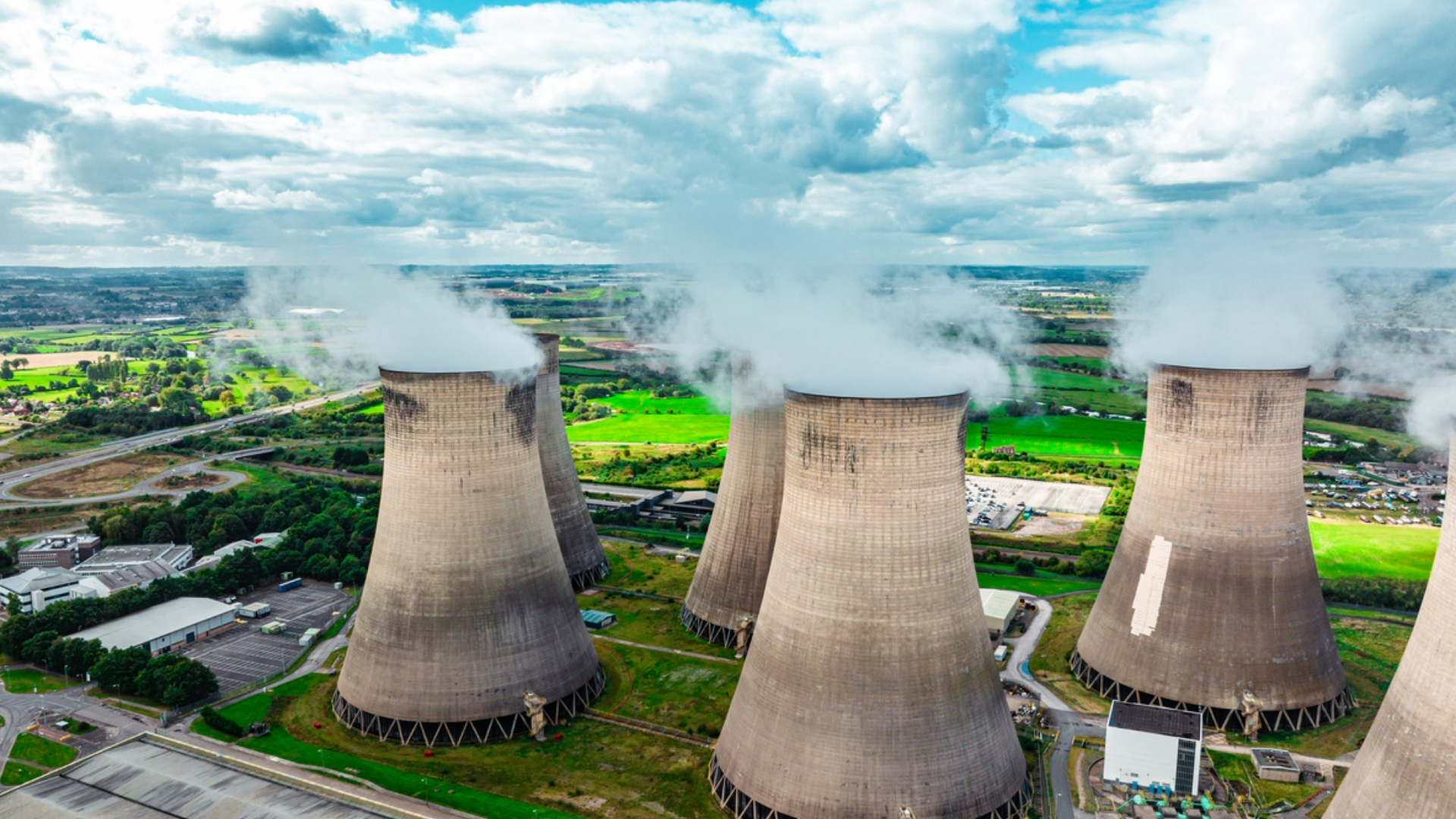
Norwegian researchers at SINTEF have developed an energy-efficient carbon capture technology called the Continuous Swing Adsorption Reactor (CSAR), which uses a heat pump and a vacuum pump to capture CO2 from industrial flue gases without additional heat. This pilot reactor can capture 100 kilograms of CO2 daily and has shown promising results in industrial-scale testing at a waste management plant in Norway. The technology is particularly effective when powered by renewable electricity and could significantly reduce CO2 emissions in industries like cement and steel manufacturing.
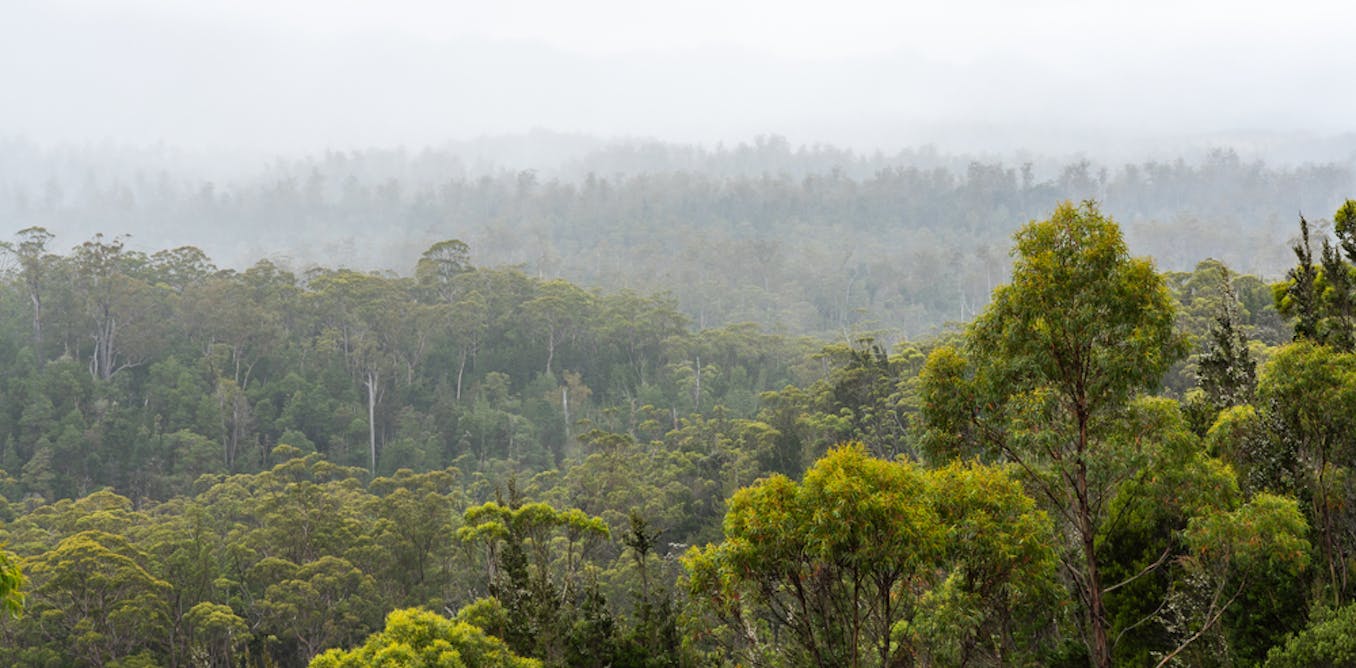
New research reveals that increased CO2 levels lead soil microbes to retain more phosphorus, limiting its availability for tree growth, particularly in eucalypts. This challenges current climate projections that assume higher CO2 will boost forest growth and mitigate global warming, highlighting the need to consider soil nutrient dynamics in climate models.
A report by non-profit think tank InfluenceMap reveals that 80% of global CO2 emissions from 2016 to 2022 can be attributed to 57 fossil fuel and cement producers, including state-owned firms and investor-owned companies. The top three emitters were Saudi Aramco, Gazprom, and Coal India. Despite commitments to curb climate change, these companies have expanded fossil fuel production, leading to a rise in emissions. The report aims to increase transparency and could be used in legal cases, academic research, and by investors to hold these producers accountable for climate damages.
Taylor Swift's romance with NFL star Travis Kelce has resulted in her taking over 12 flights in the past three months, contributing to 138 tons of CO2 emissions. The singer, who was named the biggest celebrity CO2 polluter of 2022, owns two multi-million dollar planes and has been flying between New York, Kansas City, and various tour stops in South America. The environmental impact of her flights is equivalent to the energy used by 17 houses in a year. Swift's representative claims that she often lets others use her jet, but there is evidence of her being onboard for the flights. She has purchased carbon credits to offset her tour travel but continues to fly for her relationship with Kelce.