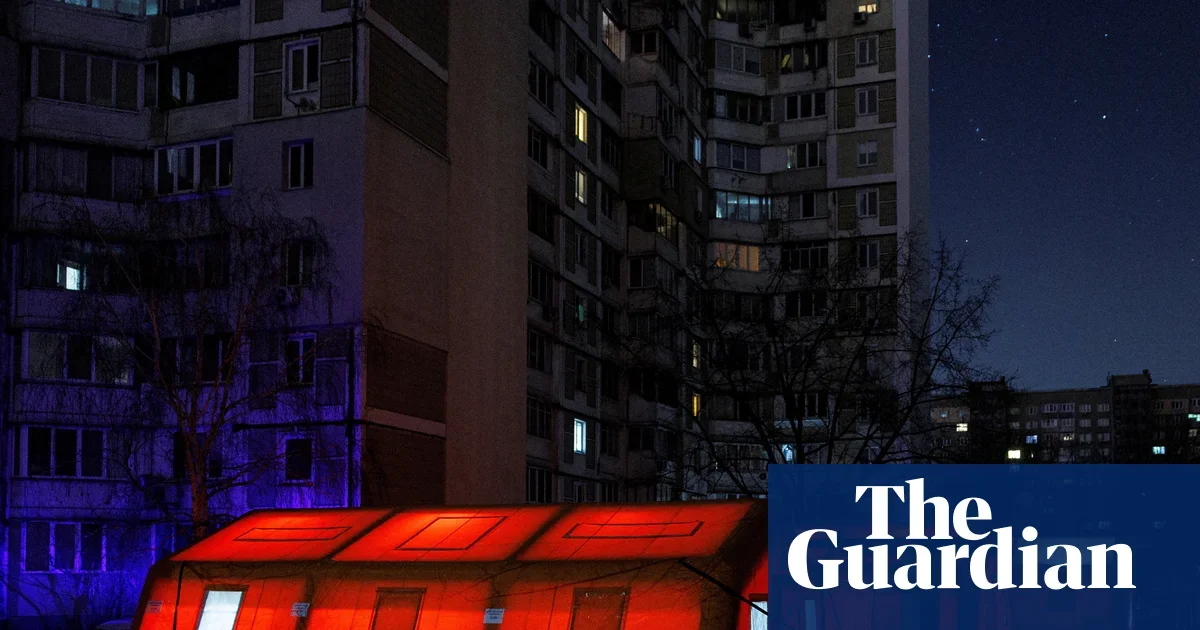
In October 2023, Russia launched a record-high number of missile strikes against Ukraine, targeting energy infrastructure and causing widespread blackouts, as part of a strategy to weaken Ukrainian civilian resilience amid ongoing conflict. Ukrainian officials accuse Russia of deliberately sowing chaos, while Kyiv retaliates with strikes on Russian energy facilities.
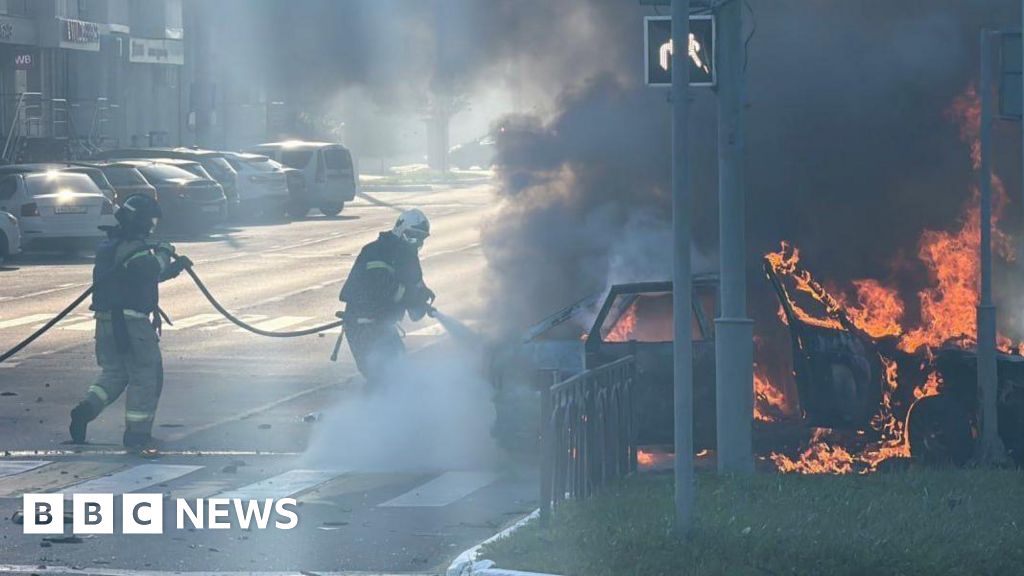
The Belgorod region in Russia is experiencing increased drone attacks from Ukraine, leading to blackouts, power outages, and heightened anxiety among residents, as Ukraine retaliates against Russian strikes and targets energy infrastructure amid ongoing conflict.
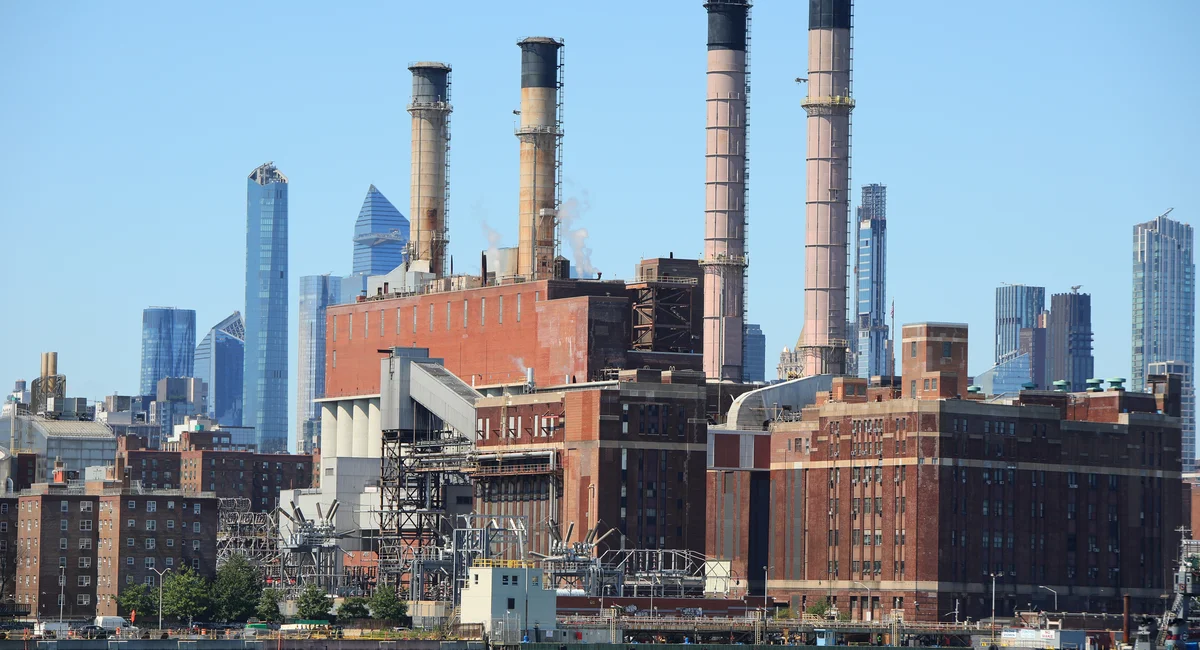
NYC faces potential increased blackouts as aging infrastructure, rising demand, and weak transmission threaten the power grid, with forecasts indicating a significant supply-demand gap by next summer that could worsen by 2050, prompting calls for new power sources and infrastructure upgrades.
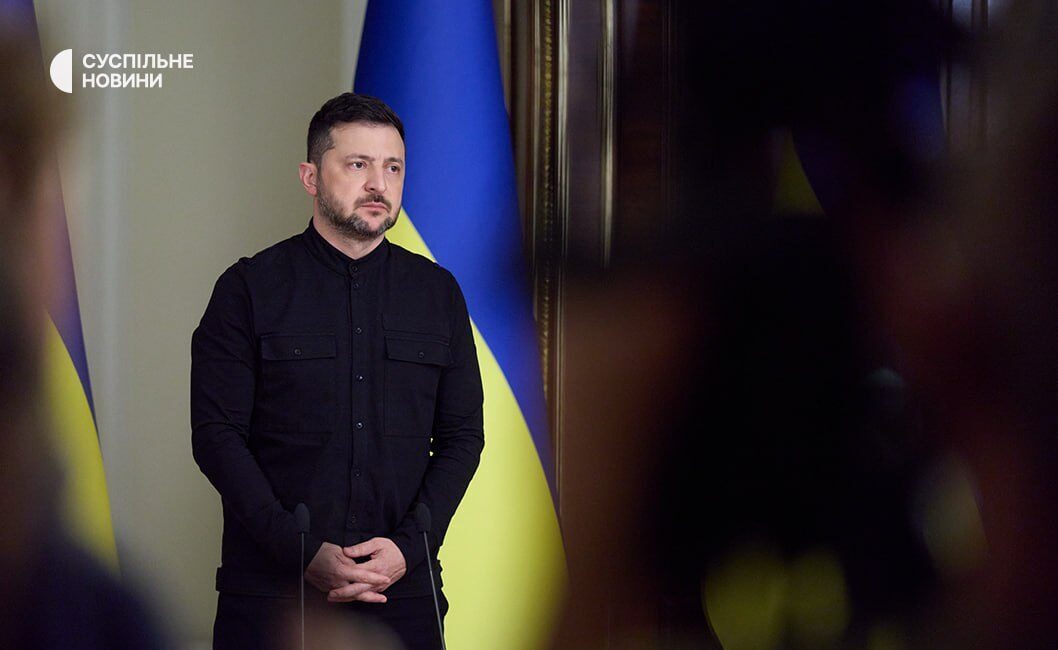
Ukrainian President Zelenskyy indicated that Ukraine is prepared to respond to Russian attacks on its energy infrastructure, which caused widespread blackouts in Kyiv, emphasizing Ukraine's focus on defense and potential retaliatory actions. The strikes are part of Russia's ongoing pattern of targeting Ukraine's energy systems ahead of winter.
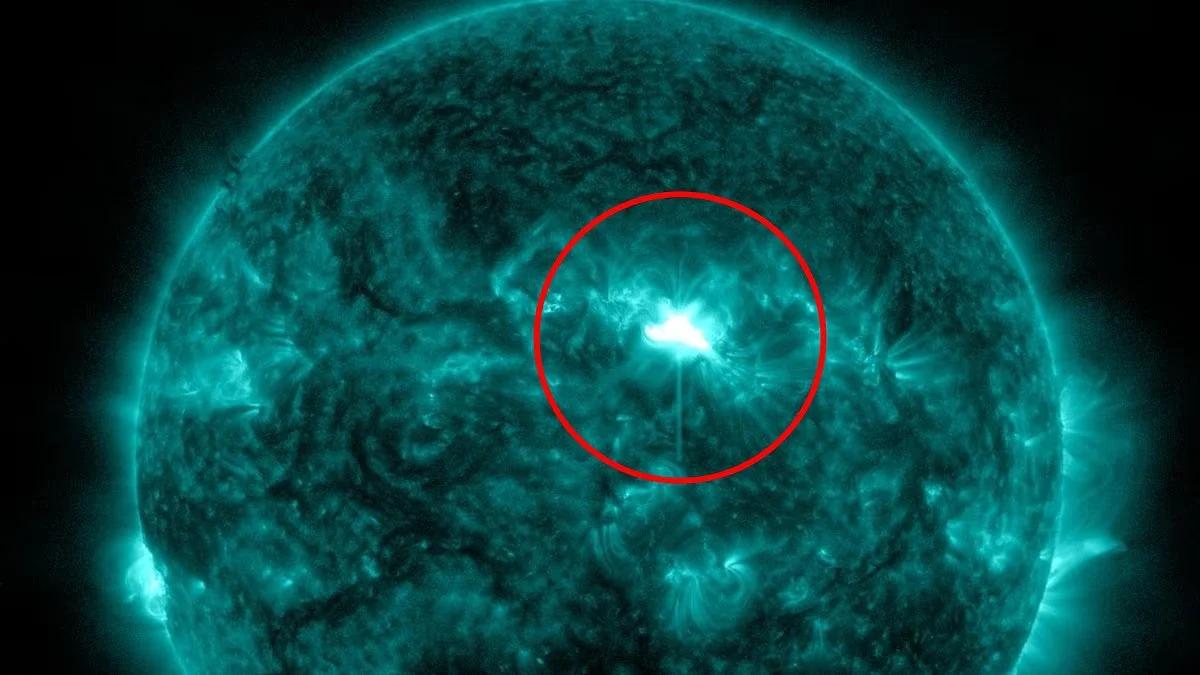
NASA warns that a powerful X1.2 solar flare from the sun could cause blackouts and communication disruptions today, with potential impacts including power grid fluctuations, satellite issues, and auroras, as scientists monitor sunspot activity and prepare for possible further solar events.
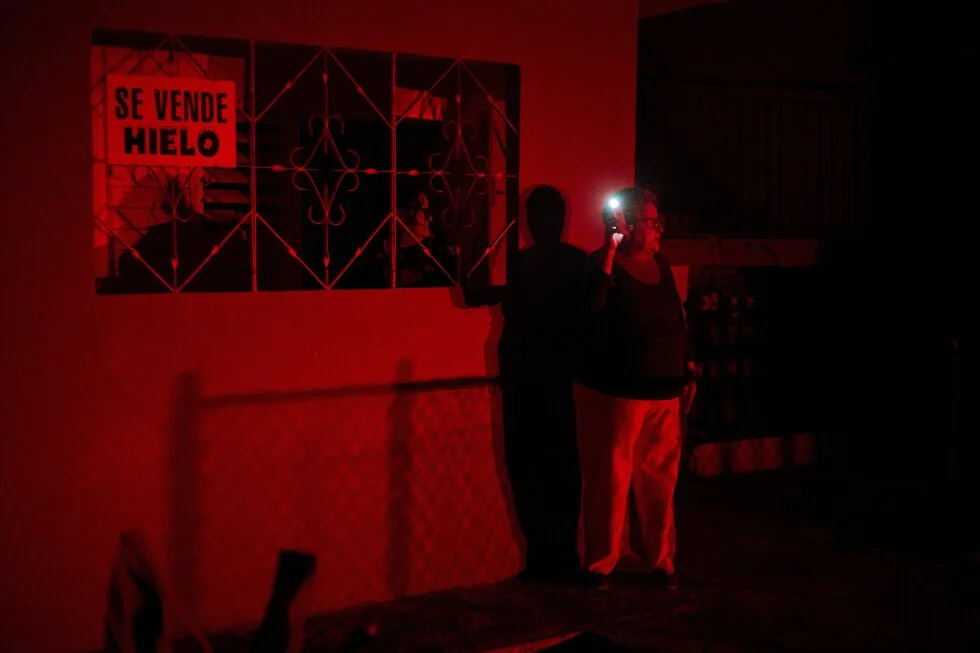
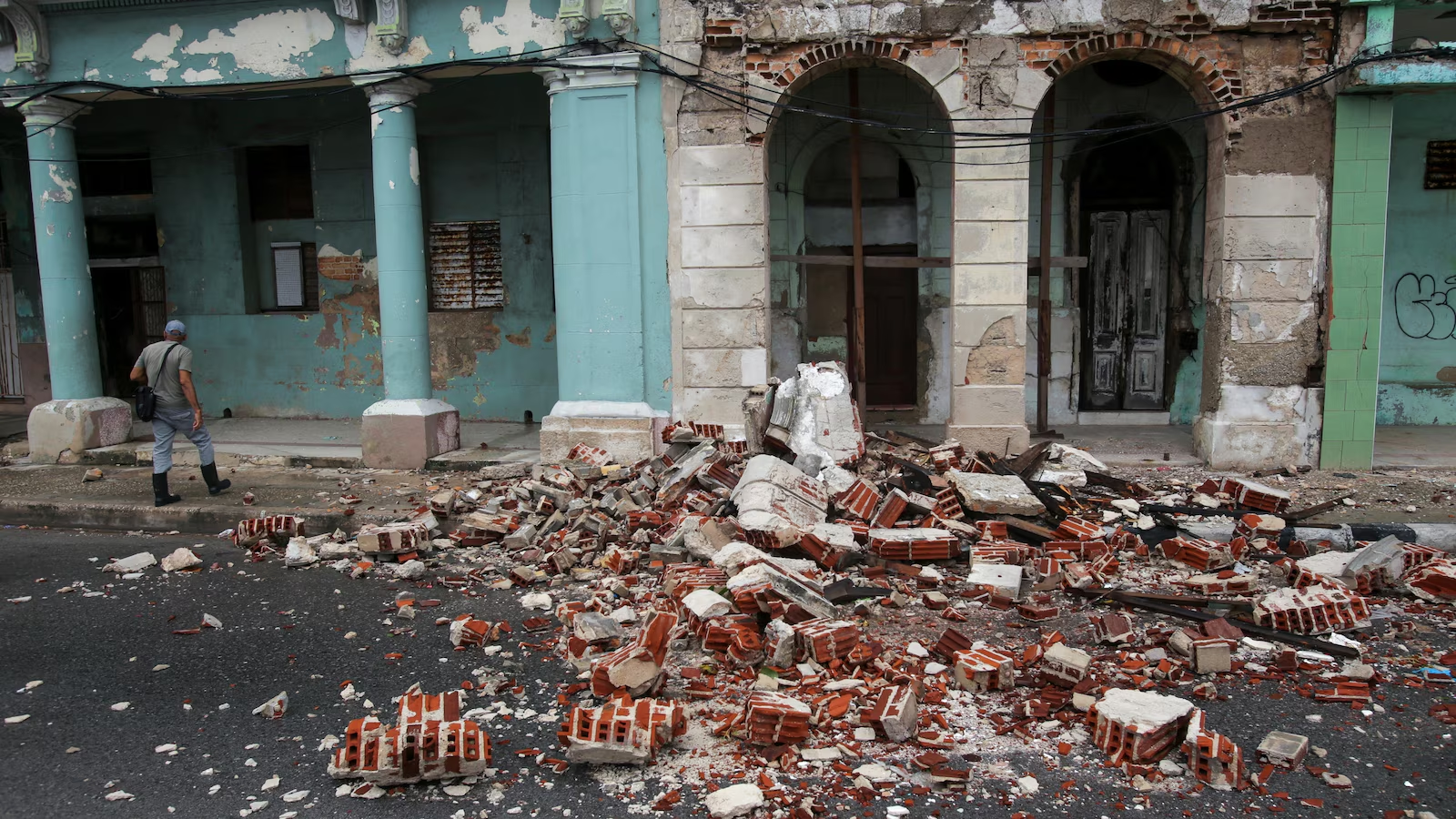
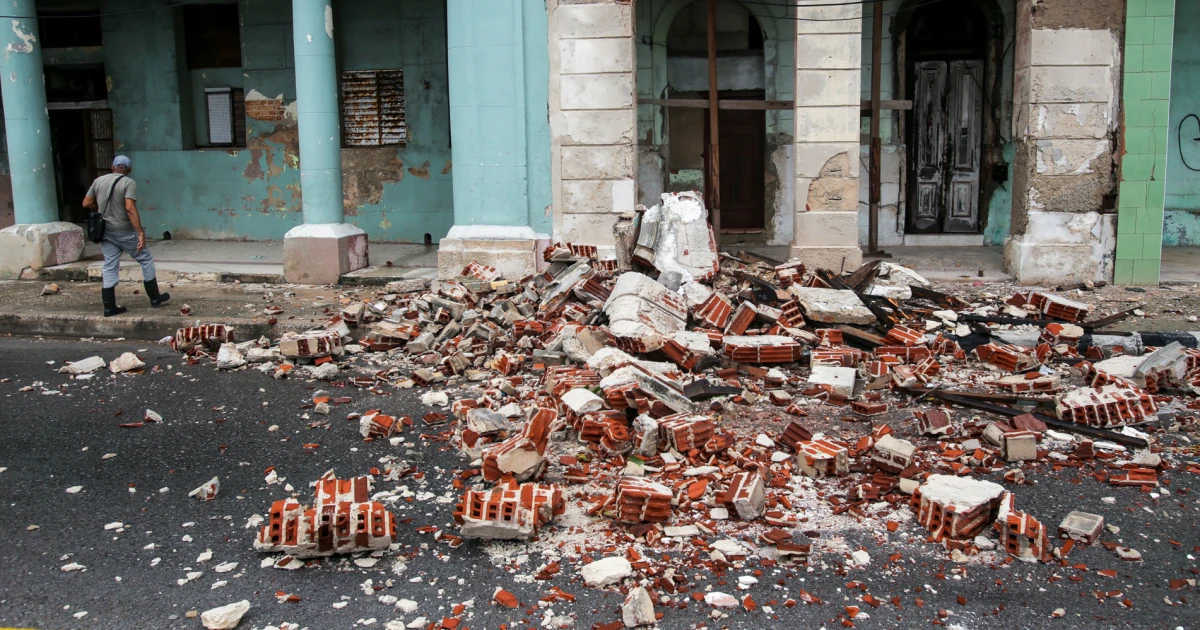
A 6.8 magnitude earthquake struck eastern Cuba, adding to the island's recent struggles with hurricanes and widespread blackouts. The quake's epicenter was near Bartolome Maso, and tremors were felt in major cities like Santiago de Cuba. While there were no immediate reports of major damage or injuries, residents experienced aftershocks and minor structural damage. This natural disaster follows a series of challenges for Cuba, including a recent Category 3 hurricane and ongoing energy crises leading to protests.
A 6.8-magnitude earthquake struck eastern Cuba, with its epicenter near Bartolome Maso, causing tremors felt across the region, including in Santiago de Cuba and Guantanamo. Despite the strong quake, there were no immediate reports of major damage or injuries, though minor structural damage was noted in some areas. This earthquake follows a series of challenges for Cuba, including recent hurricanes and widespread blackouts, which have led to significant disruptions and small protests across the island.
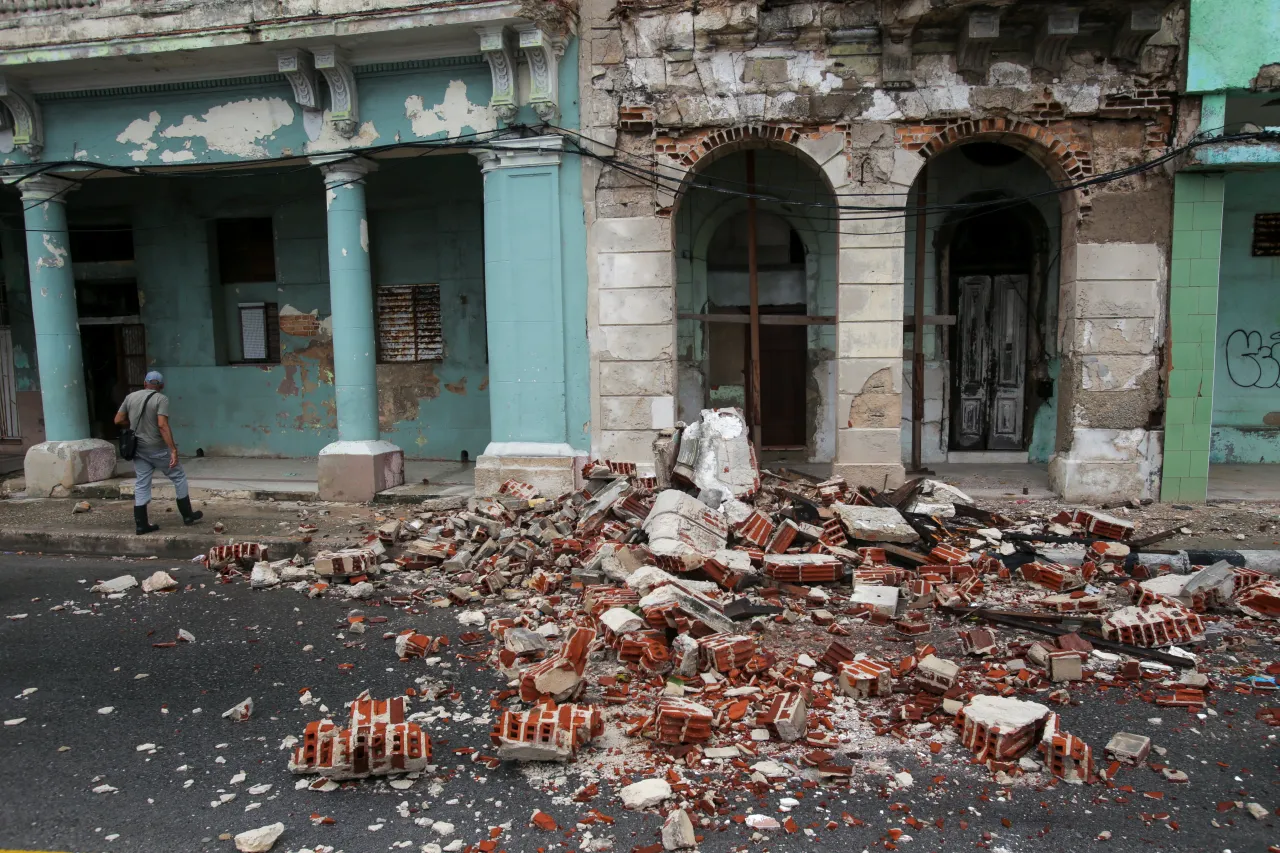
A 6.8-magnitude earthquake struck eastern Cuba, adding to the island's recent struggles with hurricanes and widespread blackouts. The quake's epicenter was near Bartolomé Masó, and it was felt in major cities like Santiago de Cuba, though no immediate damage or injuries were reported. This natural disaster follows the recent devastation from Hurricane Rafael, which caused island-wide power outages and significant damage, exacerbating the ongoing energy crisis and public discontent in Cuba.
A 6.8 magnitude earthquake struck eastern Cuba, adding to the island's recent struggles with hurricanes and widespread blackouts. The quake's epicenter was near Bartolomé Masó, and it was felt in major cities like Santiago de Cuba, though no immediate damage or injuries were reported. This natural disaster follows Hurricane Rafael, which caused significant destruction and power outages across Cuba, exacerbating the ongoing energy crisis and sparking small protests due to widespread discontent.
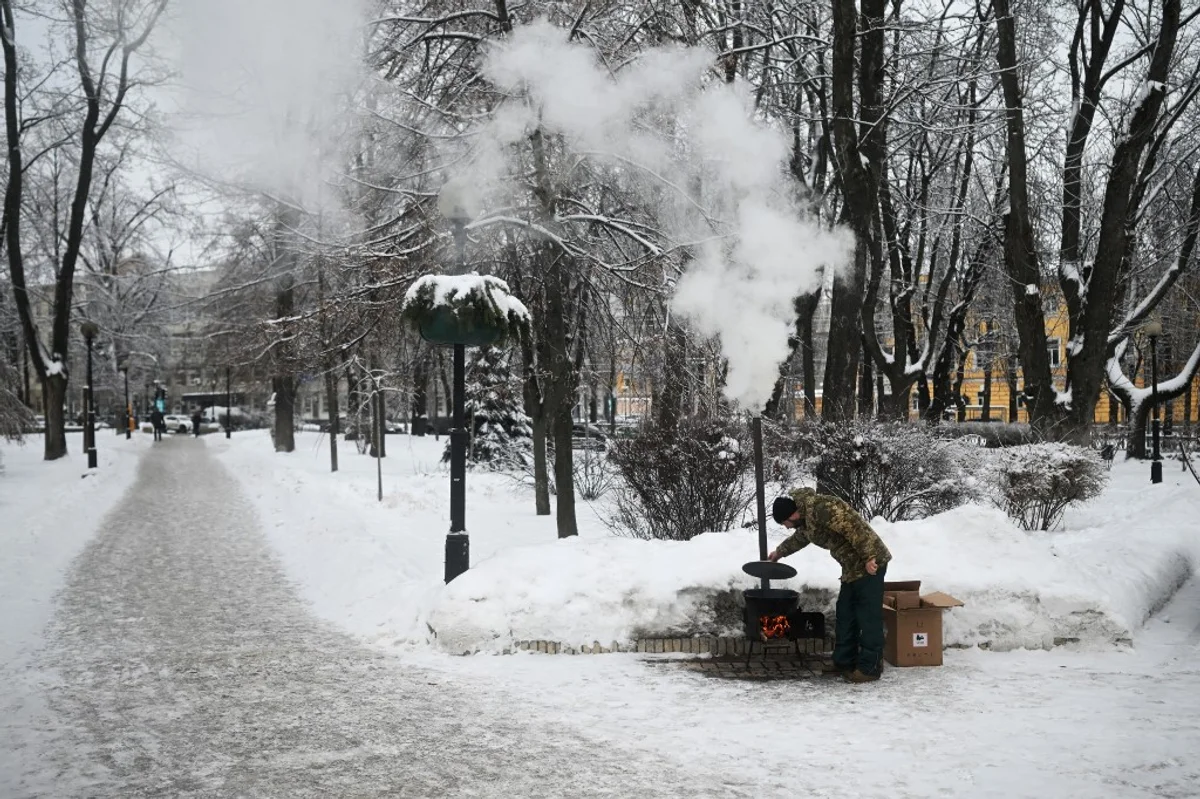
Ukraine is experiencing severe rolling blackouts as Russian attacks have crippled half of the country's power generation capacity. Residents and businesses in Kyiv are adapting to the lack of electricity with generators, power banks, and flashlights. The situation is expected to worsen as winter approaches, with the government urging allied countries for more air defense systems to protect power infrastructure. Despite efforts to import electricity and attract foreign investment, the outlook for meeting energy demands remains uncertain.
Kyiv is grappling with severe rolling blackouts as Russia intensifies attacks on Ukraine's energy infrastructure, leading to significant power shortages. Residents and businesses face daily disruptions, with some areas experiencing near-constant outages. Ukrainian officials warn of a challenging winter ahead, urging international support to repair and bolster the energy grid.
Cuba has turned off nearly three-quarters of public lighting during peak hours to cope with a worsening energy shortage, as the country grapples with a deepening economic crisis. The blackouts, attributed to a lack of fuel and decrepit infrastructure, have disrupted daily life and the economy. The government cites U.S. sanctions, pandemic-related challenges, rising shipping costs, and struggles to restructure its centralized economy as contributing factors. With only 46% of planned fuel imports received, residents in various provinces endure daily six to 12 hour blackouts, impacting daily life and businesses.
A massive solar flare erupted from the sun, triggering blackouts near Australia and South Asia and causing disruptions for ham radio operators and mariners. NOAA's Space Weather Prediction Center shows a 45% chance of more communication disruptions in the coming days. The explosion released a plume of energized particles traveling at 900,000mph, and physicists noted that it was an M-class flare, capable of causing radio blackouts and geomagnetic storms. The incident less than a month ago caused blackouts in the waters off the coast of the western US and South America, impacting satellite signals and radio communications.
The Everett natural gas import plant near Boston, a key defense against winter blackouts in the US Northeast, is facing closure in May as its primary customer, the Mystic power station, is retiring. Both the plant and the power station are owned by Constellation Energy Corp., which has deemed the power station uneconomic to run under most conditions. This impending shutdown raises concerns about the region's energy reliability during extreme cold seasons.
The North American Electric Reliability Corp. (NERC) has warned that over half of the U.S. faces an increased risk of blackouts this winter due to rising demand, power generation shortfalls, and potential fuel delivery challenges. NERC's annual Winter Reliability Assessment identified energy policy, particularly the Biden administration's green agenda, as a top threat to the power grid. The National Rural Electric Cooperative Association (NRECA) attributed the risk to factors such as increased electricity demand, premature closures of coal and gas-fired power plants, and permitting delays for new infrastructure. The NRECA criticized the Environmental Protection Agency's proposed power plant rule, stating that it threatens electric reliability and affordability. The NRECA called current federal energy policies "reckless and irresponsible."