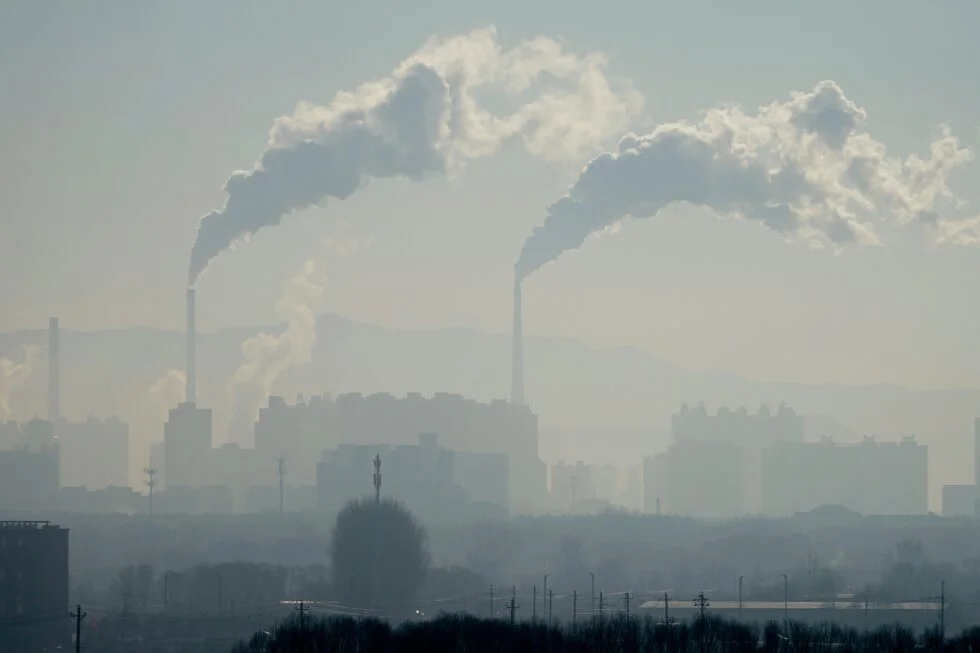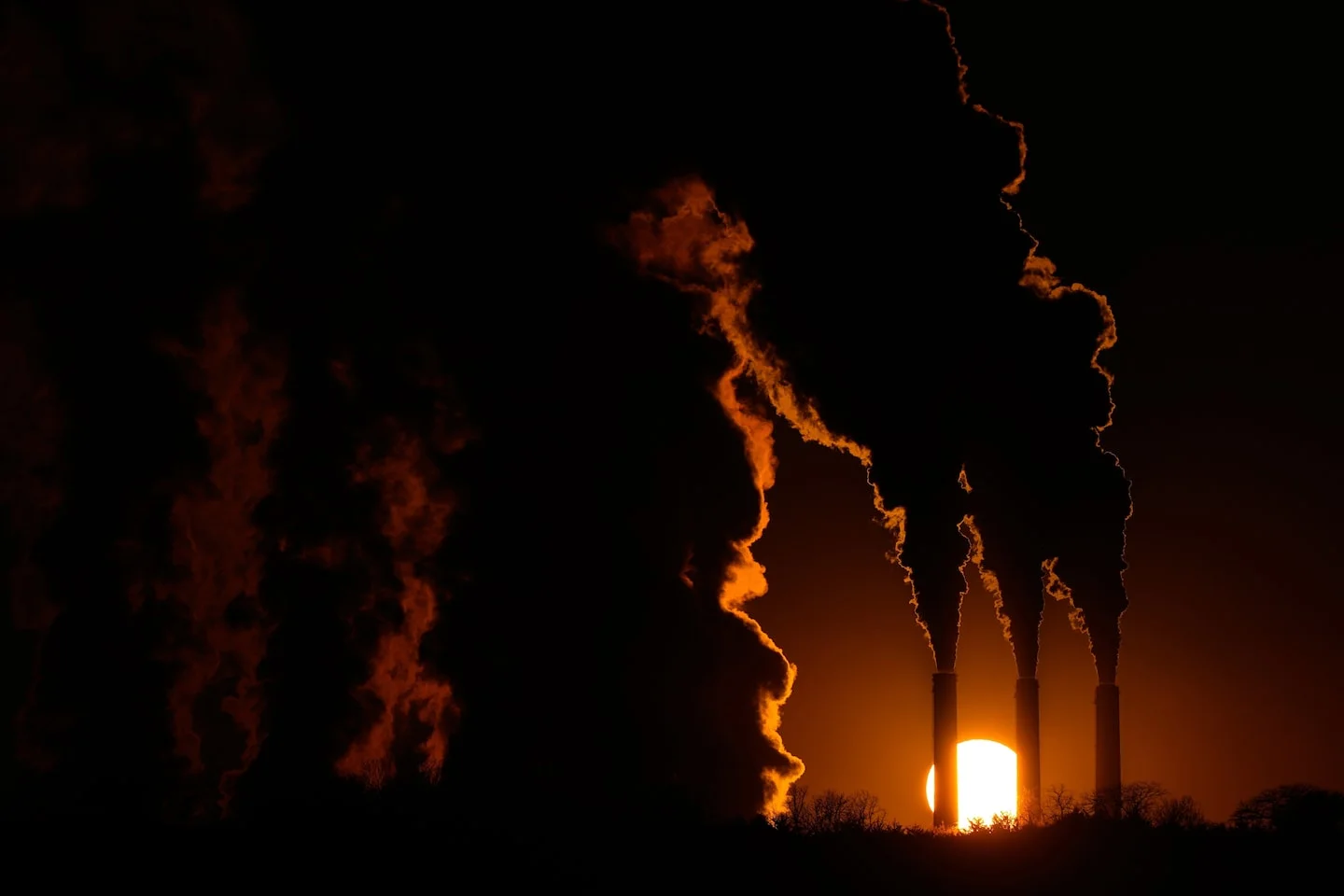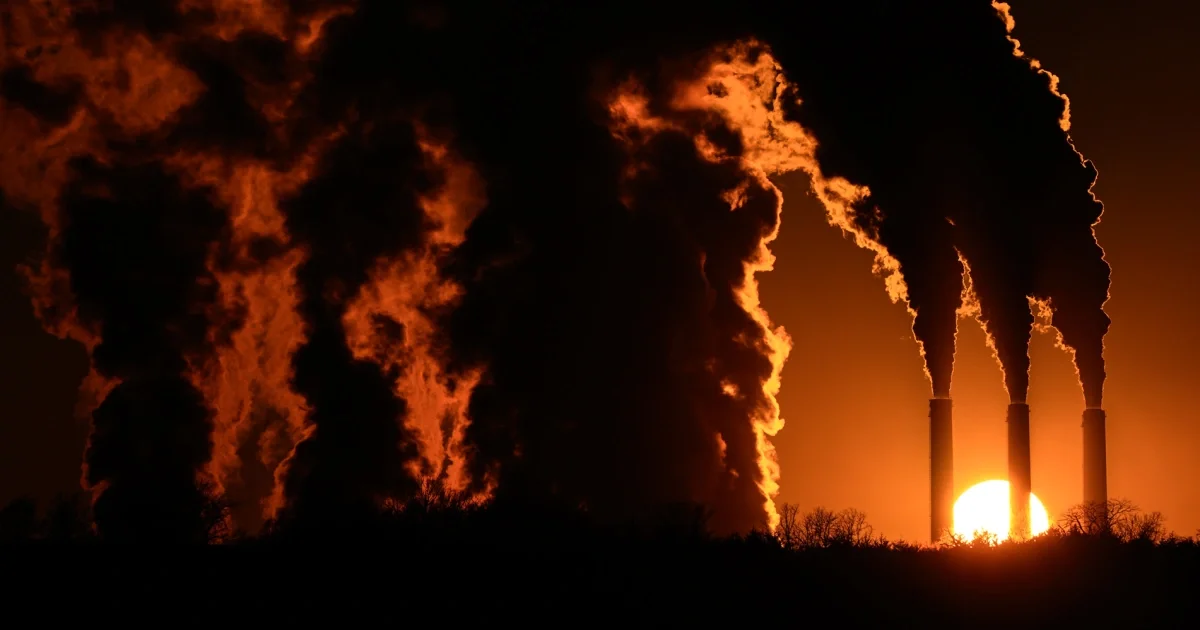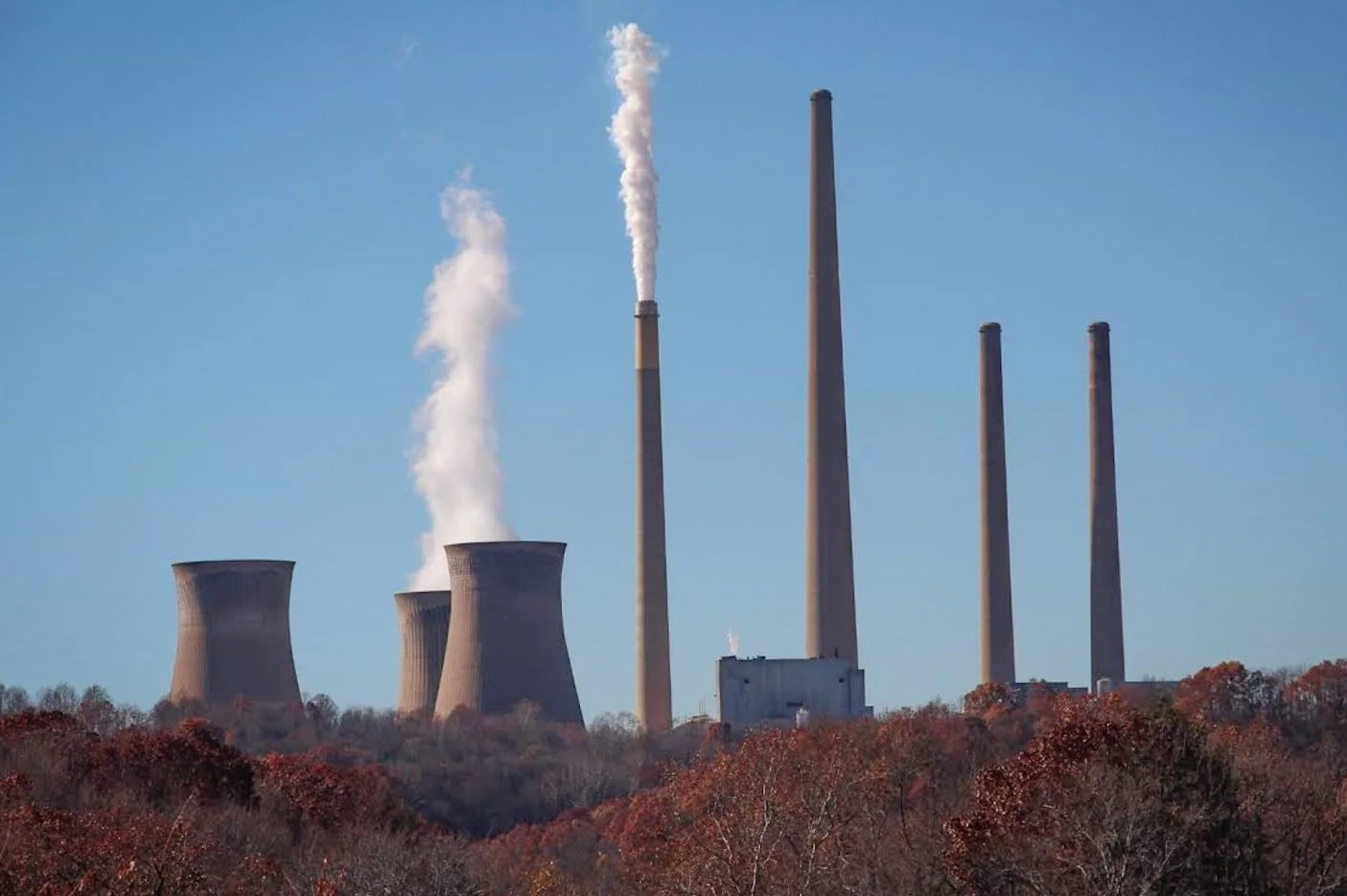
President Trump is redirecting nearly $625 million in federal funds, originally intended for clean energy and carbon capture projects, to revive aging coal plants, raising concerns about the deviation from the original statutory purposes and the potential undermining of clean energy goals.
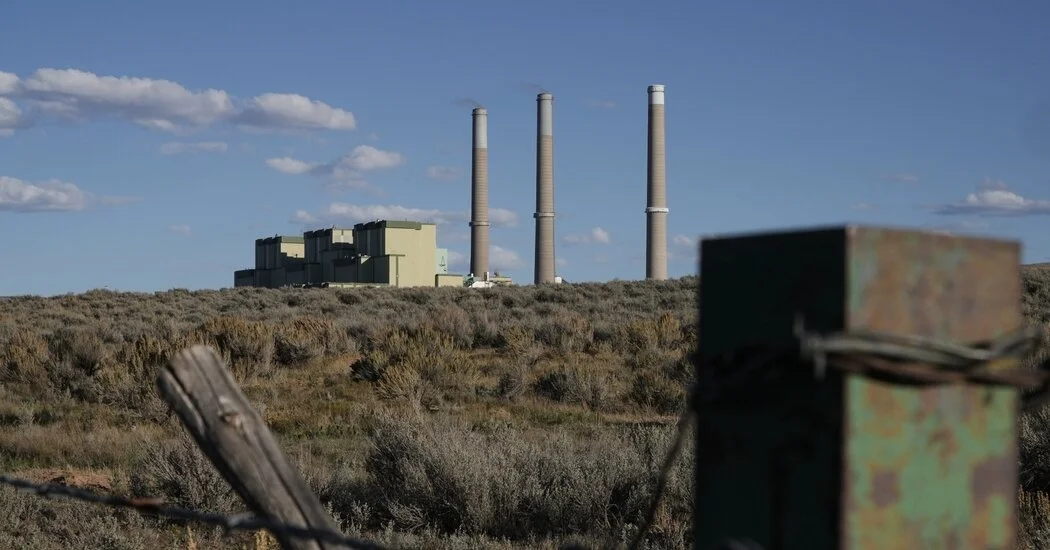
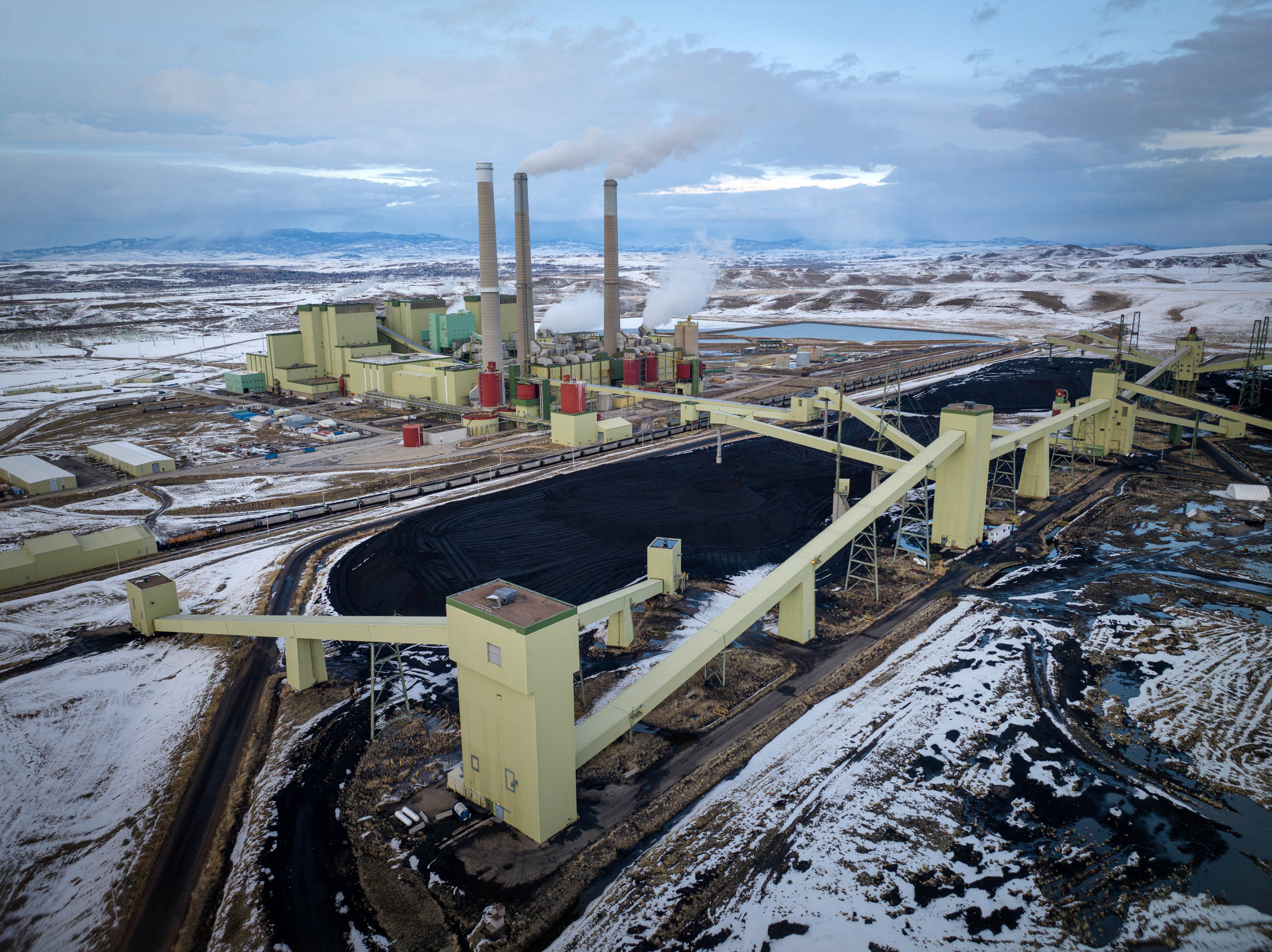
The Trump administration has ordered the continued operation of the coal-fired Craig Unit 1 in Colorado due to an emergency need for electricity, despite plans for its closure and criticism from local officials and environmental groups. The order, which extends the plant's operation through March 2026, has sparked debate over energy policy, costs, and environmental impact, with some arguing it contradicts Colorado's clean energy goals and reliability assessments.
The article discusses whether Donald Trump can revitalize the American coal industry amidst ongoing debates about energy policy and climate change, highlighting the challenges and political implications involved.
Federal officials ordered two Indiana coal power plants to remain operational for 90 days to ensure regional power stability, amid efforts by the Trump administration to support the coal industry, despite ongoing shifts towards renewable energy and environmental concerns.
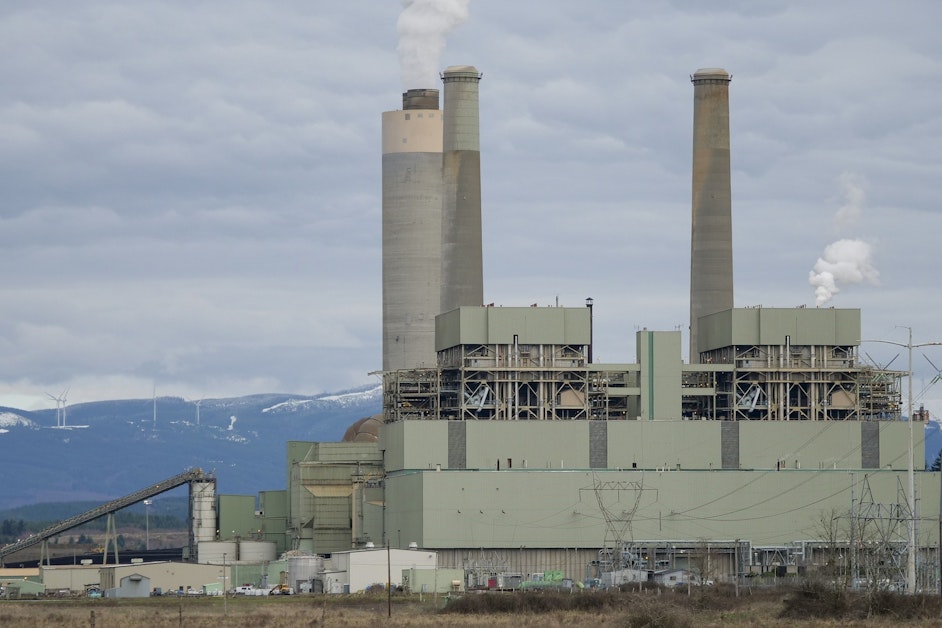
The Trump administration issued a 90-day emergency order to keep Washington's largest coal plant, Centralia, operating despite state laws requiring its closure, citing grid stability concerns amid regional power demand and winter reliability assessments, sparking criticism from state officials and environmentalists.
The US Interior Department rejected a bid for coal leasing in Utah, marking the third failed coal sale in the West this month, highlighting the decline of coal industry amid market shifts and environmental concerns.
For the first time, renewable energy sources like solar, wind, and hydro have surpassed coal as the primary source of global electricity, driven mainly by China and India, indicating a significant shift towards cleaner energy, despite some Western countries increasing coal use and challenges in meeting rising demand.
The first half of 2025 saw a significant shift in the global energy landscape, with renewable energy sources, especially solar and wind, surpassing coal for the first time and driving a decline in fossil fuel use, despite ongoing political support for coal in the US. This marks a crucial turning point towards cleaner energy, supported by falling costs and increased capacity, although challenges remain in fully transitioning away from coal and addressing policy and market dynamics.
For the first time, renewable energy sources like wind and solar generated more electricity globally than coal in the first half of 2025, driven mainly by growth in China and India, marking a significant shift in the global energy landscape, although fossil fuel use increased in the US and Europe.
Renewable energy has overtaken coal as the world's largest source of electricity in the first half of 2023, driven mainly by solar and wind growth, especially in developing countries like China and India. While this marks a significant shift towards clean energy, developed nations such as the US and EU are still relying more on fossil fuels due to demand growth and weather-related challenges. China remains dominant in clean tech exports, and the global energy landscape is experiencing a crucial turning point towards sustainable power.
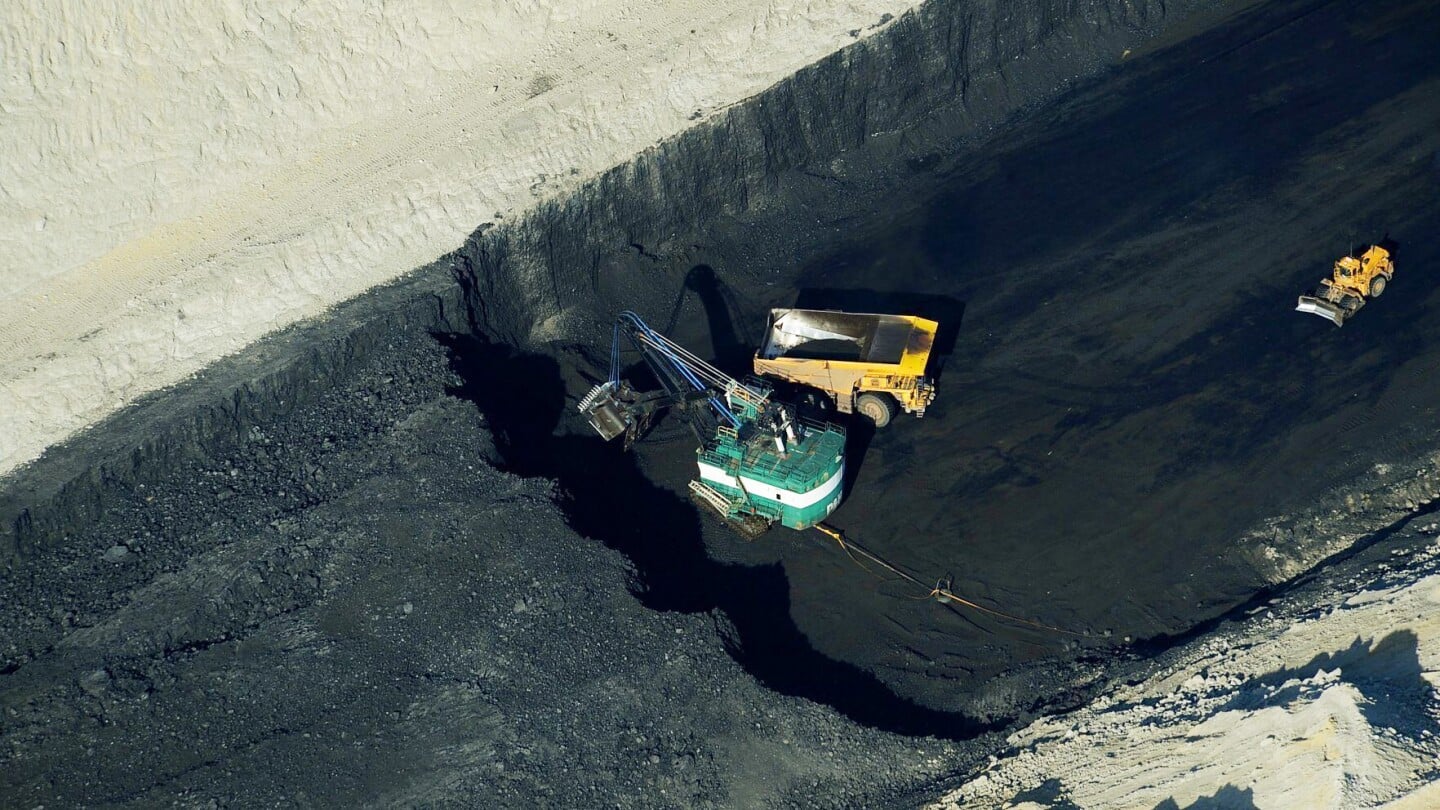
A Navajo tribe-owned company bid $186,000 to lease 167 million tons of coal in Montana, marking the largest US coal sale in over a decade amid declining demand and political debates over coal's future, with many of the leased coal unlikely to be mined due to plant retirements and market shifts.
U.S. solar capacity is projected to surpass wind and soon replace coal as a major energy source by 2028, driven by significant additions in solar projects and a decline in coal capacity, with solar expected to reach 250 GW compared to coal's 173 GW.
The Trump administration is preparing a plan to increase coal production, involving companies like TECK, BHP, and CLE, as part of its broader energy and economic policies.
A report reveals that countries are planning to produce over twice the fossil fuels needed to meet the Paris Agreement's climate goals, with major polluters like China, the US, and India increasing production, especially of coal, despite commitments to reduce emissions.
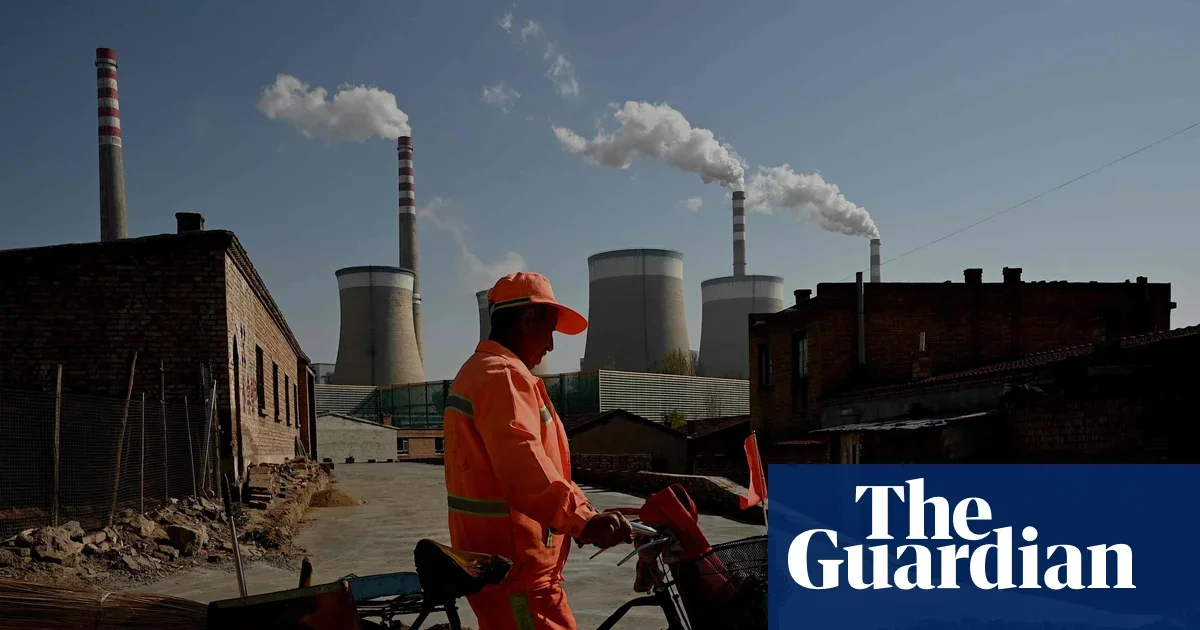
Despite significant investments in renewable energy, China’s coal consumption reached record levels in 2025, with new coal plant capacity and re-firing of existing plants, threatening its climate goals amid ongoing expansion of renewables like solar and wind. The increase in coal use persists despite government promises to reduce coal reliance, driven by powerful coal interests and long-term contracts, complicating China's efforts to cut greenhouse gas emissions.