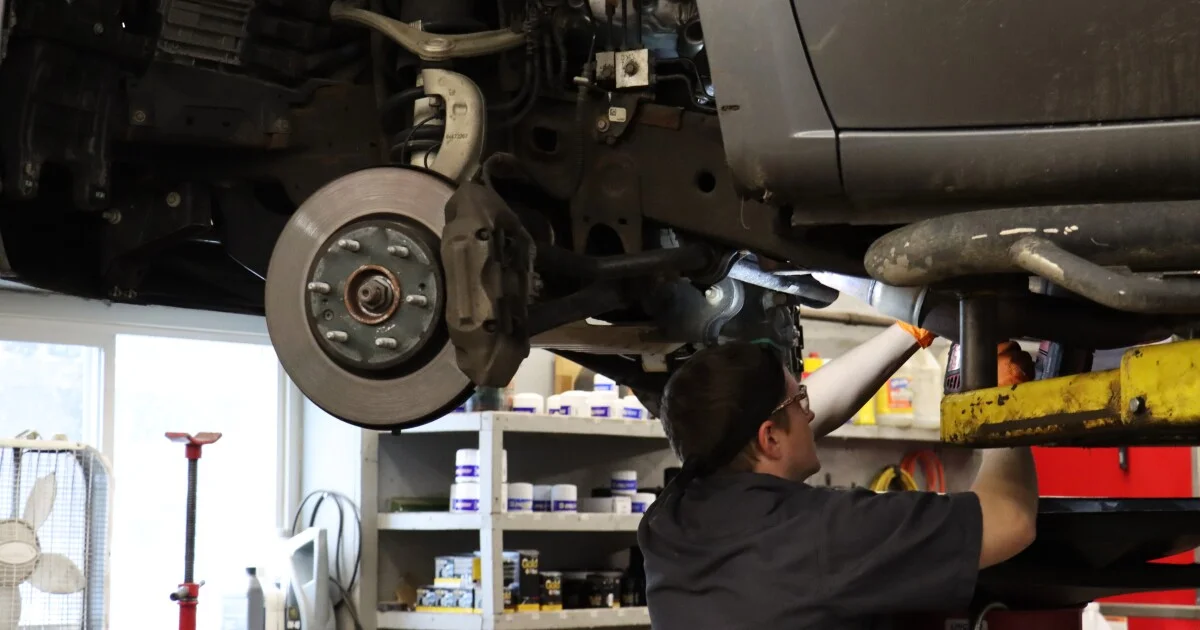
Mercedes-Benz agrees to pay nearly $150 million to settle allegations of installing devices in vehicles to cheat emissions tests, with the settlement covering over 211,000 vehicles and including provisions for vehicle repairs and consumer relief. The automaker denies liability but aims to resolve all related legal issues in the U.S.
Mercedes-Benz agrees to pay $149.6 million to settle allegations of installing defeat devices in over 211,000 diesel vehicles to cheat emissions tests, with the settlement including compensation for affected owners and stricter reporting requirements, while denying any liability.
Satellites are being used to detect and reduce methane leaks from landfills, with a recent case study in Madrid demonstrating how high-resolution satellite and aircraft data can identify leaks, guide repairs, and improve emissions monitoring, ultimately aiding efforts to combat climate change.
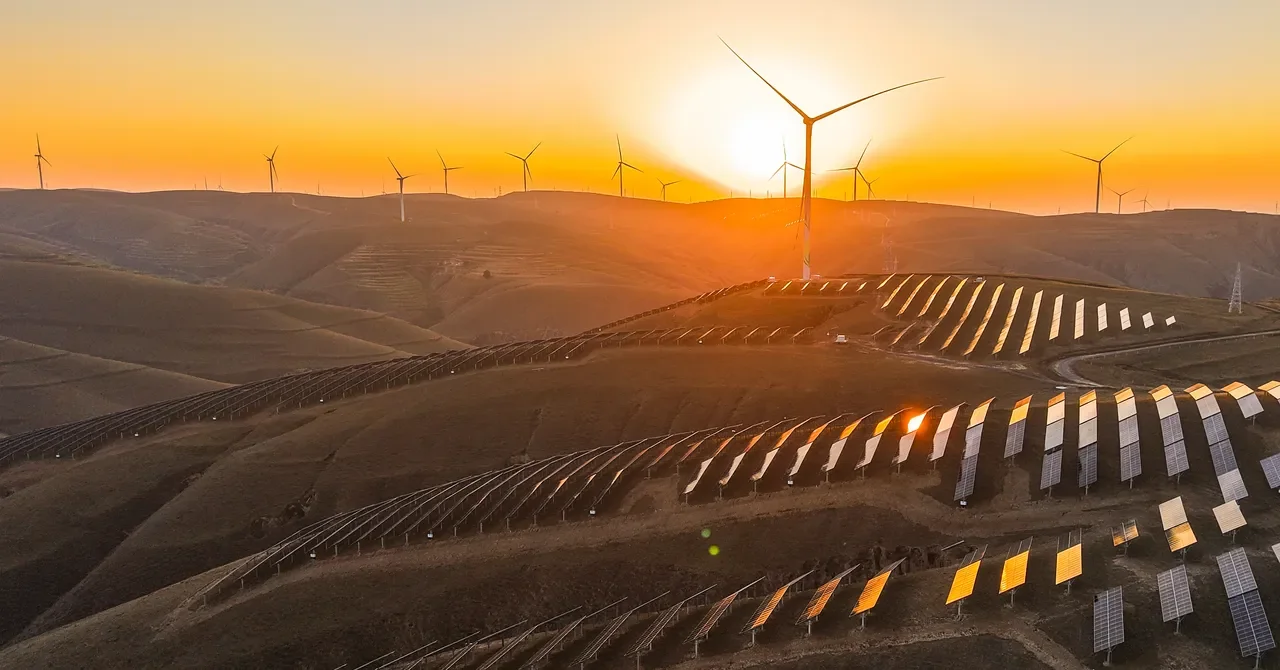
Global fossil fuel emissions are projected to increase slightly in 2025, but the growth rate has slowed over the past decade due to a boom in renewable energy, especially solar power, which is helping to stabilize electricity sector emissions. While this offers hope for curbing global warming, current policies suggest that warming could still reach 2.6°C by the end of the century, highlighting the urgent need for more decisive climate action.
California's Governor Newsom is actively engaging in international climate discussions in Brazil, aiming to strengthen global climate commitments and fill the void left by the absence of the U.S. federal government, with a focus on implementing climate solutions at the city and state level amidst a lack of comprehensive global agreements at COP in Belém.
EU countries have agreed on a weakened 2040 climate goal and target for COP30, reflecting a decline in ambition and consensus on climate action ahead of the summit.
Uber is offering drivers $4,000 incentives to switch to electric vehicles amid threats from Trump to eliminate zero emissions targets, highlighting ongoing debates over environmental policies and corporate sustainability efforts.
The UK’s largest group action trial alleges that major car manufacturers deliberately installed defeat devices in diesel vehicles to cheat emissions tests, prioritizing sales over legal compliance and causing significant environmental and health harm, with potential damages exceeding £6 billion.
A major lawsuit is set to begin in the UK against Mercedes, Ford, Peugeot/Citroën, Renault, and Nissan over allegations of cheating on emissions tests using defeat devices, part of the ongoing dieselgate scandal. The case could involve 1.6 million car owners and is the largest class action in UK legal history, with a verdict expected by summer 2026. The companies deny the allegations, which claim they misled consumers about vehicle emissions and continued to emit harmful pollutants.
The Energy Department has banned the use of terms like 'climate change' and 'emissions' in official communications, reflecting a broader effort by the Trump administration to downplay climate science and reduce support for renewable energy initiatives.
Experts criticize China's announced plans to cut emissions by only 7-10% by 2035, arguing they are too weak to prevent global catastrophe, despite China's significant investments in clean energy and ongoing reliance on coal. The plans fall short of the 30% reduction deemed necessary, raising concerns about global climate leadership and the effectiveness of upcoming international climate negotiations.
Automakers are lobbying the EPA to relax emissions regulations to boost profits, while Stellantis cuts European production due to weak demand, Nissan faces a French investigation over supplier payments, and Ford issues its 112th recall of 2025 due to steering issues.
An EGR delete involves removing or blocking the exhaust gas recirculation system to improve engine performance and reduce carbon buildup, but it is illegal in many countries, voids warranties, can trigger check engine lights, and may cause engine damage due to higher temperatures and pressures. Owners should carefully consider legal and mechanical implications before proceeding.
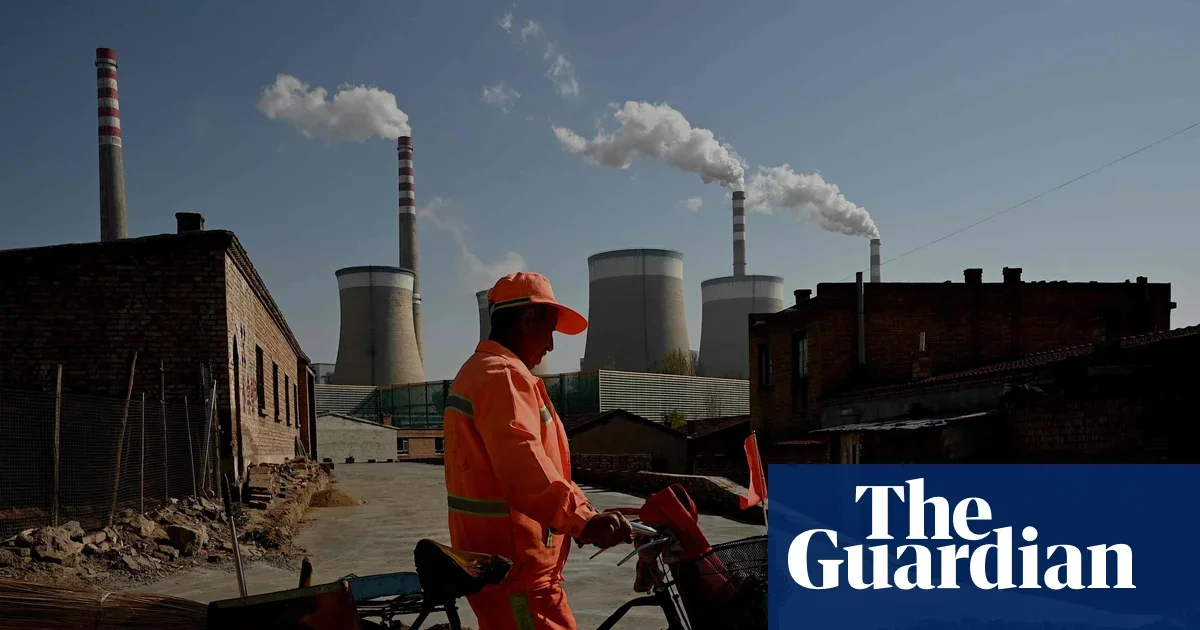
Despite significant investments in renewable energy, China’s coal consumption reached record levels in 2025, with new coal plant capacity and re-firing of existing plants, threatening its climate goals amid ongoing expansion of renewables like solar and wind. The increase in coal use persists despite government promises to reduce coal reliance, driven by powerful coal interests and long-term contracts, complicating China's efforts to cut greenhouse gas emissions.
Europe is experiencing severe wildfires, with satellite images highlighting the extent of the damage. Experts emphasize the need for daily solutions such as shaded areas and cool banks, alongside robust policies to reduce emissions, to combat the increasing frequency and intensity of wildfires caused by climate change.