
energy2.655 min read
DOE Boots Up $171.5M to Scale U.S. Geothermal Testing and Drilling
5 hours ago•Source: Department of Energy (.gov)

The latest energy stories, summarized by AI

The Energy Department closed a historic $26.5 billion loan package to fund Southern Company subsidiaries, delivering over $7 billion in electricity cost savings to millions of customers in Georgia and Alabama. The program will support about 16 GW of firm power, including new gas generation, nuclear uprates, hydropower modernization, battery storage, and transmission upgrades, while lowering the utility’s interest expenses by over $300 million per year and boosting jobs and grid reliability.
Crude Oil Prices Today | OilPrice.com•2 days ago
Interesting Engineering•2 days ago

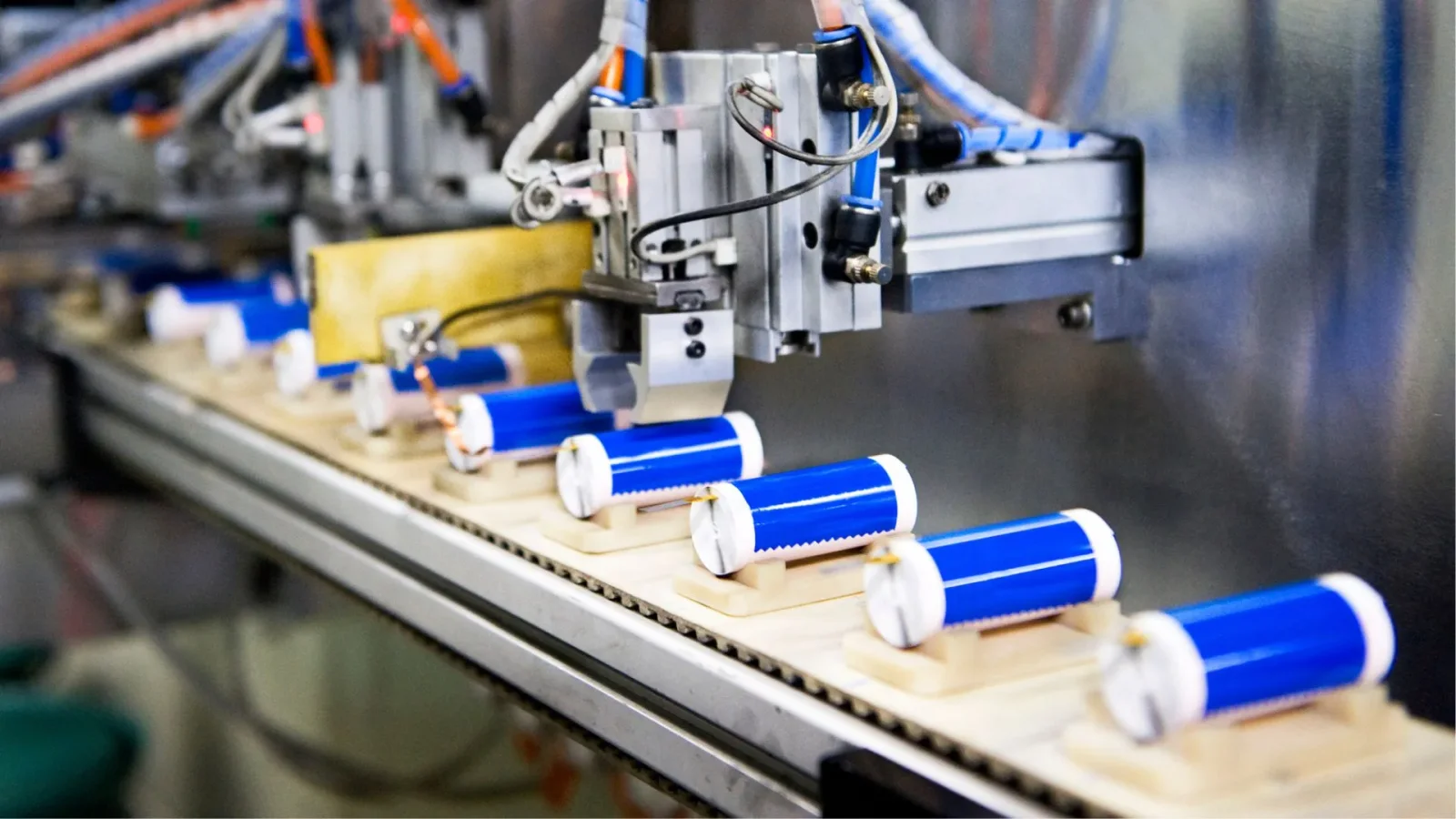
MIT researchers have developed a multimaterial 3D‑printing platform that can fabricate fully functional electric machines in a single process. By upgrading a printer with four extruders, sensors, and a new control framework, they printed a linear motor using five materials in about three hours, with magnetization the only post-processing step and material costs around $0.50. The demonstration highlights the potential for on-site, distributed manufacturing of complex electromechanical devices, aiming to reduce downtime and supply-chain reliance and outlining plans to integrate magnetization and expand to fully 3D‑printed rotary motors.
Researchers report a tofu-brine, water-based battery with organic electrodes and neutral electrolytes achieving 120,000+ cycles and non-flammability; if scalable, it could offer a cheaper, safer alternative for grid storage and backup power, potentially challenging lithium-ion, though energy density and real-world deployment remain to be proven.

Brent crude climbed above $71 and WTI traded around $66 as traders priced in the risk of U.S. military action against Iran, citing stalled diplomacy and potential disruptions to Iranian supply and Persian Gulf flows through the Strait of Hormuz; the market appears tighter due to sanctions dynamics and a steeper Brent curve amid stalled Russia-Ukraine talks.

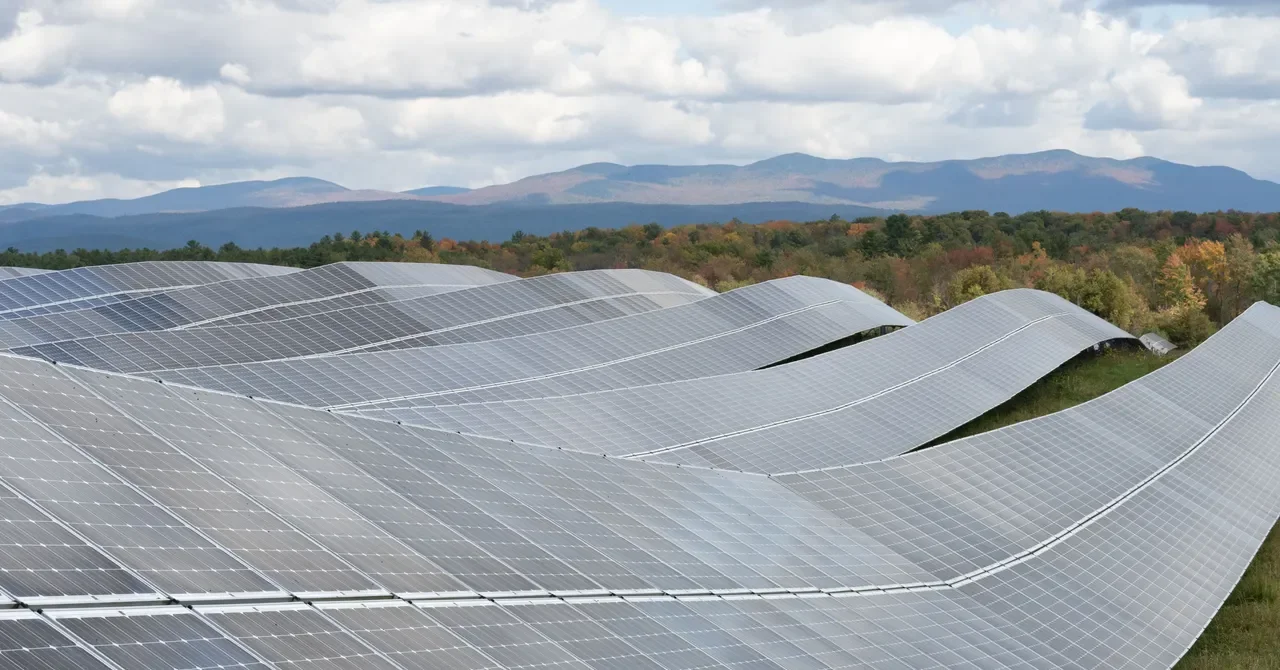
Lawmakers in Maine, Vermont, New Hampshire, Massachusetts, and Rhode Island are weighing bills to allow small plug-in solar panels that connect to home outlets, removing the need for rooftop installations and potentially lowering electricity bills for renters and others without easy access to rooftop solar. The approach mirrors European adoption and Utah’s 2025 lead, but would require updated electrical codes and national safety certifications before widespread sale; costs can reach up to about $2,000, and critics say it won’t be a universal solution, though supporters argue prices could fall with broader adoption and that the technology offers a practical entry point to clean energy for renters and apartments.

Oil prices rose nearly 3% after Ukraine-Russia peace talks collapsed, with Brent around $69.15 and WTI near $64.05 as traders weigh sanctions risk and potential Iran supply relief against Hormuz tensions, while Hungary halts diesel shipments to Ukraine and looks at rerouting Russian crude via Croatia through the Druzhba pipeline.

OilPrice argues that geopolitical risk—especially U.S.-Iran tensions and the Strait of Hormuz—still poses a meaningful price threat despite U.S. shale. Five Scenarios from Rystad Energy show a spectrum from negotiated deals to wide conflict, with worst-case shocks potentially pushing Brent and WTI above $100 if Hormuz is disrupted; meanwhile global energy efficiency and storage could cushion some impacts. A potential deal with Iran would be bearish for oil prices, but the risk of escalation remains a key factor for markets.
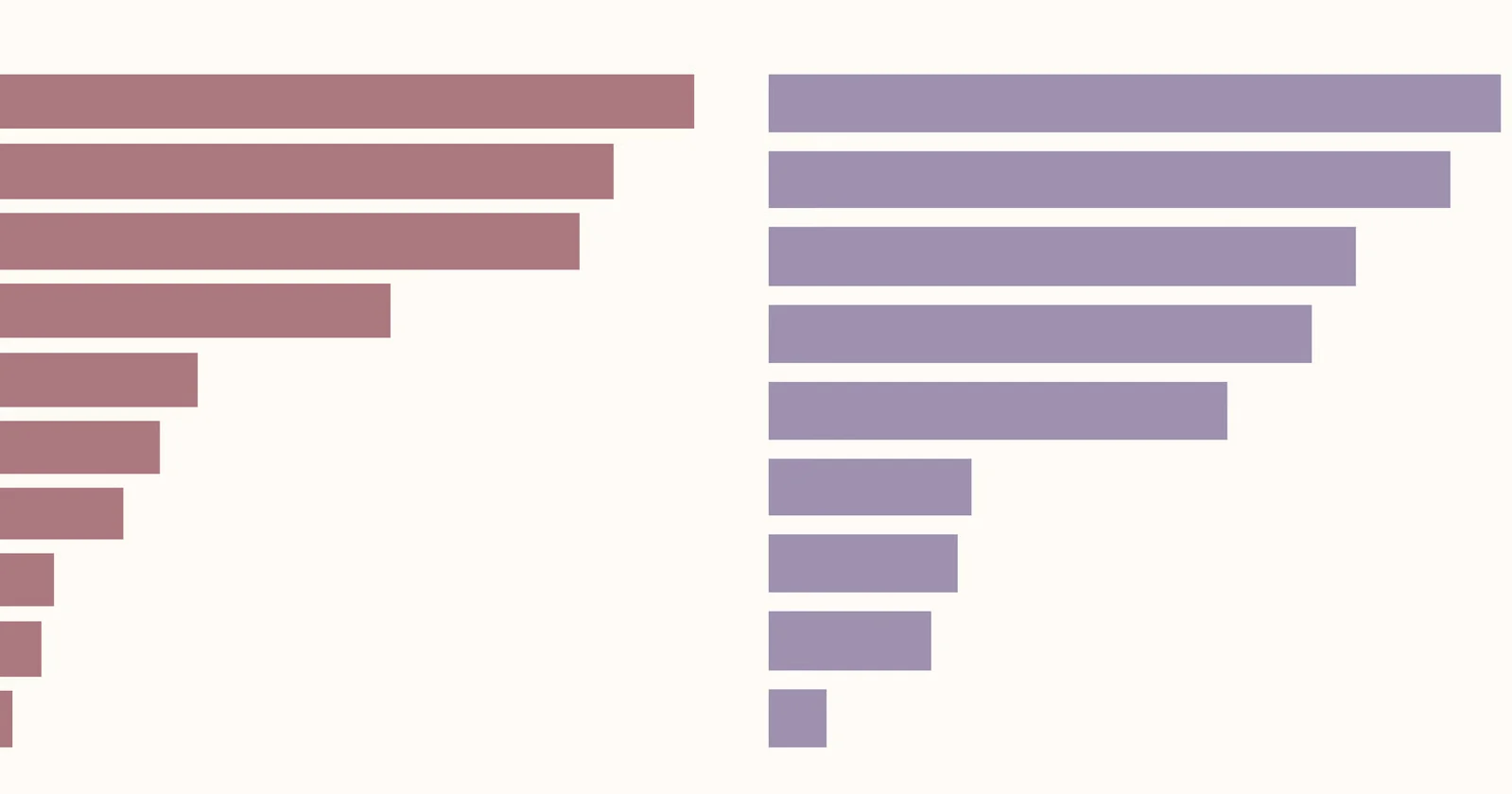
Billions in energy-poor countries cannot power even a single hour of air conditioning, leaving extreme heat a daily health and productivity burden. In many places, the average per-person daily electricity is far below what an hour of AC needs (India ~44 minutes, Nigeria ~13 minutes, South Sudan ~4.4), and AC ownership remains very low (roughly 5–16% in several large economies). Even affordable cooling like electric fans is out of reach for many. Solving this requires more affordable, cleaner electricity and more efficient cooling, even as AC accounts for about 3% of greenhouse gas emissions and demand could triple by 2050.

Turkey dispatched its deep-sea drilling vessel Cagri Bey to Somalia for Ankara’s first offshore exploration mission outside its maritime zone, with drilling set to begin at Curad-1 in April off the Somali coast. The ship, recently added to Turkey’s fleet, will be escorted by three Turkish warships and is expected to reach Somalia in about 45 days. Energy officials described the move as historic and said Turkey aims to raise oil output to about 500,000 barrels per day by 2028, with potential gains from discoveries and international production-sharing agreements abroad.
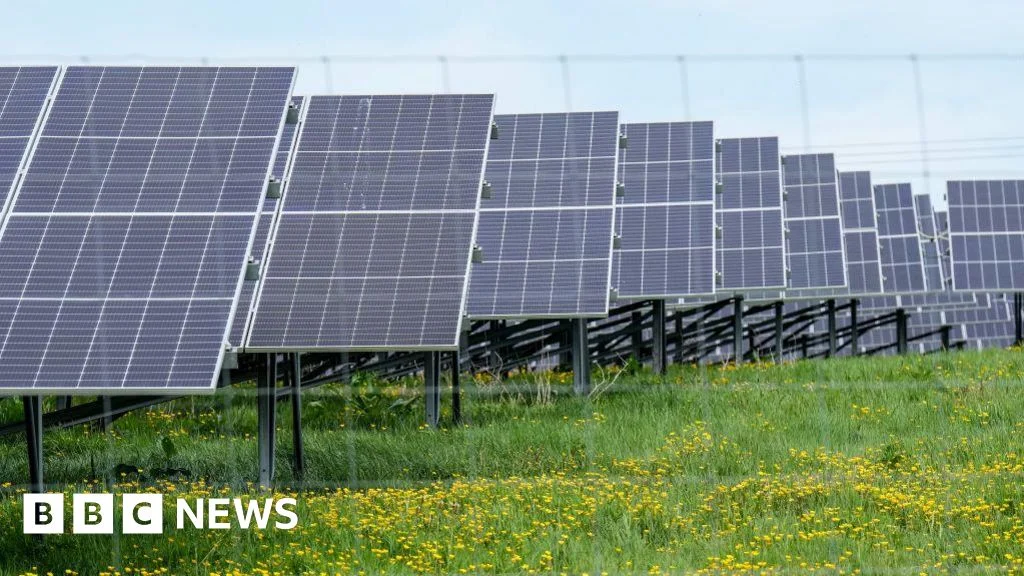
Britain awarded a record 4.9GW to 157 solar projects in a renewables auction (also funding onshore wind and tidal bids) as part of a push to hit about 45-47GW of solar by 2030 and expand storage, while local opposition to large solar farms and lingering questions about meeting the 2030 clean-power target persist; the package includes plans for a Local Power Plan and up to £1bn for local energy projects to empower communities.

Argentina’s Milei government is pushing a new nuclear strategy that restart uranium mining in Chubut, advance small modular reactors, and privatize part of the state utility, while courting uranium exports to the United States—a plan drawing ire from Indigenous communities, scientists, and environmentalists who warn it could undermine domestic energy needs, worsen environmental harm, and increase US influence in Patagonian resources.