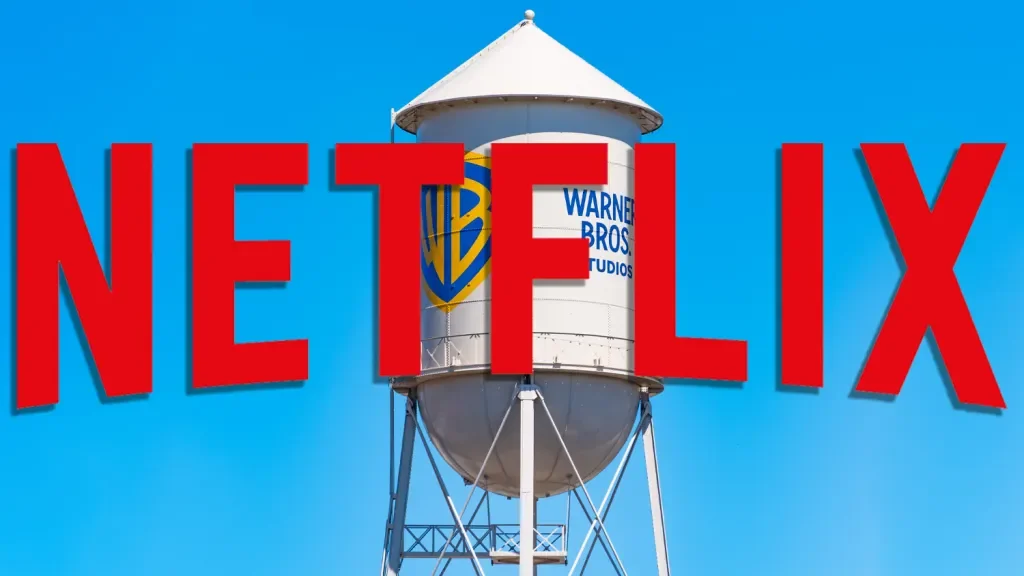
Netflix's bid for Warner Bros. Discovery's studios and streaming assets heats up as Ted Sarandos plans a White House visit to discuss the deal, with a rival Paramount Skydance offer in play, DoJ antitrust scrutiny, and Trump pressing Netflix over a board-member issue.
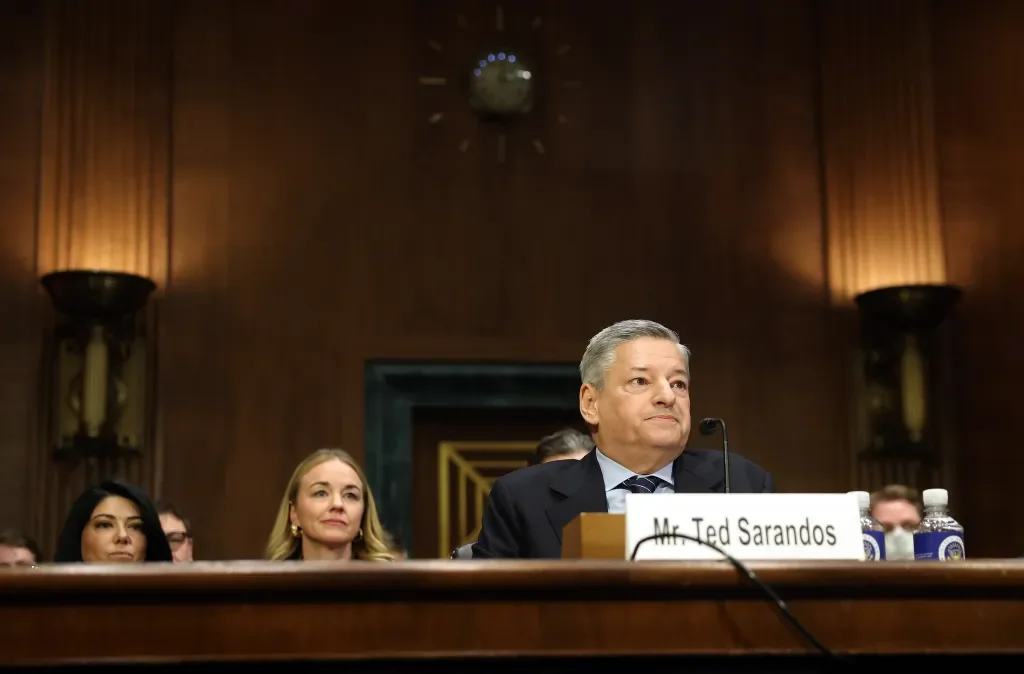
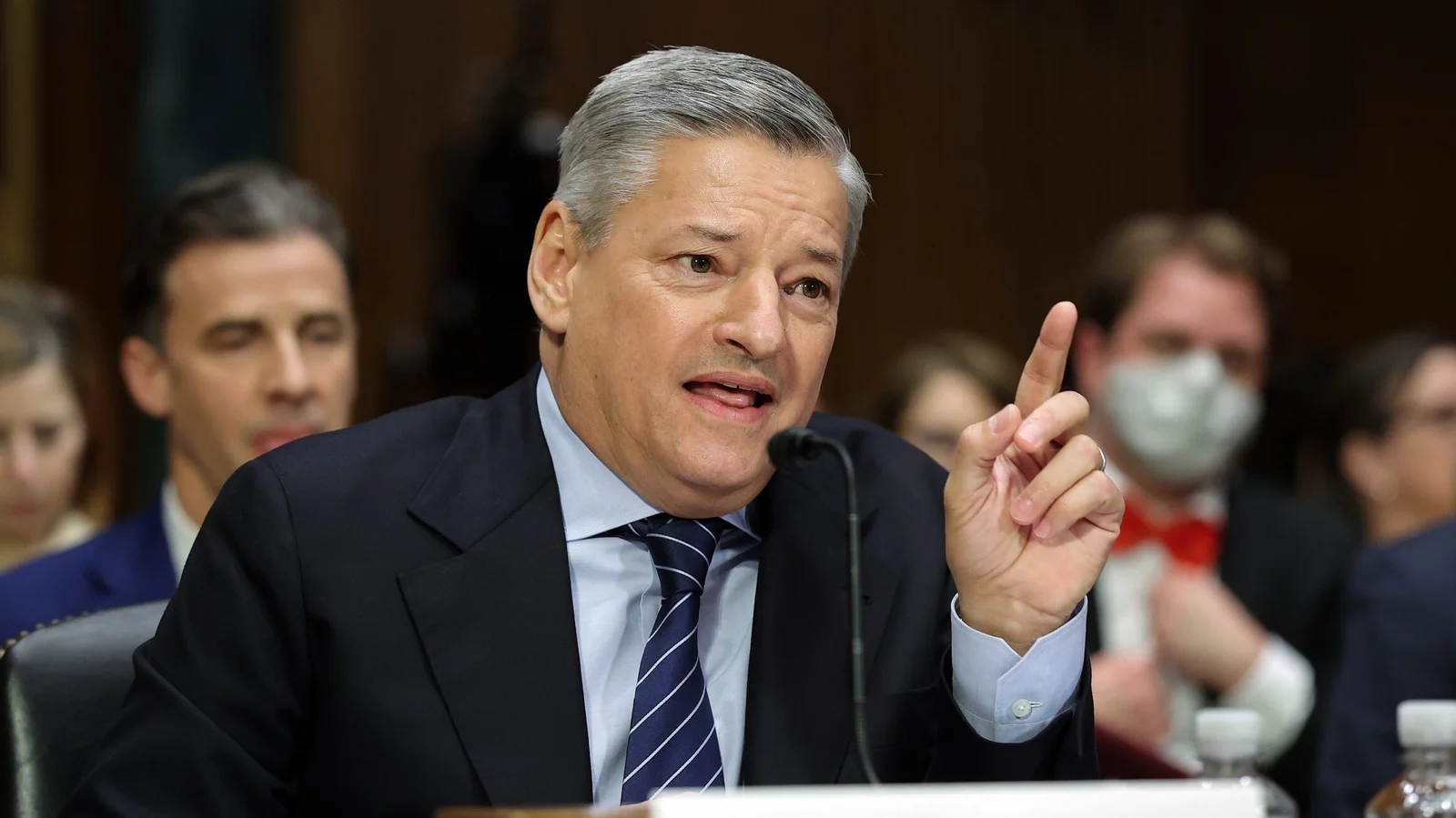
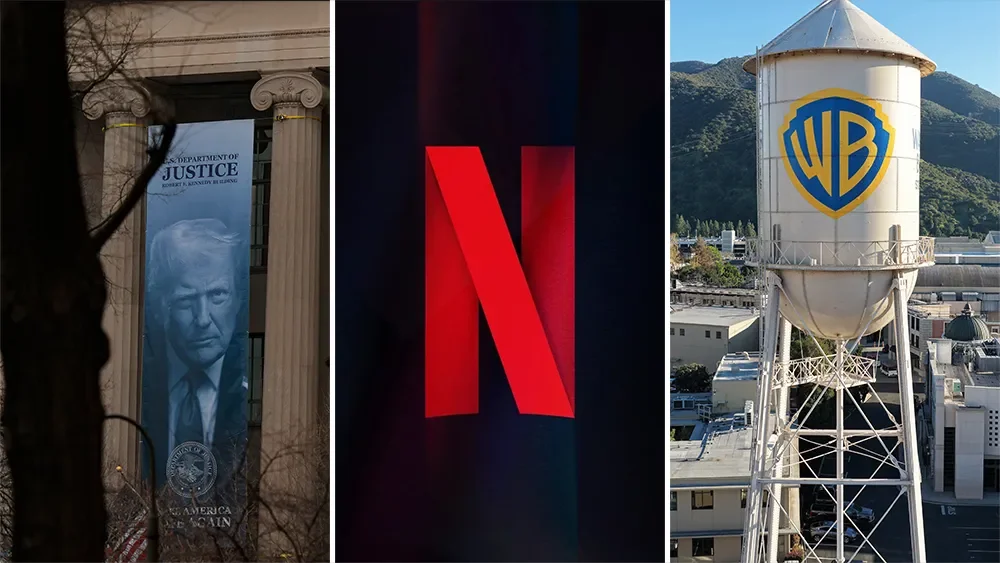
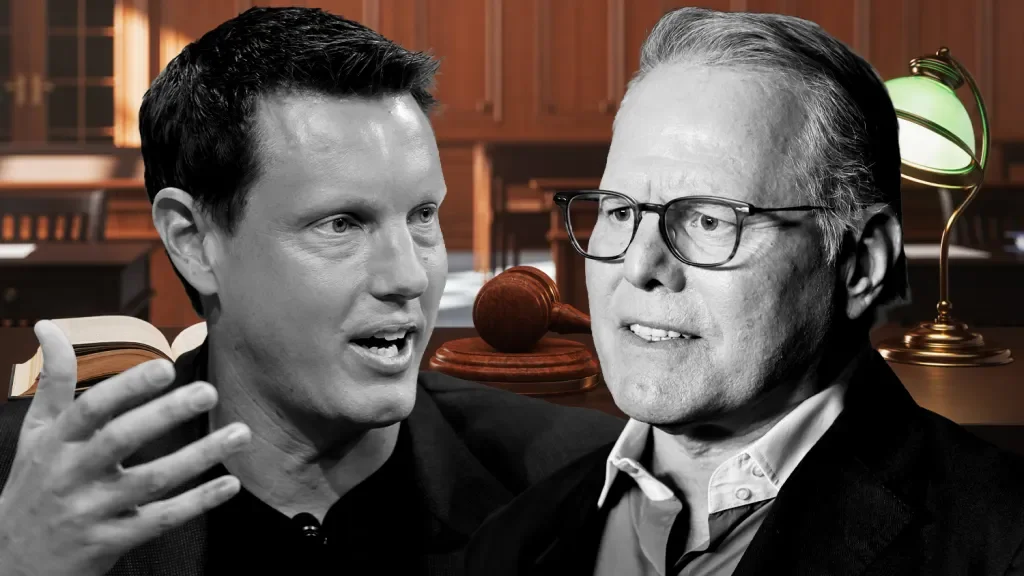
Netflix co-CEO Ted Sarandos is heading to the White House to press administration officials on Netflix’s bid to acquire Warner Bros. Discovery’s assets, as Paramount’s revised offer and DOJ antitrust scrutiny heat up the WBD deal; the visit—his second DC trip in weeks—highlights the high-stakes battle over WB’s streaming and film assets, with Sarandos stressing the deal is regulatory rather than political.
Nearly a dozen Republican state attorneys general are urging the U.S. Department of Justice to subject Netflix’s planned $83 billion acquisition of Warner Bros. Discovery to a thorough Clayton Act review, warning the deal would concentrate market power, raise prices, and curb innovation for American consumers; the DOJ has opened a formal antitrust probe into Netflix’s bid, while Paramount’s Ellison attended the State of the Union and Democrats have their own concerns. Netflix says its competition is YouTube and denies it would monopolize the market, and both Netflix and Paramount declined to comment.
A new Wall Street theory suggests Netflix may be leveraging its Warner Bros. Discovery deal not to win the company, but to block Paramount Skydance by dragging out antitrust review and time the spin-off of Global Networks, potentially enabling Netflix to scoop Warner IP while PSky’s bid faces regulatory hurdles. Netflix denies the tactic, saying it is already in process with the DoJ and EU regulators as both sides move forward with filings, but the bid and regulatory fight leave the outcome uncertain.
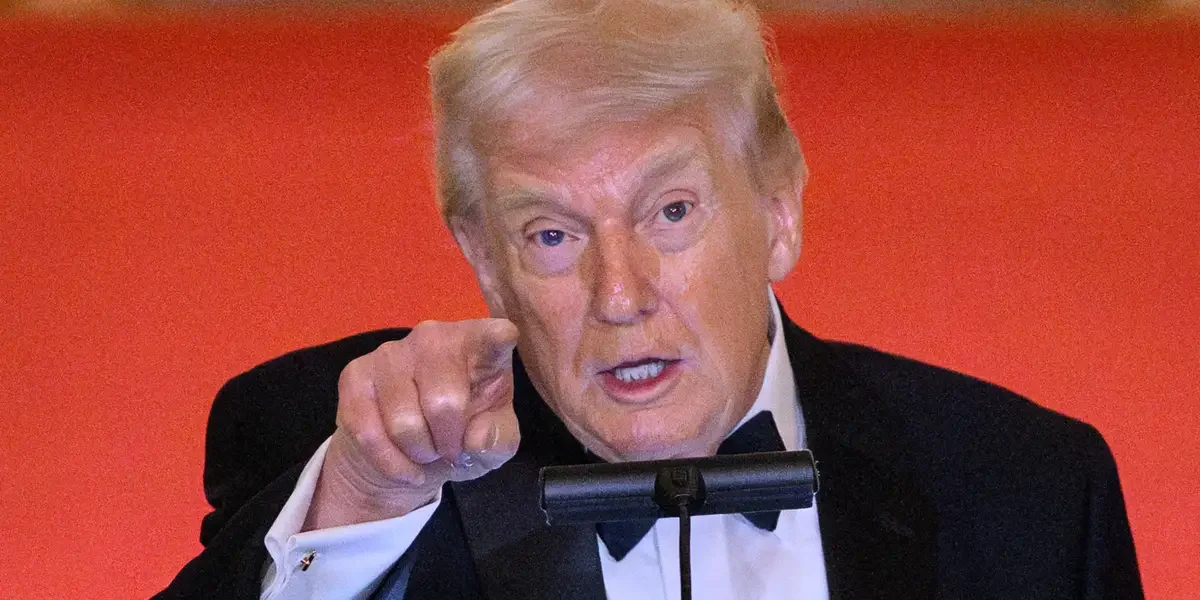
President Trump is pressuring Netflix to fire board member Susan Rice as a condition around Netflix’s bid to acquire Warner Bros. Discovery, signaling a new norm of presidential involvement in corporate governance. Netflix seeks Trump’s approval for the deal, while Trump has indicated possible antitrust action via the DOJ, underscoring the contentious and unpredictable overlap of politics and big business.
The Department of Justice has opened an antitrust inquiry into Netflix’s bid for Warner Bros. Discovery, issuing a civil investigative demand to filmmakers and producers to gather documents and sworn responses to assess whether the deal could lessen competition or create a monopoly. The CID, issued under the Antitrust Civil Process Act, sets a March 23 deadline for responses as Warner Bros. Discovery shareholders prepare to vote on the deal. Netflix says it is not a monopolist and will cooperate, while the probe adds regulatory and political pressure amid the high-stakes merger battle with Paramount.
The Justice Department and Ohio Attorney General filed a civil antitrust complaint alleging OhioHealth used contract restrictions since 2003 to bar insurers from offering lower-cost plans, depriving patients of affordable options in the Columbus area where OhioHealth controls about 40% of the market across 16 facilities; the action follows years of investigation and signals ongoing scrutiny of dominant health systems.
Paramount says the Hart-Scott-Rodino waiting period for its unsolicited $30-a-share bid for Warner Bros. Discovery has expired, signaling no U.S. statutory obstacle to closing, but the deal still faces global regulatory scrutiny and a separate Netflix-led bid for WBD assets; the DOJ remains involved via a second information request and potential additional review, while WBD shareholders vote March 20 on the Netflix deal and spin-out, and lawmakers probe Paramount's Trump-era contacts—leaving the ultimate outcome still uncertain.
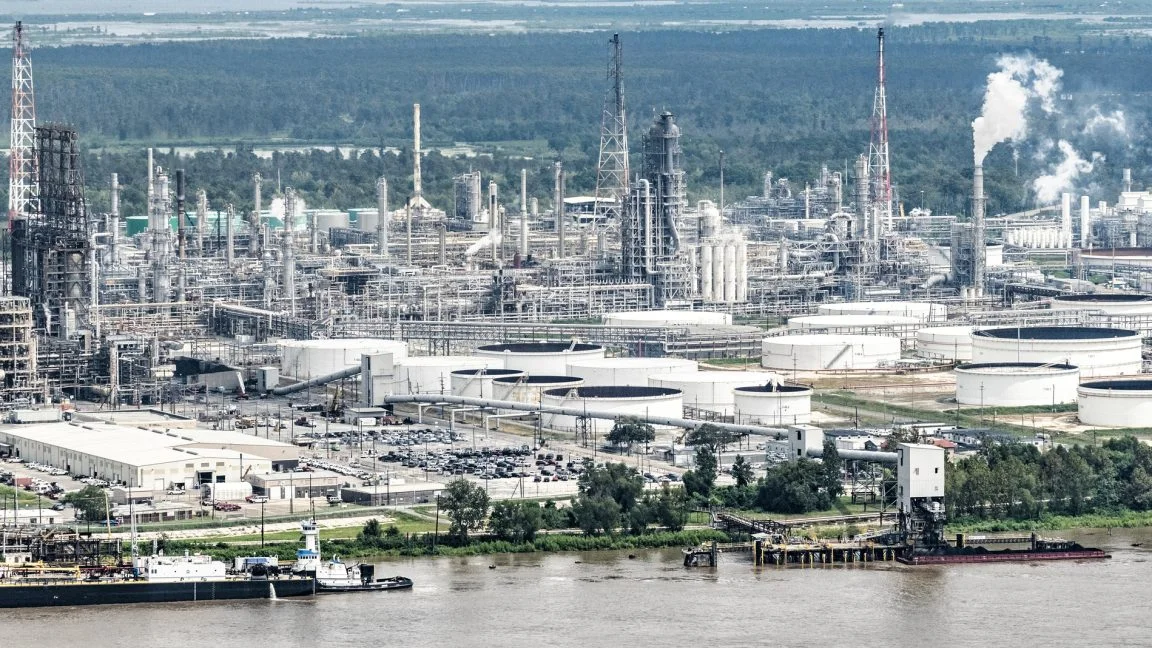
Michigan Attorney General Dana Nessel filed a federal-state antitrust lawsuit against BP, Chevron, ExxonMobil, Shell and the American Petroleum Institute, accusing a cartel-like conspiracy to delay the adoption of cleaner technologies (solar power and electric vehicles) to protect fossil fuels and keep energy costs high. The complaint frames an antitrust violation rather than climate misinformation, but experts say proving an actual agreement and damages will be challenging and could hinge on discovery; the suit faces potential motions to dismiss and questions of timing. The case echoes other climate lawsuits and comes amid a broader push in Congress for liability shields for oil interests.
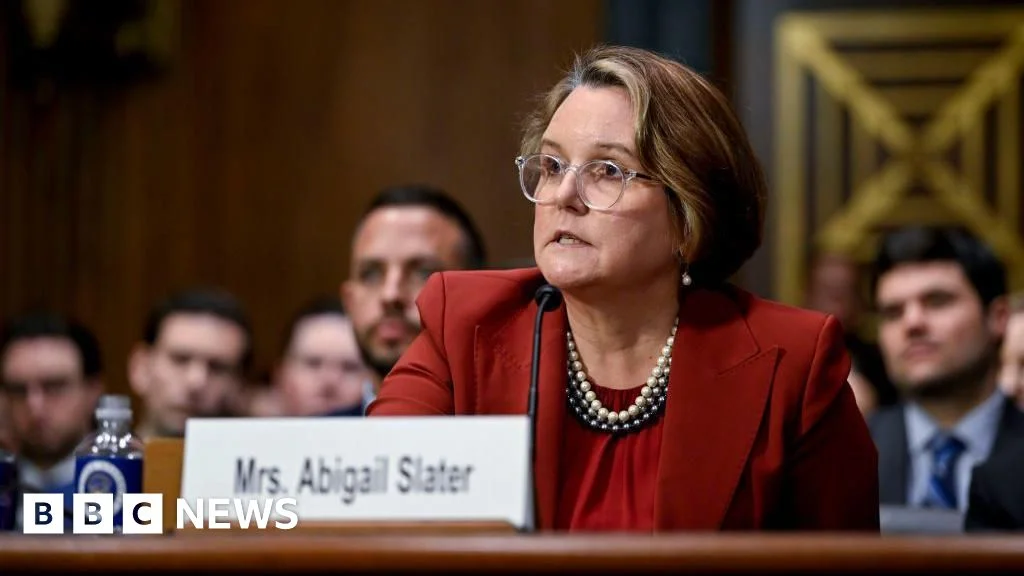
With Gail Slater ousted, the White House signals a pro‑merger shift, reviving remedies and inviting dealmaking with fewer hurdles—backed by MAGA lobbyists while populists push back—while tech enforcement pivots toward AI and 2025 merger investigations stayed near a record low, suggesting dealmaking is back on the table under the current administration.
The abrupt resignation of Gail Slater, the DOJ’s top antitrust official, has sparked fears among Trump supporters and others that corporate influence is corroding the populist antitrust agenda, threatening enforcement against major tech firms and high-profile mergers such as Ticketmaster-Live Nation and other antitrust cases.
The European Commission approved Universal Music Group's $775 million acquisition of Downtown Music Holdings, but only after UMG agreed to divest Curve Royalty Systems to an independent buyer to address data-access and competition concerns; the deal will expand Virgin Music Group with Downtown assets like FUGA, CD Baby and Songtrust after a lengthy review that faced indie opposition.
Gail Slater, the Trump-appointed head of the Justice Department’s Antitrust Division, resigns amid reported clashes with higher-ups over enforcement decisions and a broader leadership shake-up within the division, with ongoing cases against major firms like Live Nation, Visa, and Apple potentially affected.
Google is reportedly planning a 100-year bond in British pounds after a 50-year issue, paying about 1 percentage point more than U.S. Treasuries to borrow for a century—an indication that investors view Google as nearly as safe as a nation-state after its antitrust remedies. The piece notes Google’s 2025 net income of about $132 billion and planned $185 billion in 2026 capex to boost AI, and discusses how regulators’ actions have shaped investor trust, while Google contends the remedies were flawed and is appealing the ruling.
Settlement talks between Live Nation and the DOJ are widening fractures inside the Trump administration over antitrust enforcement, with non-antitrust officials negotiating and potentially sidelining antitrust chief Gail Slater ahead of a March trial, as states and the FTC continue separate actions against the company.