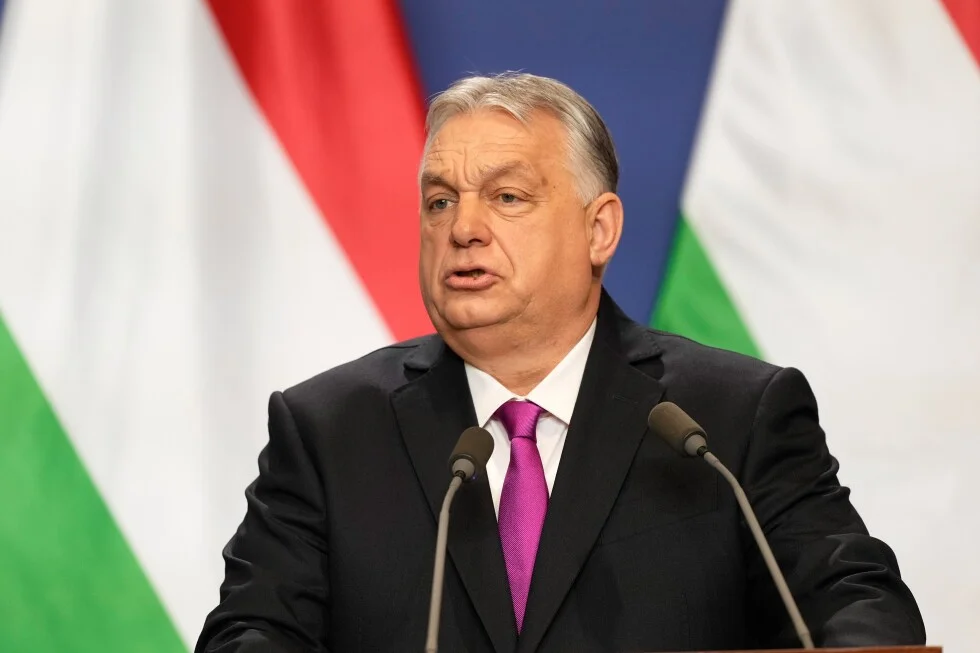
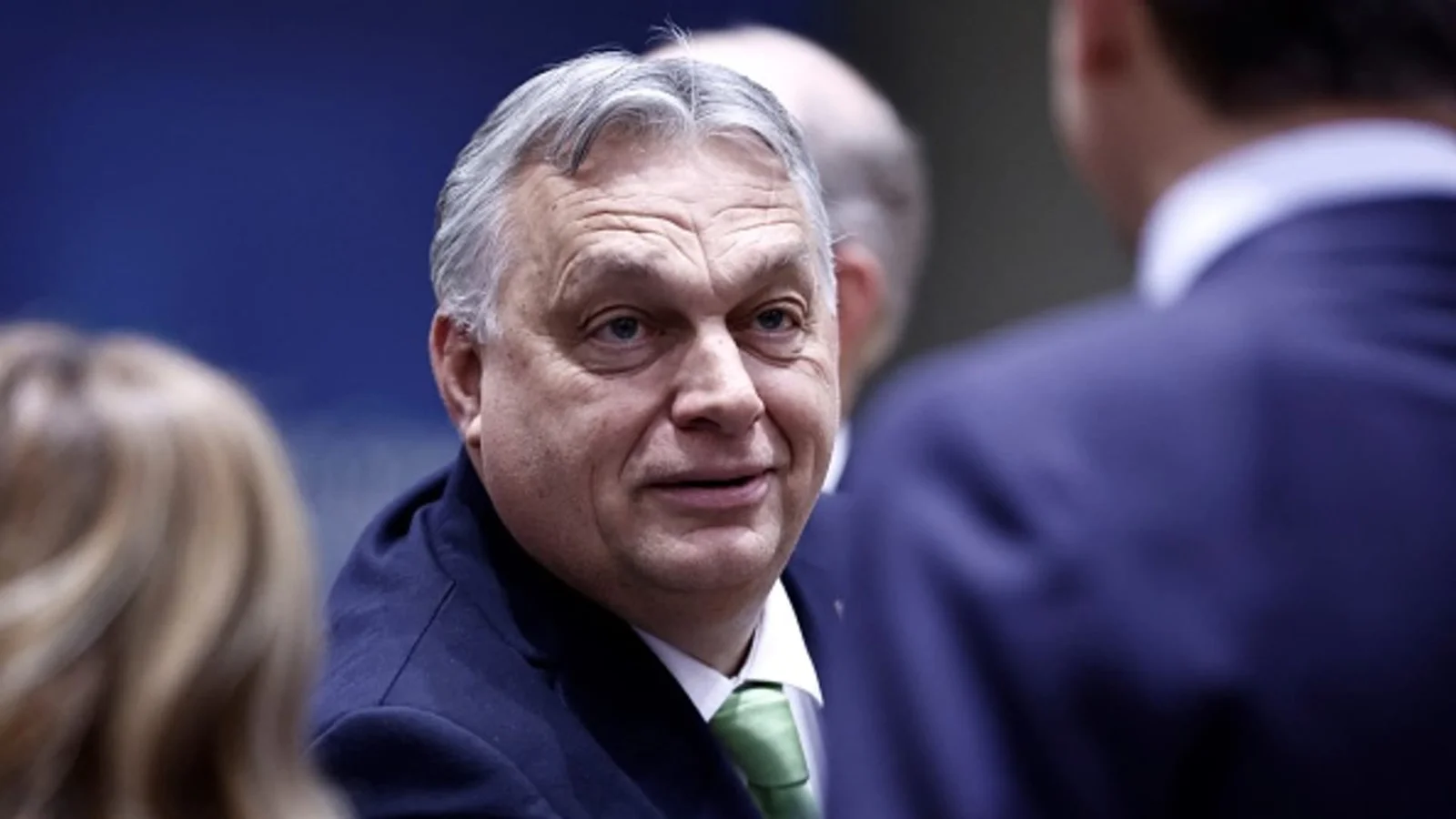
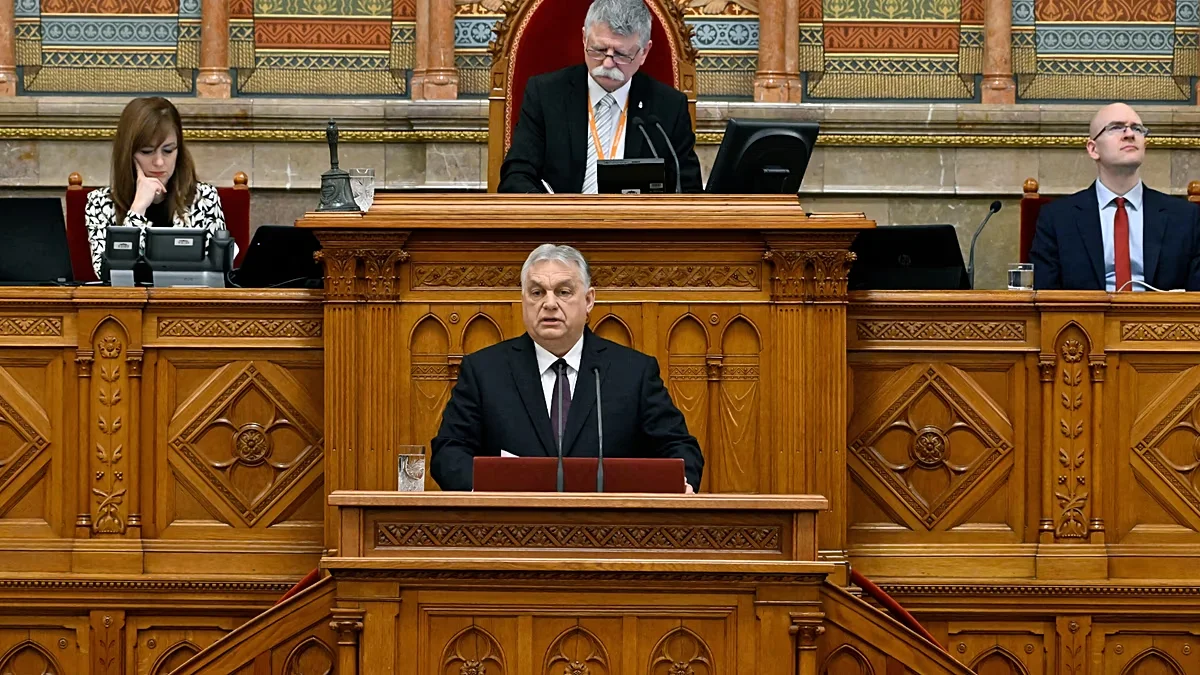
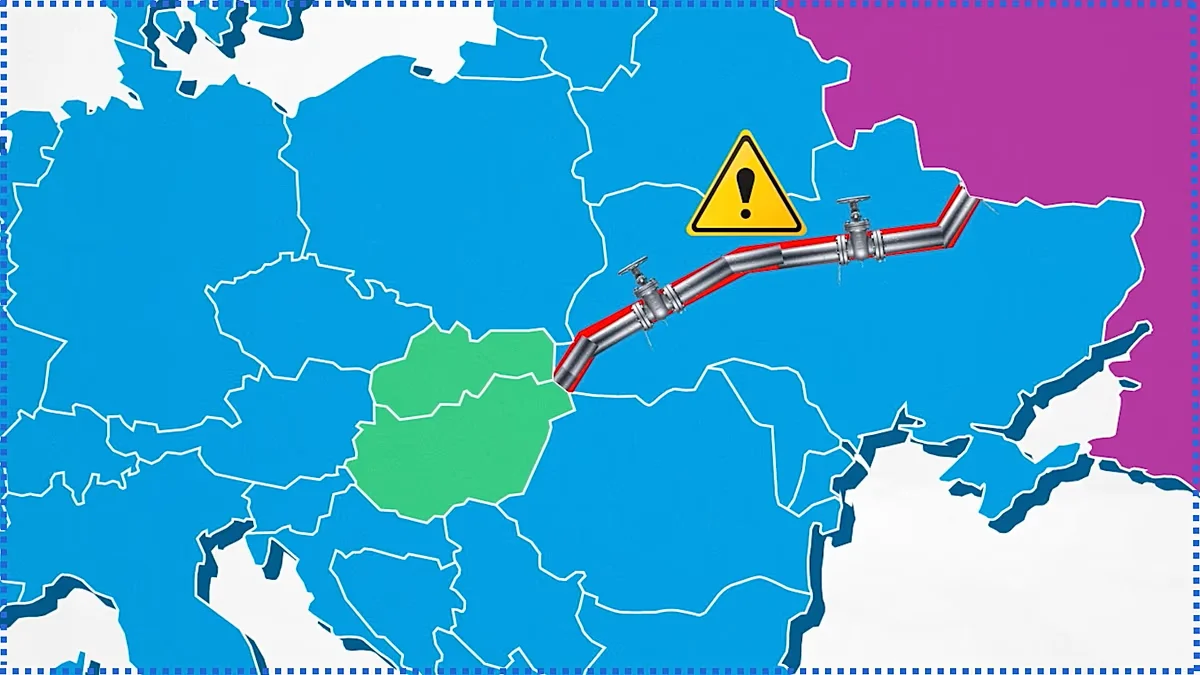
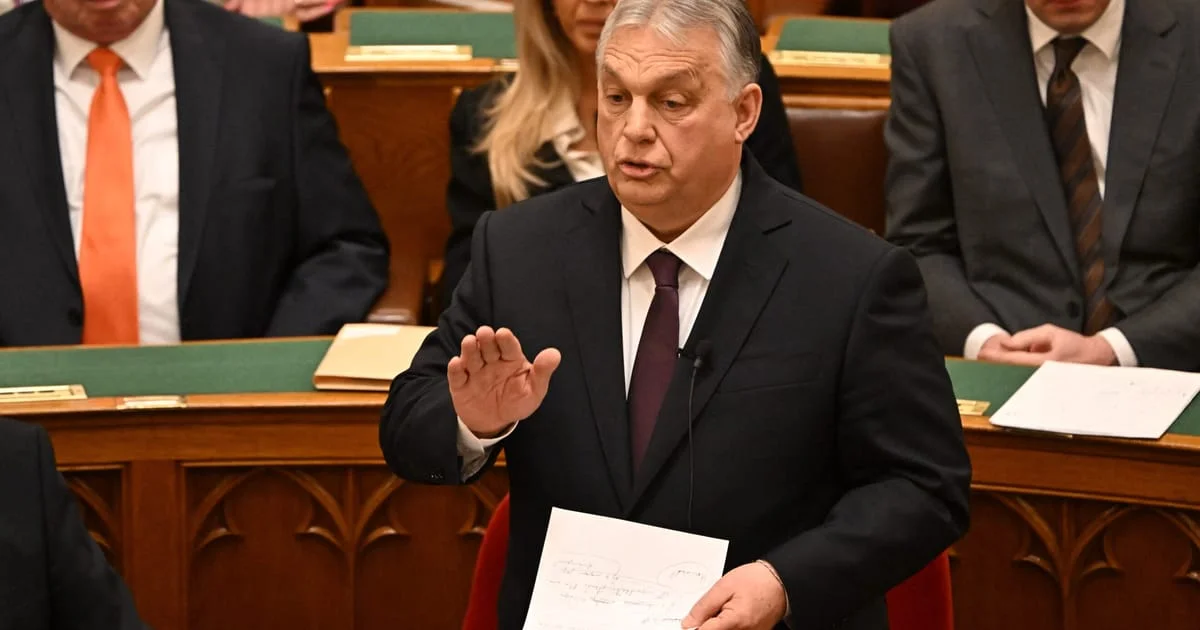
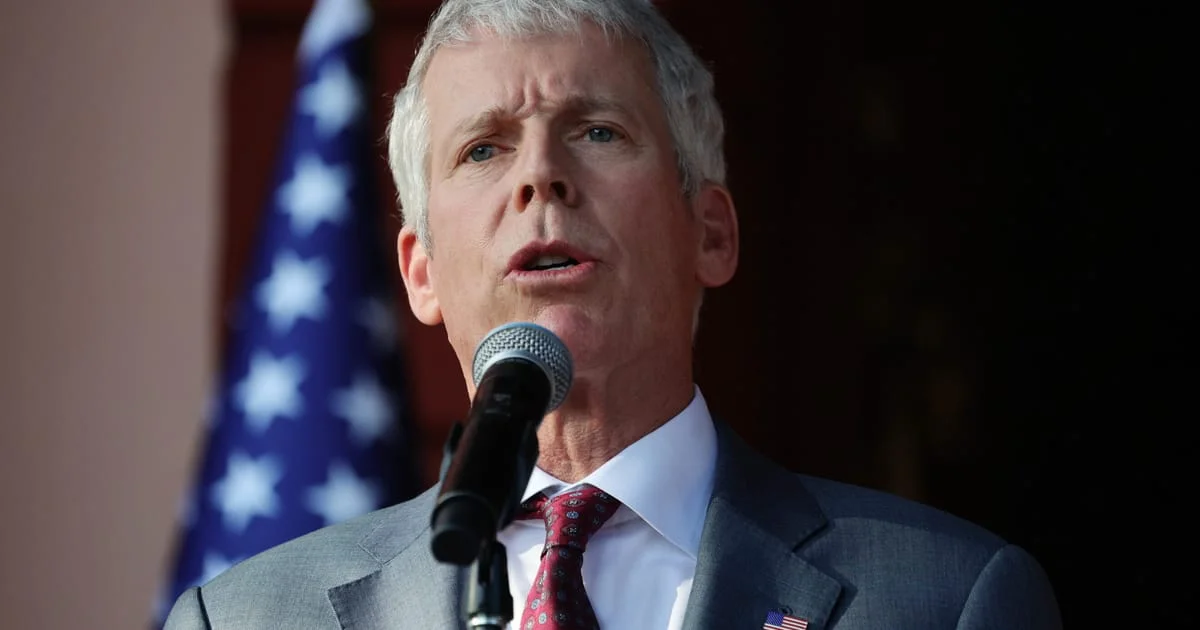
Hungarian Prime Minister Viktor Orbán says Ukraine plans to disrupt Hungary’s energy system and has ordered heightened security around critical energy sites, as he campaigns against Ukraine ahead of April elections; Kyiv denies the energy-disruption claims and cites Russian attacks on the Druzhba pipeline.
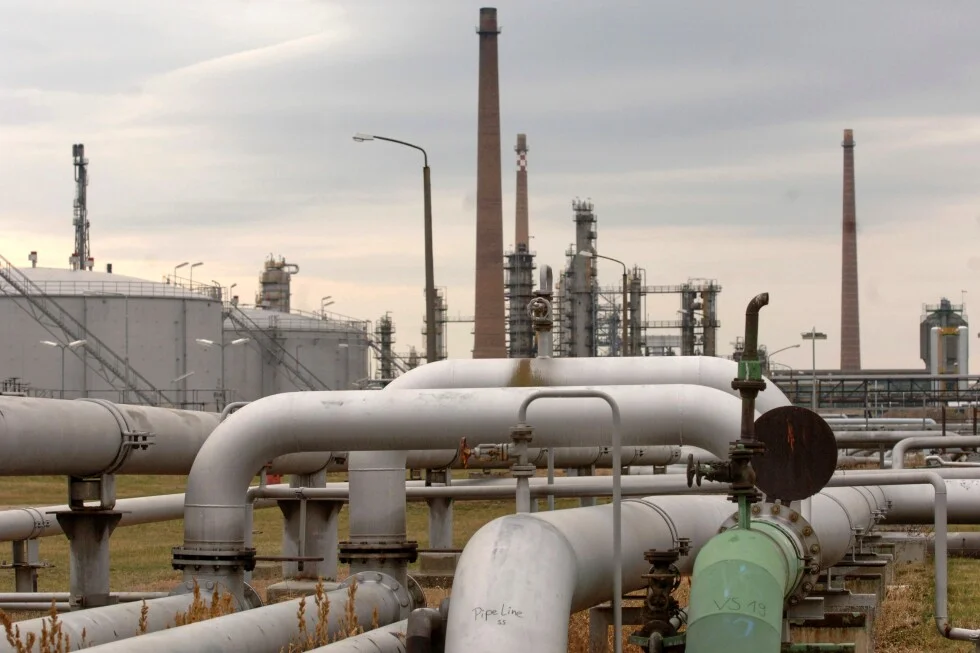
Hungary's Prime Minister Viktor Orban accused Ukraine of an 'oil blockade' by delaying the Druzhba pipeline's reopening after a Russian strike, and said soldiers and police would be deployed to protect critical energy infrastructure ahead of April elections; Kyiv has not publicly responded, and the dispute underscores Hungary's energy ties to Russia amid EU sanction tensions, with Hungarian officials also alleging Ukrainian involvement in energy sabotage but offering no evidence.
Hungary’s prime minister Viktor Orbán accuses Kyiv of an oil blockade by delaying the Druzhba pipeline’s reopening, saying soldiers have been deployed to protect energy facilities. Kyiv says the line was shut after Russian strikes, while EU officials note non-Russian crude can cover Hungary and Slovakia. The dispute adds pressure ahead of Hungary’s elections as both countries navigate energy security and alternate supply routes.
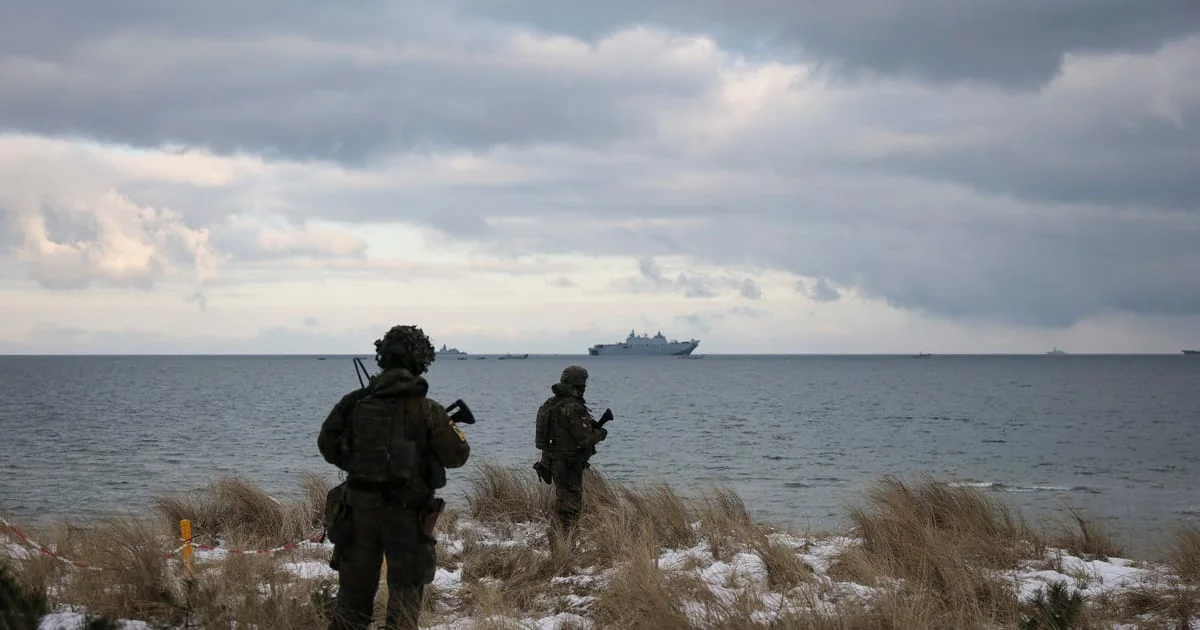
Hungary's Prime Minister Viktor Orbán ordered heightened protection of critical energy infrastructure and deployed soldiers to guard priority facilities, arguing Kyiv may take actions to disrupt Hungary's energy system while banning drone flights in Szabolcs-Szatmár-Bereg county as police increase border-area patrols. The move follows reports that no Russian oil has been delivered to Hungary via the Druzhba pipeline since Jan 27.
On the fourth anniversary of Russia’s invasion, the G7 leaders reaffirm unwavering support for Ukraine’s sovereignty and back a peace process with Russia, including security guarantees via the Coalition of the Willing and continued humanitarian and financial aid. They highlight substantial energy assistance, with more than 2,500 generators and other equipment sent to Kyiv since January and over €500 million pledged to the Ukraine Energy Support Fund, to bolster the energy system ahead of winter. They also commit to nuclear safety work with the EBRD, including rehabilitation of the Chornobyl containment arch, and support the return of Ukrainian children and ongoing humanitarian aid.
A disruption on the Druzhba oil pipeline—the so‑called 'Friendship' line—has become a flashpoint in Europe: Hungary and Slovakia halted their diesel exports to Ukraine, Ukraine struck a Russian pumping station feeding the line, and Hungary’s Orbán threatened to block a €90 billion EU loan to Kyiv. The EU is holding emergency talks with Hungary, Slovakia and Croatia to find alternative routes as Croatia resists Russian oil flows, underscoring how energy infrastructure is closely tied to geopolitics amid the Ukraine war.
EU will allocate 113 million euros from its long-term budget to Latvia, Lithuania, Estonia, and Poland to harden power grids against Russian attacks, financing physical barriers, anti-drone and cyber defenses, protective troops, and rapid repair teams. While the sum is modest and time-limited, officials say it signals EU commitment to energy security and will complement domestic spending as cross-border projects aim to reduce single points of failure across Europe.
Hungary's Viktor Orbán vows to veto the EU's €90 billion Ukraine loan until Kyiv restarts oil deliveries via the Druzhba pipeline, arguing the move requires a political decision by Ukraine and citing new circumstances. EU Council President António Costa presses Kyiv to unblock the loan and warns that delay could undermine EU decisions, as Kyiv faces a cash shortfall with an April deadline. Costa will travel to Ukraine with Ursula von der Leyen amid Hungary's election season.
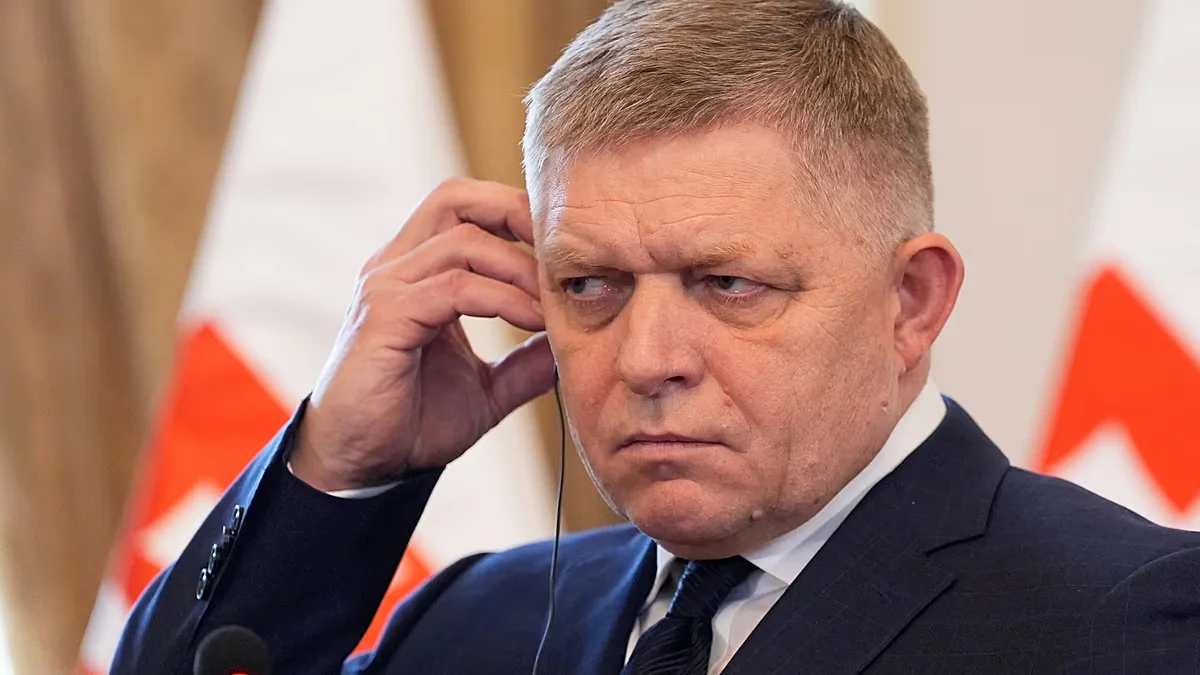
Bratislava halted emergency electricity supplies to Kyiv after Kyiv did not restore Druzhba oil transit, as Slovakia and Hungary pressed Kyiv on oil flows; Prime Minister Robert Fico warned of further measures, including reevaluating support for Ukraine’s EU bid. Ukraine condemned the move as blackmail as the Druzhba pipeline remains disrupted after a Russian drone attack, with Kyiv proposing alternative routes and ongoing repairs while Slovakia declares an oil emergency to secure domestic supply.
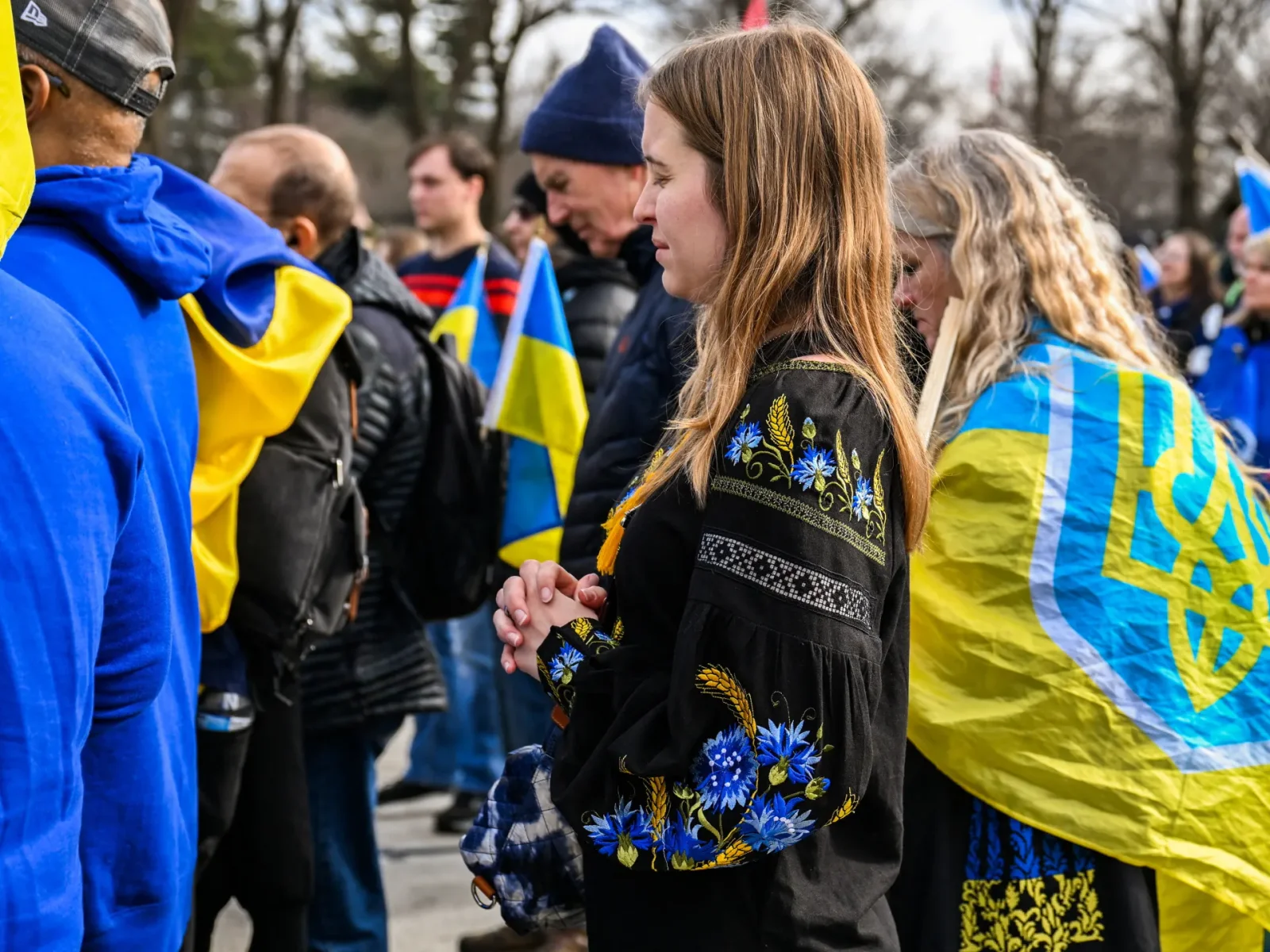
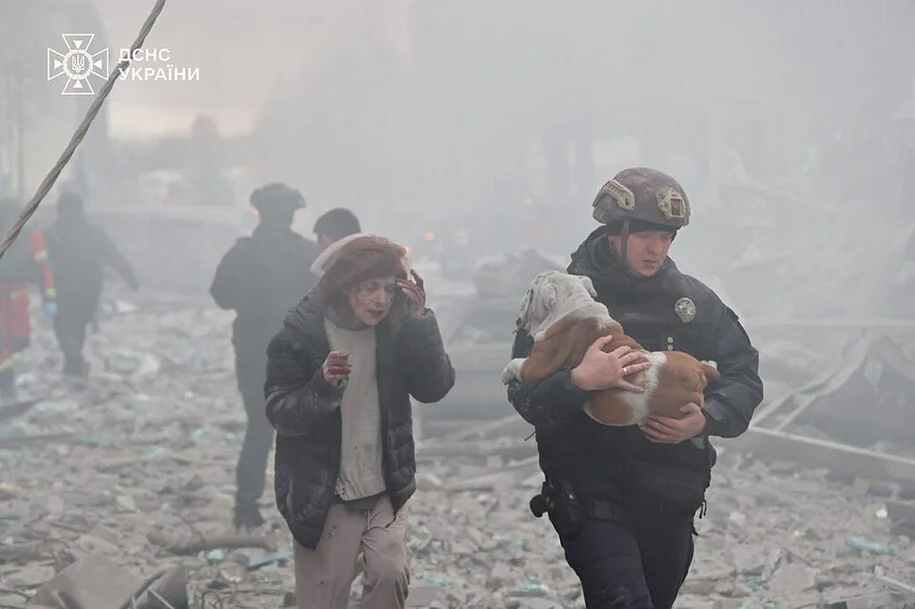
On day 1,459 of Russia’s invasion, new attacks across Sumy, Zaporizhia, Dnipropetrovsk, Donetsk and Kherson wounded civilians and forced evacuations, while a Mondelez facility in Sumy was hit. Ukraine claimed strikes on Russian targets including a missile plant and a gas plant. Zelenskyy pursued diplomacy with Western partners and energy coordination, and demonstrators in Washington, Paris, and Prague showed support ahead of the invasion anniversary. Kyiv also imposed sanctions on about 225 ship captains linked to Russian oil. Energy tensions persisted with Slovakia and Hungary threatening electricity or oil transit stoppages, highlighting regional energy-security concerns. A Czech official said 200 reconnaissance drones were transferred to Ukrainian brigades, and UK/EU leaders discussed further support.
At a two-day Paris ministerial, the United States pressured the International Energy Agency to drop climate change from its main priorities and refocus on energy security, resilience, minerals, and electricity systems. The chair’s summary removed climate as a top priority, signaling Washington’s influence over the agency and marking a sharp departure from the prior emphasis on climate action and fossil-fuel phaseouts, though a COP28-aligned line on the energy transition was noted.
Hungary said it will suspend diesel shipments to Ukraine until disruptions to Russian oil supplies via the Druzhba pipeline crossing Ukrainian territory are resolved, with Foreign Minister Péter Szijjártó blaming Kyiv (a claim Ukraine denies). Hungary says its energy security is intact with reserves for more than three months, even as Europe tightens Russian oil imports. The country later sought to reroute Russian oil through the Adria pipeline via Croatia, but Croatia pushed back, underscoring tension over Central European energy supply.
Western sanctions are squeezing Russia’s oil trade: January seaborne exports slipped to about 3.4 million barrels per day from 3.8 mbpd in December, with February tracking around 2.8 mbpd, while Russia-held oil on ships rose to a record above 150 million barrels. Moscow has redirected crude to China, India and Turkey via a shadow fleet, but EU bans on refined Russian fuels and tighter US measures are reducing demand. If wells are shut for extended periods, restarting production won’t be easy, suggesting sanctions could force Russia to cut output despite past resilience.
U.S. Energy Secretary Chris Wright threatened to pull the United States from the International Energy Agency unless it drops its climate-focused energy-transition agenda and focuses on energy security, calling net-zero scenarios “ridiculous” and accusing the agency of acting as a climate advocacy group; the stance signals a continuing clash with the Trump administration’s fossil-fuel policy ahead of an IEA ministerial in Paris.
Russia’s hybrid warfare appears to be escalating as cyberattacks hit about 30 energy facilities in Poland, threatening a major blackout during a cold snap and signaling broader European subversion beyond Ukraine. The incidents reportedly point to the involvement of Russia’s security services (FSB), highlighting a bold expansion of Moscow’s clandestine strikes against critical infrastructure.