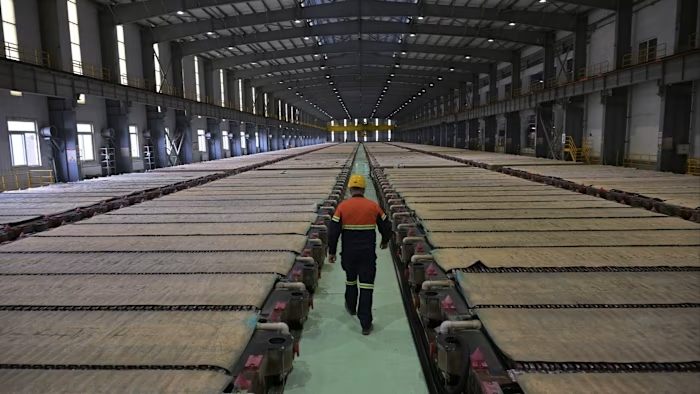
A significant copper shortage is projected to pose a systemic risk to global economic growth by 2040, driven by increased demand from the energy transition and AI sectors, with supply struggling to keep pace, potentially threatening technological progress and infrastructure development.
The article discusses the ongoing global debate over transitioning from fossil fuels to renewable energy, highlighting efforts like the proposed road maps for a just and orderly energy transition, the geopolitical tensions between petro-states and electro-states, and the key developments expected in 2026, including negotiations at COP31 and initiatives by countries like Brazil, Norway, and the EU.
Southeast Asian countries like Vietnam, the Philippines, and Indonesia are gradually shifting from fossil fuels to renewable energy sources, supported by policy reforms and significant investments, including a $4.6 billion influx in 2024, aiming to reduce emissions and meet ambitious renewable energy targets by 2030 and 2040.
The global gas industry remains optimistic about its future role in supporting growth and social progress, with a special focus on LNG innovations and upcoming industry events like LNG2026 in Doha, Qatar.
Meg O’Neill, a seasoned energy executive and the first female CEO of BP, is seen as a transformative leader poised to steer BP away from green energy and back towards fossil fuel production, leveraging her extensive experience in the oil industry and her reputation as a 'hard-nosed' outsider.
Germany has launched a 30 billion euro fund, Deutschlandfonds, to attract around 130 billion euros in private investment for energy, industrial, and tech sectors, using guarantees and loans to de-risk investments and support economic transformation.
BP has appointed Meg O’Neill, CEO of Woodside Energy, as its new CEO, marking a shift back to focusing on core oil and gas businesses after a period of green energy emphasis. She will succeed Murray Auchincloss, who will step down, with interim CEO Carol Howle taking over until April. This leadership change is seen as a move to stabilize BP and refocus on its traditional strengths amid recent underperformance and strategic reset efforts.
The International Energy Agency predicts that global oil and gas demand could continue to grow until 2050 under current policies, with no peak expected before then, and warns that the world is unlikely to meet the 1.5°C temperature rise limit without significant technological advancements. Despite recent shifts towards clean energy, existing policies suggest energy demand will increase, and LNG capacity is set to expand significantly, driven by rising power sector needs and data center growth.
The IEA's latest report indicates that global oil and gas demand will continue to rise through 2050 under current policies, with less momentum for emission reductions despite growth in renewables and electric vehicles, leading to minimal CO2 emission cuts and rising climate risks.
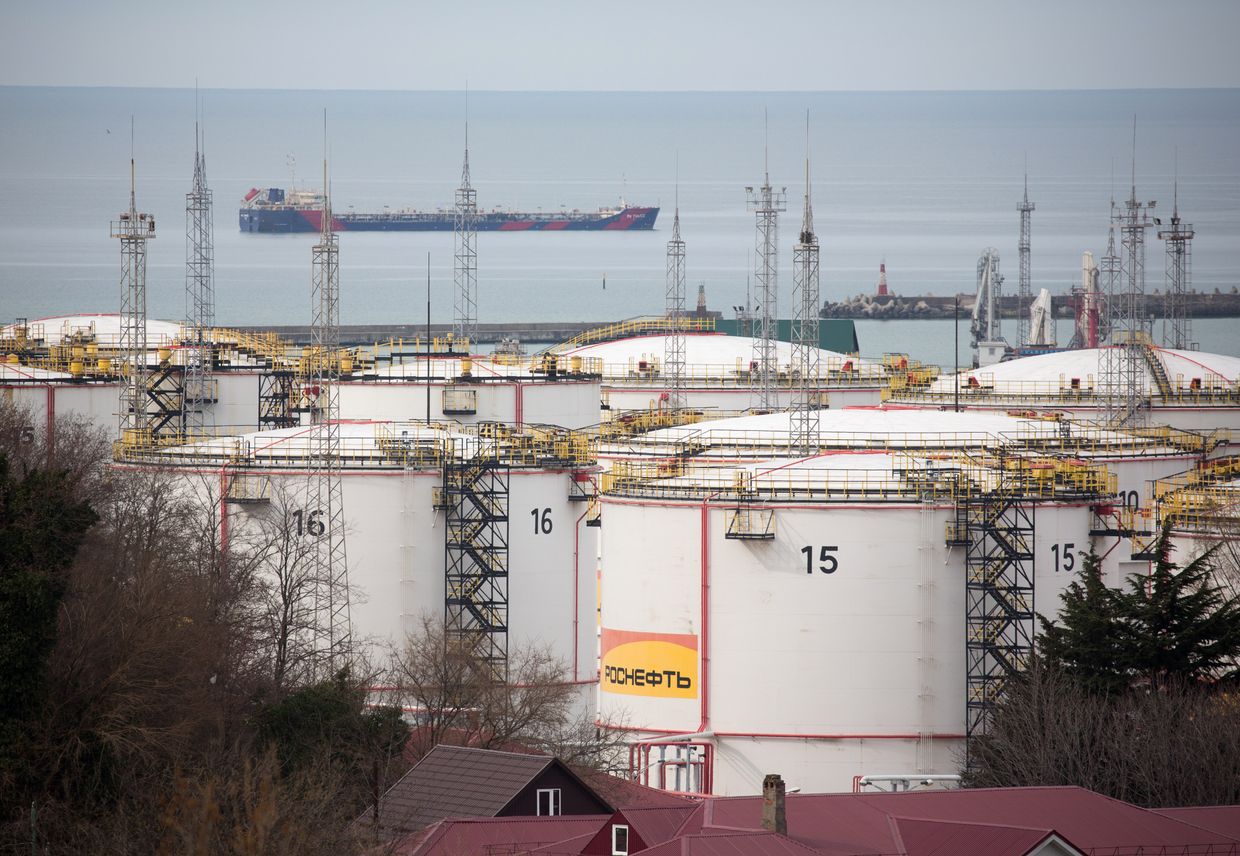
Russia's seaborne crude oil exports have sharply declined, the largest weekly drop since January 2024, following US sanctions on major Russian oil companies, leading to increased oil storage at sea and reduced exports to key buyers like India, China, and Turkey, amid broader geopolitical tensions and Europe's ongoing efforts to phase out Russian fossil fuels.
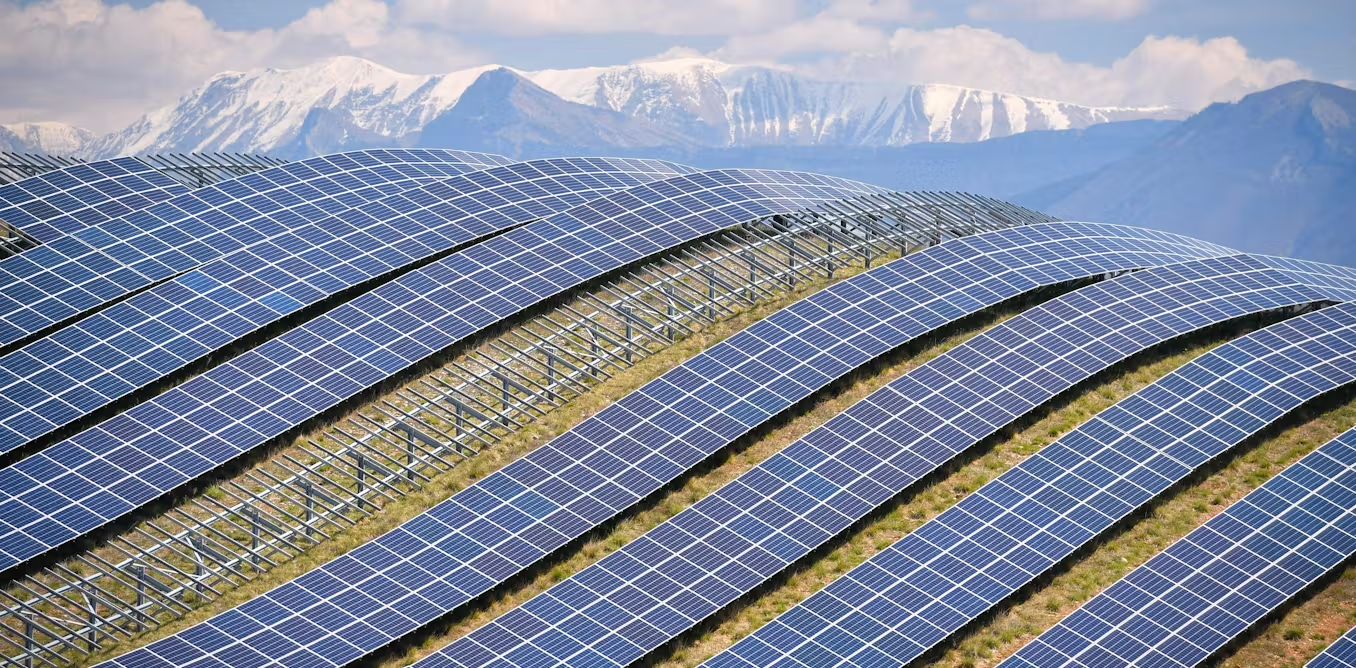
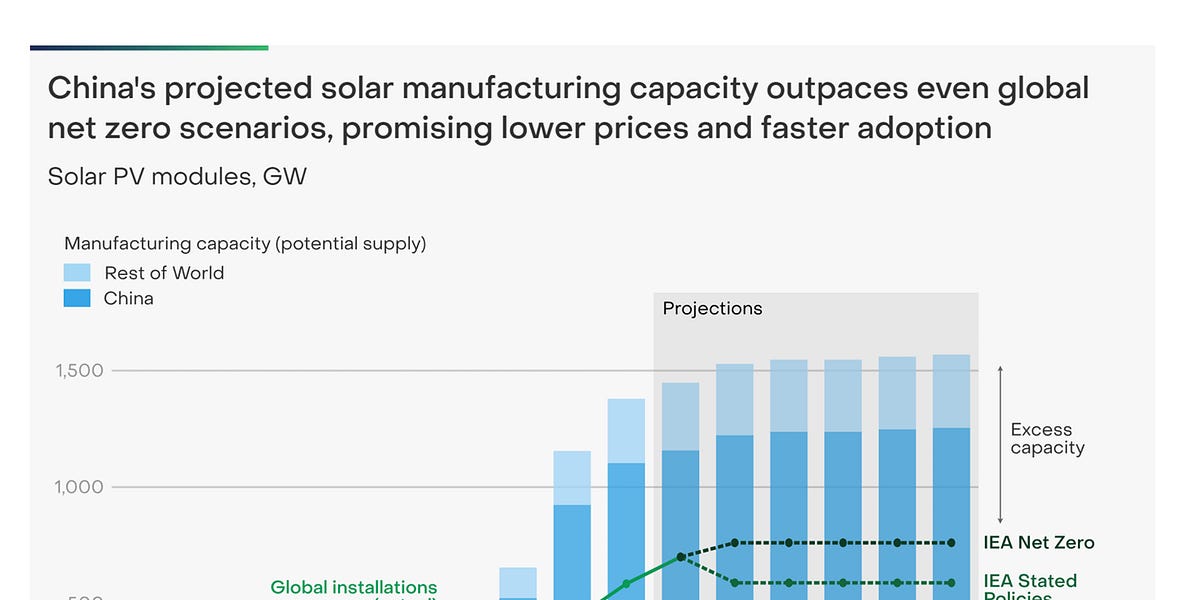
China's rapid expansion of renewable energy, especially solar PV, is a world-changing development that surpasses its needs and is intertwined with political legitimacy and state power, reflecting both achievements and complex geopolitical implications. The country's green energy build-out is a power move that consolidates CCP authority, advances technological innovation, and influences global energy systems, while also raising concerns about resource extraction, territorial control, and potential security risks.
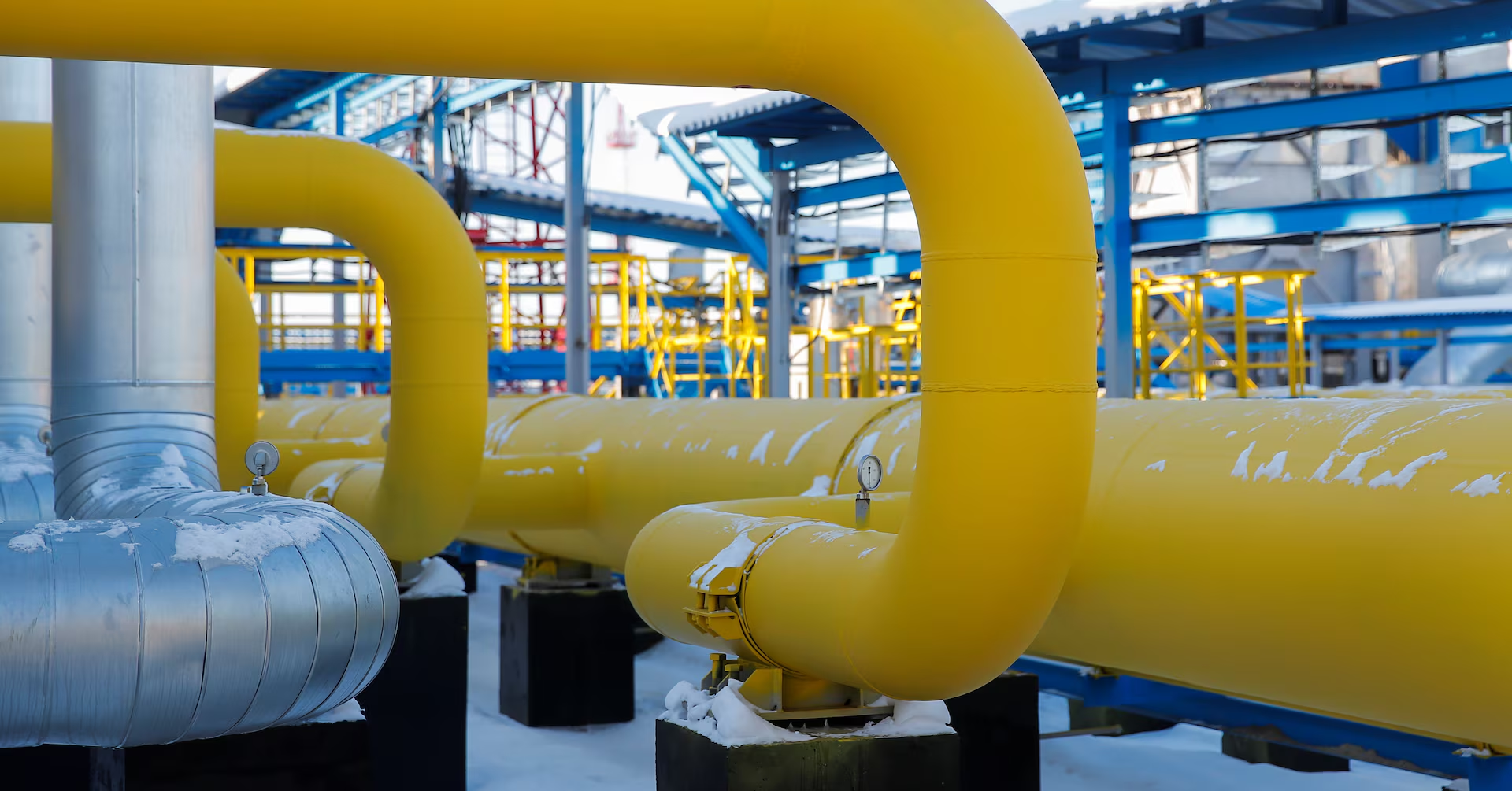
The EU has agreed to phase out Russian gas imports by January 2028, with plans to end new contracts by 2026 and existing ones by 2028, aiming to reduce Kremlin revenue amid ongoing Ukraine conflict, though final laws are still under negotiation and some countries like Hungary and Slovakia have expressed resistance.
Willie Cruz, a California oil refinery worker who earned $118,000 annually, faces uncertainty as multiple refineries in California close due to the state's shift away from fossil fuels, highlighting the need for effective support and retraining programs for displaced workers amid ongoing industry and policy changes.
California's shift away from fossil fuels is leading to refinery closures and potential job losses for thousands of oil workers, with ongoing debates about how to support displaced workers amid changing policies and market dynamics.
The Trump administration is seeking a 10% stake in Lithium Americas, which is developing the Thacker Pass lithium mine in Nevada, as part of renegotiating a $2.26 billion DOE loan, despite its criticism of the energy transition. GM, a major investor in Lithium Americas, has a significant stake and rights to buy future lithium production, which is crucial for EV manufacturing.