Tag

Climate Modeling

All articles tagged with #climate modeling

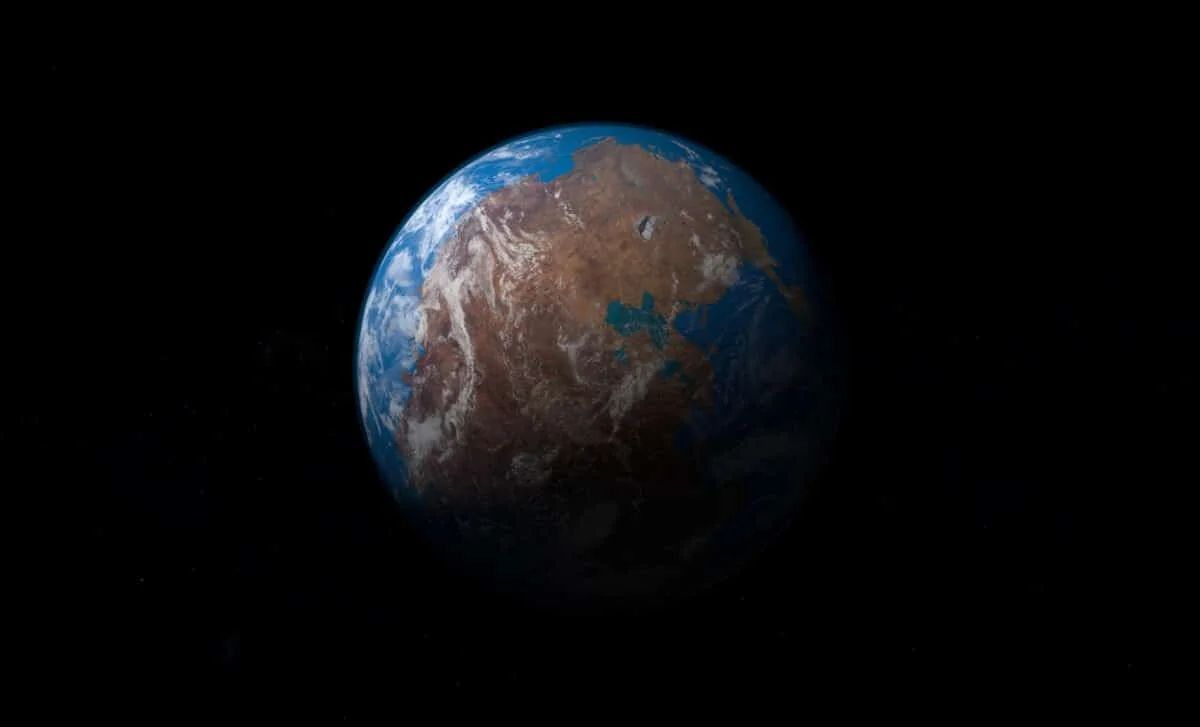
Exploring the Future of Human Habitats on Mars

Originally Published 3 months ago — by Universe Today

Featured image for Exploring the Future of Human Habitats on Mars
Source: Universe Today

Recent technological advances have shifted the debate on Mars terraforming from impossible to challenging, with proposals including warming the planet, creating liquid water, and introducing microbes to eventually establish a breathable atmosphere. Researchers emphasize the importance of careful research, ethical considerations, and understanding potential risks before attempting large-scale planetary transformation.

AI and Biology: Pioneering the Future of Scientific Innovation

Originally Published 6 months ago — by SingularityHub

Featured image for AI and Biology: Pioneering the Future of Scientific Innovation
Source: SingularityHub

AI is significantly advancing scientific research by enabling breakthroughs in protein structure prediction, brain mapping, materials science, climate forecasting, and fundamental physics, while also paving the way for autonomous laboratories and AI-driven hypothesis generation, despite some challenges in interpretability and understanding.

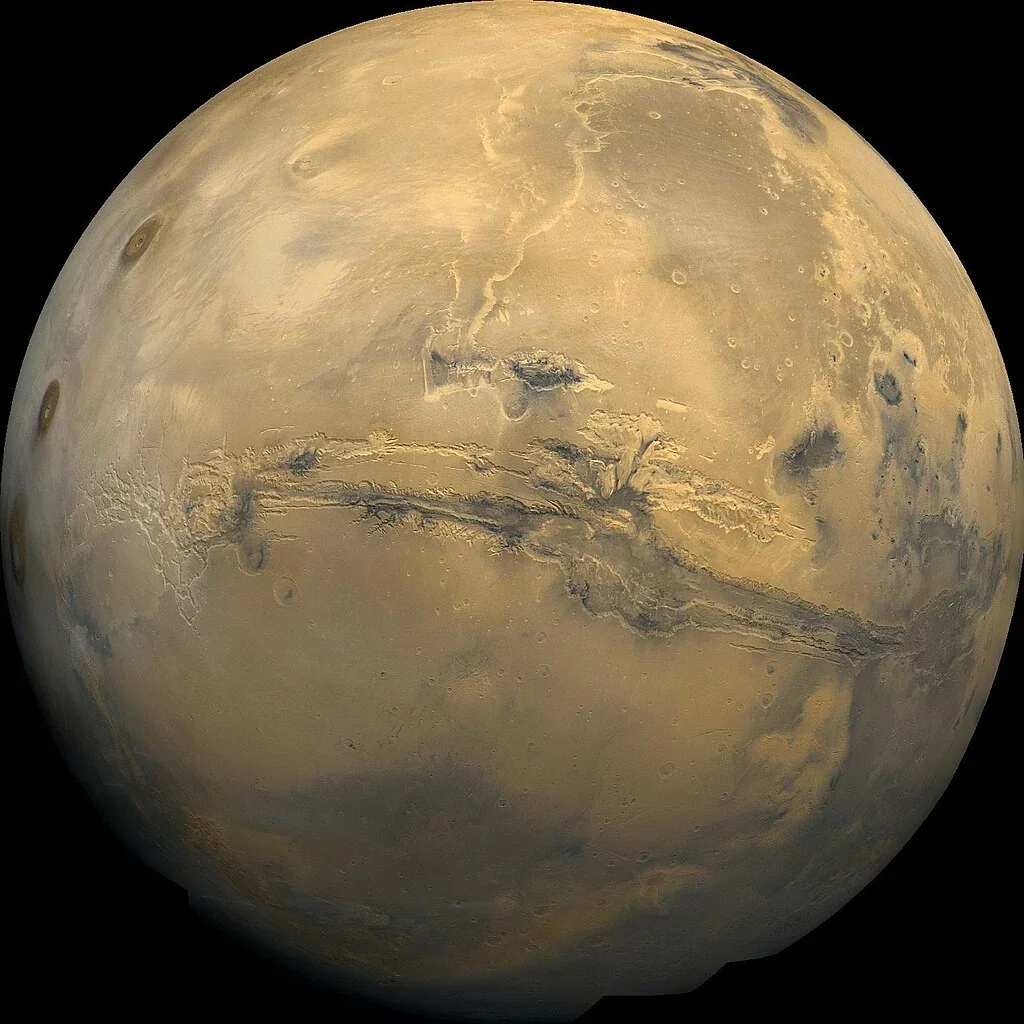
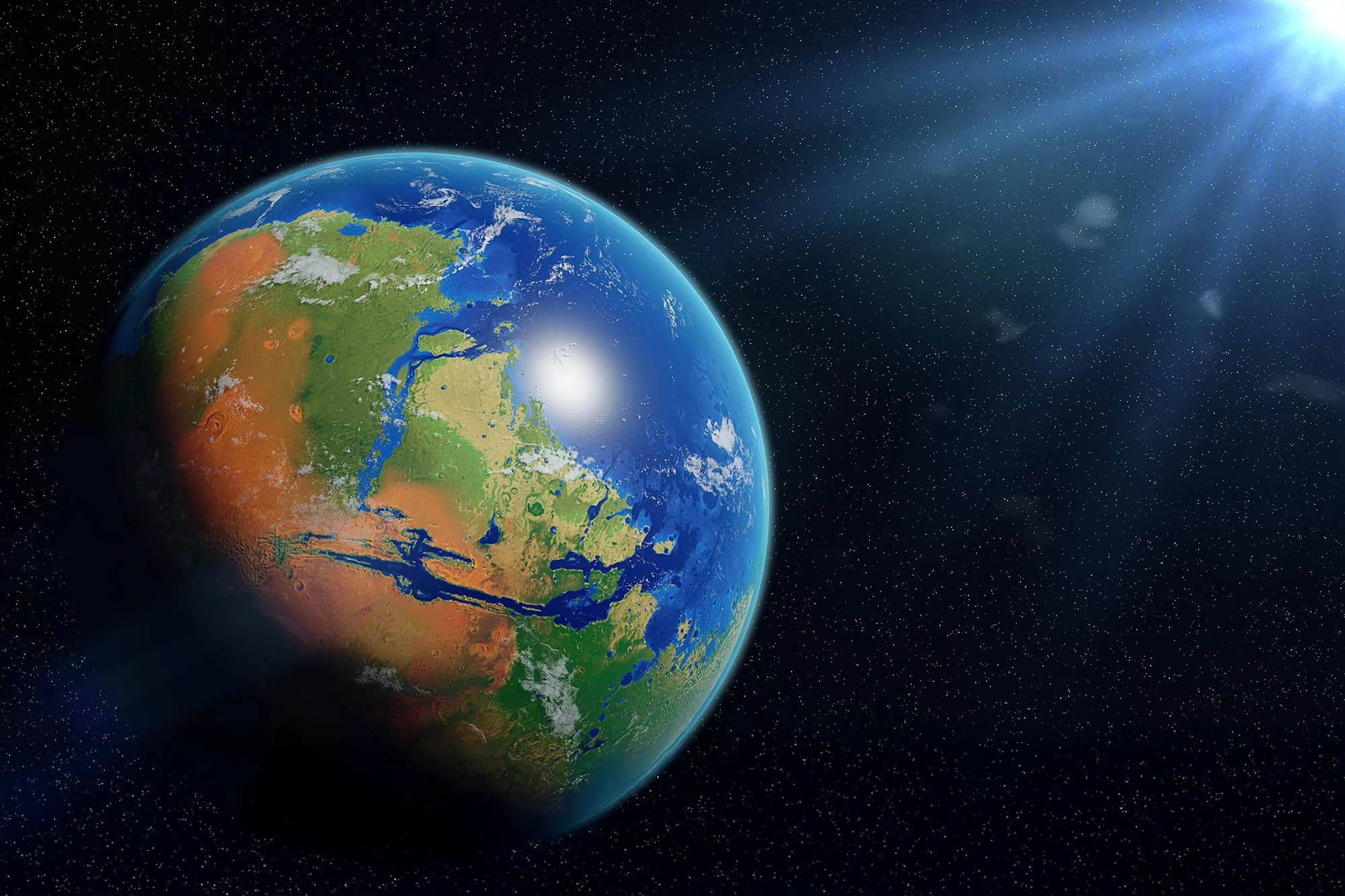
Scientists Outline 3-Step Plan for Terraforming Mars

Originally Published 7 months ago — by SciTechDaily

Featured image for Scientists Outline 3-Step Plan for Terraforming Mars
Source: SciTechDaily

Scientists propose a practical three-step plan to terraform Mars, involving warming the planet with solar mirrors, seeding extremophile organisms to create an oxygen atmosphere, and potentially making it habitable within centuries, leveraging recent advances in climate modeling, space tech, and synthetic biology.

New Study Confirms Venus Never Had Oceans or Earth-like Life

Originally Published 1 year ago — by Sky News

Featured image for New Study Confirms Venus Never Had Oceans or Earth-like Life
Source: Sky News

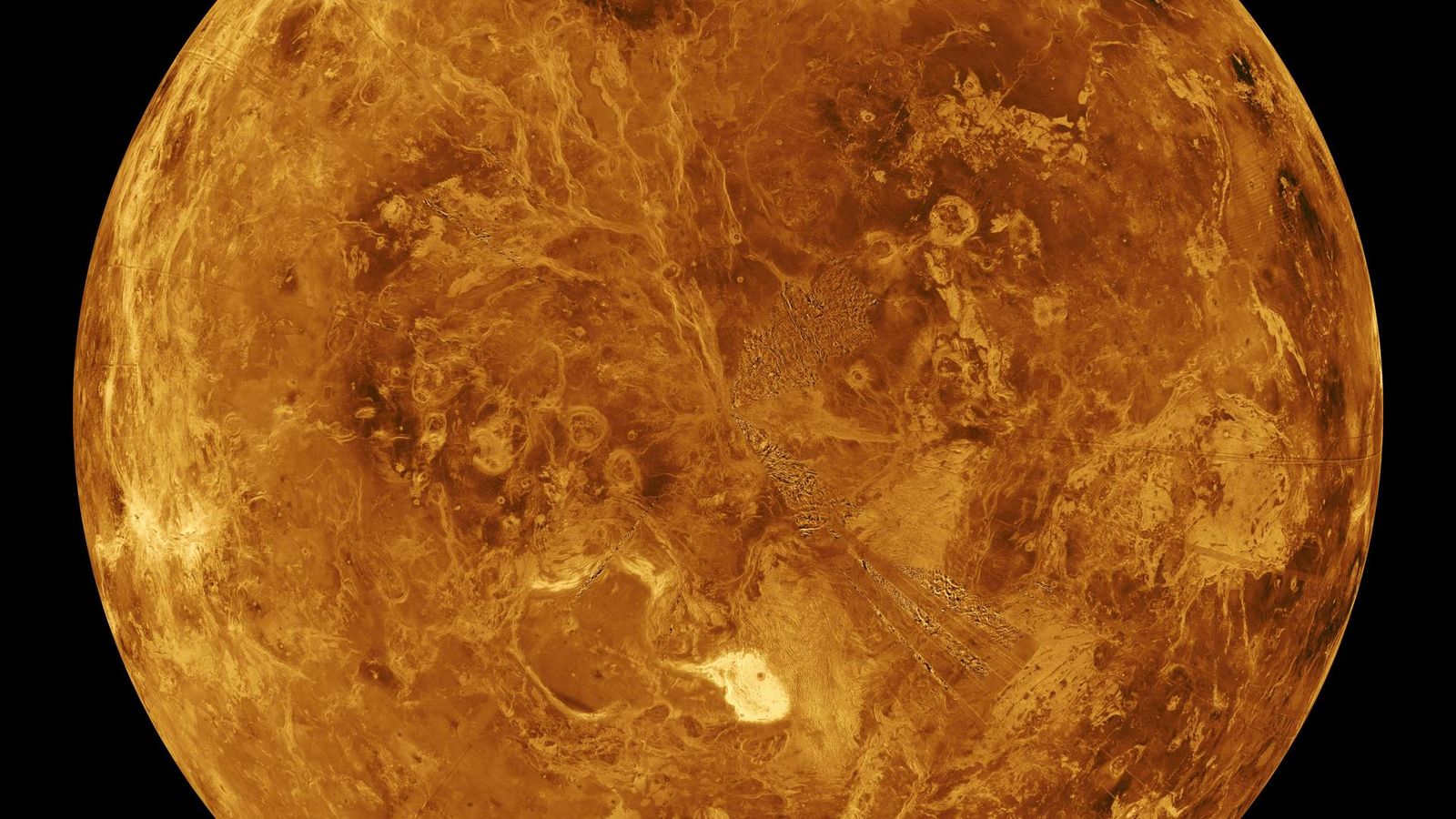
New research from the University of Cambridge suggests that Venus may never have had oceans, challenging previous theories that it once had a temperate climate with liquid water. The study indicates that Venus' atmosphere and interior lack the necessary hydrogen for liquid water, implying it has always been dry. This contrasts with earlier models suggesting Venus might have been habitable. The findings highlight the planet's extreme conditions, including high temperatures and pressure, and toxic clouds, making it inhospitable.

"Unveiling the Impact of Supervolcano Eruptions on Global Climate"

Originally Published 1 year ago — by NASA

Featured image for "Unveiling the Impact of Supervolcano Eruptions on Global Climate"
Source: NASA

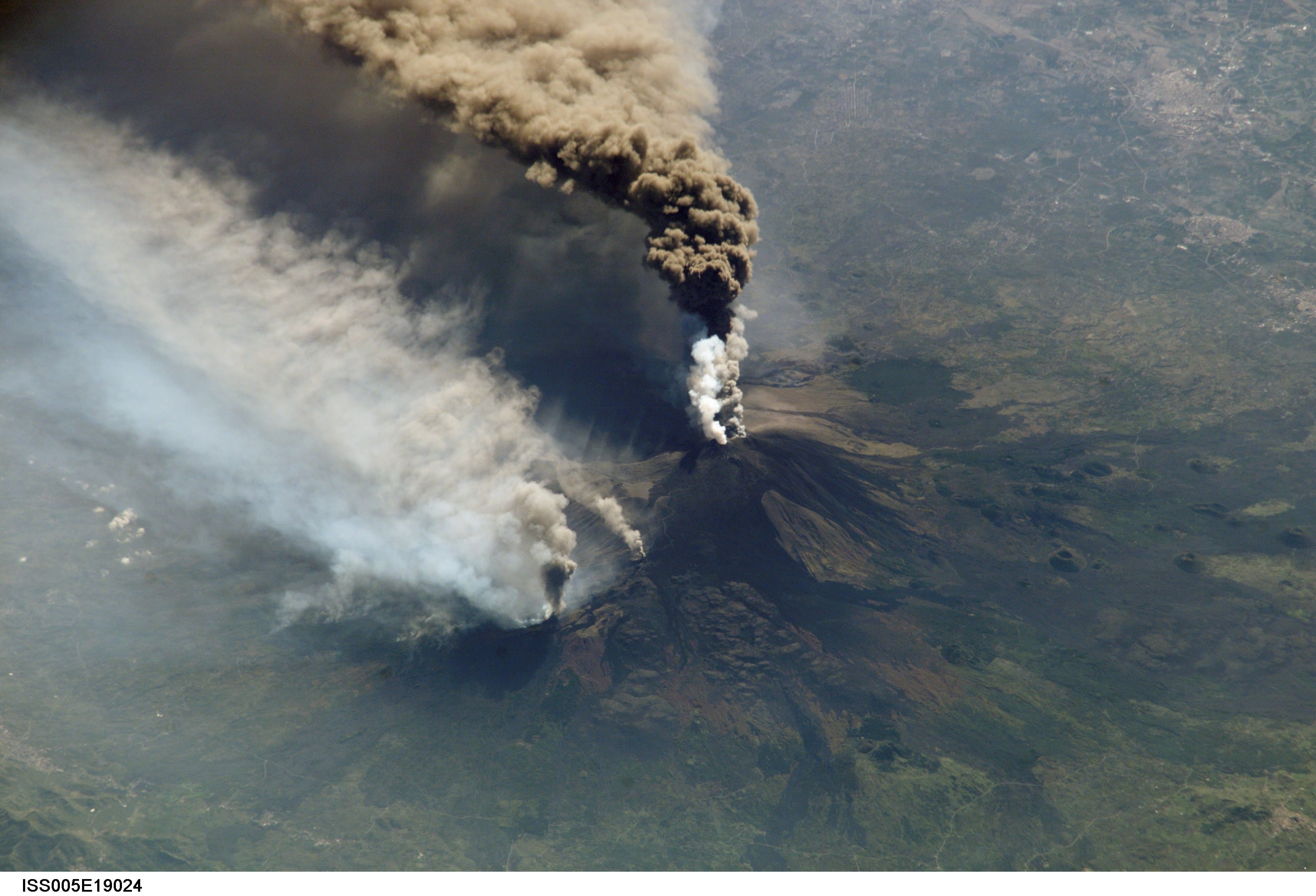
New research from NASA's Goddard Institute for Space Studies and Columbia University suggests that extreme volcanic super-eruptions may not lead to as severe cooling of Earth's surface temperatures as previously estimated. Using advanced computer modeling, the study found that post-eruption cooling would likely not exceed 2.7 degrees Fahrenheit, challenging previous estimates ranging from 3.6 to 14 degrees Fahrenheit. The study focused on the influence of microscopic sulfur particles injected into the atmosphere and their impact on temperature changes. The findings raise questions about the potential for geoengineering to combat global warming and highlight the need for further research on volcanic aerosol particle sizes.

"Warning: Impending Catastrophic Tipping Point for Atlantic Ocean Current"

Originally Published 1 year ago — by Euronews

Featured image for "Warning: Impending Catastrophic Tipping Point for Atlantic Ocean Current"
Source: Euronews

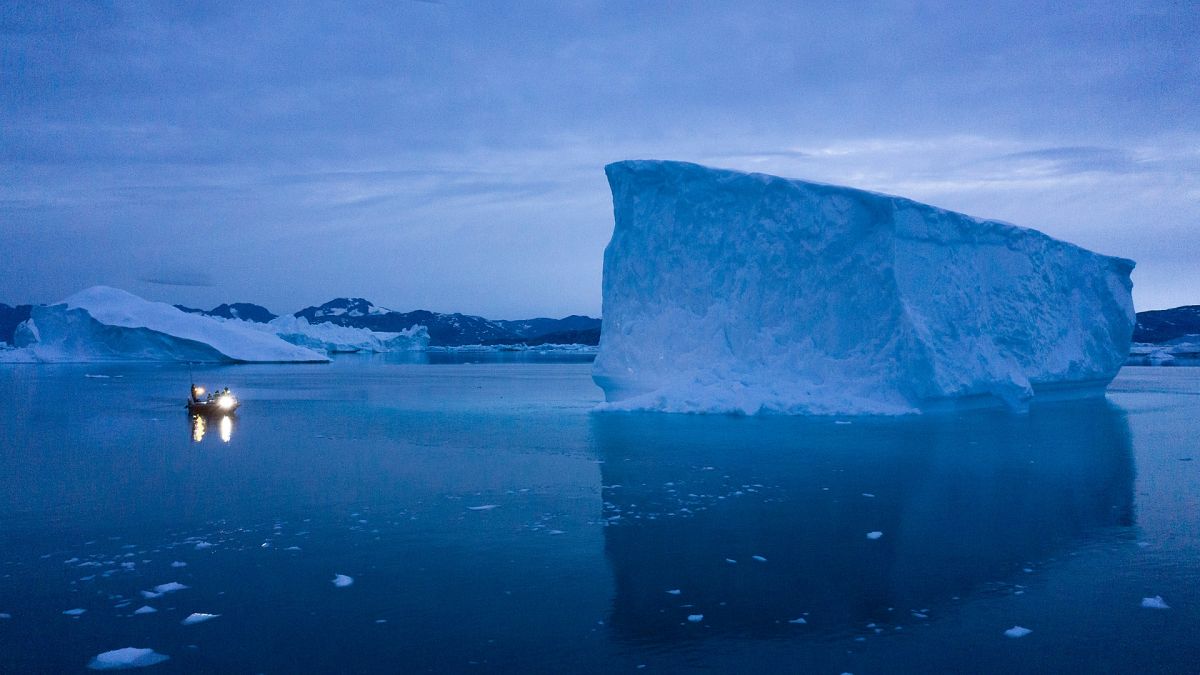
Scientists have modeled a potential climate tipping point involving the collapse of the Atlantic Meridional Overturning Circulation (AMOC), which could lead to severe global climate repercussions, particularly impacting Europe. The collapse could result in a deep freeze in parts of Europe, with temperatures plunging by up to 30C, while the southern hemisphere would experience rising temperatures and changes in rainfall patterns. The study suggests that the AMOC tipping point could be closer than previously thought, but more research is needed to determine the likelihood and timeframe of such an event.

Study predicts rise in extreme weather events by 2050 due to carbon neutrality

Originally Published 2 years ago — by Phys.org

Featured image for Study predicts rise in extreme weather events by 2050 due to carbon neutrality
Source: Phys.org

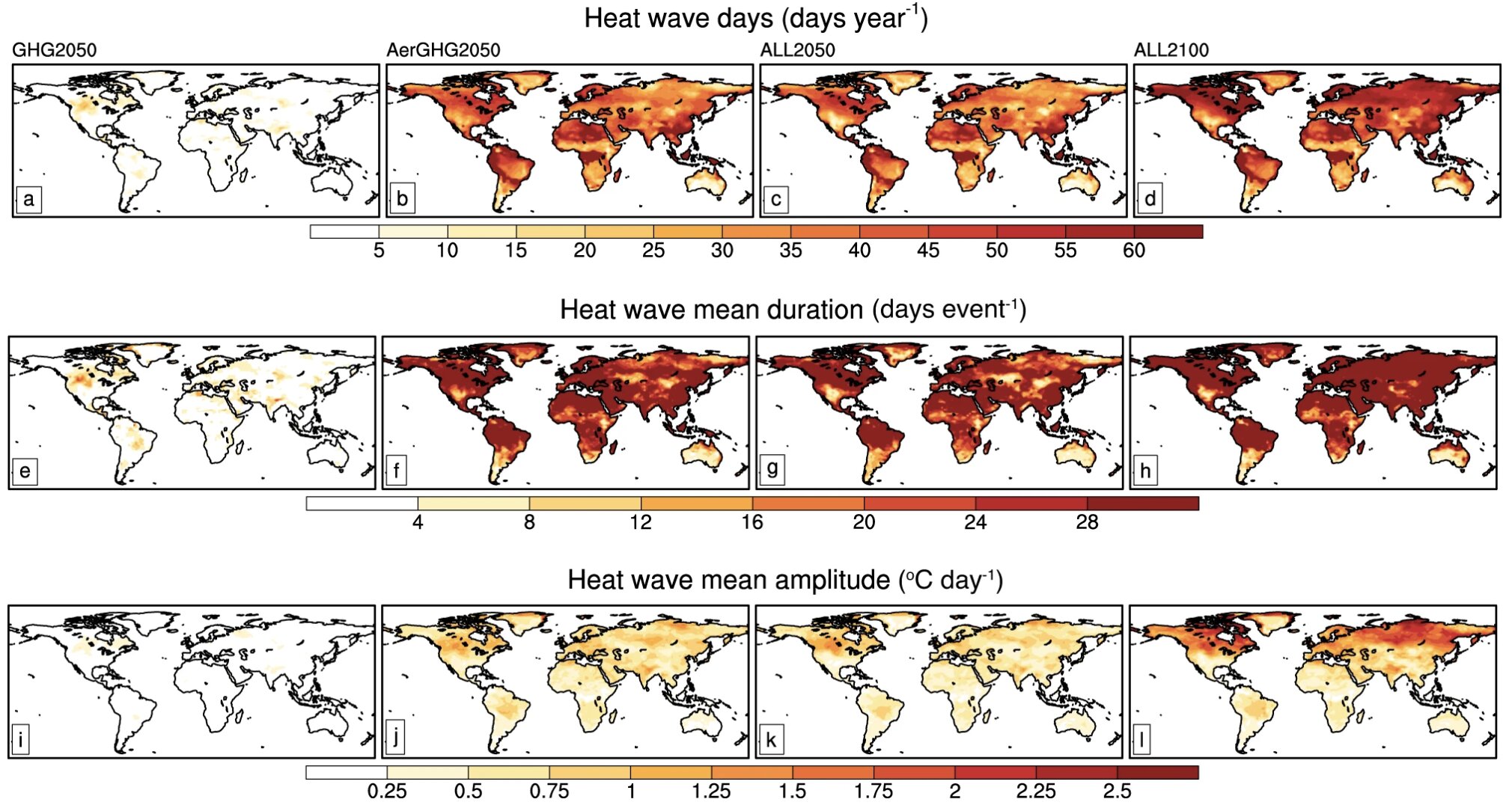
A study published in Nature Communications warns that achieving carbon neutrality by 2050 may lead to an increase in extreme weather events by that same year. The research highlights the negative impact of declining atmospheric aerosols on global climate, exacerbating the occurrence of extreme weather more than changes in greenhouse gases or the tropospheric ozone layer. The study emphasizes the need to find sustainable solutions to reduce greenhouse gas emissions and associated pollutants to mitigate the environmental, economic, and social impacts of global warming.

"Unearthing Ancient Ocean Water in the Himalayas: A Glimpse into Evolution"

Originally Published 2 years ago — by Mongabay.com

Featured image for "Unearthing Ancient Ocean Water in the Himalayas: A Glimpse into Evolution"
Source: Mongabay.com

Researchers have discovered water droplets trapped in mineral deposits in the Kumaon mountains in the Indian state of Uttarakhand, believed to be remnants of an ancient ocean dating back 600 million years. These droplets could provide insights into the Neoproterozoic Oxygenation Event and the Earth processes that fostered the evolution of complex life. The findings could enhance our understanding of ancient oceans, their composition, and the environment at the time, and could be valuable for future climate modeling. The Himalayas are considered a prime location for studying various Earth processes, and the researchers hope their findings will attract more research groups to the region.

Accelerated Arctic Warming Speeds Up 2-Degree Celsius Increase by Eight Years

Originally Published 2 years ago — by Phys.org

Featured image for Accelerated Arctic Warming Speeds Up 2-Degree Celsius Increase by Eight Years
Source: Phys.org

A new modeling study led by UCL researchers reveals that faster warming in the Arctic will result in the global temperature reaching a 2-degree Celsius rise eight years earlier than if the region were warming at the average global rate. The study highlights the significant impact of rapid Arctic warming on breaching critical climate thresholds set by the Paris Agreement and emphasizes the need for extensive monitoring and understanding of the processes occurring in the Arctic to improve global temperature rise forecasts. The study does not quantify the indirect effects of Arctic warming on the rest of the world but estimates its direct contribution to global temperature increases.

Light's Surprising Ability to Evaporate Water Without Heat Unveiled by MIT

Originally Published 2 years ago — by SciTechDaily

Featured image for Light's Surprising Ability to Evaporate Water Without Heat Unveiled by MIT
Source: SciTechDaily

MIT scientists have discovered that light can cause evaporation at a rate exceeding what is possible with heat alone, particularly in hydrogel-bound water. This "photomolecular effect" could revolutionize solar desalination and climate modeling, potentially tripling water production in desalination processes and advancing solar cooling technologies. The researchers found that light, specifically green light, can directly bring about evaporation without the need for heat, and it does so even more efficiently than heat. This discovery could have implications for fog and cloud formation, as well as industrial processes such as solar-powered desalination. The researchers are now exploring applications of this phenomenon and collaborating with other groups to replicate their findings.

"Dust: The Silent Killer of the Dinosaurs"

Originally Published 2 years ago — by Ars Technica

Featured image for "Dust: The Silent Killer of the Dinosaurs"
Source: Ars Technica

A new study on the end-Cretaceous extinction event suggests that fine dust from the Chicxulub impact played a significant role in the demise of non-avian dinosaurs. The study found that when this dust is plugged into climate models, global temperatures drop by as much as 25°C, and photosynthesis shuts down for almost two years. The researchers also discovered that the average particle size of the dust was smaller than previously assumed, affecting its interaction with sunlight and how long it stays in the atmosphere. These findings highlight the complex dynamics of the post-impact climate and the challenges in understanding the events that followed the extinction event.

Unveiling the Green Sahara: Earth's Orbit and the Transformation of the Desert

Originally Published 2 years ago — by ScienceAlert

Featured image for Unveiling the Green Sahara: Earth's Orbit and the Transformation of the Desert
Source: ScienceAlert

A new study using an improved climate model has reconstructed the history of the Sahara desert over the past 800,000 years, revealing the periodic transformations of the region. The research focused on the African humid periods, when the Sahara was wetter and greener, and found that these periods were driven by Earth's orbital precession. The study also suggests that during ice ages, the effects of the orbital wobbles were canceled out, keeping the Sahara cooler and restricting the African monsoons. Understanding the greening periods of the Sahara can provide insights into human migration and the evolution of our species in Africa.