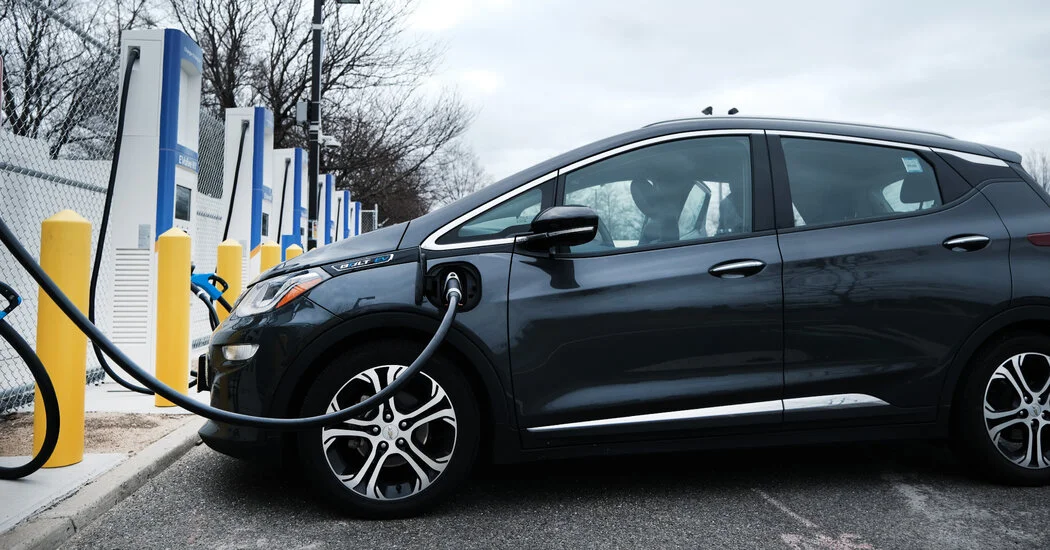
General Motors faces approximately $6 billion in charges in Q4 due to declining EV sales following the U.S. ending EV tax incentives and easing emissions standards, impacting its ambitious electric vehicle plans.
The CNN weekly news quiz covers recent major events including a US immigration crackdown in Minneapolis, a flu outbreak driven by a new virus strain, the fifth anniversary of the January 6 Capitol insurrection, NFL coaching changes, BYD surpassing Tesla in EV sales, a policy shift on children's vaccines, a record-breaking bluefin tuna auction, and more.
General Motors reported a $6 billion impairment charge due to unprofitable EV investments, citing reduced consumer demand following the removal of federal tax incentives and relaxed emissions regulations, leading GM to scale back EV capacity and shift production focus.
Michigan has increased its EV registration fees to the highest in the nation due to a new road funding package, sparking debate over fairness and the impact on EV adoption, with critics arguing it unfairly burdens EV owners while proponents see it as a fair contribution for road maintenance.
Ford reported its best U.S. vehicle sales since 2019, with a 6% increase to 2.2 million vehicles in 2025, driven mainly by strong F-Series sales and a rise in hybrid vehicle sales, despite declines in electric vehicle sales and ongoing production challenges.
Sony Honda Mobility is showcasing the Afeela 1 electric vehicle and a new concept model at CES 2026, highlighting features like PlayStation Remote Play integration, with the event streamed live from Las Vegas.
UK new car registrations exceeded 2 million in 2025, with electric cars making up 23.4%, but the reliance on heavy discounts to boost EV sales is deemed unsustainable by the SMMT, which warns that government incentives and policies like the ZEV Mandate may need review due to rising costs and market demand concerns.
UK car sales exceeded 2 million in 2025, driven by a surge in Chinese brands like MG, BYD, and Chery, which nearly doubled their market share, alongside record electric vehicle sales that contributed to lower emissions. Despite economic challenges and regulatory pressures, the market shows resilience, with Chinese manufacturers gaining prominence and European brands facing declines. The industry calls for earlier review of electric vehicle mandates amid ongoing policy debates.
The year 2025 was marked by a strong stock market rally driven by enthusiasm for AI, with Alphabet leading gains and gold and silver soaring. Major geopolitical events included U.S. military action in Venezuela, and the EV market saw Chinese automaker BYD surpass Tesla. The year also featured significant market movements and upcoming economic indicators to watch in 2026.
Norway nearly achieved its goal of phasing out new gas cars by 2025, with EVs making up 95.9% of new car sales, driven by high taxes on combustion vehicles and incentives for electric cars, although future policies may shift buying patterns towards smaller, more affordable EVs. Tesla remains the market leader, with Chinese automakers gaining ground.
Purdue University, with support from Cummins, successfully demonstrated the first high-speed wireless charging system for a battery-electric semi truck on a highway in the US, delivering 190 kW of power at 65 mph, potentially reducing range anxiety and costs associated with electric vehicle adoption.
The article argues that the transition to electric vehicles can significantly reduce global oil demand, which in turn could decrease conflicts driven by oil resources, such as the US invasion of Venezuela. It highlights how EVs and renewable energy sources can help diminish the geopolitical and social harms caused by oil dependency, and notes that oil consumption is already declining in many parts of the world due to increased adoption of EVs and energy efficiency measures.
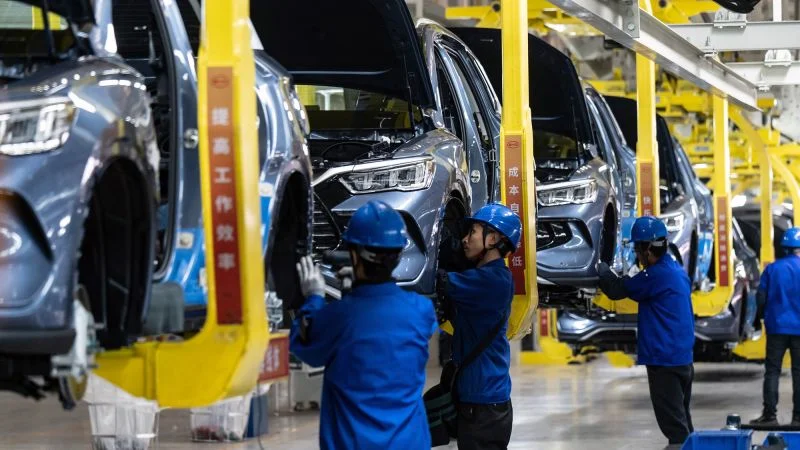
In 2025, BYD surpassed Tesla as the world's top EV seller with 2.26 million units sold, driven by growth in Europe and Latin America, while Tesla's sales declined due to softening demand and policy changes in the US. Despite the sales drop, Tesla's stock rose 11% in 2025, as Elon Musk shifts focus toward robotics and AI, indicating a potential strategic pivot away from traditional EV sales. Experts anticipate a challenging 2026 for the EV market, with possible recovery in 2027.
Tesla is losing market share to Chinese competitors, but the competition in battery technology and electric vehicle industry remains intense and ongoing.
Electric vehicle sales are expected to experience the slowest growth since the pandemic, indicating a potential slowdown in the automotive industry's shift towards electric vehicles.