Tag

Decarbonisation

All articles tagged with #decarbonisation

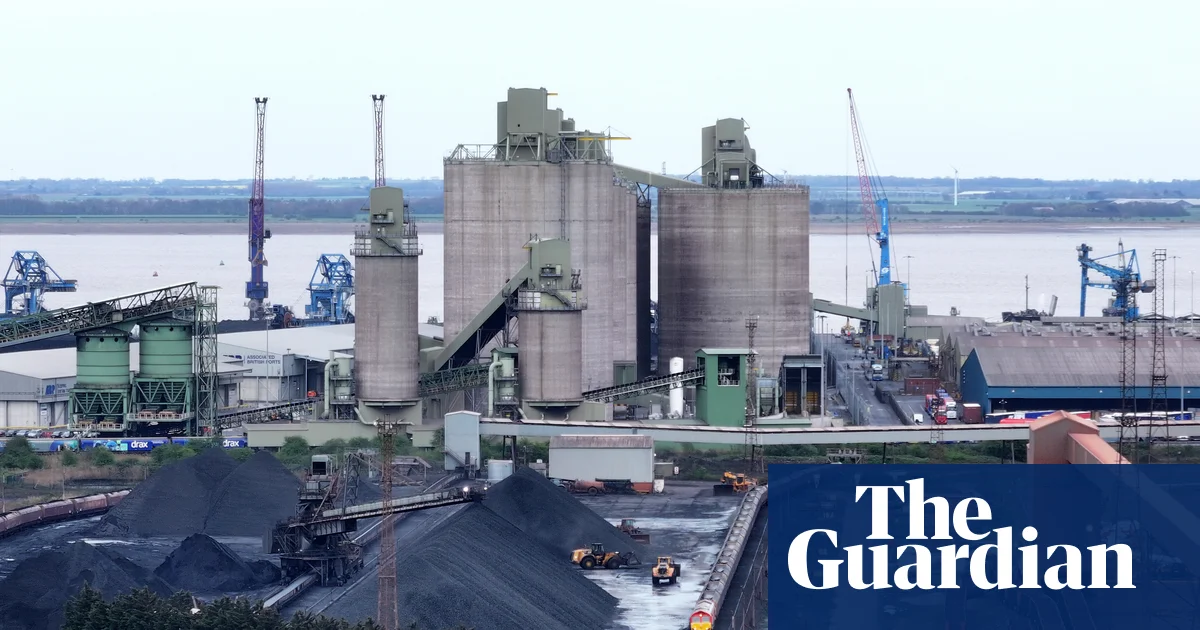
EU Implements Carbon Border Tax Amid Global Trade Tensions

Originally Published 11 days ago — by The Guardian

Featured image for EU Implements Carbon Border Tax Amid Global Trade Tensions
Source: The Guardian

The EU has implemented new 'green tariff' rules, requiring companies exporting high-carbon goods like steel and cement to prove compliance with low-carbon standards or face fines, aiming to level the playing field and prevent carbon leakage, with future expansions planned to include more products and broader scope. UK companies are concerned about potential impacts, but officials suggest minimal immediate effects and ongoing efforts to link UK and EU carbon markets.
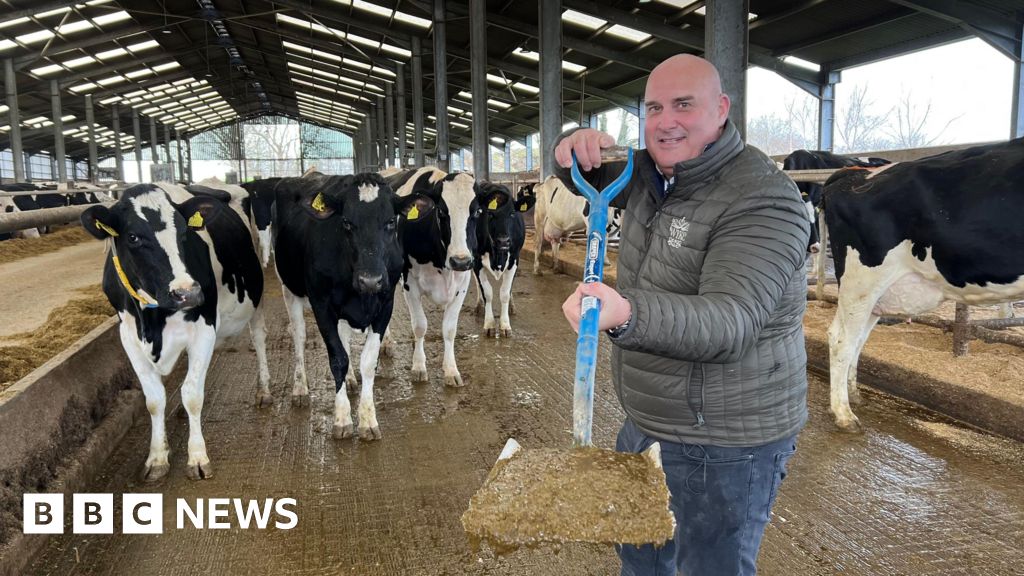
Potential of Cow Manure to Heat UK Homes

Originally Published 26 days ago — by BBC

Featured image for Potential of Cow Manure to Heat UK Homes
Source: BBC

Cow manure can be converted into biomethane to heat up to 15 million UK homes by 2050, but current production is limited by high costs and available waste. Expanding biogas plants near farms and increasing waste collection could significantly boost renewable energy, though environmental concerns and resource limits remain.

ArcelorMittal halts German green steel plans amid rising costs, unions warn of risks

Originally Published 6 months ago — by Financial Times

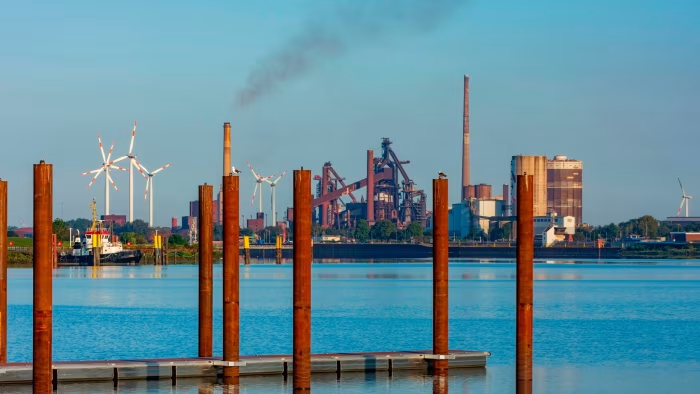
Featured image for ArcelorMittal halts German green steel plans amid rising costs, unions warn of risks
Source: Financial Times

ArcelorMittal has abandoned plans to convert German steel plants to green hydrogen use due to high energy costs and uncertainty, and may also close its biofuels plant in Belgium because of restrictive EU regulations, highlighting challenges in Europe's decarbonisation efforts and industrial competitiveness.

"Singapore Mandates Sustainable Fuel for Outbound Flights from 2026, Impacting Travel Costs"

Originally Published 1 year ago — by Reuters

Featured image for "Singapore Mandates Sustainable Fuel for Outbound Flights from 2026, Impacting Travel Costs"
Source: Reuters

Singapore plans to mandate the use of sustainable aviation fuel (SAF) for all departing flights from 2026, aiming for a 1% target initially and increasing to 3-5% by 2030. The Civil Aviation Authority of Singapore (CAAS) developed the plan, which aims to contribute around 65% of the carbon emission reduction needed to achieve net zero by 2050. To support the purchase of SAF, CAAS plans to introduce a SAF levy, which will vary based on factors such as distance traveled and class of travel, with passengers in premium classes paying higher levies.

"Japan and Saudi Arabia Forge Rare Earth Partnership for Joint Development"

Originally Published 2 years ago — by Reuters

Featured image for "Japan and Saudi Arabia Forge Rare Earth Partnership for Joint Development"
Source: Reuters

Japan and Saudi Arabia are expected to agree on joint investment to develop rare earth resources during Prime Minister Fumio Kishida's visit to the Middle East. The cooperation aims to explore development projects in other countries and accelerate the development of resources currently being explored in Saudi Arabia, including copper, iron, and zinc. This partnership is crucial for both countries as Japan aims to achieve carbon neutrality by 2050 and Saudi Arabia seeks to diversify its oil-reliant economy.

Germany aims to fund Thyssenkrupp's green steel plant with $2.1 billion.

Originally Published 2 years ago — by Reuters.com

Featured image for Germany aims to fund Thyssenkrupp's green steel plant with $2.1 billion.
Source: Reuters.com

Germany plans to provide around €2bn ($2.1bn) to help fund Thyssenkrupp's green steel plant in Duisburg, one of the company's key turnaround projects. The funding commitment includes €700m from the German state of North Rhine-Westphalia. Thyssenkrupp depends on external funds to pay for decarbonising steelmaking, which is one of the most polluting industrial production techniques. The company plans to commission a direct reduction iron plant for the climate-friendly production of 2.5 million tonnes of steel annually, with a production start scheduled for 2026.

Clean Energy Investment Surpasses Oil as Solar Takes the Lead.

Originally Published 2 years ago — by Al Jazeera English

Featured image for Clean Energy Investment Surpasses Oil as Solar Takes the Lead.
Source: Al Jazeera English

Investment in solar power is expected to surpass that in oil for the first time this year, as clean energy spending outpaces that for fossil fuels. However, the International Energy Agency warns that investment in fossil fuels is rising when it should be falling fast to achieve net zero emissions by 2050. The IEA expects investment in solar power to hit $380bn this year, while investment in oil exploration and extraction should come in at $370bn. Clean energy investment is concentrated in advanced nations and China, while the biggest increases in fossil fuel investment are in Middle Eastern nations.

Africa's Colonial Legacy Highlighted at Venice Architecture Biennale.

Originally Published 2 years ago — by The Guardian

Featured image for Africa's Colonial Legacy Highlighted at Venice Architecture Biennale.
Source: The Guardian

The Venice Architecture Biennale has put Africa in the spotlight for the first time, exploring the toxic landscapes and social scars that riddle the continent’s postcolonial lands, while also offering a glimpse of more hopeful futures brewing among the youthful population. The exhibition features a majority of exhibitors from Africa, or the diaspora, a 50-50 gender balance, and an average age of 43. The exhibition explores topics such as decarbonisation, resource extraction, and identity, among others. The exhibition is a necessary corrective to mainstream architectural culture, which has long overlooked these topics.

EU countries set 2035 deadline to ban CO2-emitting cars.

Originally Published 2 years ago — by Reuters

Featured image for EU countries set 2035 deadline to ban CO2-emitting cars.
Source: Reuters

EU countries have approved a landmark law to end sales of new CO2-emitting cars in 2035, with the exemption of cars running on e-fuels. The law requires all new cars sold to have zero CO2 emissions from 2035 and 55% lower CO2 emissions from 2030. The European Commission has pledged to create a legal route for sales of new cars that only run on e-fuels to continue after 2035. The policy had been expected to make it impossible to sell combustion engine cars in the EU from 2035.