Japan is shifting its energy strategy to maximize nuclear power while significantly expanding renewable energy sources like wind, solar, and geothermal, aiming for a 100% renewable target in Fukushima by 2040, despite the controversial history with nuclear energy post-Fukushima disaster and ongoing debates about decarbonization efforts.
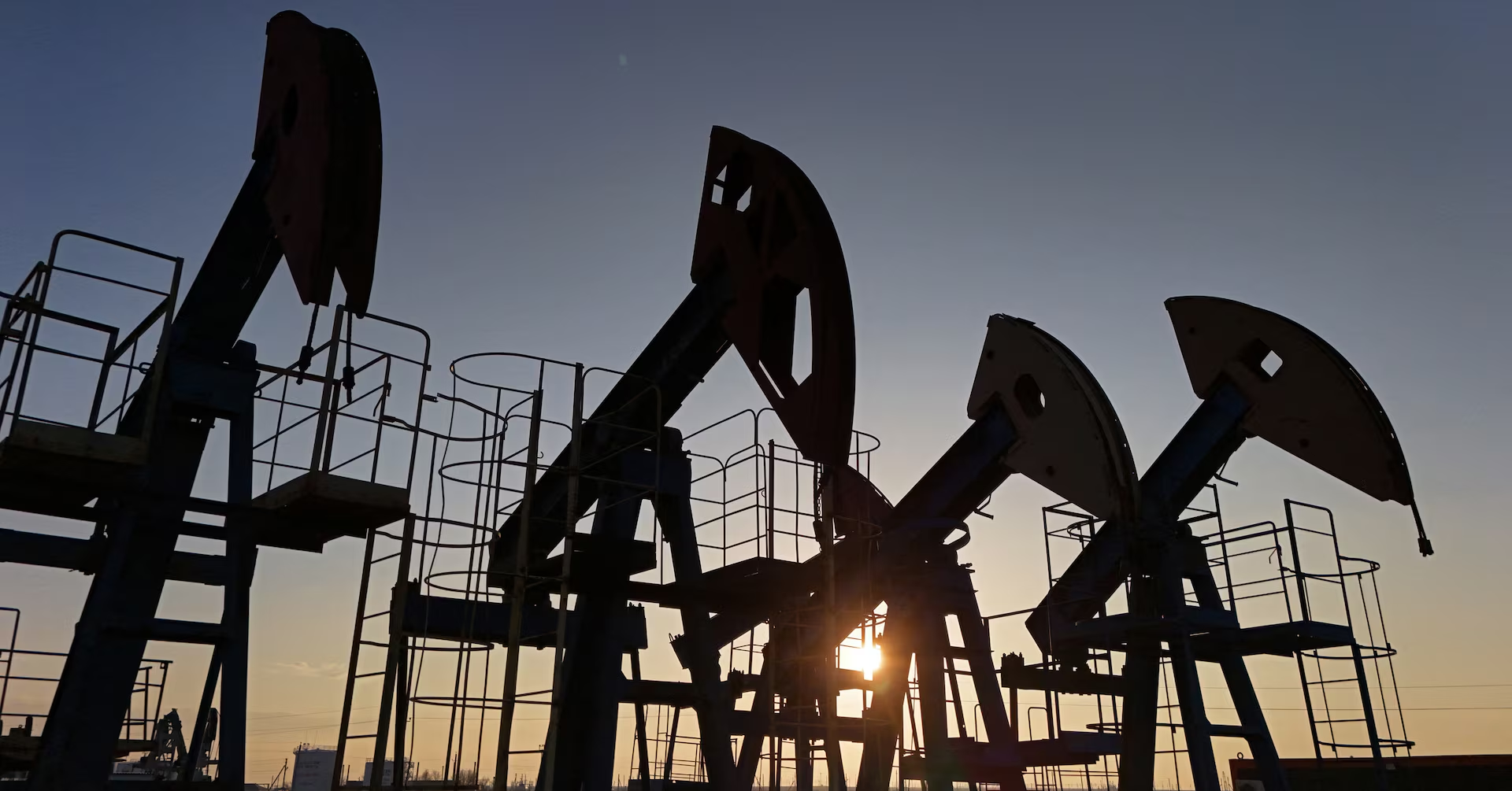
The International Energy Agency predicts that global oil and gas demand could continue to grow until 2050 under current policies, with no peak expected before then, and warns that the world is unlikely to meet the 1.5°C temperature rise limit without significant technological advancements. Despite recent shifts towards clean energy, existing policies suggest energy demand will increase, and LNG capacity is set to expand significantly, driven by rising power sector needs and data center growth.
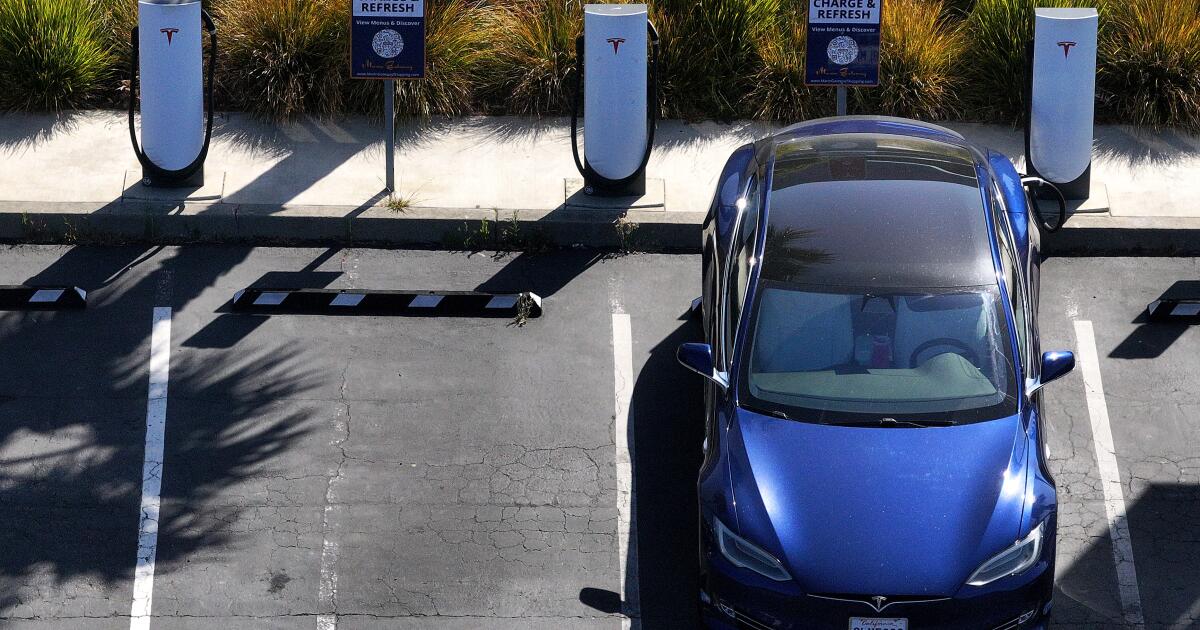
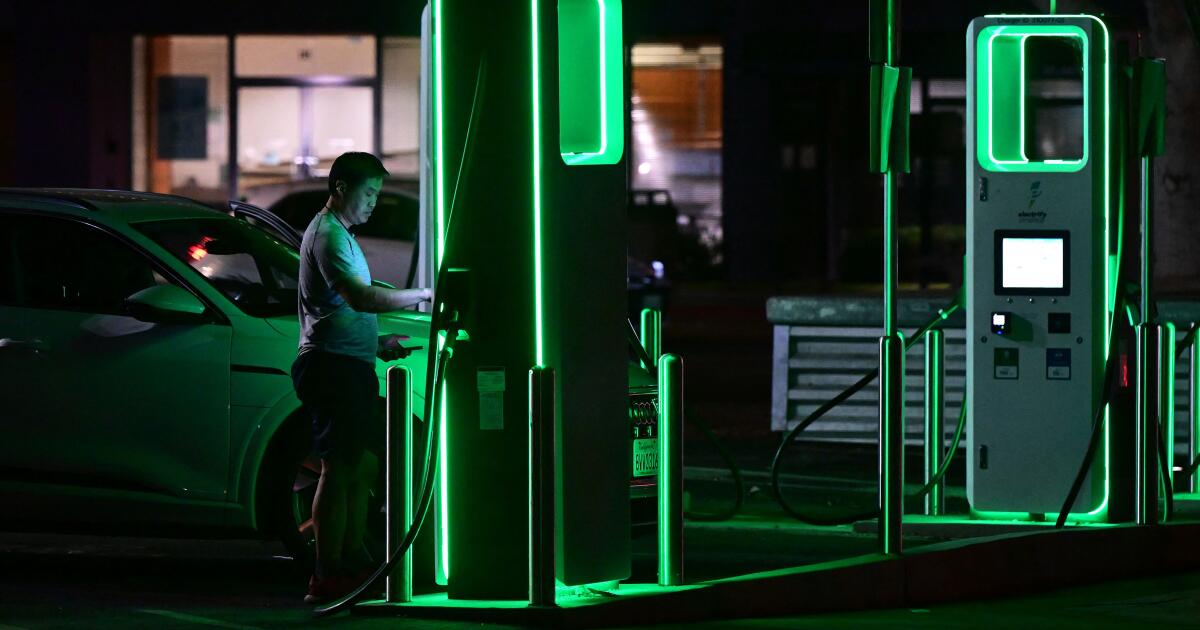
Despite federal efforts to roll back California's auto-emission standards and end incentives for zero-emission vehicles, California is committed to maintaining its leadership in clean air and climate goals by exploring state-funded subsidies, expanding charging infrastructure, and implementing new regulations to boost electric vehicle adoption and reduce emissions.
Mars has launched a $250 million Sustainability Investment Fund to support innovative solutions in agriculture, ingredients, and packaging, aiming to reduce its environmental impact and achieve a 50% reduction in carbon emissions by 2030, while integrating climate goals into its business strategy and governance.
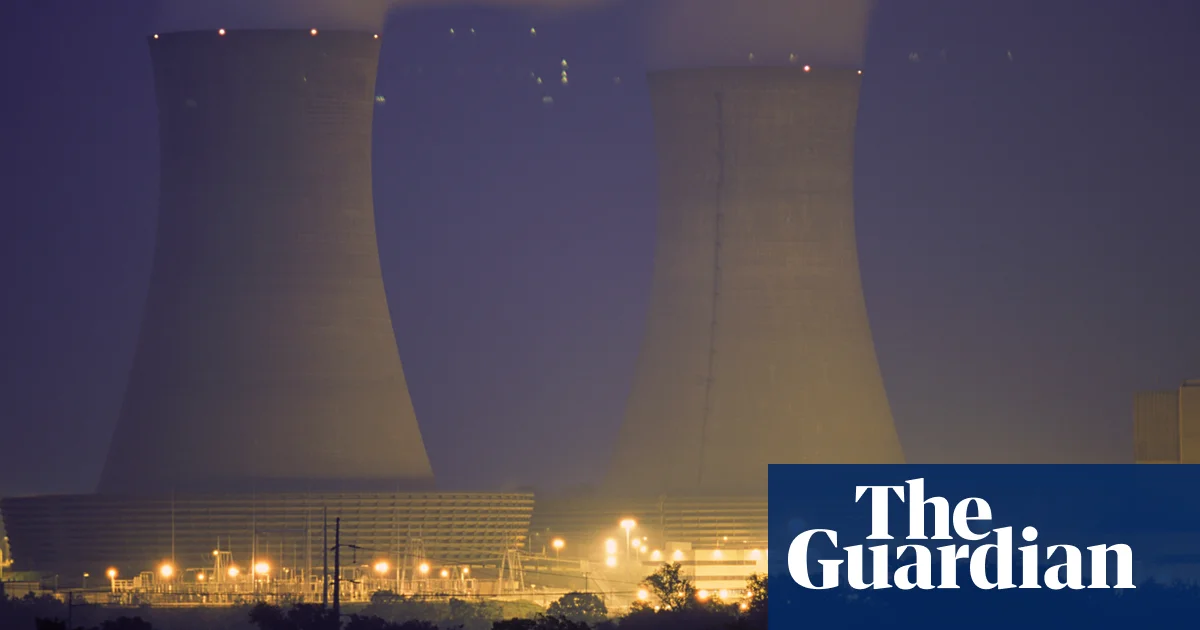
New York Governor Kathy Hochul announced plans to build the state's first major new nuclear power plant in over 15 years, aiming to add at least 1GW of zero-emission energy to support a reliable and affordable grid, amidst mixed reactions from renewable advocates and discussions on accelerating nuclear development under federal policies.
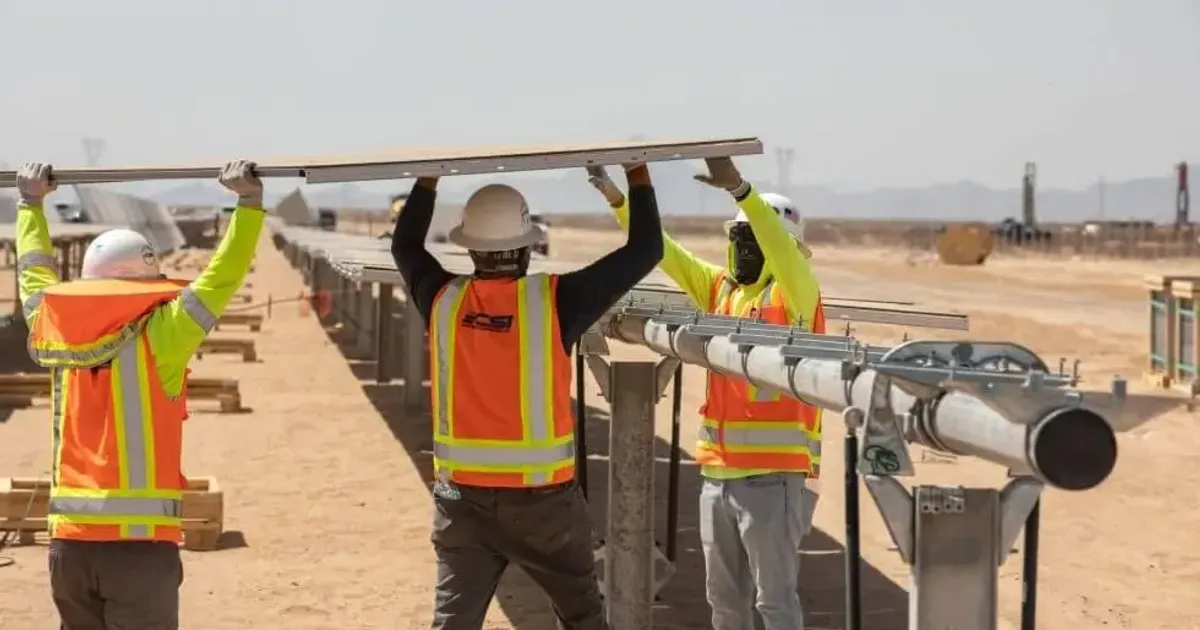
Google has announced a $20 billion partnership to build colocated data centers and renewable energy facilities, including solar, wind, and battery farms, by 2030. This initiative aims to meet the growing clean energy demands of data centers while reducing grid pressure. Partnering with TPG Rise Climate and Intersect Power, Google plans to provide stable, carbon-free power directly to its data centers, addressing the challenges of sourcing clean energy amid increasing electricity demand driven by AI and cloud computing ambitions.
The Biden administration announced new measures to accelerate U.S. nuclear power projects, aiming to mitigate risks and costs associated with plant construction. A new working group will address cost and schedule overruns, and the Army will seek feedback on deploying advanced reactors. This initiative supports U.S. climate and clean power goals amid competition from cheaper natural gas and renewable energy sources.
The European Council has approved the Net-Zero Industry Act (NZIA), a framework to boost Europe's manufacturing capacity for key decarbonization technologies, supporting the EU's climate neutrality goals. The NZIA aims for the EU to produce 40% of its annual deployment needs for clean technologies by 2030 and capture 15% of the global market by 2040. The legislation includes measures for workforce training, streamlined permitting, and the creation of industrial clusters to enhance competitiveness and energy security.
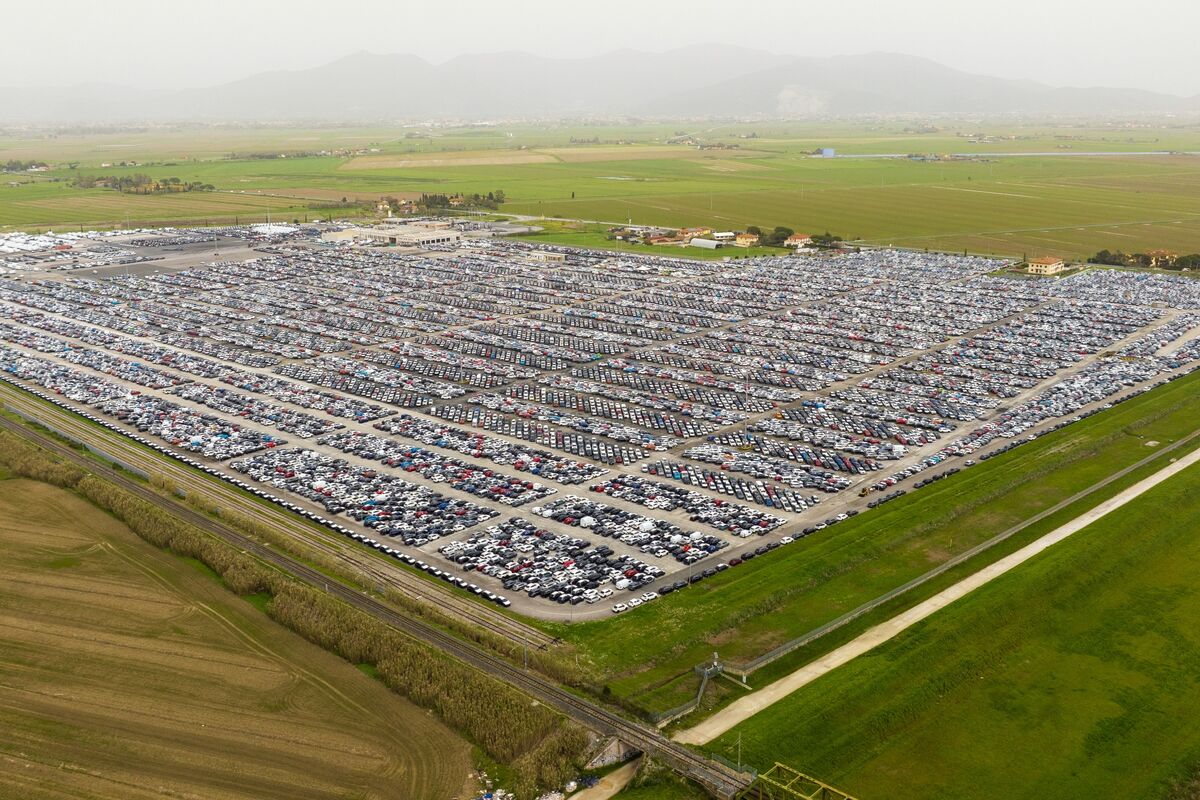
Declining electric vehicle sales in Europe indicate the market's inability to sustain itself, prompting the need for continued government support until affordable EVs are viable. The surplus of EVs is causing logistical issues and production cuts, posing a threat to the region's climate goals and potentially leading to further job cuts in the industry.
The total solar eclipse in the US highlights the crucial role of solar energy in the nation's power grid, with over 31 million people living in areas affected by the eclipse. Grid managers have had to find backup sources of energy to cope with the eclipse, showcasing the need for further progress in cleaning up the power grid. While solar generation falls during the eclipse, electricity demand is expected to rise, leading to a mismatch in supply and demand. Gas and hydropower are expected to make up for the shortfall in solar energy, but this comes with increased pollution and environmental impact. The eclipse underscores the need to ramp up capacity for renewable energy generation and storage to ensure a reliable supply and reduce reliance on dirty sources of energy.
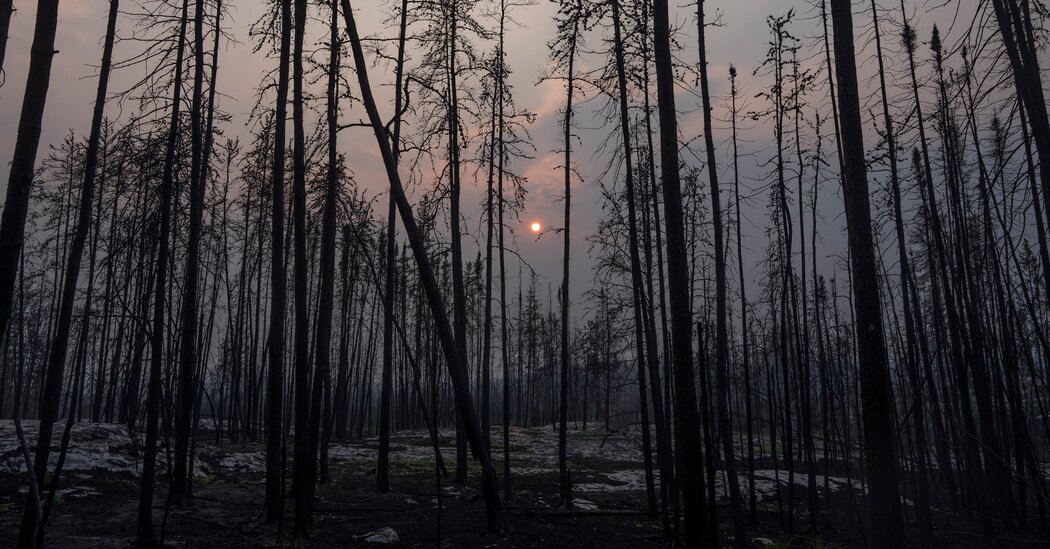
Despite significant progress in protecting tropical forests in Brazil and Colombia, the world failed to slow the pace of global forest destruction last year, with record wildfires in Canada and expanding agriculture elsewhere offsetting the gains. The World Resources Institute's annual survey found that the world lost 9.1 million acres of primary tropical forest in 2023, nearly the size of Switzerland, representing a 9 percent decrease from the previous year. However, this improvement is insufficient to meet the commitment made by 145 nations to halt all forest loss by 2030.
The Biden administration has announced a $6 billion investment to reduce emissions in high-polluting industries such as chemical, metal, and cement operations, aiming to advance climate goals and boost domestic manufacturing. The funding will support 33 projects in over 20 states, targeting technologies that can significantly reduce carbon dioxide emissions and create thousands of jobs. The investments are part of a government-wide strategy focusing on the industrial sector and are expected to have a positive impact on both the environment and the economy.
The state of New York is suing JBS, the world's largest meatpacker, over allegations of misleading customers with sustainability claims, including a plan to reach net zero carbon neutral standards by 2040. The lawsuit accuses JBS of "environmental greenwashing" and claims that the company has no viable plan to meet its commitment. JBS, which is controlled by Brazil's Batista brothers, has faced opposition to its plan to list its US arm on the New York Stock Exchange due to environmental concerns. The lawsuit seeks disgorgement of ill-gotten gains and penalties for misleading the public about their business practices.
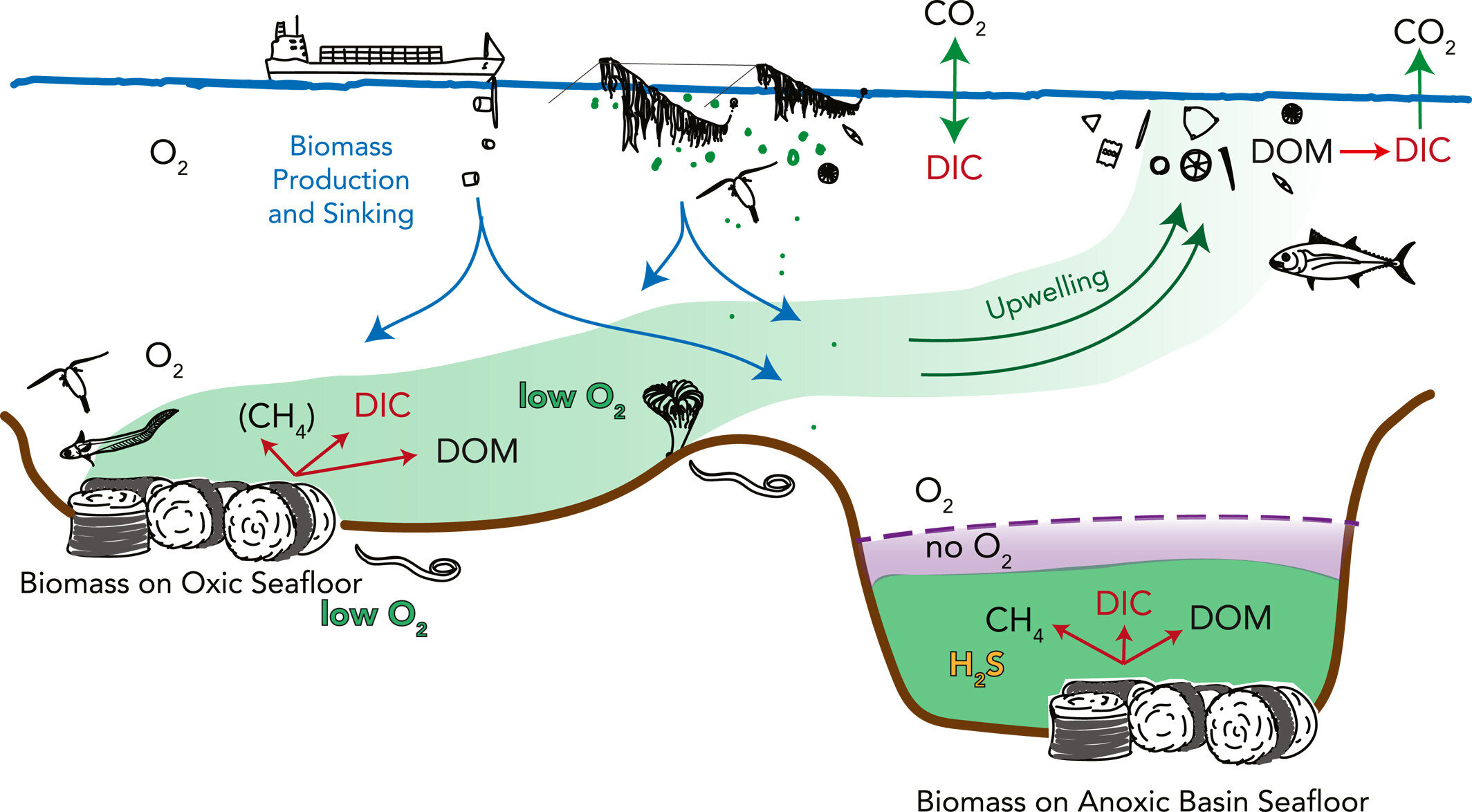
Researchers from UC Santa Barbara propose that anoxic marine basins are promising locations for large-scale carbon sequestration in the deep ocean, potentially aiding in the reduction of atmospheric carbon levels. By sinking plant biomass into these oxygen-deprived zones on the seafloor, the carbon can be stored for extended periods, minimizing the release of CO2 and methane. The study identifies the Black Sea as a particularly suitable site due to its depth and isolation. While the concept has attracted private investment, further research is needed to understand the potential impacts and ensure the effectiveness of this carbon sequestration strategy.
California's electric vehicle market, once booming, is showing signs of fatigue with a significant drop in EV sales in the last half of 2023. This decline raises concerns about the state's ability to meet its ambitious climate goals, including a pledge to ban the sale of new gasoline- and diesel-powered cars and light trucks by 2035. Challenges such as unreliable charging networks, high vehicle prices, and consumer dissatisfaction with Tesla's CEO Elon Musk are contributing to the slowdown. Additionally, confusion around government incentives and market saturation are also hindering EV adoption.