Tag

Radio Emissions

All articles tagged with #radio emissions

High Radio Emission Galaxies May Host Advanced Civilizations

Originally Published 3 months ago — by Universe Today

Featured image for High Radio Emission Galaxies May Host Advanced Civilizations
Source: Universe Today

Scientists suggest that galaxies with high radio emissions could harbor advanced civilizations, but such galaxy-spanning ETIs are extremely rare, with less than 1 in 100,000 large galaxies potentially hosting them. The research uses models to set upper limits on the prevalence of these civilizations based on radio observations, and proposes expanding searches to other frequencies and technosignatures beyond radio waves.

Starlink Satellites' Radio Leaks Threaten Astronomy and Weather Forecasts

Originally Published 7 months ago — by Explorersweb »

Featured image for Starlink Satellites' Radio Leaks Threaten Astronomy and Weather Forecasts
Source: Explorersweb »

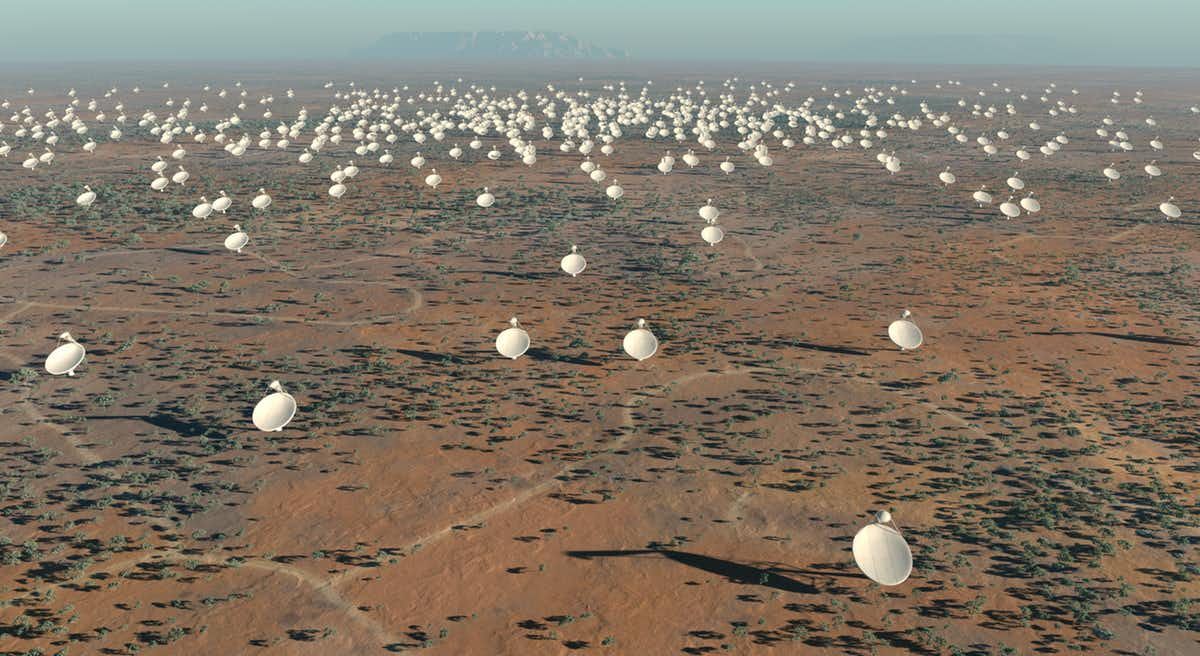
Specialists at Australia's SKA report that Starlink satellites are emitting unintended radio signals, disrupting radio astronomy, especially in protected bands, with potential impacts on observing the early universe. Despite efforts to avoid interference, the increasing number of satellites and their unintended electromagnetic radiation pose significant challenges for radio telescopes, highlighting the need for better regulation and mitigation strategies.

Astronomers Discover Mysterious Perfect Sphere in Deep Space

Originally Published 7 months ago — by Stewartville Star

Featured image for Astronomers Discover Mysterious Perfect Sphere in Deep Space
Source: Stewartville Star

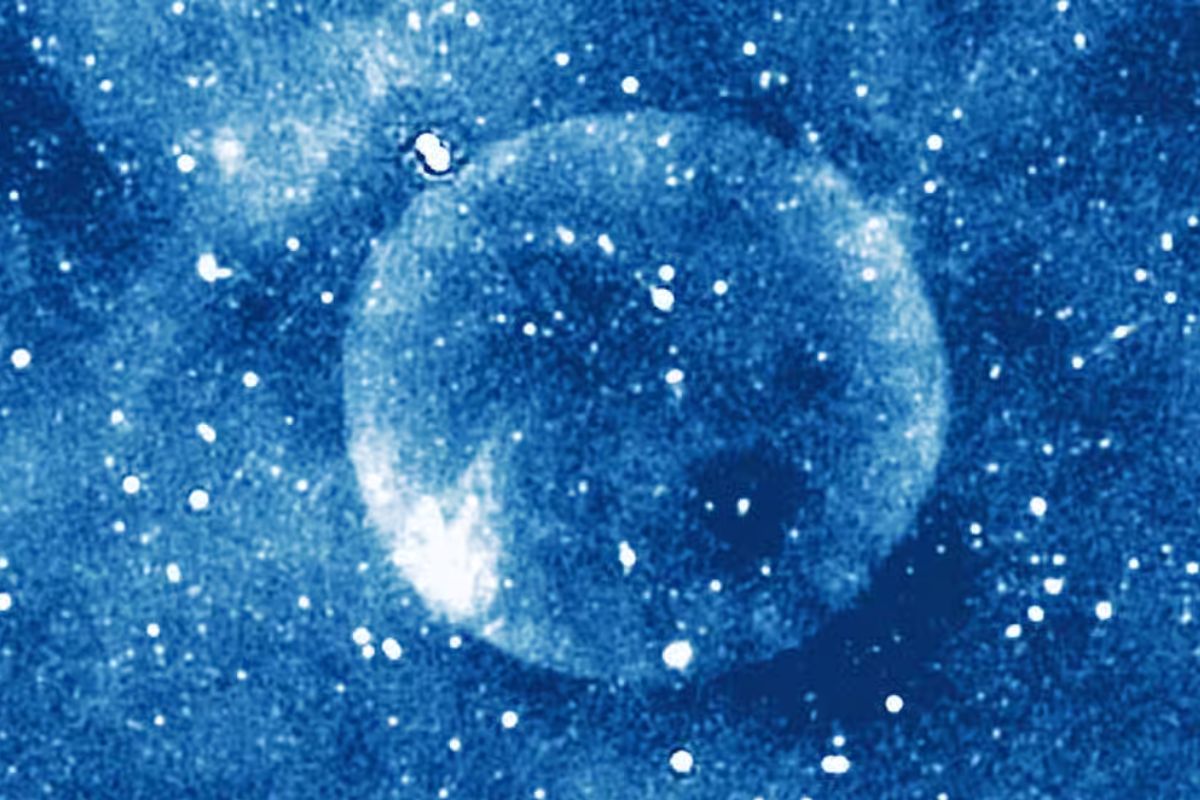
Astronomers have discovered a perfectly circular radio object in the Milky Way, dubbed Teleios, which is likely a supernova remnant resulting from a Type Ia supernova. Its precise shape challenges existing theories and offers new insights into cosmic phenomena, with ongoing research needed to determine its exact distance, size, and age.

Unraveling the Enigma of Sunspot Radio Emissions

Originally Published 2 years ago — by Hackaday

Featured image for Unraveling the Enigma of Sunspot Radio Emissions
Source: Hackaday

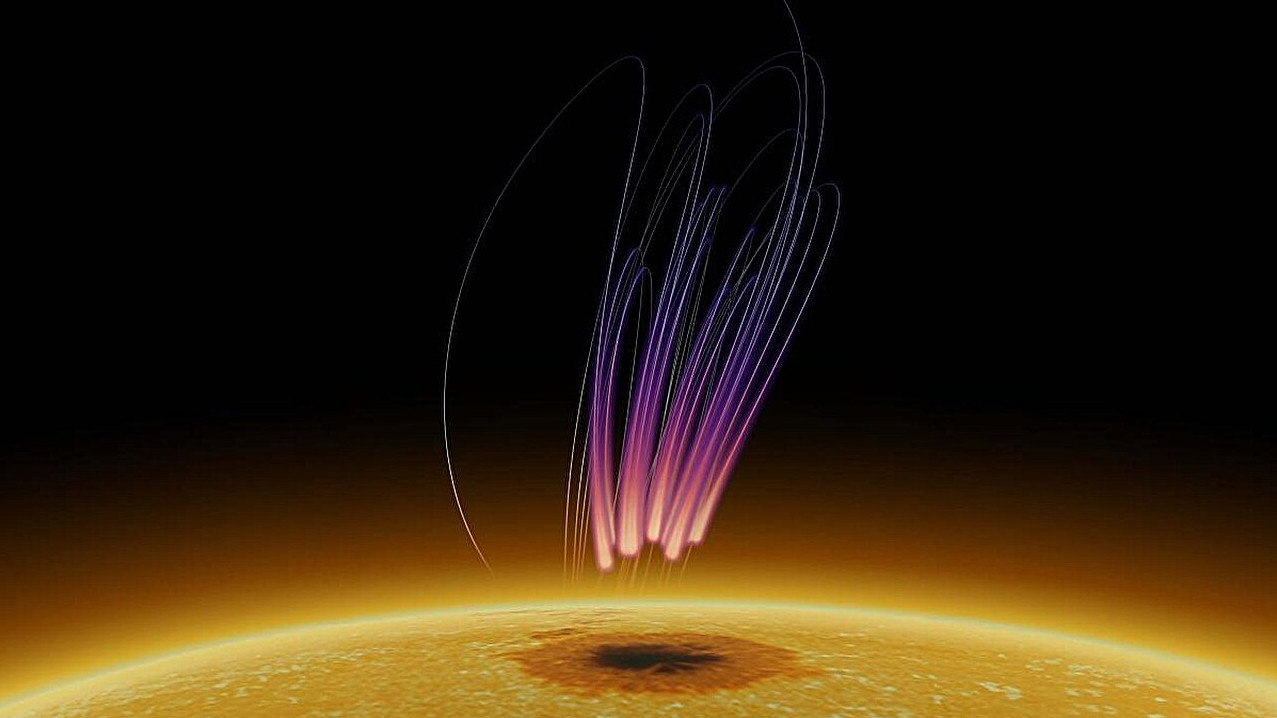
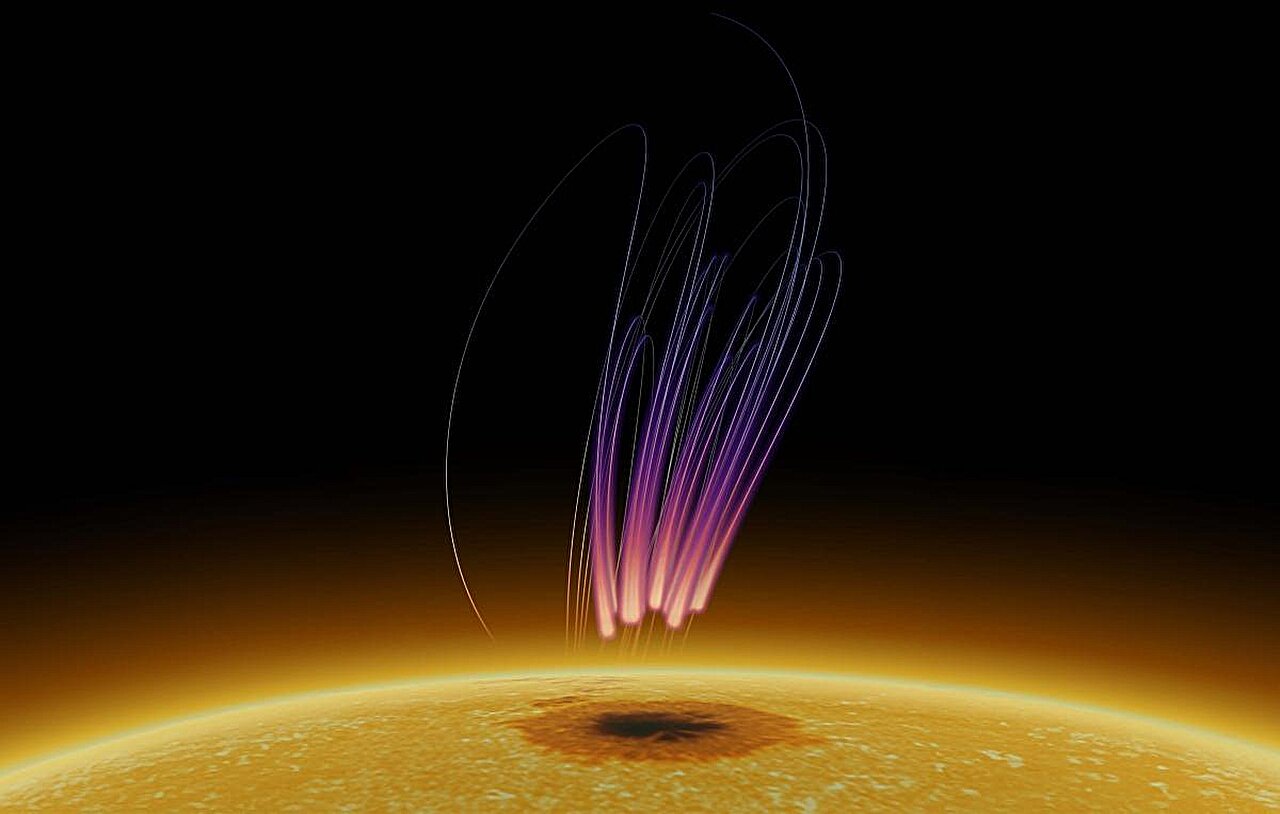
Sustained radio emissions originating from high over a sunspot challenge existing models of stellar magnetism. These emissions, lasting over a week, resemble auroral radio emissions observed in planetary magnetospheres and some stars. They are not tied to solar flare activity and are believed to be the result of electron cyclotron maser emissions. Understanding this phenomenon could lead to a re-evaluation of astrophysical models and provide new insights into the behavior of magnetic fields and energetic particles.

"Unlocking the Mystery: Extreme Stars Shed Light on Cosmic Radio Bursts"

Originally Published 2 years ago — by SciTechDaily

Featured image for "Unlocking the Mystery: Extreme Stars Shed Light on Cosmic Radio Bursts"
Source: SciTechDaily

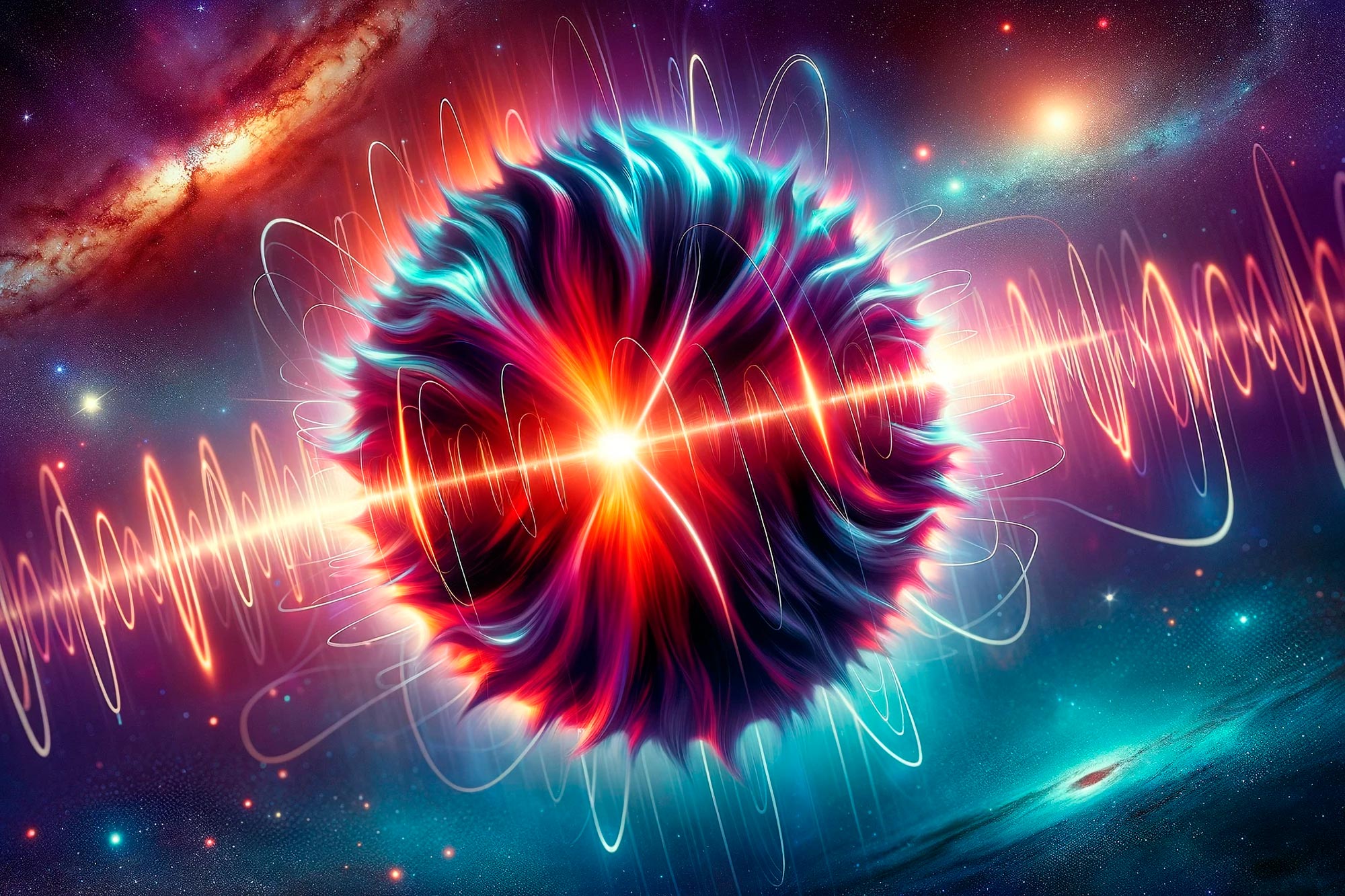
Researchers have discovered a universal scaling law in neutron stars, including magnetars, which may explain the mysterious Fast Radio Bursts (FRBs). By studying the sub-structure of their radio emissions, they found a commonality in their rotation periods, providing insight into how these celestial phenomena produce radio emission and potentially linking them to FRBs. The discovery suggests that the intrinsic origin of the subpulse structure is the same for all radio-loud neutron stars, shedding light on the plasma process responsible for radio emission and offering a chance to interpret similar structures seen in FRBs.

Unveiling the Mysterious Aurora-Like Emissions Above a Sunspot

Originally Published 2 years ago — by Gizmodo

Featured image for Unveiling the Mysterious Aurora-Like Emissions Above a Sunspot
Source: Gizmodo

Astronomers have detected aurora-like radio emissions about 24,855 miles above a sunspot on the Sun's surface. The emissions, which are different from Earth's auroras, were observed to persist for over a week and occur at frequencies ranging from hundreds of thousands of kHz to roughly 1 million kHz. The researchers believe that the emissions are not related to solar flares but are instead caused by electrons feeding into magnetic field loops associated with the sunspot. The findings could help improve our understanding of stellar magnetic processes and astrophysical phenomena in other stars.

Mysterious Radio Emission Discovered Above Sunspot

Originally Published 2 years ago — by Phys.org

Featured image for Mysterious Radio Emission Discovered Above Sunspot
Source: Phys.org

Scientists have discovered prolonged radio emissions above a sunspot, similar to auroral radio emissions seen in planetary magnetospheres. The discovery offers new insights into the origin of intense solar radio bursts and may help understand similar phenomena in distant stars with large starspots. The radio emissions, known as the "sunspot radio aurora," are caused by energetic electrons trapped within converging magnetic field geometries. The findings suggest that starspots on cooler stars could be sources of certain radio bursts observed in various stellar environments, potentially reshaping our understanding of stellar magnetic activity.

"Satellite-Free Radio Telescope Unveils Secrets of the Ancient Universe"

Originally Published 2 years ago — by Space.com

Featured image for "Satellite-Free Radio Telescope Unveils Secrets of the Ancient Universe"
Source: Space.com

The Square Kilometer Array Observatory (SKAO), set to be the world's most powerful radio telescope, may have its view obstructed by SpaceX's Starlink satellites. These constellations of satellites, launched by private companies for global high-speed internet access, are already causing issues for ground-based observations and brightening the nighttime sky. Preliminary tests conducted by astronomers working on the SKAO revealed that the emissions from Starlink satellites were significantly brighter than the astronomical targets of the telescope. While the emissions are not in violation of any international agreements, they do overlap with the signals expected from the cosmic dawn, making it challenging for astronomers to study that epoch. Dialogue between private companies and regulatory agencies is needed to address the impact on astronomy.

"Hubble Space Telescope Captures Rare Radio Galaxy's Radiant Revelations"

Originally Published 2 years ago — by SciTechDaily

Featured image for "Hubble Space Telescope Captures Rare Radio Galaxy's Radiant Revelations"
Source: SciTechDaily

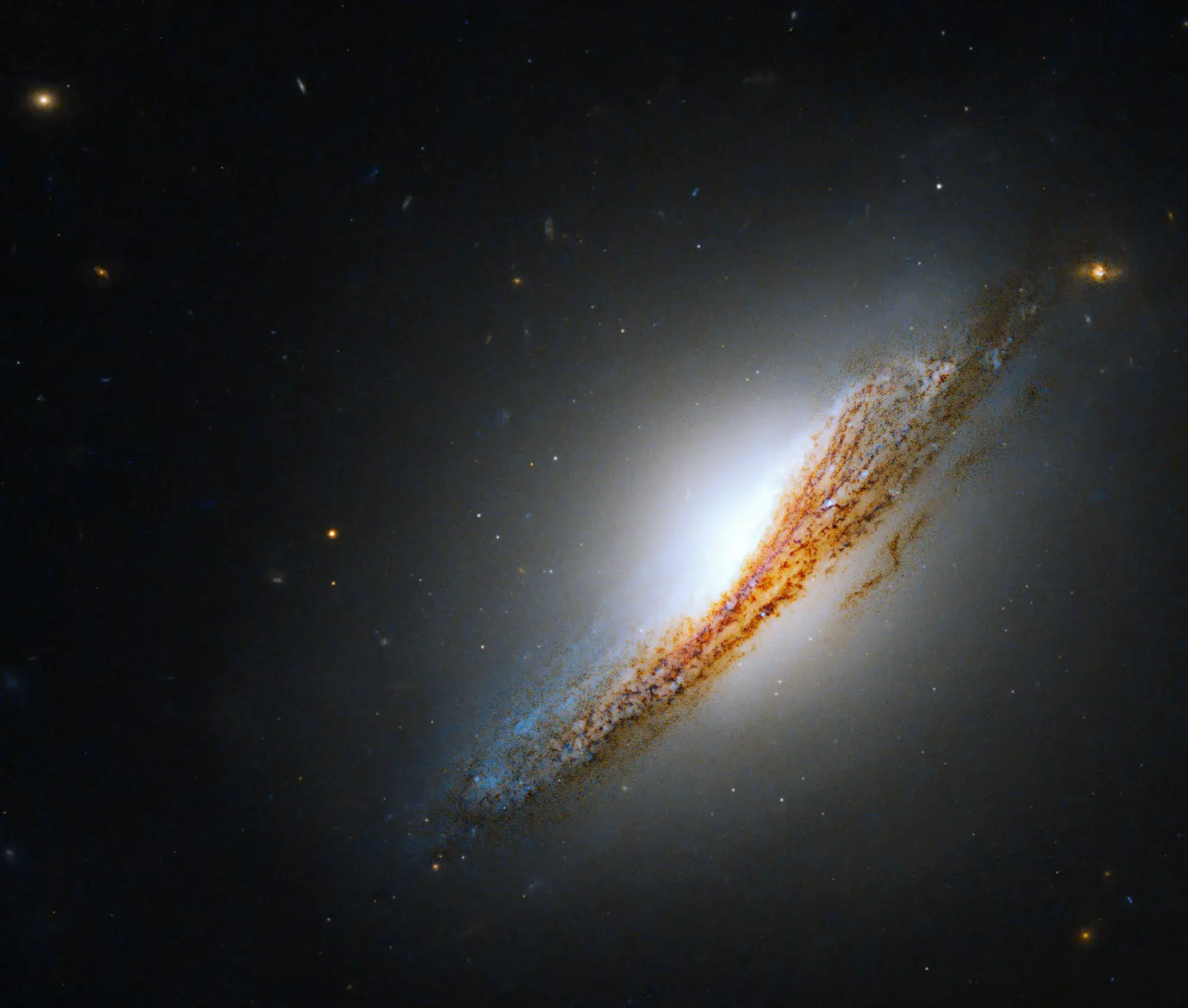
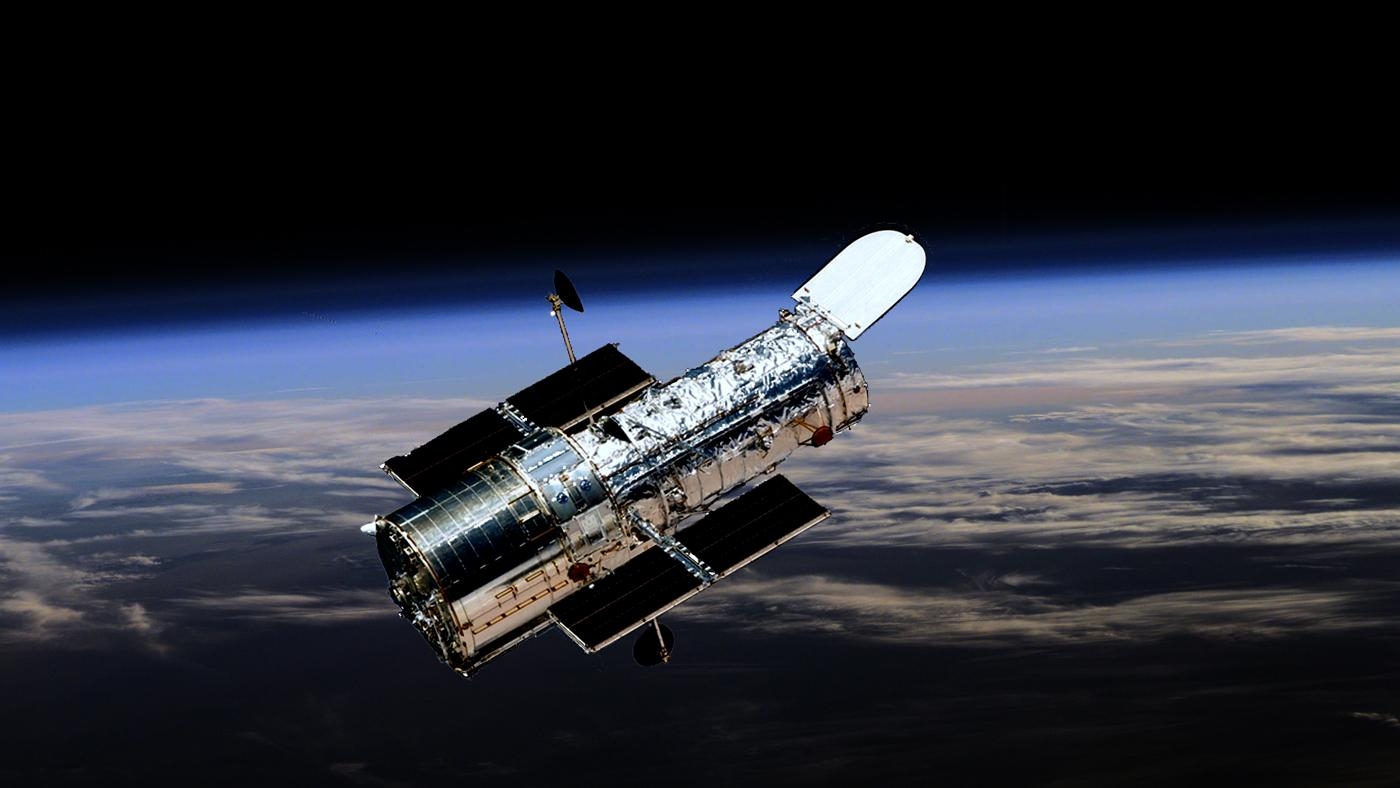
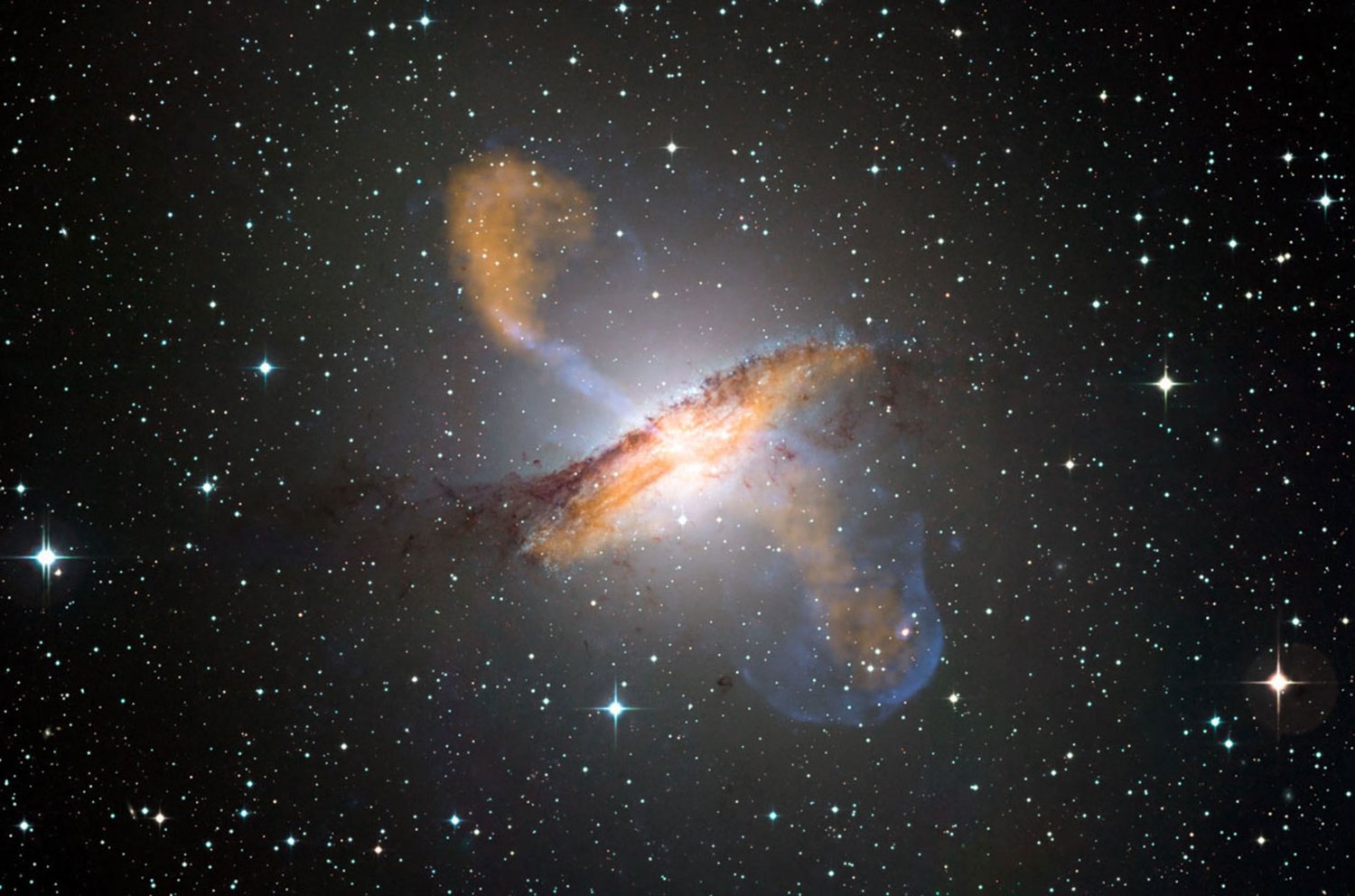
NASA's Hubble Space Telescope has captured a stunning image of the lenticular galaxy NGC 612, known for its significant radio emissions. This active and rare non-elliptical radio galaxy is located in the Sculptor constellation and exhibits characteristics of a Seyfert galaxy. Astronomers hope to uncover the causes of radio wave emissions in galaxies by studying NGC 612, which is one of only five known radio-emitting lenticular galaxies in the universe.

"NASA's Telescope Captures Rare Radio Galaxy and Mesmerizing Space Pictures"

Originally Published 2 years ago — by TweakTown

Featured image for "NASA's Telescope Captures Rare Radio Galaxy and Mesmerizing Space Pictures"
Source: TweakTown

NASA's Hubble Space Telescope has captured a stunning image of the lenticular galaxy NGC 612, showcasing its massive galactic disk comprised of dust and hydrogen. This rare non-elliptical radio galaxy emits significant radio emissions and is believed to have had a past interaction with a companion spiral galaxy. Astronomers hope that studying NGC 612 will provide insights into the causes of radio wave emissions in galaxies.

"Radio Signals Reveal Thousands of Active Red Galaxy Hearts, Say Astronomers"

Originally Published 2 years ago — by Space.com

Featured image for "Radio Signals Reveal Thousands of Active Red Galaxy Hearts, Say Astronomers"
Source: Space.com

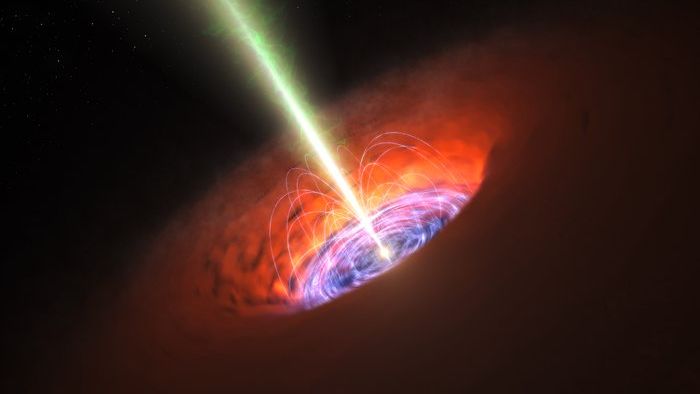
Astronomers have discovered thousands of red quasars, which are younger active galaxies with supermassive black holes that produce stronger radio emissions due to interactions between outflows of radiation and surrounding cosmic dust. Red quasars represent a younger type of quasar and could provide important insights into how galaxies develop and evolve over time. The presence of dust suggests that these quasars have undergone a starburst, an intense period of rapid star formation. The research was published in the Monthly Notices of the Royal Astronomical Society.

Centuries-Long Megastorms on Saturn: Unveiling the Lingering Scars

Originally Published 2 years ago — by Earth.com

Featured image for Centuries-Long Megastorms on Saturn: Unveiling the Lingering Scars
Source: Earth.com

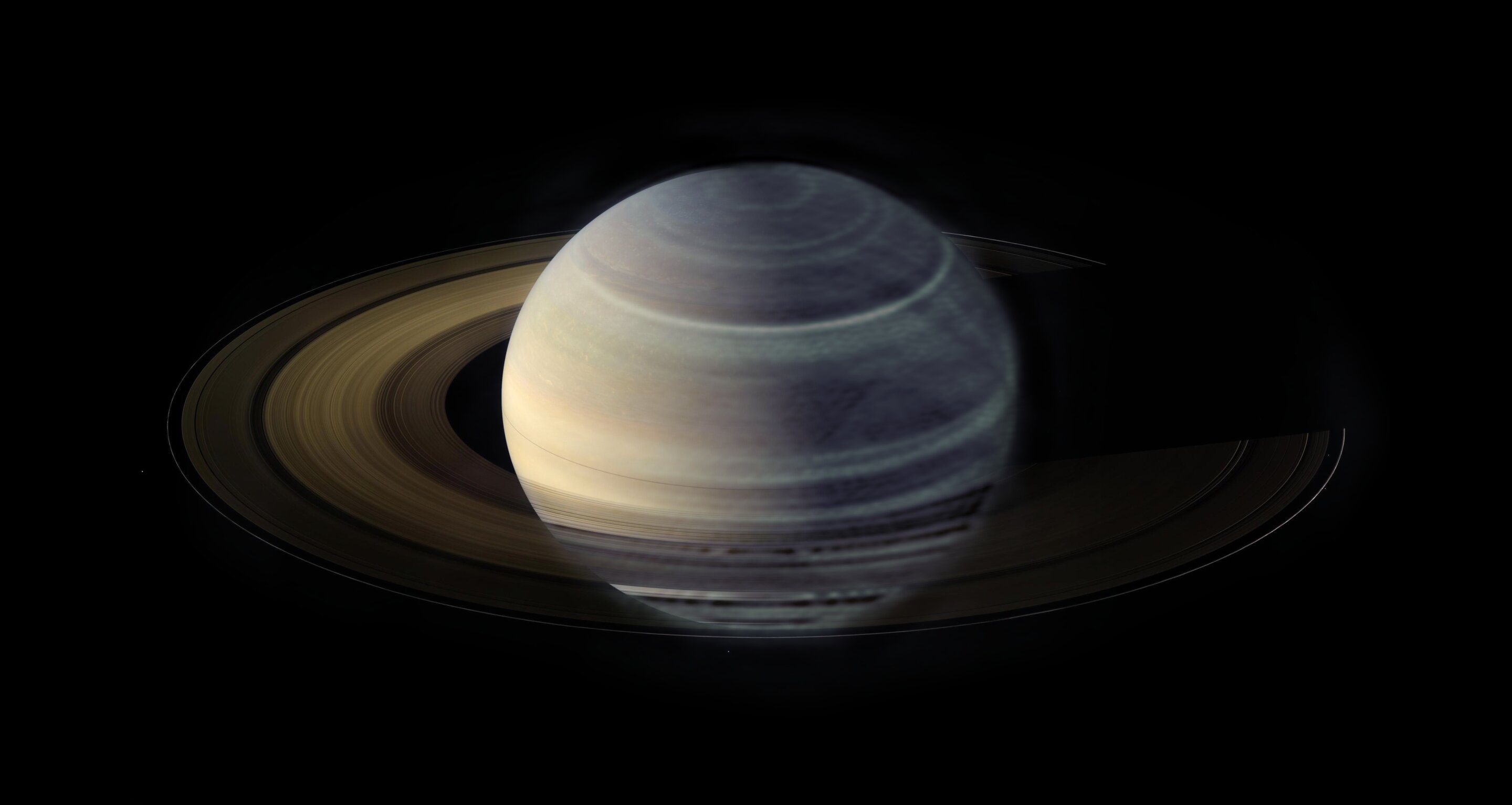
Megastorms on Saturn can last for centuries, leaving marks on its atmosphere. Researchers from UC Berkeley and the University of Michigan studied radio emissions from Saturn and discovered long-term disruptions in the distribution of ammonia gas. These megastorms, which occur every two to three decades, resemble Earth's hurricanes but on a much larger scale. The driving force behind these storms remains a mystery, but the findings provide a broader perspective on the largest storms in the solar system and challenge current knowledge of terrestrial meteorology.

Centuries-Long Impact: Saturn's Giant Storms Leave Lasting Traces

Originally Published 2 years ago — by Phys.org

Featured image for Centuries-Long Impact: Saturn's Giant Storms Leave Lasting Traces
Source: Phys.org

A new study reveals that Saturn, like Jupiter, experiences long-lasting megastorms that persist for centuries and have deep impacts in the atmosphere. These megastorms occur every 20 to 30 years and are similar to hurricanes on Earth but much larger. The study, conducted by astronomers from the University of California, Berkeley, and the University of Michigan, Ann Arbor, used radio emissions to observe disruptions in the distribution of ammonia gas in Saturn's atmosphere. The concentration of ammonia is lower at midaltitudes but becomes enriched at lower altitudes, indicating transport from the upper to the lower atmosphere. The findings challenge current knowledge about megastorm formation on gas giants and may have implications for studying exoplanets in the future.

"FAST Unveils Groundbreaking Black Hole Phenomenon, Revolutionizing Emission Research"

Originally Published 2 years ago — by Global Times

Featured image for "FAST Unveils Groundbreaking Black Hole Phenomenon, Revolutionizing Emission Research"
Source: Global Times

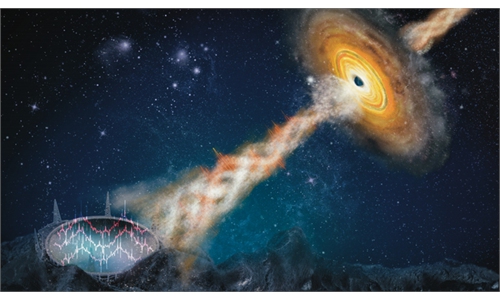
China's Five-hundred-meter Aperture Spherical radio Telescope (FAST) has made a groundbreaking discovery by observing sub-millisecond low-frequency radio quasi-periodic oscillations in microquasars, revealing a direct correlation between these oscillations and relativistic jets in black hole systems. The findings, published in Nature, provide new insights into the mysterious nature of black holes and open up new avenues for observing and studying black hole emissions.

Unusual Star Emissions Baffle Astronomers.

Originally Published 2 years ago — by Space.com

Featured image for Unusual Star Emissions Baffle Astronomers.
Source: Space.com

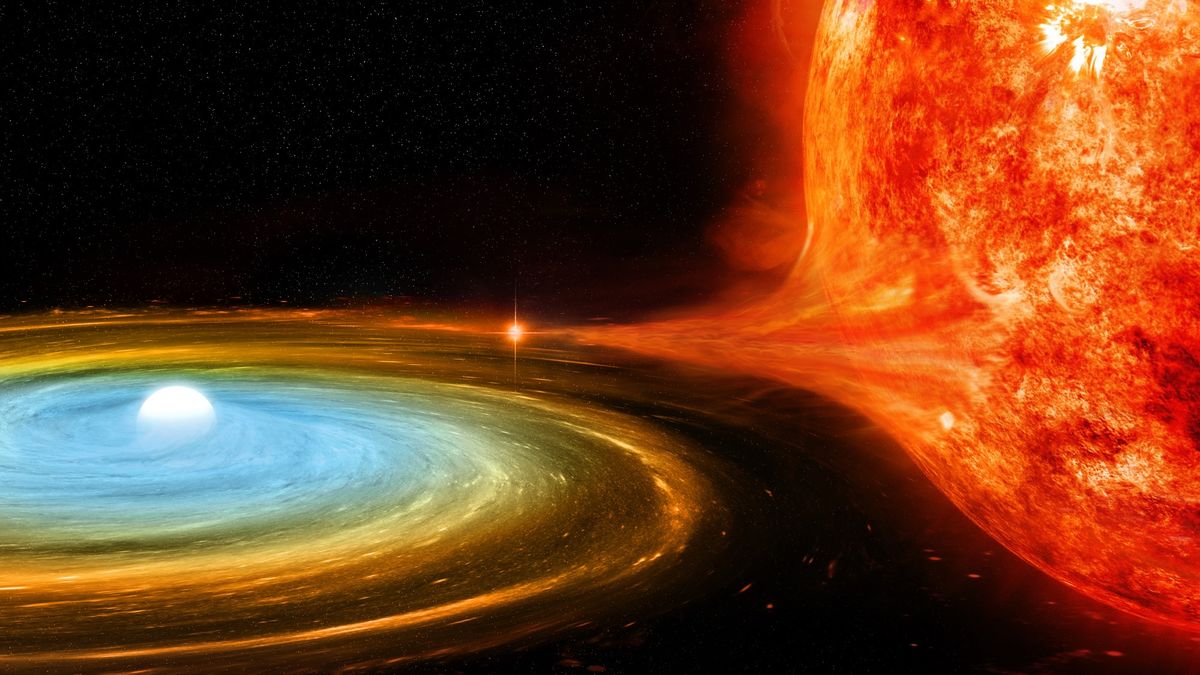
Astronomers studying the V1674 Hercules nova, the fastest and most dramatic ever recorded, have discovered strange radio emissions that are very different from the high-temperature emissions normally seen during such events. The emissions may be from interactions among chunks of stellar material ejected during the explosion, which is quite rare for "classical nova" such as V1674 Hercules. The team hopes to understand what's causing the mysterious radio emissions by combining observations from various telescopes.