Google's Gemini app has introduced three new AI models—Flash, Thinking, and Pro—offering faster responses, complex problem-solving, and advanced math and coding capabilities, with wide rollout in the app and AI Mode, enhancing user experience with contextual awareness features.
Google Translate is introducing a new model picker feature on iOS that allows users to choose between 'Advanced' for high-accuracy translations and 'Fast' for quicker results, with the option currently available in select languages and on some iOS devices.
The article emphasizes the importance of recognizing stroke symptoms using the FAST acronym and other signs like loss of balance or severe headaches, urging immediate medical attention to prevent serious neurological damage.
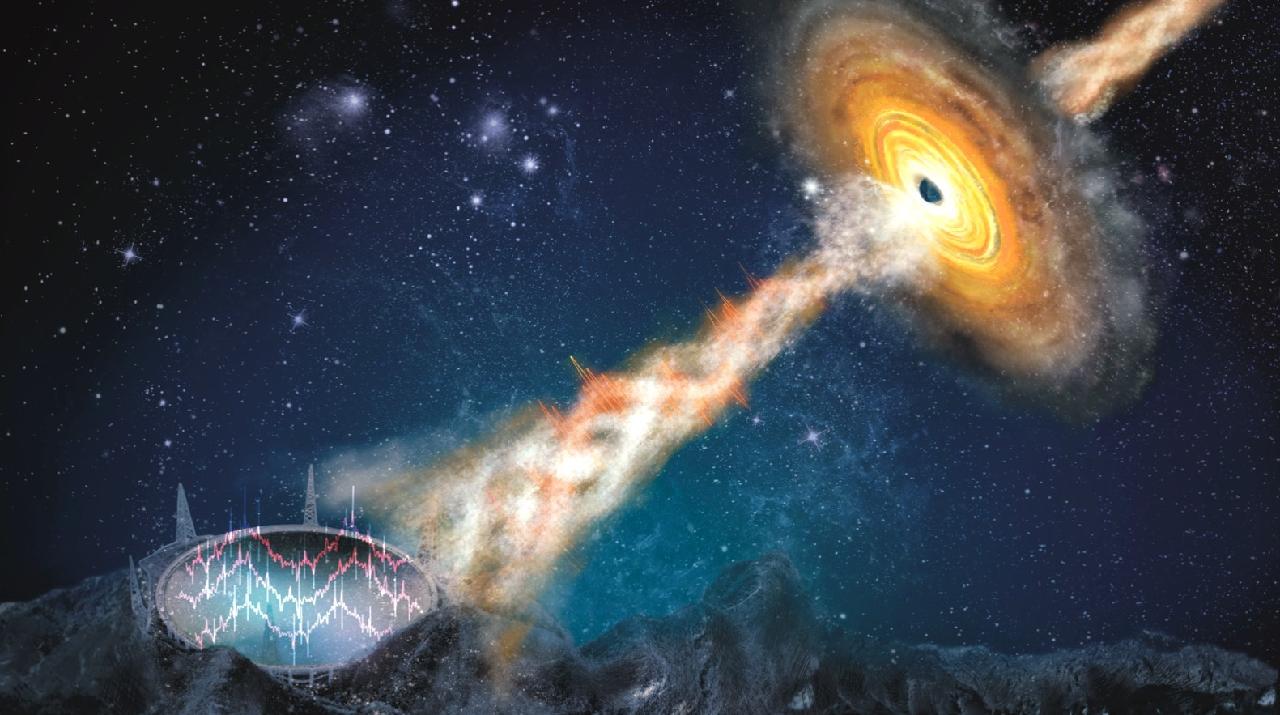
China's Five-hundred-meter Aperture Spherical Radio Telescope (FAST) has detected sub-second low-frequency radio quasiperiodic oscillations in a black-hole X-ray binary, providing insights into the dynamic features of relativistic jets. The observations, made from 2020 to 2022, revealed transient periodic oscillations and directly linked them to relativistic jets. This marks the first time such oscillations have been observed in a microquasar, opening up new avenues for radio observation and theoretical research of black holes. Additionally, five intelligent robot systems have been approved for maintenance of FAST, increasing its observation duration and efficiency.
China's Five-hundred-meter Aperture Spherical radio Telescope (FAST) has made a groundbreaking discovery by observing sub-millisecond low-frequency radio quasi-periodic oscillations in microquasars, revealing a direct correlation between these oscillations and relativistic jets in black hole systems. The findings, published in Nature, provide new insights into the mysterious nature of black holes and open up new avenues for observing and studying black hole emissions.
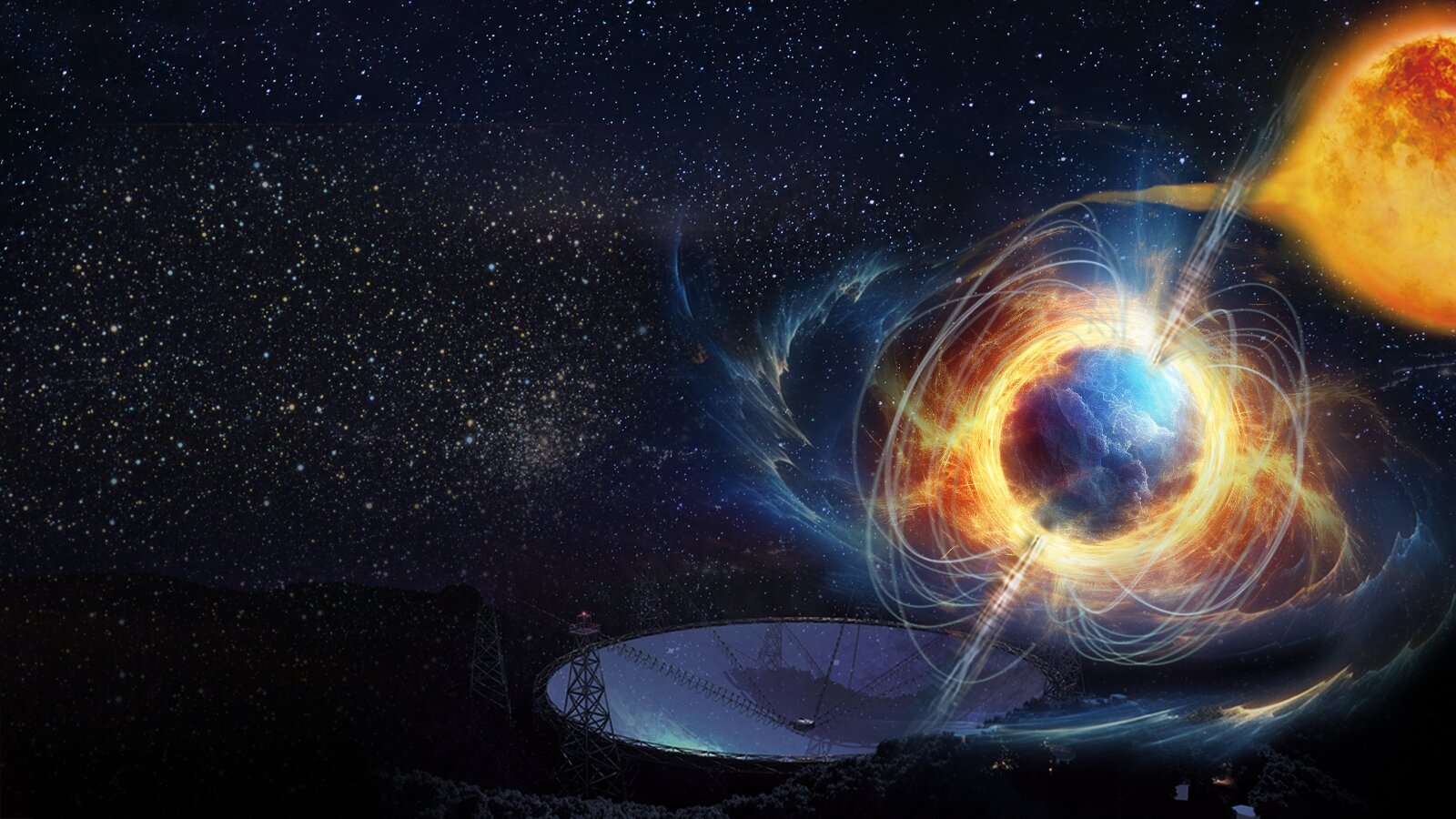
Researchers using the Five-hundred-meter Aperture Spherical radio Telescope (FAST) have discovered a binary pulsar system, named PSR J1953+1844 or M71E, with a 53-minute orbital period. This discovery fills the gap in the evolution of spider pulsar systems, confirming the theoretical path from redback to black widow states. The findings provide new insights into the behavior of these fascinating objects and were published in Nature.
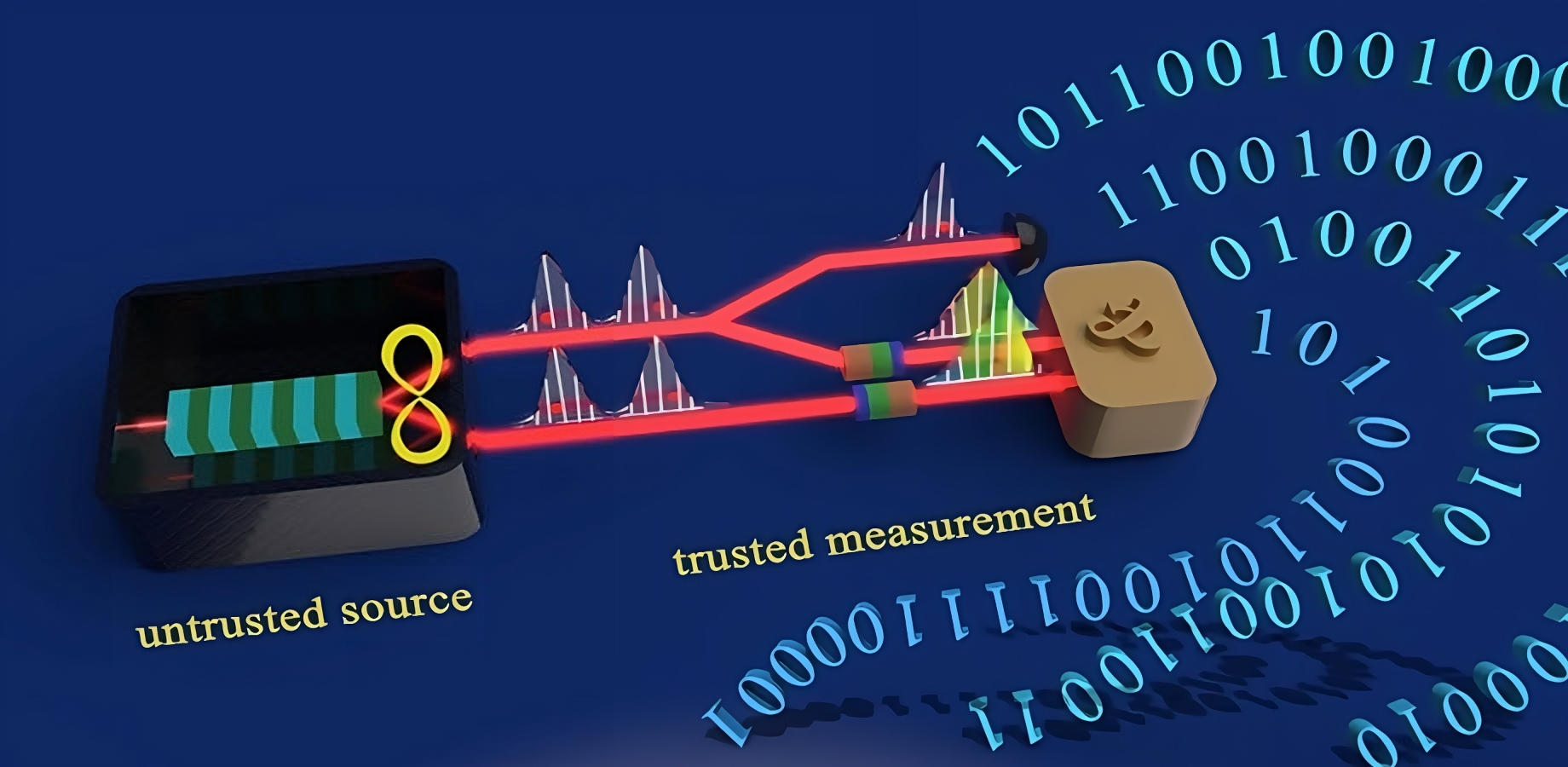
Researchers from Nanjing University have proposed and demonstrated a secure and fast source-device-independent quantum random number generator (QRNG) protocol. The protocol utilizes single-photon detection technology and entangled photons to generate random numbers. By certifying the time-energy entanglement through nonlocal dispersion cancellation, the researchers confirmed the security of the scheme. The QRNG achieved a secure generation rate of 4 megabits per second (Mbps), with the potential to reach gigabits per second with advanced single-photon detectors. This development paves the way for practical applications of secure quantum information tasks and promotes the advancement of high-performance and high-security QRNGs.
Researchers at Tsinghua University, the Purple Mountain Observatory, and Peking University have explored the possibility of directly detecting dark photons, prominent dark matter candidates, using radio telescopes. Their study suggests that radio telescopes could potentially enable the direct detection of dark photons, particularly ultra-light dark photons. The analyses conducted by this team of researchers suggest that the Five-hundred-meter Aperture Spherical radio Telescope (FAST) in China could discover dark photon dark matter if it is composed of dark photons and is in the right mass region.
Bill Ramsey, a Kansas man, had strokes at ages 28 and 33, and still has side effects from them. He waited two days before going to the doctor, not knowing what was wrong. Quick intervention can minimize the long-term effects of strokes in young people. According to the Centers for Disease Control and Prevention, someone in the U.S. has a stroke every 40 seconds. The American Heart Association says to think F.A.S.T. when looking for signs of a stroke.
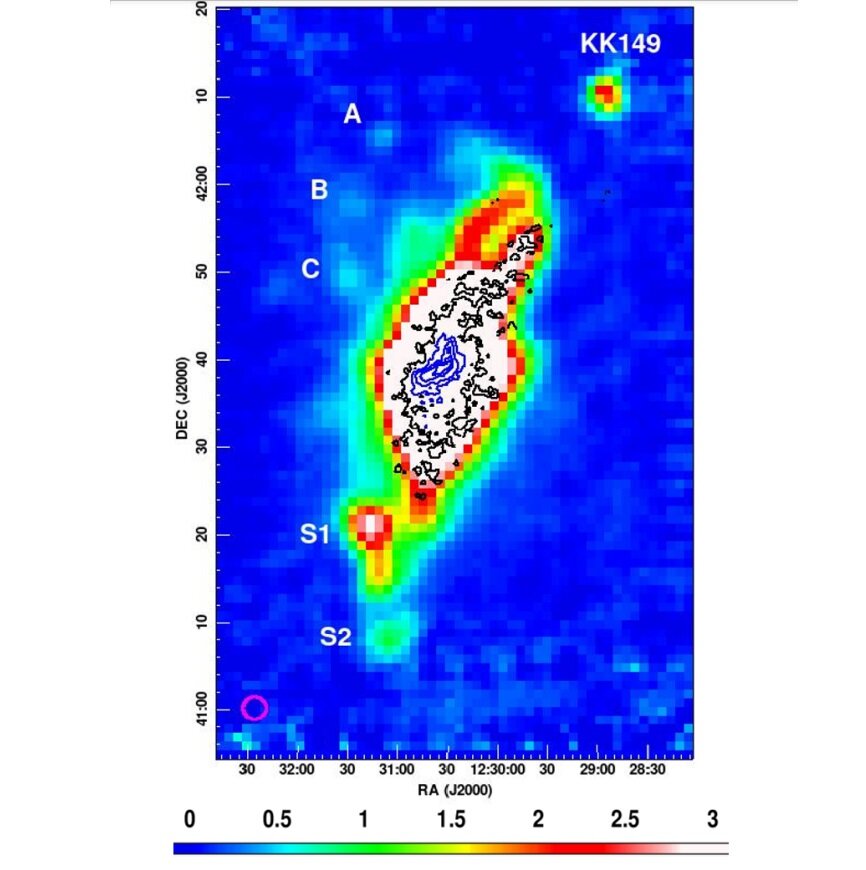
Chinese astronomers using the FAST telescope have detected long tidal tails emerging from the galaxy pair Arp 269, consisting of a smaller irregular galaxy NGC 4485 and a larger barred spiral galaxy NGC 4490. The tails extend in both the south and north directions, reaching together a size of about 325,000 light years. The researchers suggest that the tails are the debris torn out from the NGC 4485 disk due to interaction with the NGC 4490 galaxy. The study also detected a collimated gas component pointing at a nearby dwarf galaxy known as KK 149, located about 160,000–200,000 light years away from NGC 4490.
MipTV 2023 saw a slowdown in scripted TV drama due to spiraling budgets, the cost-of-living crisis, and chaos in the American market. However, unscripted formats are experiencing a revival, with The Traitors leading the way. The Free Ad-supported Streaming TV (FAST) Summit was a hit, with execs discussing revenue opportunities. U.S. shows had a bigger presence at Canneseries, and MipTV still has a place in the market, with attendance up 22% from 2022.
Google TV is adding over 800 free channels to its live guide, including channels from Tubi, Plex, and Haystack News, as well as its own FAST channels that can be streamed instantly. The expansion of the live TV tab comes after Google rolled out other changes to Google TV’s interface. Google plans to bring the new TV guide and free channels to eligible Android TV devices later this year.
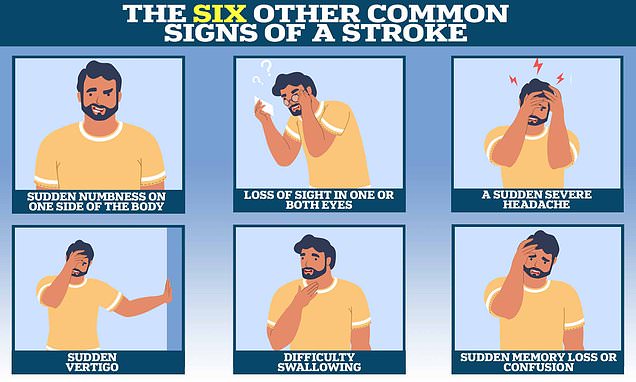
Stroke symptoms are commonly remembered under the acronym FAST, but there are other tell-tale signs of a looming stroke that often fall under the radar. These include sudden numbness on one side of the body, sudden vertigo, difficulty swallowing, loss of sight in one or both eyes, sudden memory loss, and a sudden, severe headache. Immediate treatment for a transient ischemic attack (TIA) or minor stroke can substantially slash the risk of a much deadlier major stroke. Age, high blood pressure, smoking, obesity, sedentary lifestyle, and diabetes are all known to increase the risk of stroke.