Tag

Lenticular Galaxy

All articles tagged with #lenticular galaxy

science-and-astronomy2 years ago

"Hubble Telescope Uncovers Rare Radio Galaxy with Luminous Heart"

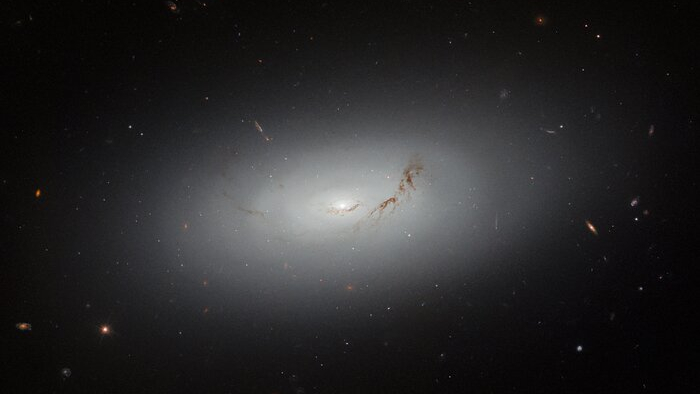
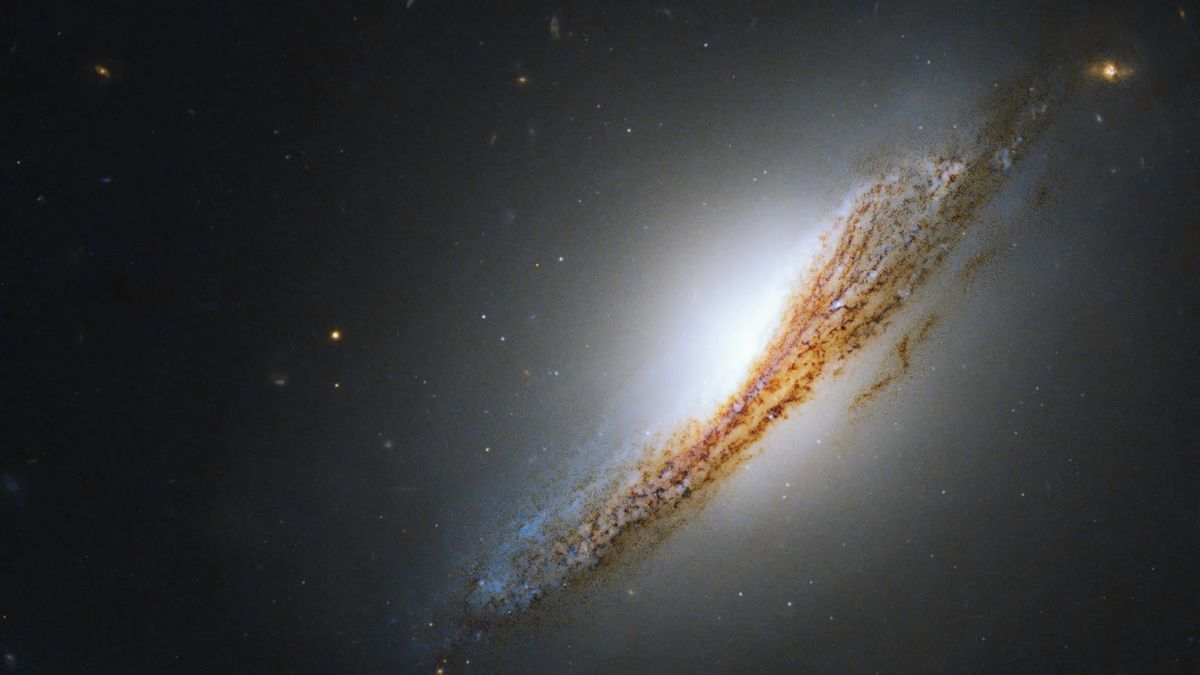
NASA's Hubble Space Telescope has captured a stunning image of lenticular galaxy NGC 612, which is an active galaxy with a supermassive black hole at its center. The galaxy's central region is incredibly energetic, spewing out jets of gas at nearly the speed of light and outshining the combined light of every star in the galaxy. NGC 612 is also a Seyfert galaxy, emitting large amounts of infrared radiation. This rare non-elliptical galaxy is believed to have had a past interaction with a companion spiral galaxy, and it is one of only five known radio-emitting lenticular galaxies.

astronomy2 years ago

"NASA's Telescope Captures Rare Radio Galaxy and Mesmerizing Space Pictures"

NASA's Hubble Space Telescope has captured a stunning image of the lenticular galaxy NGC 612, showcasing its massive galactic disk comprised of dust and hydrogen. This rare non-elliptical radio galaxy emits significant radio emissions and is believed to have had a past interaction with a companion spiral galaxy. Astronomers hope that studying NGC 612 will provide insights into the causes of radio wave emissions in galaxies.

astronomy2 years ago

"Hubble Telescope Captures Mesmerizing Glowing Galactic Disk in Deep Space"

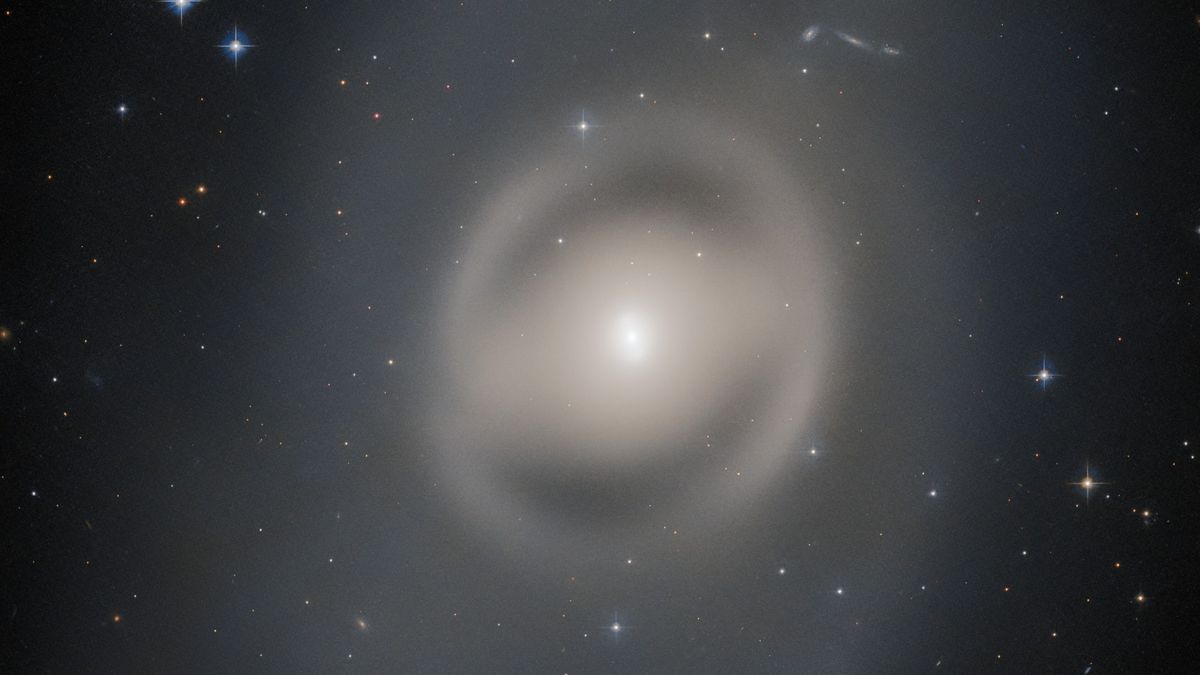
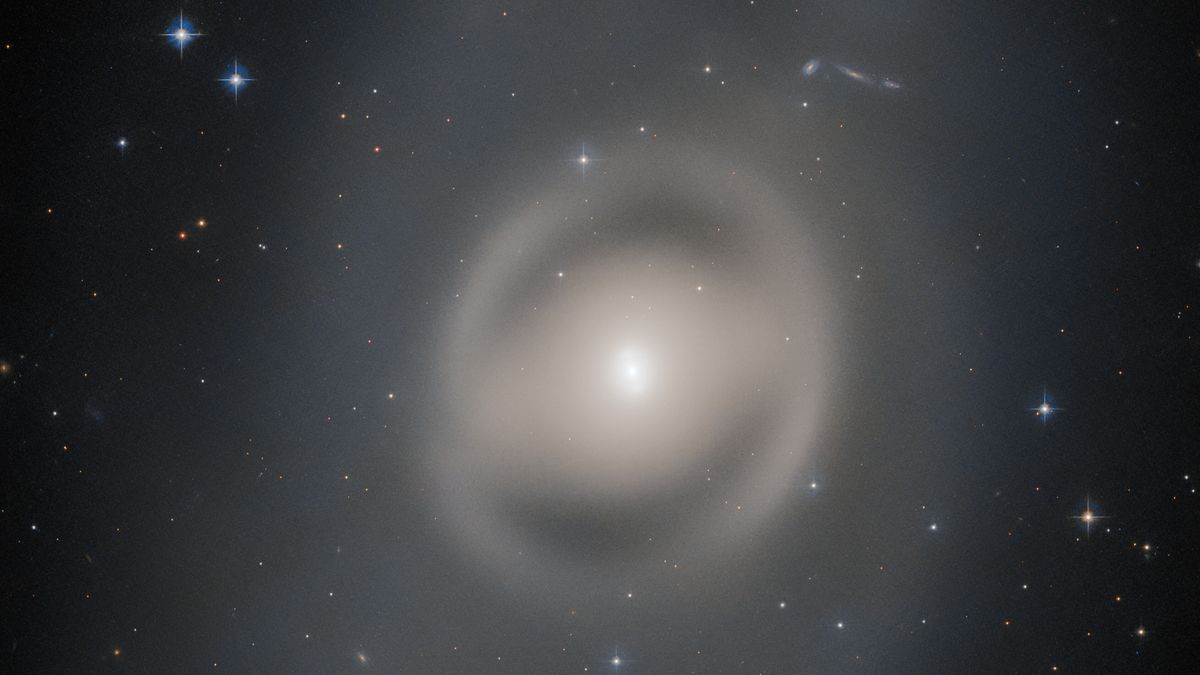
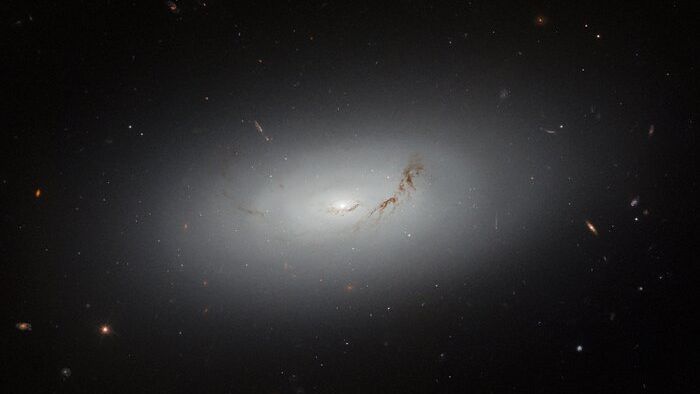
The Hubble Space Telescope has captured a stunning image of the distant galaxy NGC 3156, located 73 million light-years away in the Sextans constellation. NGC 3156 is a lenticular galaxy, characterized by a bright central bulge and no distinct spiral arms. The image reveals faint concentric ovals that grow brighter towards the galaxy's core, as well as two threads of dark red interstellar dust circling the central bulge. The sparse surrounding area suggests few cosmic neighbors. The Sextans constellation is named after the astronomical tool used to measure angular distances in the sky, and the Hubble photo highlights the historical significance of sextants in astronomy.

astronomy2 years ago

"Hubble Telescope Captures Mesmerizing Glowing Galactic Disk in Deep Space"

The Hubble Space Telescope has captured a stunning image of a distant galaxy, NGC 3156, located 73 million light-years away in the Sextans constellation. This lenticular galaxy features a bright central bulge and faint concentric ovals that become progressively brighter towards the core. Two threads of dark red interstellar dust can be seen crossing the galaxy's disk. The photo also reveals the sparse surroundings of deep space. The Sextans constellation, named after an ancient astronomical tool, occupies a relatively dark area of the sky. The Hubble's advanced instruments have allowed astronomers to study NGC 3156's position, stellar population, and its supermassive black hole.

astronomy2 years ago

"Captivating Space Photo Reveals Enigmatic Cosmic 'Ghost' from the Universe's Past"

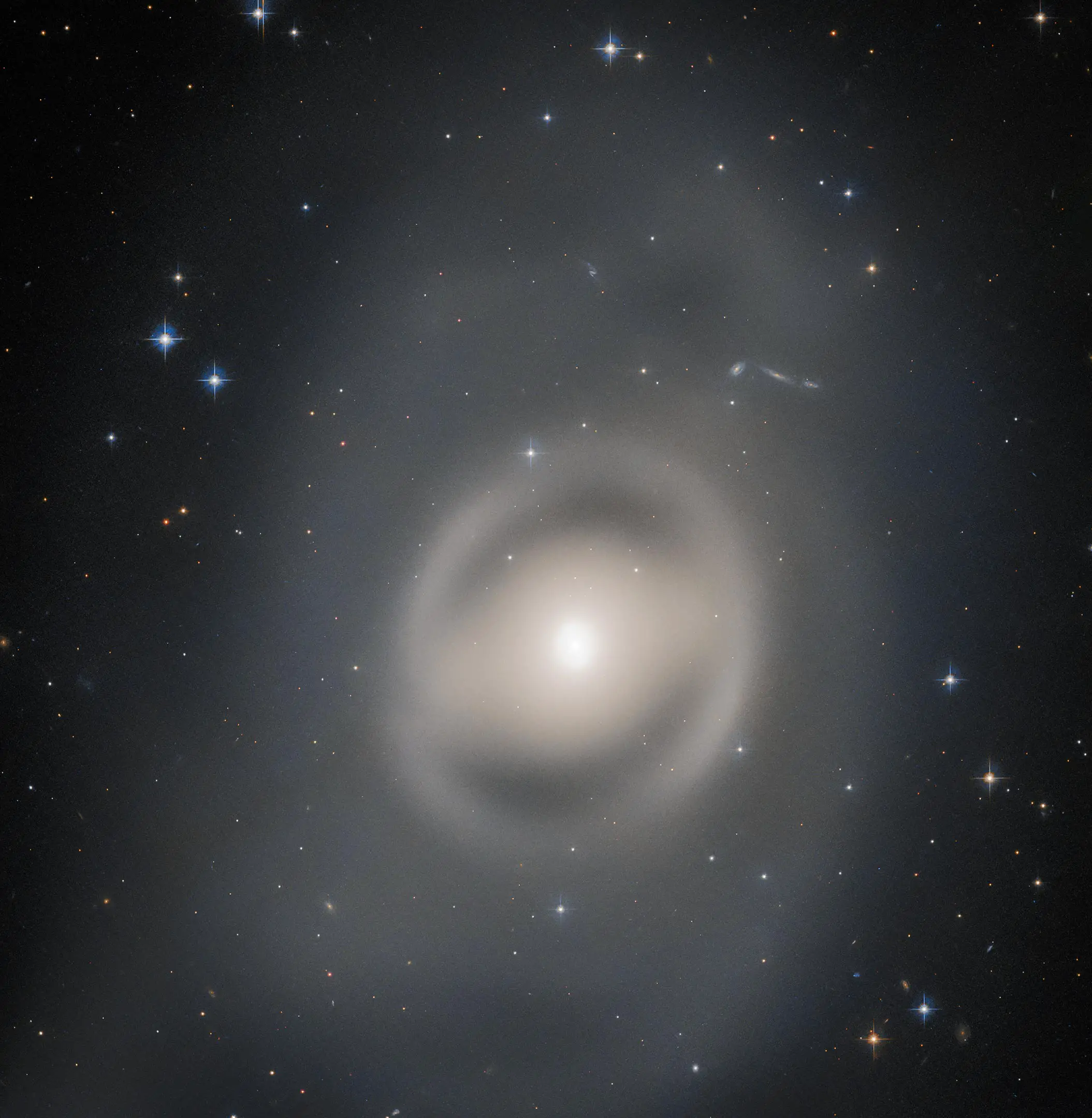
The Hubble Space Telescope has captured an image of NGC 6684, a lenticular galaxy located 44 million light-years away in the constellation Pavo. Unlike the Milky Way, which is a spiral galaxy with rotating arms, NGC 6684 has a hazy, ghostly shape and a disk of stars. Lenticular galaxies contain older stars and may be aging spiral galaxies or the result of galactic mergers. Other lenticular galaxies recently imaged by Hubble include NGC 1023, NGC 5283, and NGC 3489. While NGC 6684 is not visible with backyard telescopes, the Andromeda galaxy (M31) can be seen in the eastern sky in late September and early October. Astronomers predict that Andromeda will collide with the Milky Way in about 4 billion years.

space2 years ago

"Hubble telescope reveals ethereal galaxy illuminating the cosmos"

The Hubble Space Telescope has captured a new image of a distant lenticular galaxy, NGC 6684, located approximately 44 million light-years away in the constellation Pavo. Lenticular galaxies, which have a central bulge and disk but lack distinct arms, emit a pale light due to their older stellar populations and lack of interstellar matter. The image was taken as part of a census of nearby galaxies, aiming to observe all galaxies within 32.6 million light-years that the telescope has not already visited.