Tag

Radio Astronomy

All articles tagged with #radio astronomy

Radio Echo Unveils Hidden Gamma-Ray Burst in Distant Galaxy
science3 days ago

Radio Echo Unveils Hidden Gamma-Ray Burst in Distant Galaxy

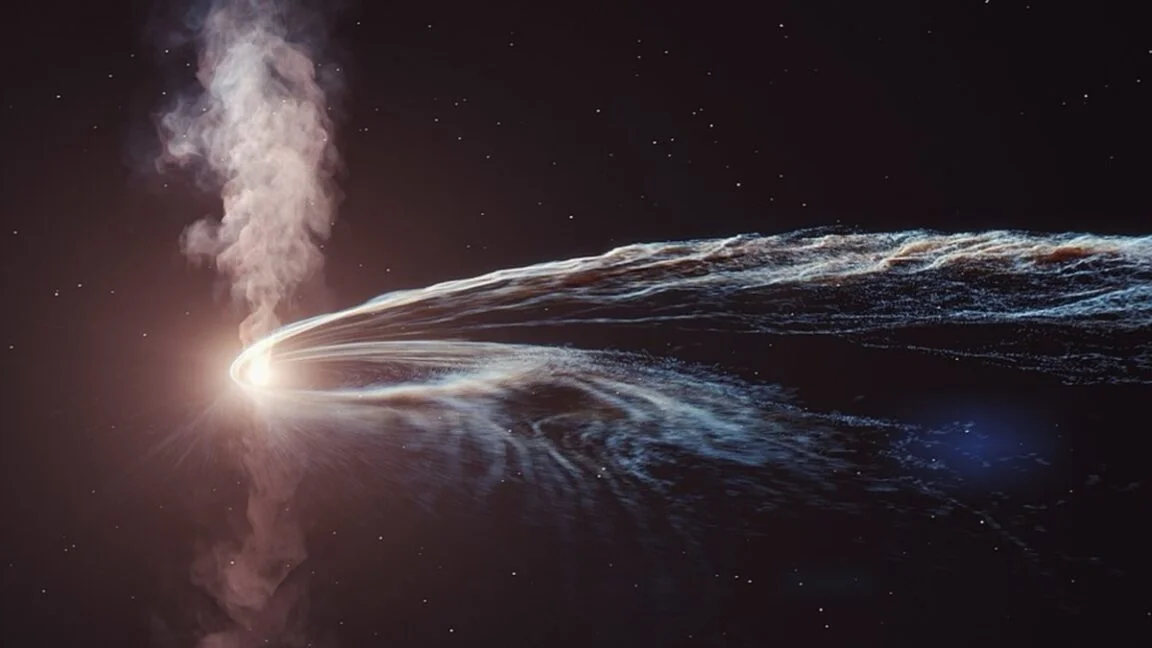
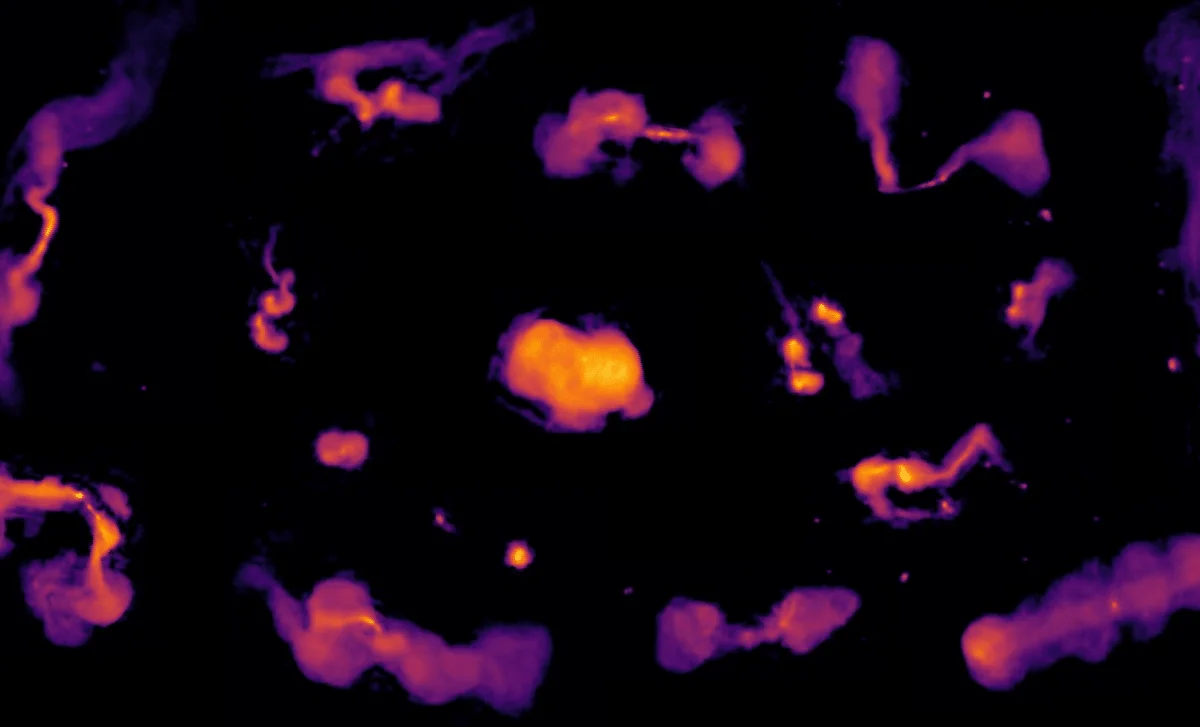
Astronomers using the Australian SKA Pathfinder (ASKAP) detected the long‑lived radio afterglow of a powerful gamma‑ray burst that emitted little or no high‑energy light, revealing an orphan afterglow (ASKAP J005512-255834). The radio source brightened to about 10^32 watts of energy and faded over about 1,000 days, and lies in a distant, star‑forming galaxy ~1.7 billion light‑years away. This finding provides a clearer example of hidden GRB events and could help map the full gamma‑ray burst population, though an alternative explanation — a star torn apart by an intermediate‑mass black hole — remains possible.
Gigamaser: The Universe’s Brightest Microwave Laser Detected in Deep Space
space-and-spaceflight3 days ago

Gigamaser: The Universe’s Brightest Microwave Laser Detected in Deep Space

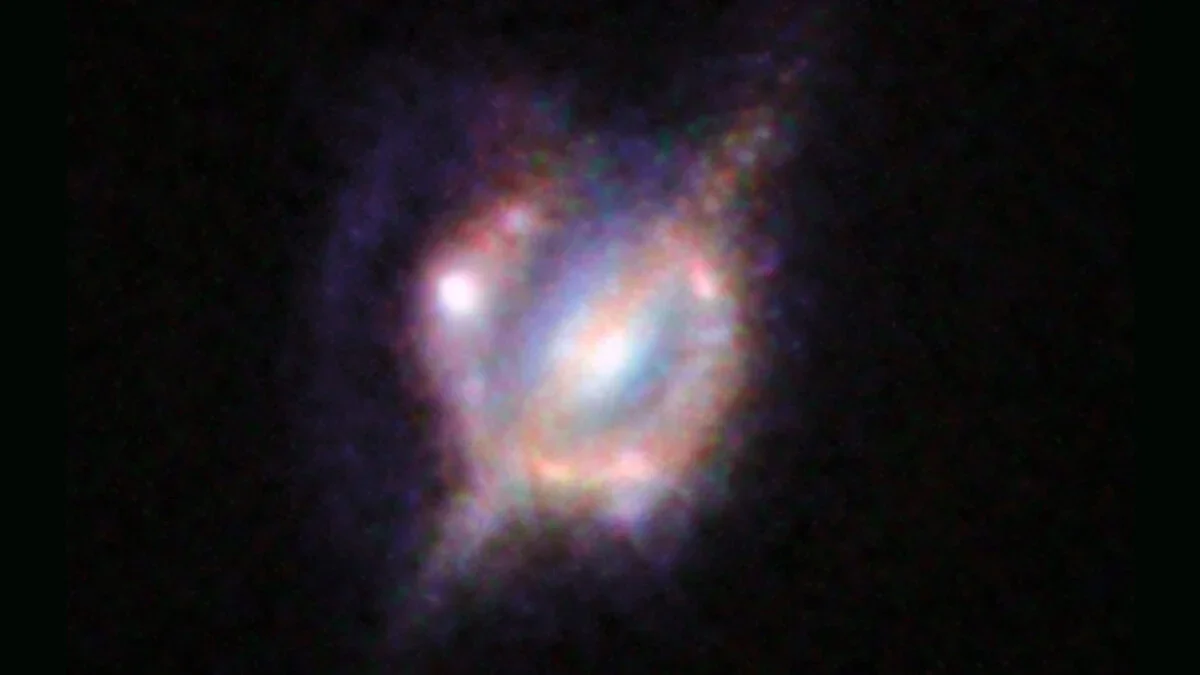
Astronomers using the MeerKAT radio telescope spotted an extremely bright hydroxyl maser in the distant galaxy merger H-ATLAS J142935.3–002836, whose signal was amplified by an unrelated foreground galaxy acting as a gravitational lens, yielding the first gigamaser—about 100,000 times the luminosity of a star—and enabling new ways to probe cosmic evolution from billions of light-years away.

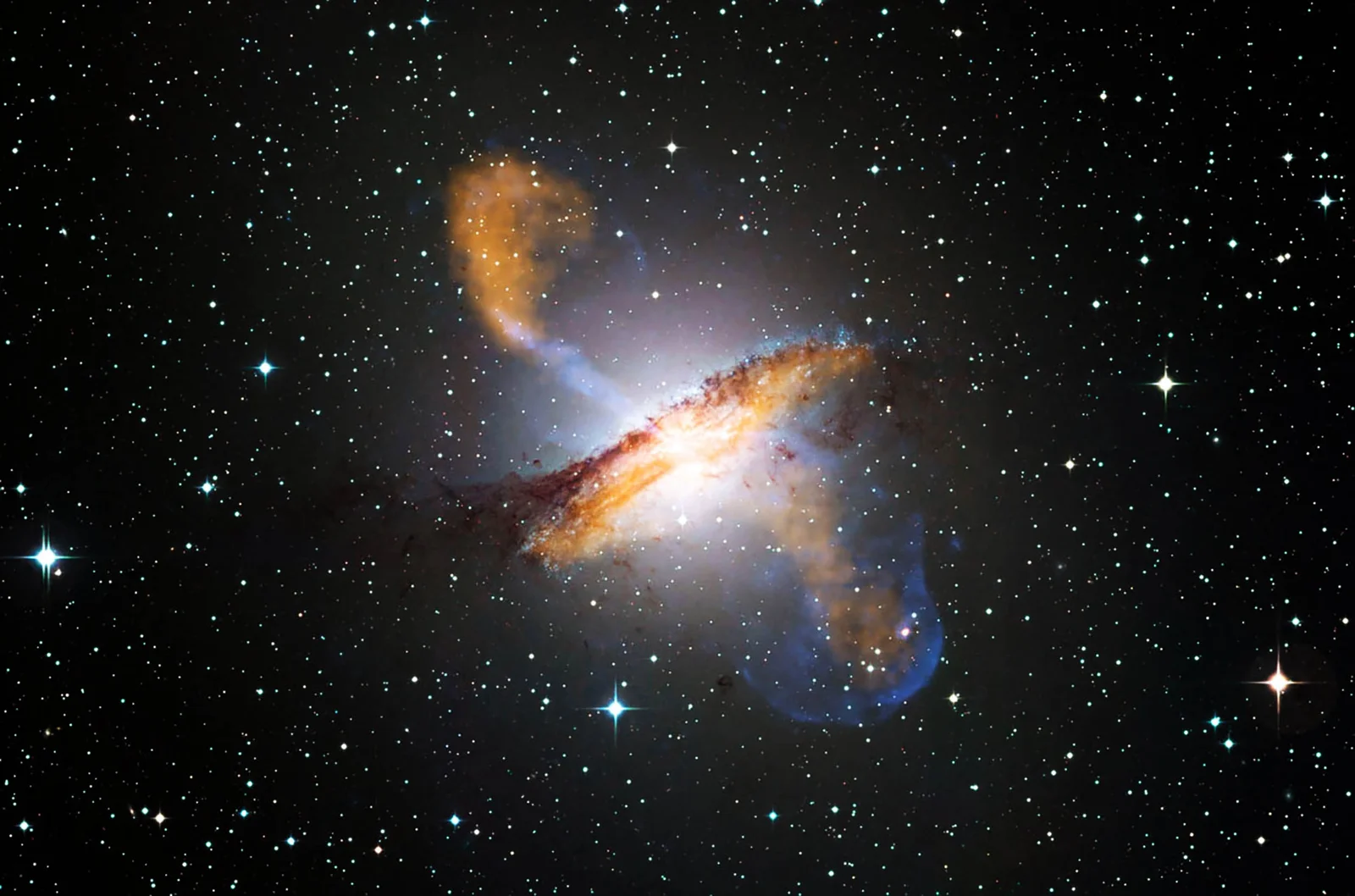
Unprecedented Black Hole Jet Surges 50x Brighter in Rare TDE
science20 days ago

Unprecedented Black Hole Jet Surges 50x Brighter in Rare TDE

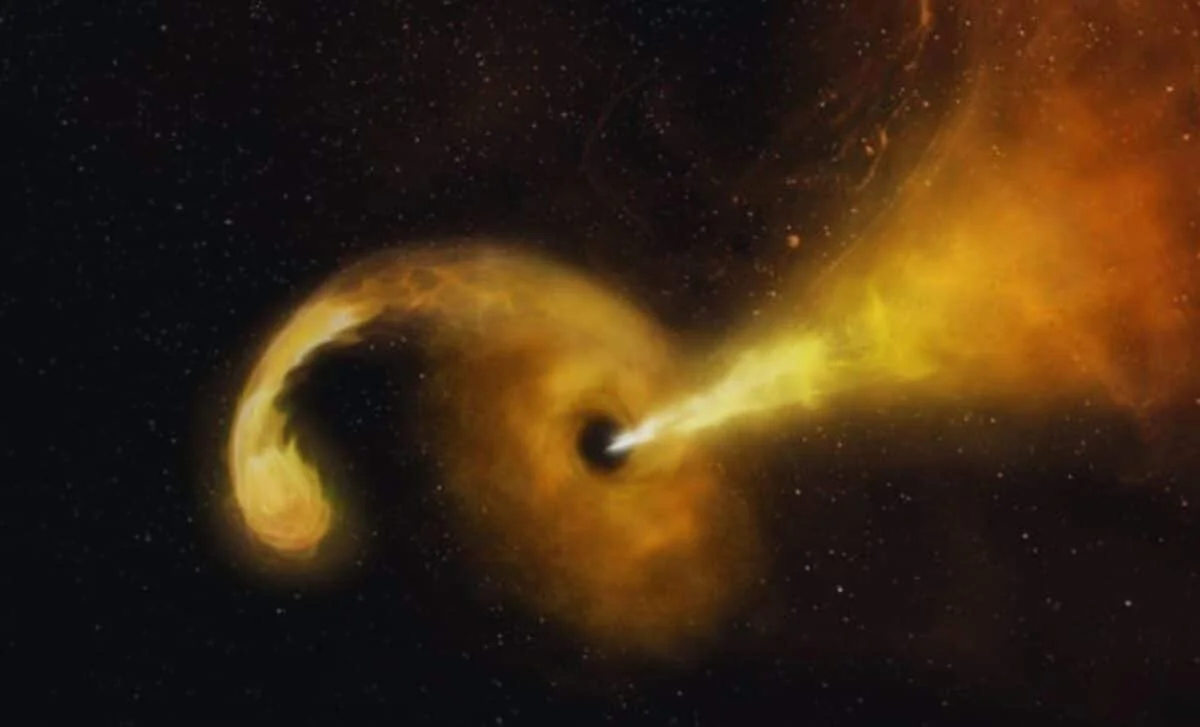
Astronomers report a rare tidal disruption event AT2018hyz producing a narrow, ultra-fast jet from a supermassive black hole 665 million light-years away. The jet is now 50x brighter than when first detected, with total energy up to 5e55 ergs and a predicted peak around 2027, challenging typical TDE models with a long-lived jet. Future observations, including with the SKA, will help uncover more such events.

X-Ray Emission Linked to Milky Way's Rare 44-Minute Transient
astronomy29 days ago

X-Ray Emission Linked to Milky Way's Rare 44-Minute Transient

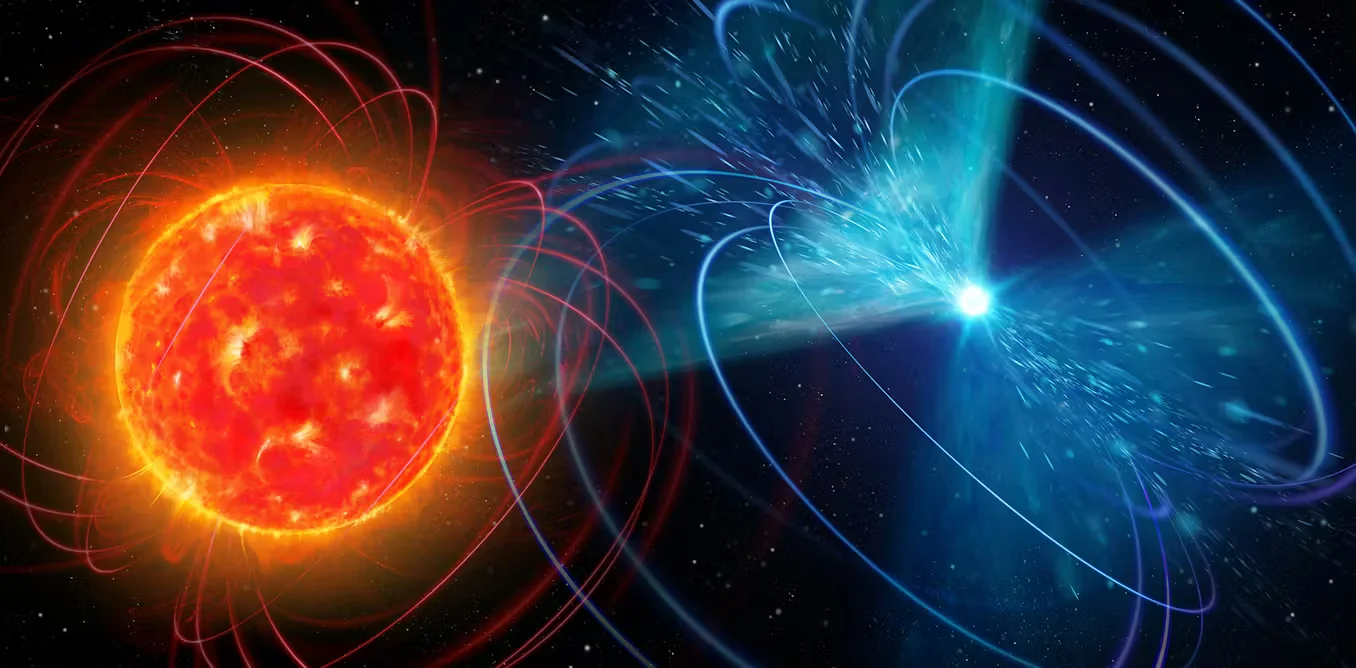
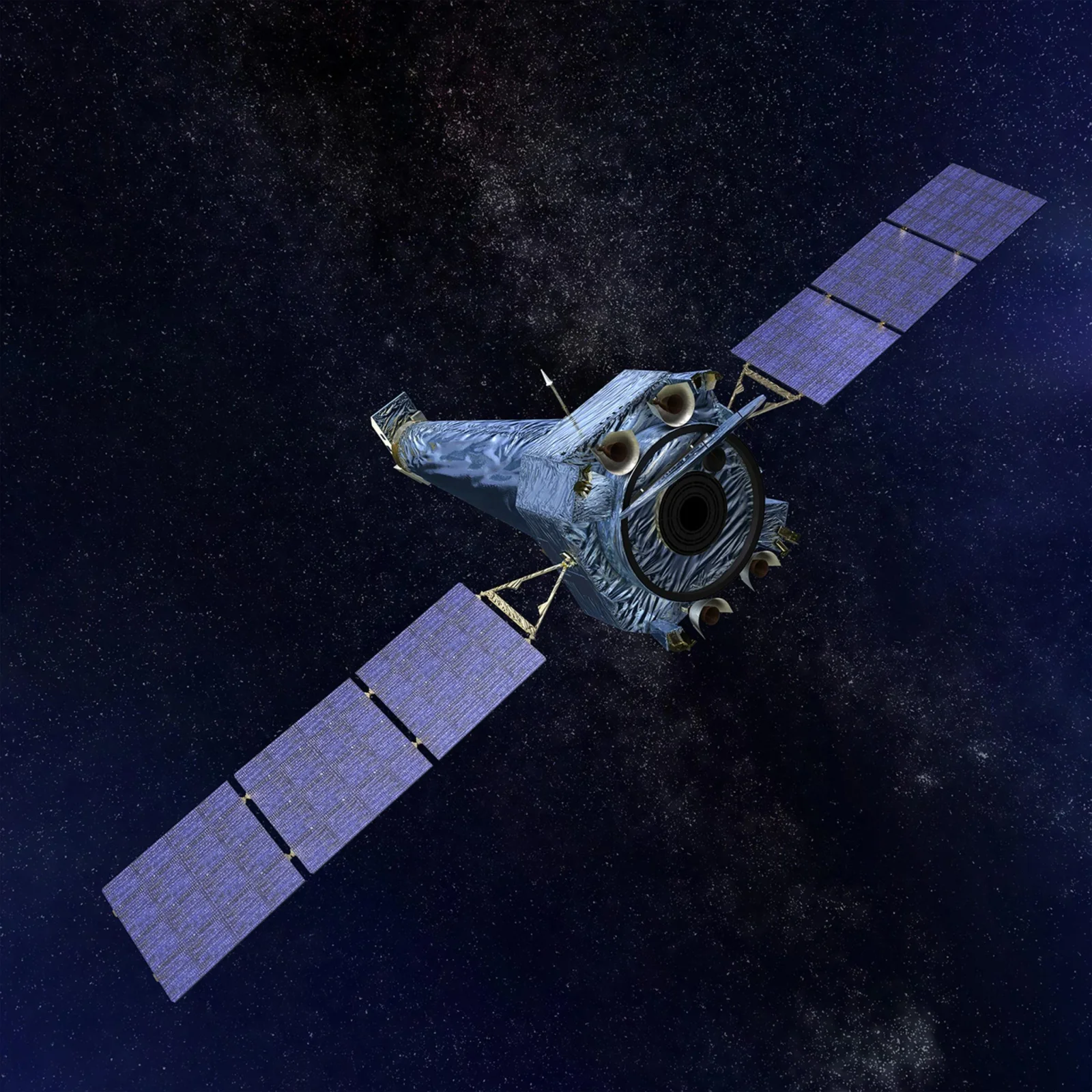
Astronomers at ICRAR and partners have identified ASKAP J1832-0911 as a rare long-period transient that emits radio bursts every 44 minutes and, for the first time, X-rays observed by Chandra. This cross-wavelength detection from a source about 15,000 light-years away in the Milky Way provides crucial clues to the origin of LPTs and could point to new physics or revised stellar evolution models, with possible explanations including a magnetar or a magnetized white-dwarf binary. The discovery underscores the value of simultaneous radio and X-ray observations to find more such objects.

Masers Rise Again: From Microwave Marvel to Room-Temperature Quantum Possibility
technology1 month ago

Masers Rise Again: From Microwave Marvel to Room-Temperature Quantum Possibility

Masers are the microwave cousins of lasers that power cryogenic amplifiers for deep-space signals, provide precise timekeeping with hydrogen and cesium clocks, and appear in natural astrophysical sources; advances in new materials could enable room-temperature masers and even chip-scale devices for quantum computing, signaling a potential revival beyond their historical role.

Moon–Earth telescope network eyed to image dozens of black hole shadows
science-space1 month ago

Moon–Earth telescope network eyed to image dozens of black hole shadows

Researchers propose a Moon–Earth radio telescope network that could reach sub‑microarcsecond resolution, enabling direct shadows of dozens of supermassive black holes. Six strong targets are identified (including M104 and NGC 1052); a 100‑meter lunar dish paired with Earth baselines could detect all 31 candidates, with far‑side sites offering radio‑quiet observations. The approach relies on visibility data rather than traditional images and remains a decades‑long pursuit, but could greatly advance tests of general relativity and black hole imaging beyond current capabilities.

Ultra-Deep Radio Map of the Milky Way Unmasks Hidden Remnants
science1 month ago

Ultra-Deep Radio Map of the Milky Way Unmasks Hidden Remnants

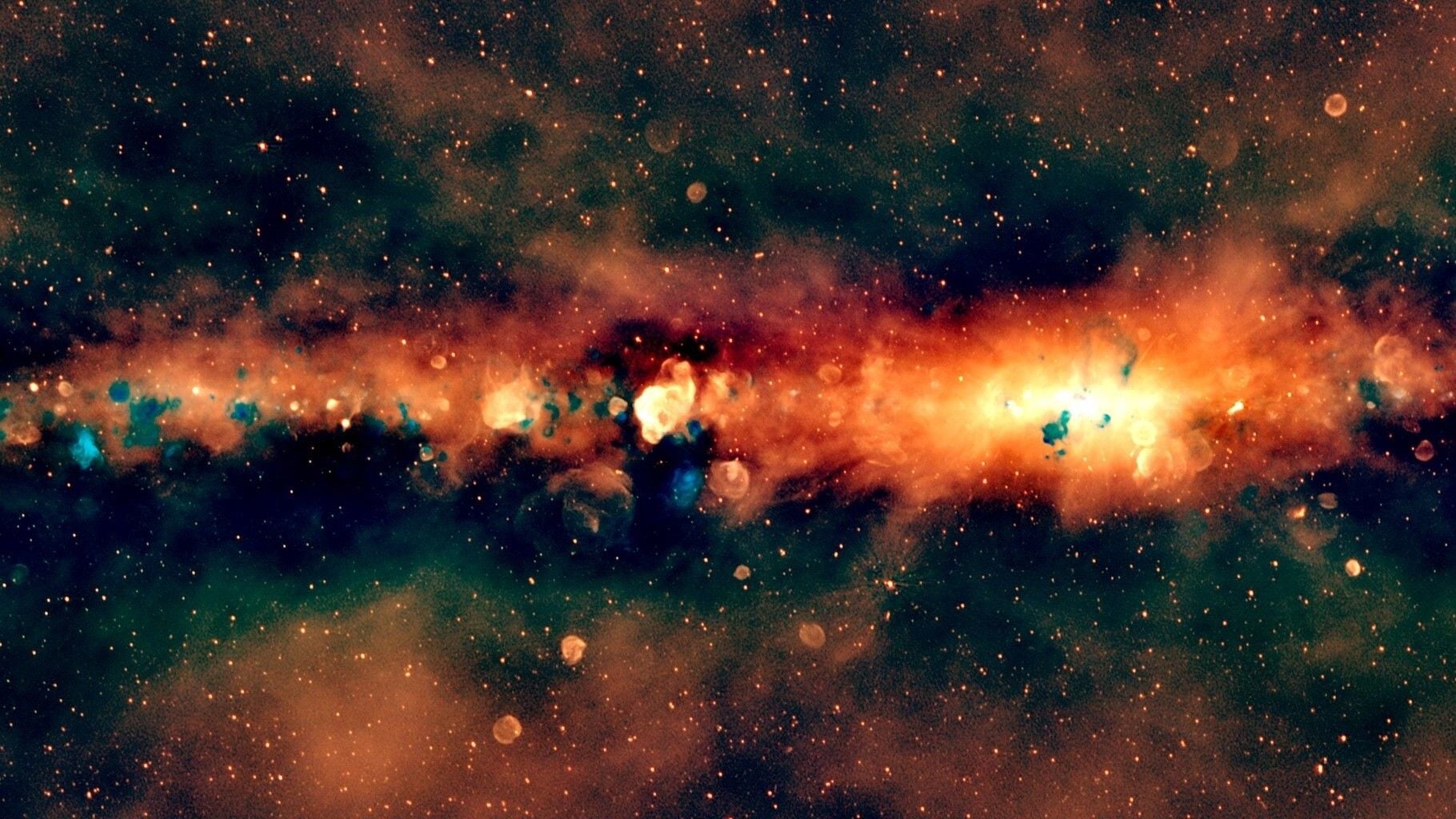
Astronomers released the most detailed low-frequency radio image of the Milky Way’s southern Galactic Plane, built from 141 nights of observations with the Murchison Widefield Array in Western Australia and processed with over a million CPU hours for the GLEAM-X survey. The map doubles previous resolution and sensitivity, catalogs about 98,000 radio sources, and reveals numerous supernova remnants and star-forming regions, along with insights into pulsars. It marks a milestone in low-frequency radio astronomy and lays groundwork for future SKA-Low observations.

Mitigating Satellite RF Pollution and Scope Photobombs
science-and-technology1 month ago

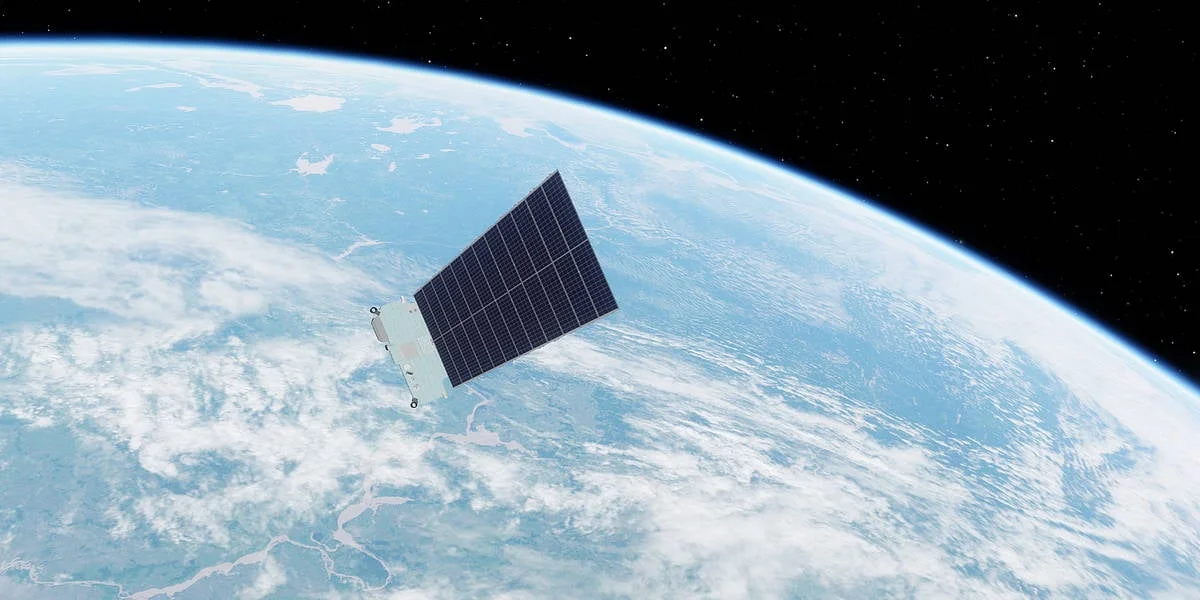
Mitigating Satellite RF Pollution and Scope Photobombs

Satellite constellations like Starlink are causing radio interference and optical photobombing issues for astronomers due to poorly designed antennas and spectrum leaks. While regulations are evolving to mitigate these problems, hardware updates and better standards are needed to ensure coexistence between scientific and commercial satellite uses, with ongoing efforts to improve antenna design and spectrum management.

Scientists Discover First Active Triple Black Hole System in Galaxy Merger
science2 months ago

Scientists Discover First Active Triple Black Hole System in Galaxy Merger

Astronomers have confirmed the first known system where three galaxies, each hosting active supermassive black holes, are merging, providing new insights into galaxy and black hole evolution through high-resolution radio imaging. The system, located 1.2 billion light-years away, shows all three black holes actively feeding and launching jets, a rare and significant discovery that advances our understanding of cosmic growth processes.