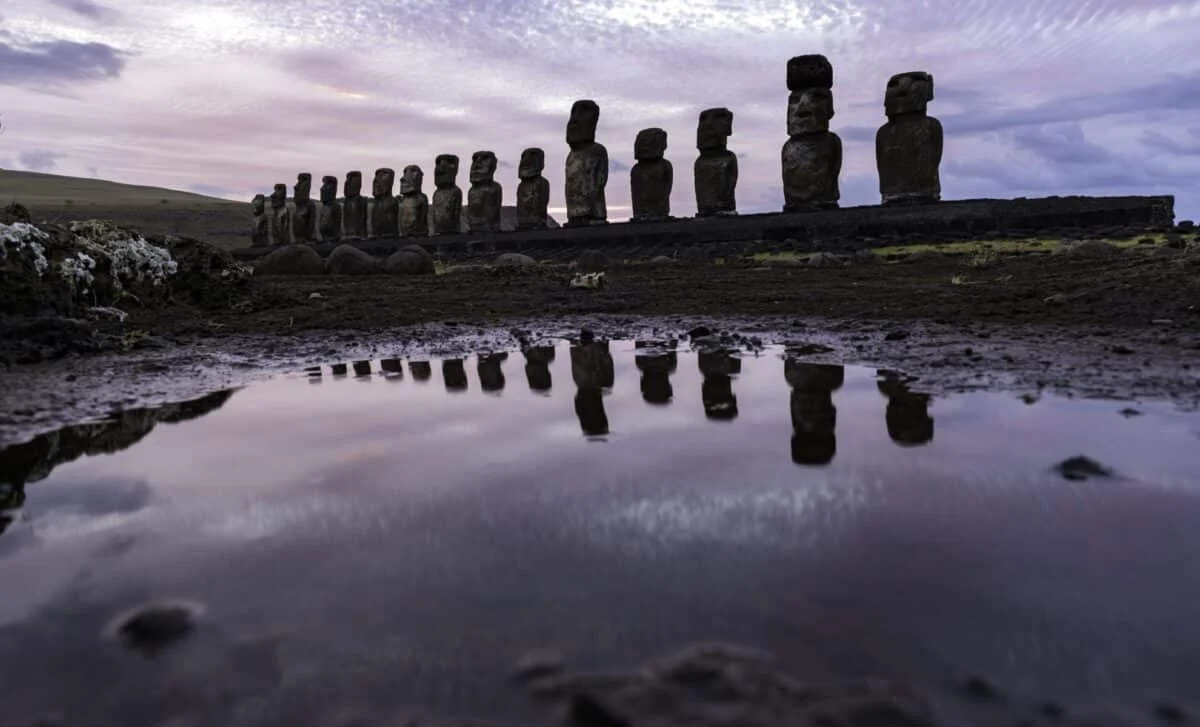
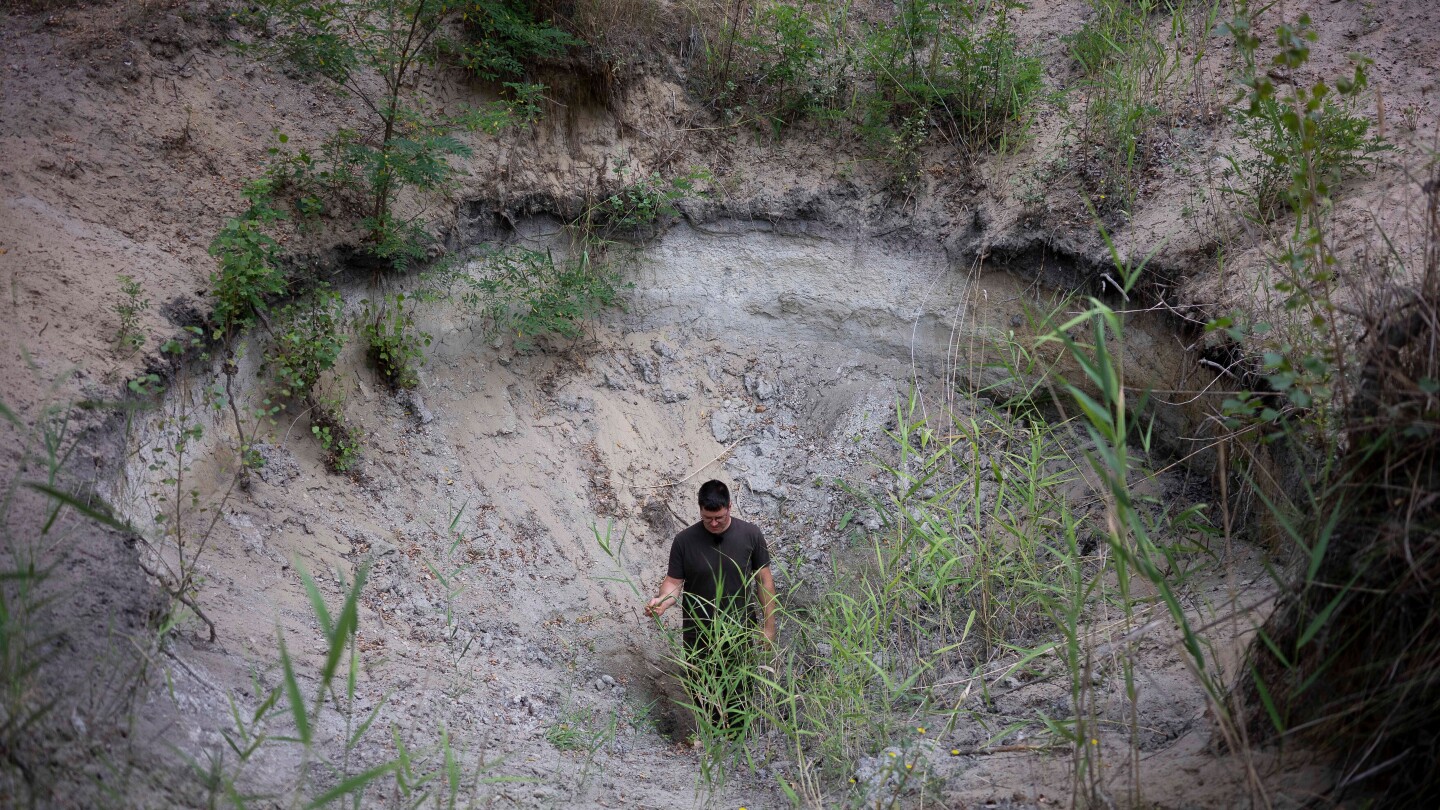
A drought-exposed lakebed on Easter Island reveals a newly uncovered, undocumented moai, challenging the belief that the statue record is complete and hinting that more statues may lie hidden beneath the lakebed.
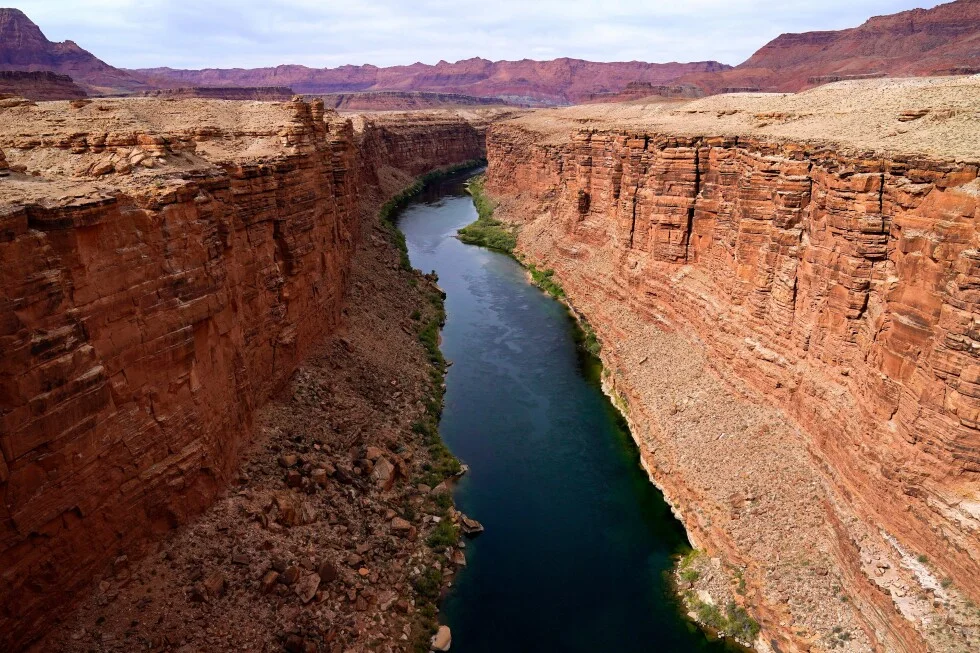
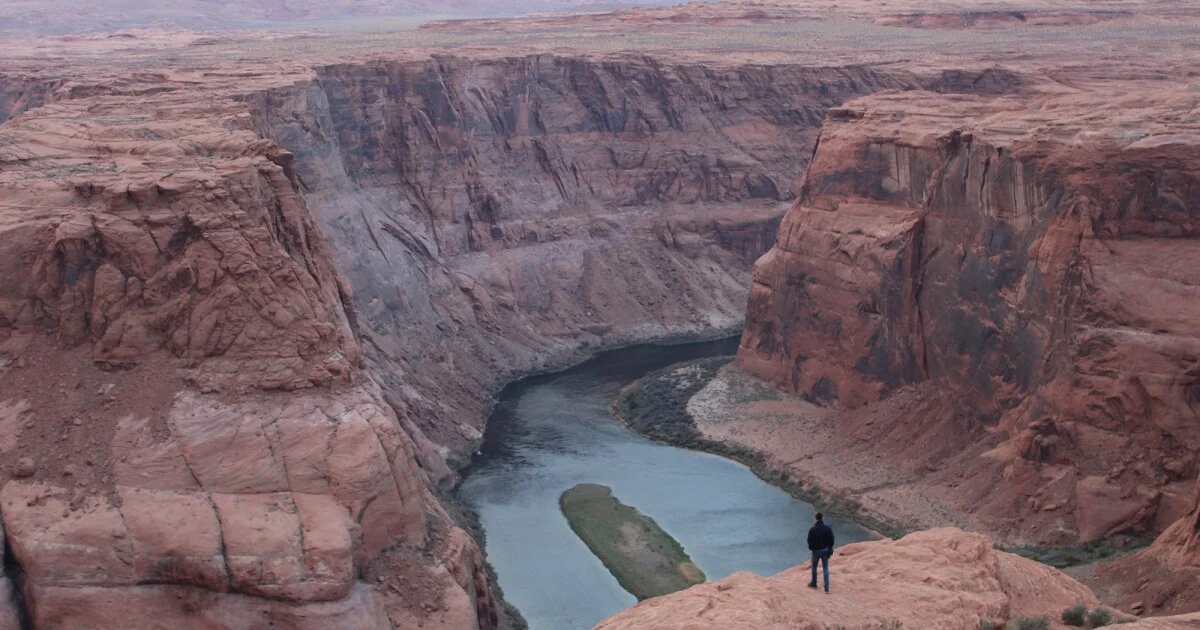
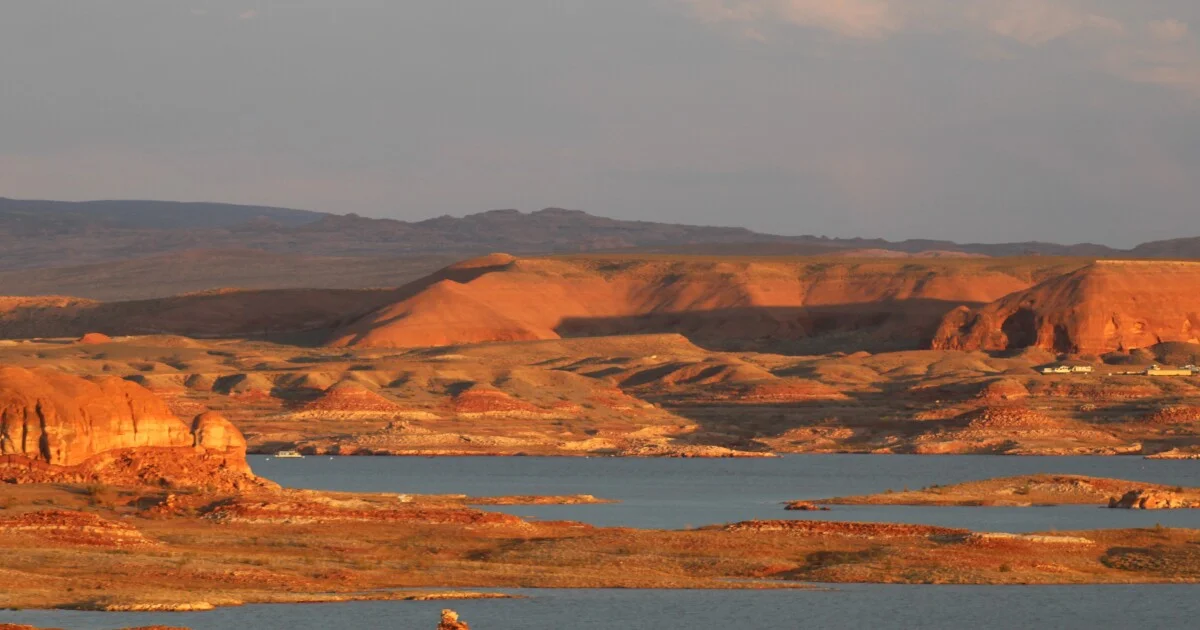
Negotiations over Colorado River allocations have stalled as Arizona, California, and Nevada press the federal government to intervene on Western water management amid ongoing drought, with critical decisions still unresolved.
Colorado River negotiators failed to meet the federal deadline to adopt new water-sharing guidelines, heightening the risk of federally imposed cutbacks and lawsuits as climate-driven drought strains supplies for about 40 million people. The stalemate pits Upper Basin states arguing that hydrology requires tighter, shared limits against Lower Basin partners seeking equitable reductions, with talks continuing and federal action looming to avert a courtroom fight.
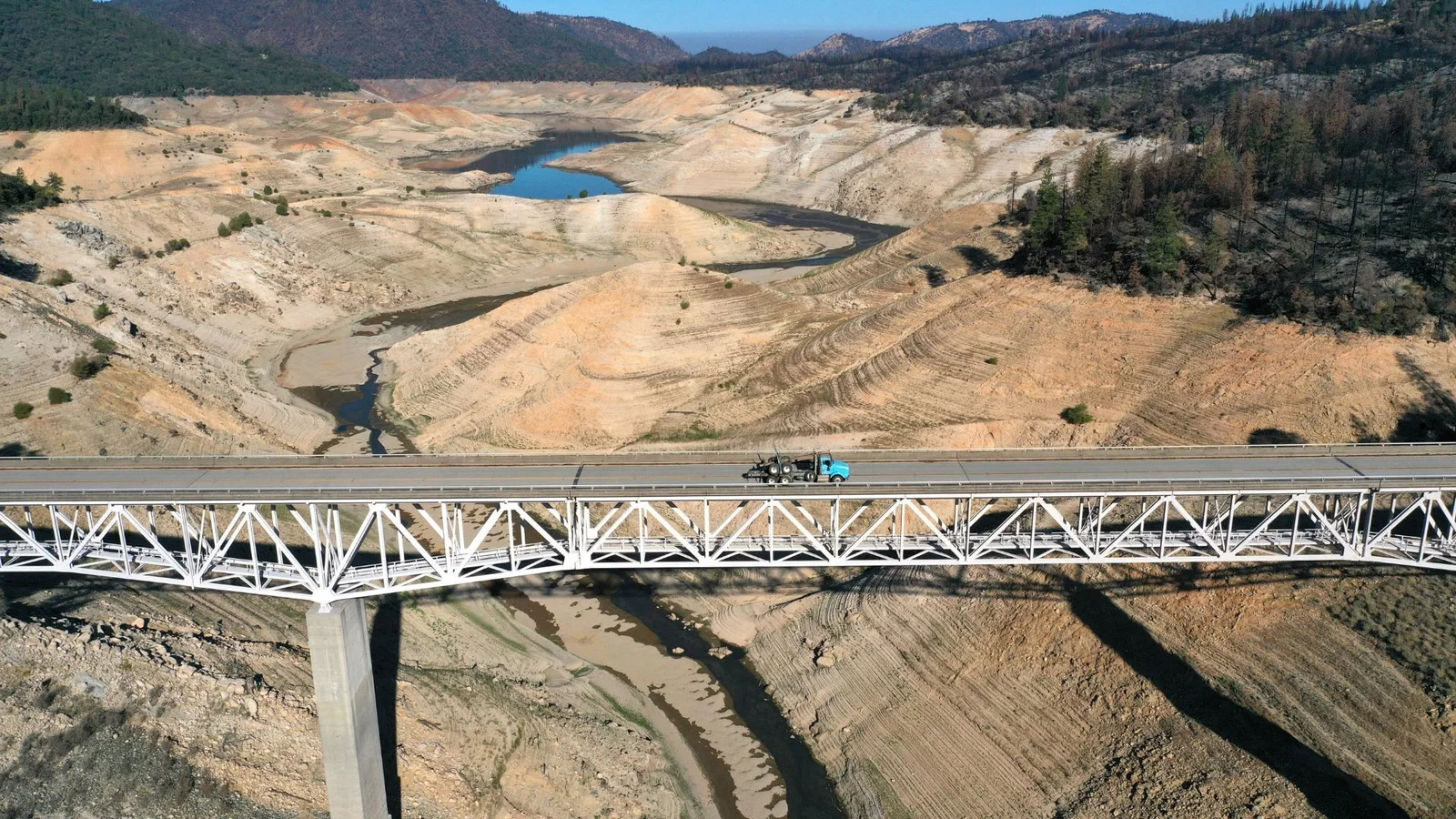
A Virginia Tech study finds California's water use from 2000 to 2020 was consistently lower than suppliers’ projections, with five-year demand overestimates averaging 25% and 20-year estimates about 74%. The drop in per-capita demand, driven by efficiency programs and landscaping rebates, decouples use from population growth and supports drought resilience, but it also implies forecasts may be too high, potentially raising costs if extra supply or infrastructure is needed. The research highlights ongoing opportunities to save water across residential, commercial, and agricultural sectors and the importance of accurate forecasting for long-term planning.
The Interior Department published five potential future management options for the drought-stricken Colorado River, ranging from action as usual to scenarios that could trigger water cuts for California, Nevada, and Arizona; no preferred option is identified, and any plan requires agreement among the seven basin states, with deadlines such as Feb. 14 for an agreement and Oct. 1 for a final decision. Public comment is open through early March as Lake Powell and Lake Mead sit at roughly 27% and 33% capacity.
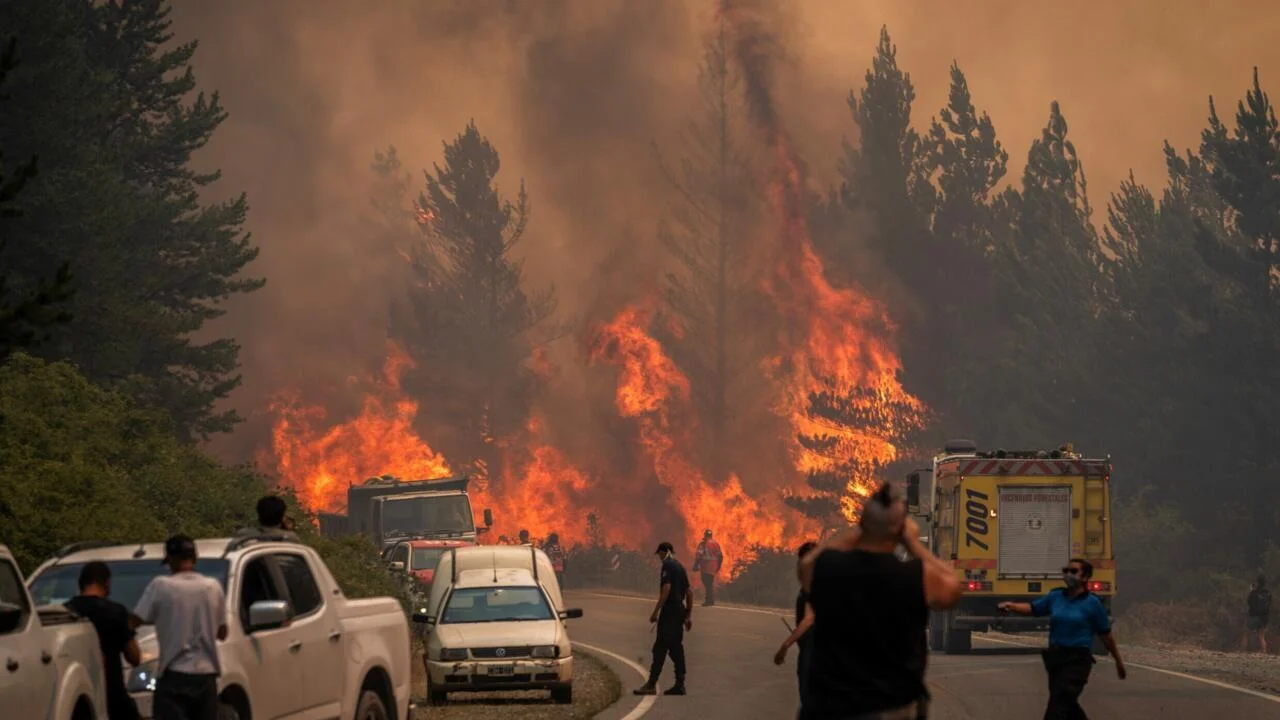
Wildfires in southern Argentina have scorched more than 15,000 hectares this week, led by a blaze near Epuyen in Chubut Province that has burned about 11,980 hectares; rain began to fall in parts of Patagonia, and more than 500 responders are battling multiple fires, with roughly 3,000 tourists evacuated and at least 10 homes destroyed as officials cite the worst drought since 1965.
California is officially drought-free for the first time in 25 years due to recent heavy rainfall and winter storms, filling reservoirs and alleviating drought conditions, though snowpack levels remain below average, leaving some uncertainty about future water supply.
The western US is experiencing a severe snow drought due to record-high temperatures and lack of snowfall, threatening water supplies, increasing wildfire risks, and impacting outdoor industries, with experts warning that ongoing climate shifts could worsen long-term drought conditions and affect future events like the 2034 Winter Olympics in Utah.
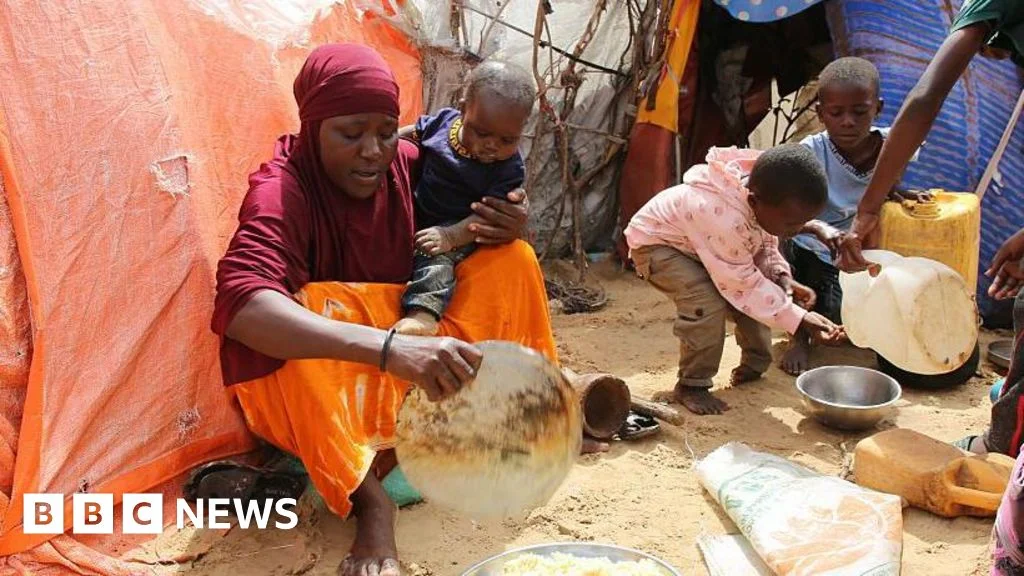
The US has suspended aid to Somalia after allegations that Somali officials destroyed a UN warehouse and seized food aid, which Somalia denies, claiming the warehouse was damaged during port expansion. The US, a major contributor to WFP, demands accountability before resuming assistance amid ongoing conflict and drought in Somalia.
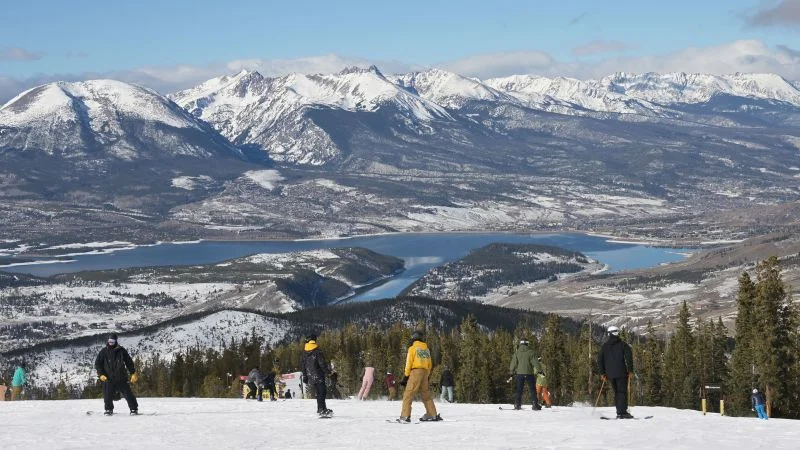
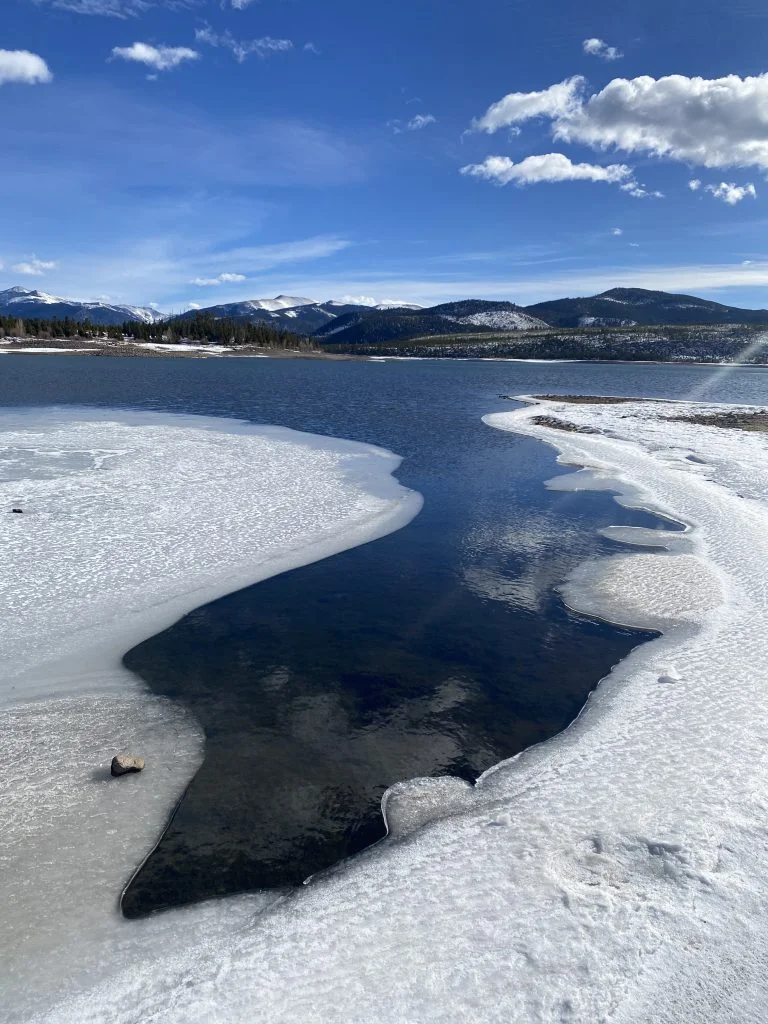
Summit County in Colorado has recorded its lowest snowpack on record due to an unseasonably warm December, with temperatures among the hottest ever recorded in the state. Despite upcoming storms, the snow levels remain well below normal, exacerbating drought conditions across the region. Climate experts suggest that these warm and dry patterns are part of a broader trend linked to climate change.
Colorado's snowpack is at its lowest level in over 50 years, which could lead to drought conditions and water shortages if the season doesn't improve in the coming months, though there is still potential for recovery in the snow accumulation during February to April.
Farmers in Hungary are using overflow water from a thermal spa to artificially flood land and create microclimates to combat severe drought and desertification in the region, aiming to raise groundwater levels and restore local vegetation amid increasing climate challenges.
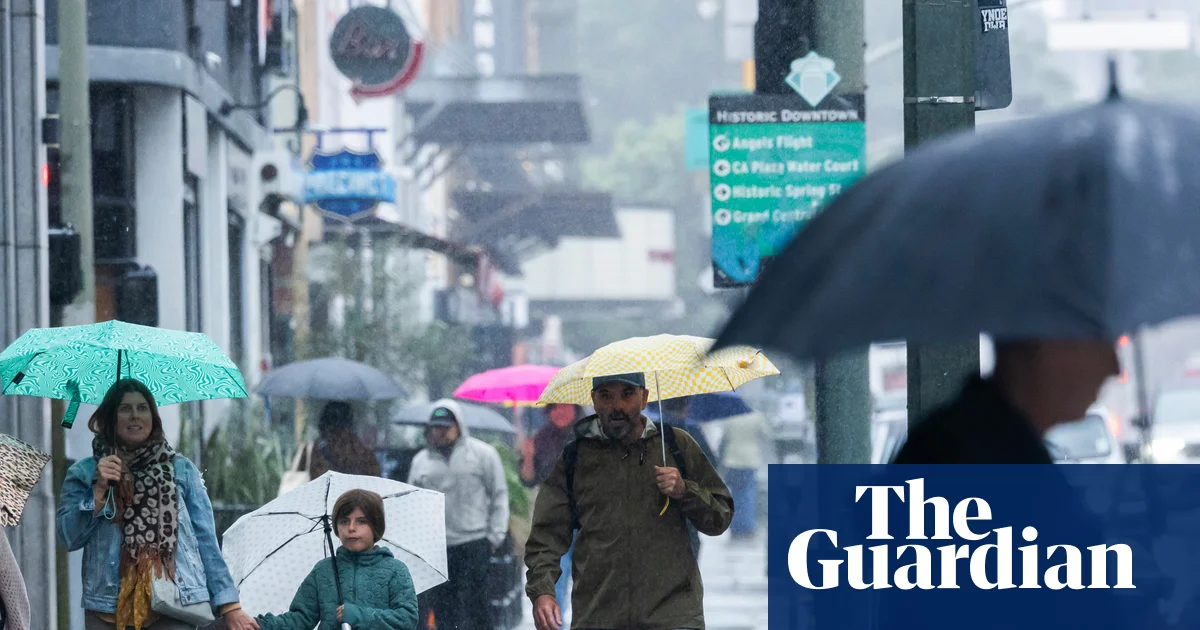
Southern California experienced its wettest Christmas in modern history, reversing last year's drought and fire risks, amid a broader pattern of climate-driven weather swings, with significant rainfall causing flooding, damage, and emergency responses across the region.
Iran's capital Tehran faces an unprecedented water crisis due to a sixth consecutive year of drought, with fears of evacuation for its 15 million residents amid severe water shortages, worsened by overextraction, climate change, and systemic mismanagement.
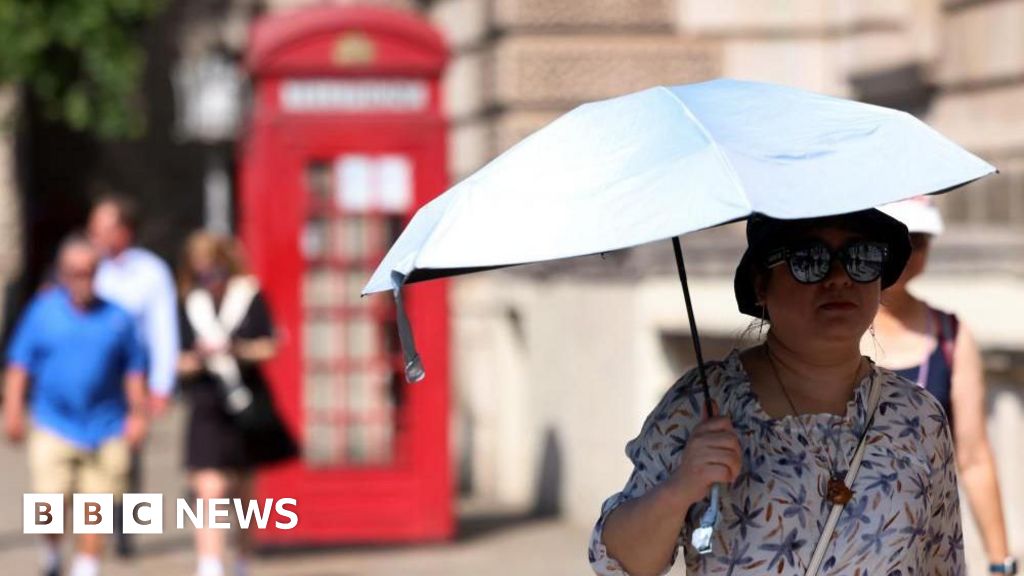
The UK is on track to record its hottest year ever in 2025, driven by human-caused climate change, with increased temperatures, droughts, and wildfires, reflecting a global trend of rising temperatures and extreme weather events.