A large Chinese study of people 80+ finds meat intake linked to a higher chance of reaching 100, but the benefit is limited to those who are underweight; normal-weight seniors see no extra longevity advantage from meat, and dairy, eggs, or fish provide similar outcomes, highlighting the need for adequate calories and protein in late life, though the study remains observational.
A study of over 5,000 Chinese adults aged 80 and up found that non-meat eaters were less likely to reach 100, but only among those who were underweight; older adults who ate fish, dairy, or eggs had similar odds to meat eaters, suggesting that ongoing nutrition and weight management are key for longevity in advanced age.
A protein-forward snacking trend has Americans flocking to meat-based products like meat sticks, but nutrition experts warn that heavy meat consumption, especially red and processed meats, is linked to cancer and other health risks; they advise getting protein from whole foods rather than processed snacks.
Scientists explore whether dinosaur meat could have been edible and what it might have tasted like, based on muscle structure, diet, and modern bird descendants, but no practical way exists to test this due to the age of fossils and lack of DNA.
Research shows Neanderthals primarily ate meat and bone marrow but also consumed plants like pistachios, lentils, and grasses, and relied on fat sources such as marrow and brains, indicating a varied diet rather than meat-only consumption.
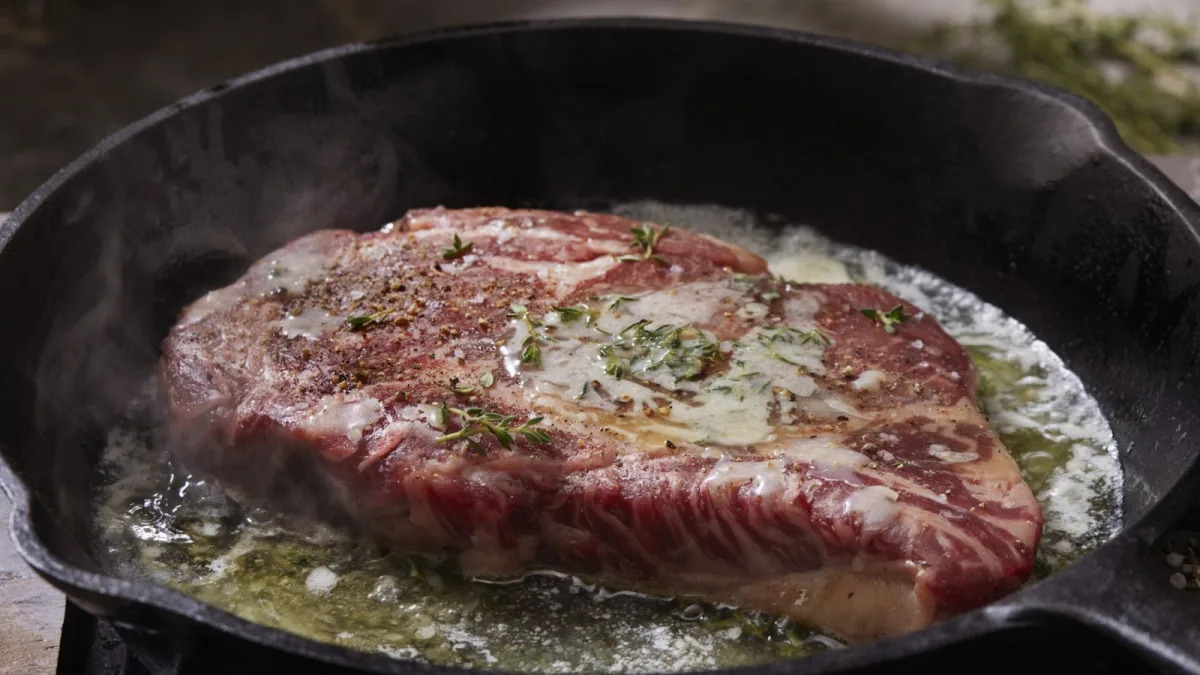
Proper searing of beef in a hot pan is crucial for enhancing flavor, texture, and juiciness, regardless of the cut or cooking method, by utilizing the Maillard reaction. Experts recommend drying the meat, choosing the right cut, seasoning well, and letting the meat rest after cooking for optimal results.
A controversial study suggests that animal protein might protect against cancer mortality, challenging previous warnings about red meat, but its broad categorization and funding sources raise questions about its conclusions. Experts emphasize the importance of moderation and balanced diets over focusing on individual foods.
The article highlights eight hot dog brands that use 100% meat, emphasizing their quality, ingredients, and health-conscious options, ranging from budget-friendly to premium grass-fed and organic choices.
A recent study suggests that eating meat may be associated with a small reduction in cancer mortality risk, contradicting previous research and emphasizing the need for more studies. Experts note the findings are modest and not conclusive, with recommendations generally favoring plant-based diets and moderation in red meat consumption.
New research suggests that eating animal-sourced protein does not increase the risk of death and may even reduce cancer-related mortality, supporting the inclusion of meat in a healthy diet. The study analyzed data from nearly 16,000 adults and employed rigorous statistical methods, finding no link between protein intake and increased health risks, with a potential protective effect from animal protein against cancer. The findings emphasize that both animal and plant proteins can promote health and longevity.
A recent study published in Frontiers in Nutrition suggests that reducing or eliminating meat from your diet can lead to significant health benefits, including weight loss and reduced inflammation, by lowering dietary acid load. Participants on a vegan diet lost about 13 pounds on average, highlighting the potential advantages of plant-based foods over meat for overall health and weight management.
Nutritionists debunk nine common meat myths, including the belief that all red meat is bad for you, the idea that white meat is healthier than red meat, and the misconception that what the cows eat doesn't make a difference. They also address concerns about how meat is cooked and the protein content of non-meat sources. Additionally, they clarify labels such as "all-natural," "hormone-free," and "no added nitrites or nitrates," providing insights into making informed decisions when buying and consuming meat.
Harvard-trained nutritional and metabolic psychiatrist Dr. Georgia Ede claims that animal products, particularly meat, are essential for maintaining mental health due to their rich nutrients like zinc, vitamin B12, and choline, which are linked to better mental health and are more difficult to find in vegan foods. Several studies have suggested that meat eaters have better mental health outcomes compared to vegetarians, and a 2023 report from the United Nations' Food and Agriculture Organization concluded that animal sources of food offer crucial nutrients that are hard to find in the required quality and quantity in vegan diets. Additionally, vegetarian women have a higher risk of hip fractures compared to meat-eaters due to lower intake of nutrients linked with bone and muscle health.
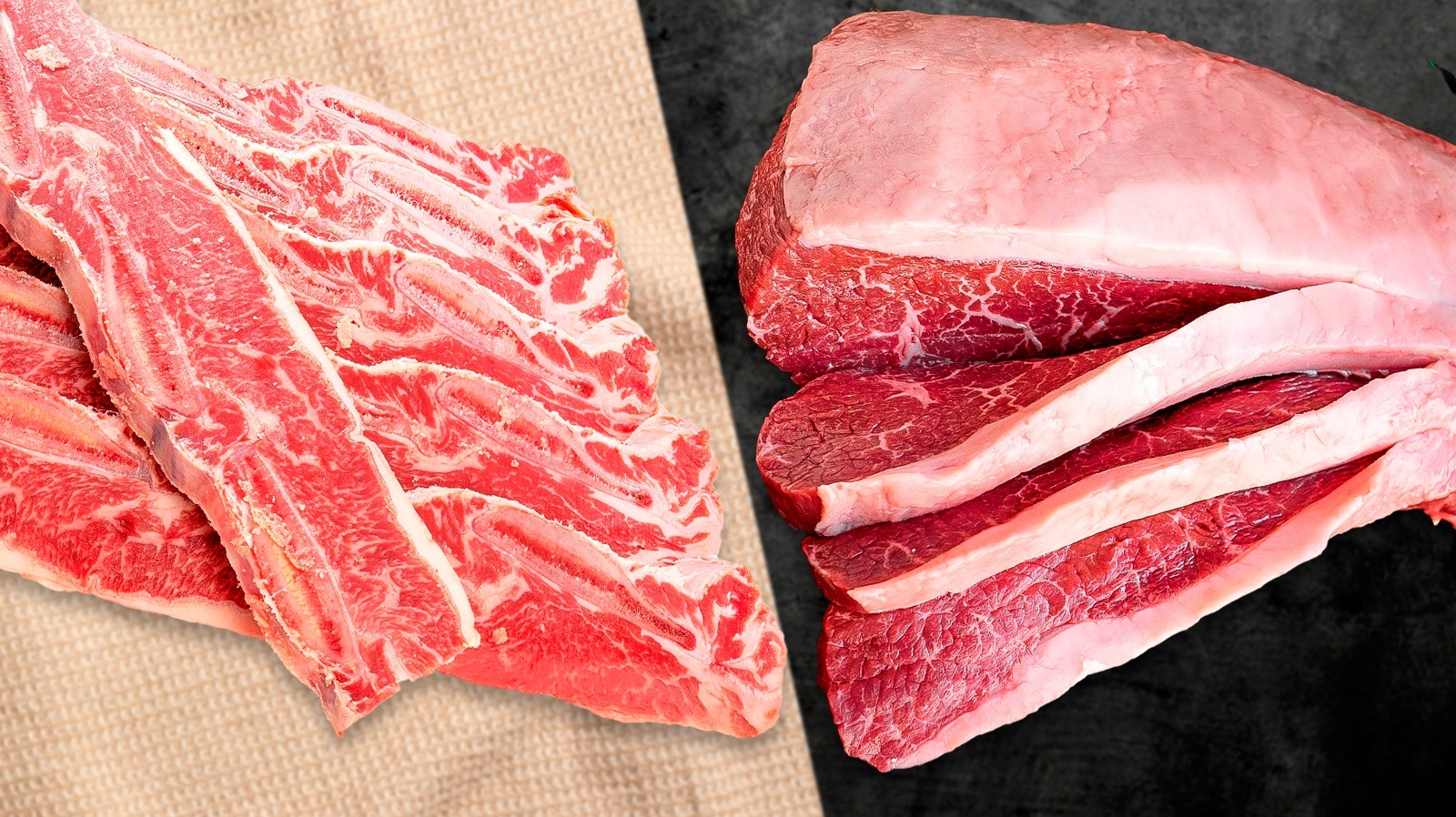
Short ribs and brisket, once considered lesser cuts of beef, have gained popularity due to their flavorful and tender qualities when cooked properly. Short ribs can come from different parts of the cow, with chuck short ribs being meatier but tougher, while rib short ribs are more tender. Brisket always comes from the breast of the cow and requires low, slow cooking to melt the collagen and achieve tenderness. Short ribs can be butchered and sold as flanken or English-style ribs, each suitable for different cooking methods. Short ribs have more even fat distribution, while brisket has a leaner section covered by a cap of fat. Short ribs are generally more expensive than brisket. When cooked, short ribs tend to fall apart, while brisket retains some stringiness. Short ribs usually come with a bone, but boneless short ribs are also available. Both cuts may require trimming, with brisket being harder to cook evenly. Brisket is leaner and higher in key vitamins and minerals compared to short rib.
Aldi is able to offer cheaper meat compared to other large grocery stores by utilizing local supply chains and sourcing from regional farms. This not only reduces transportation costs but also has a lower carbon footprint. Additionally, Aldi's lower staffing levels and preference for non-name brand products contribute to cost savings. Customers can further save on meat by taking advantage of Fresh Meat Special Buy days and shopping on Sunday nights when prices are often reduced due to approaching sell-by dates.