Tag

Arabidopsis

All articles tagged with #arabidopsis

Scientists Enhance Plants' Carbon Absorption and Seed Production

Originally Published 3 months ago — by Phys.org

Featured image for Scientists Enhance Plants' Carbon Absorption and Seed Production
Source: Phys.org

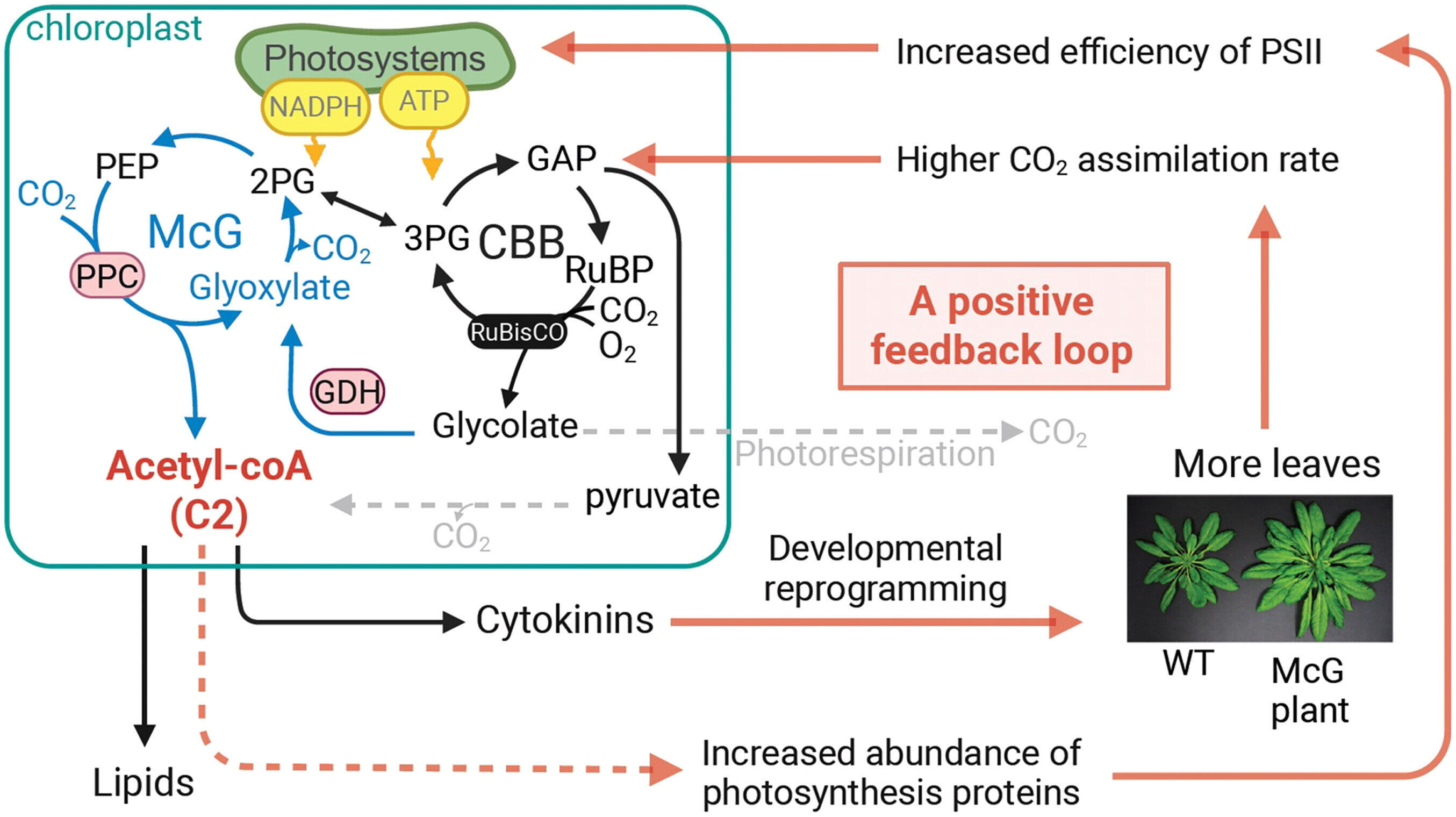
Scientists have engineered Arabidopsis plants with a new dual-cycle CO2 fixation system called the McG cycle, which doubles carbon assimilation rates, leading to larger plants with significantly increased seed and lipid production, potentially benefiting crop yields and climate change mitigation, though long-term effects remain uncertain.
Comprehensive Single-Cell Atlas Maps Arabidopsis Life Cycle

Originally Published 4 months ago — by Nature

Featured image for Comprehensive Single-Cell Atlas Maps Arabidopsis Life Cycle
Source: Nature

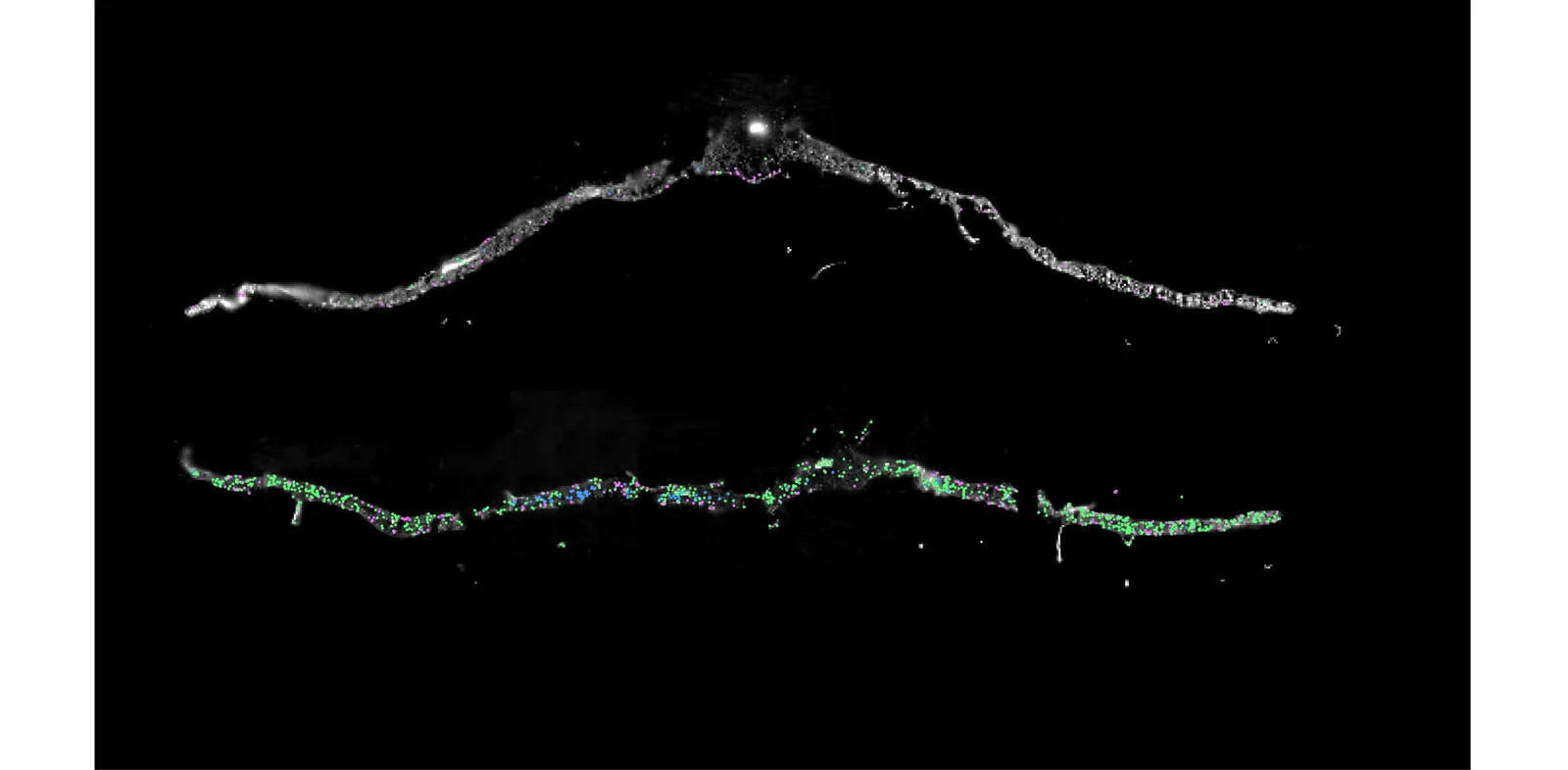
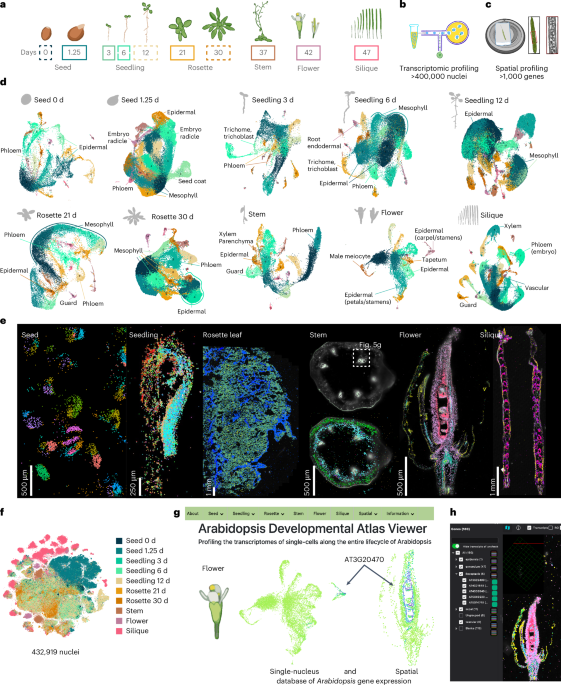
This study presents a comprehensive single-nucleus and spatial transcriptomic atlas of the Arabidopsis plant life cycle, revealing diverse molecular identities, cell types, and states across various organs and developmental stages, and demonstrating the power of combined technologies to uncover cellular complexity and function in plant biology.

"Plants' Selective Mating and Repellent Strategies"

Originally Published 1 year ago — by Phys.org

Featured image for "Plants' Selective Mating and Repellent Strategies"
Source: Phys.org

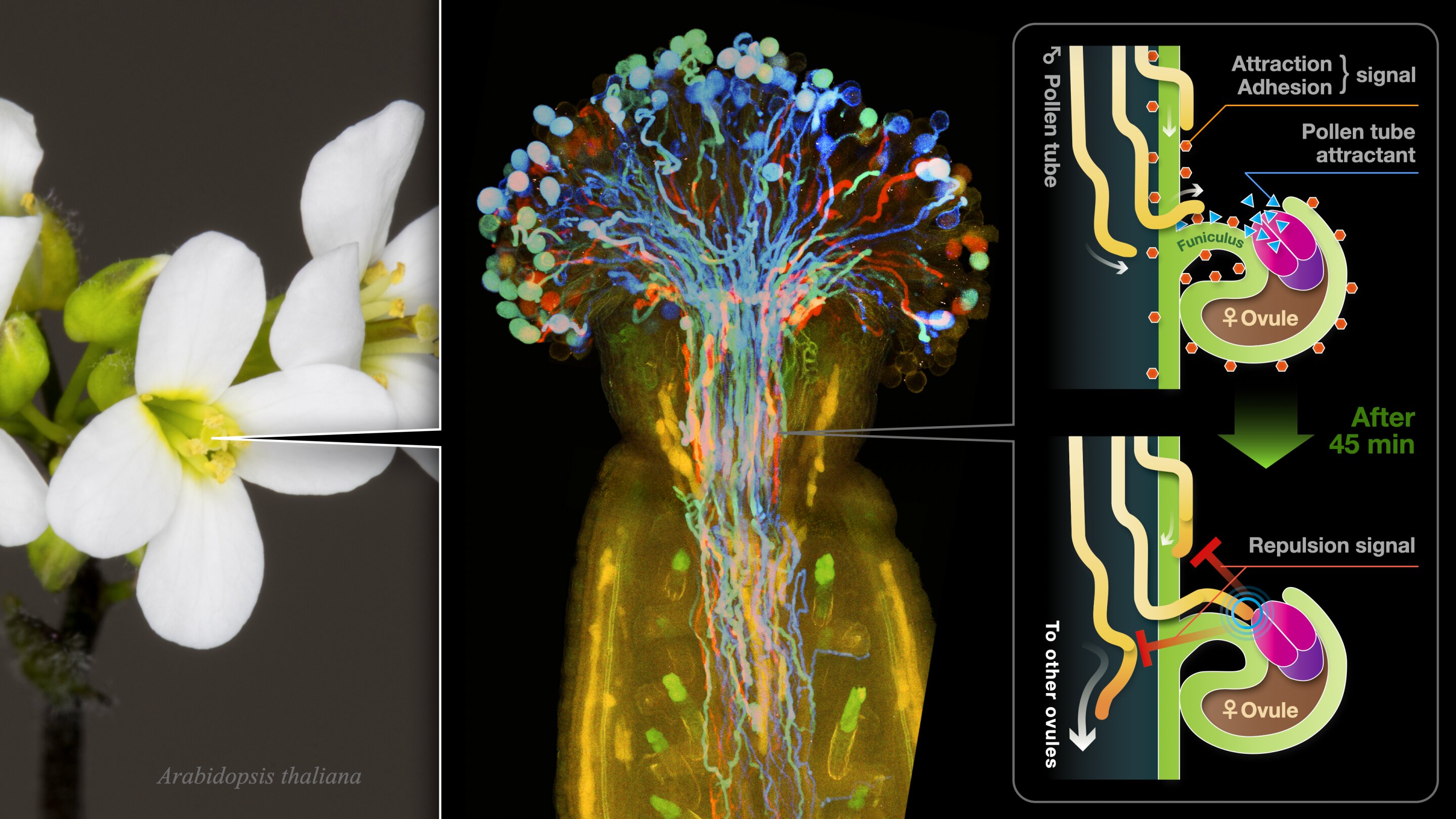
Scientists from Nagoya University have used a specialized microscopic technique to observe the internal reproduction process of the Arabidopsis plant, revealing how female flowers selectively attract and repel male counterparts. Their findings, published in EMBO Reports, show that a signal from maternal tissue guides pollen tubes to ovules, while a repulsion signal prevents multiple fertilizations. This research could enhance seed production and agricultural breeding practices.

"Plants Use Cell Gaps to Seek Light"

Originally Published 1 year ago — by Quanta Magazine

Featured image for "Plants Use Cell Gaps to Seek Light"
Source: Quanta Magazine

Researchers have discovered that plants, specifically the weed Arabidopsis, use air channels between their cells to scatter light and create a gradient, allowing them to sense the direction of light and grow towards it. This mechanism, based on the phenomenon of refraction, enables plants to "see" with their whole bodies, bypassing the need for discrete organs like eyes. The discovery sheds light on a long-standing mystery in plant biology and could have implications beyond understanding how plants sense light direction.

"Unveiling the Role of Downstream RNA Hairpins in mRNA Translation"

Originally Published 2 years ago — by Phys.org

Featured image for "Unveiling the Role of Downstream RNA Hairpins in mRNA Translation"
Source: Phys.org

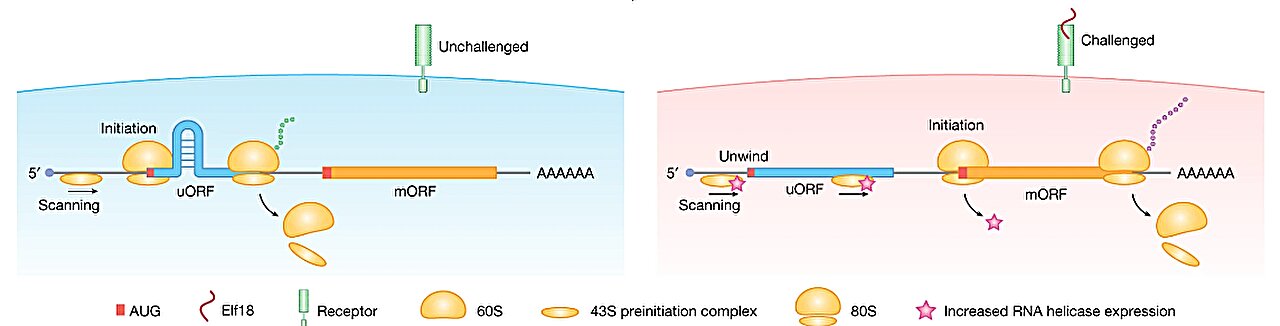
Researchers have discovered a mechanism of translational regulation involving RNA hairpins that can lead to higher translation of upstream start codons (uAUGs). The study, conducted in Arabidopsis and humans, found that the presence of a hairpin loop between two start codons slows down the scanning process of ribosomal subunits, allowing for more time for recognition of the upstream start codon and resulting in a higher translation rate from that starting point. This mechanism, functioning like a logic gate, has implications for understanding start-codon selection in translation initiation across different organisms and potential therapeutic targeting.

Unveiling the Key Regulator of Plant Regeneration in Arabidopsis

Originally Published 2 years ago — by Phys.org

Featured image for Unveiling the Key Regulator of Plant Regeneration in Arabidopsis
Source: Phys.org

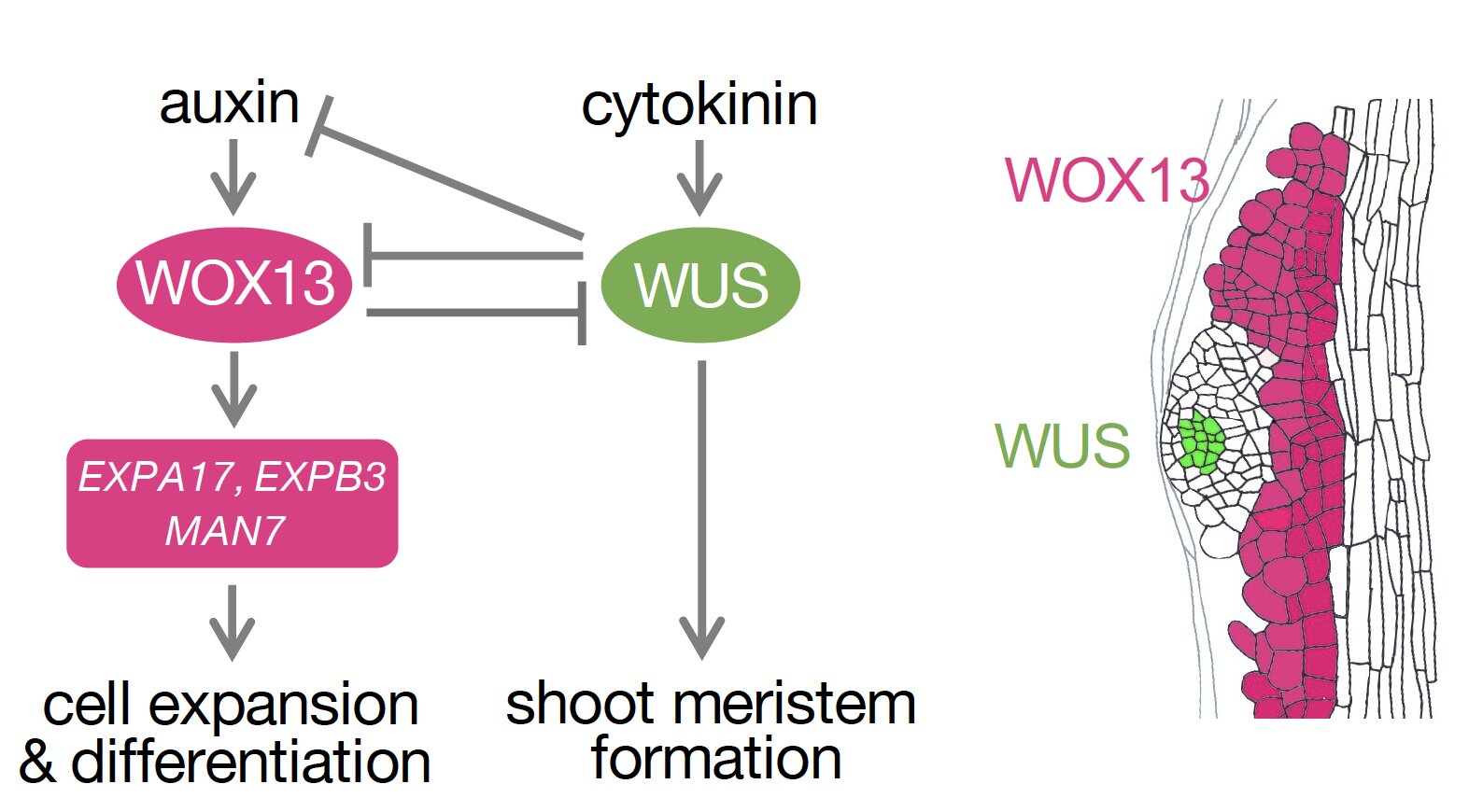
A study conducted by researchers at the Nara Institute of Science and Technology in Japan has identified and characterized a key negative regulator, the WOX13 gene, in the process of shoot regeneration in plants. The study found that WOX13 inhibits shoot regeneration by promoting the acquisition of alternative fates for pluripotent callus cells, rather than preventing the shift from callus to shoot apical meristem (SAM). The findings suggest that knocking out WOX13 could enhance shoot regeneration efficiency and have implications for agriculture and horticulture.