Tag

Horizontal Gene Transfer

All articles tagged with #horizontal gene transfer

science2 hours ago

Asgard archaea dominate early eukaryotic evolution, mitochondria arrive later

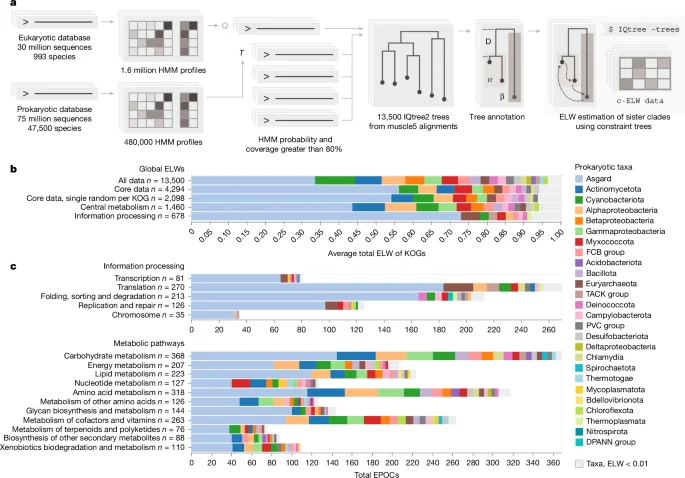
A comprehensive phylogenomic analysis shows Asgard archaea contributed the majority of core eukaryotic genes traced to LECA, with Alphaproteobacteria providing mainly mitochondrial-related components and energy metabolism; other bacteria contributed sporadically without clear patterns. This supports a model where key eukaryotic features—cytoskeleton and endomembrane system—evolved in the Asgard lineage before LECA, with mitochondria acquired later and additional bacterial genes entering gradually via HGT. The study uses soft-core pangenomes and constrained trees to minimize late HGT and test origins, though conclusions depend on the current sampling of Asgard and bacterial genomes.

science2 years ago

"Unlocking the Secrets of Cell Communication: The Power of Tiny Oceanic Vesicles"

A study led by researchers from the Max Planck Institute for Marine Microbiology has revealed the significant role of extracellular vesicles (EVs) in horizontal gene transfer among ocean microorganisms. Previously, it was believed that gene exchange mainly occurred through direct cell contacts, free-floating DNA, or viruses. However, this study shows that EVs play a crucial role in transferring genetic information in the ocean, challenging existing beliefs and introducing the term "protected extracellular DNA" (peDNA) to encompass the diversity of genetic carriers beyond viruses. The findings open up new avenues for research in various ecosystems and highlight the importance of EVs in cell communication.

biology2 years ago

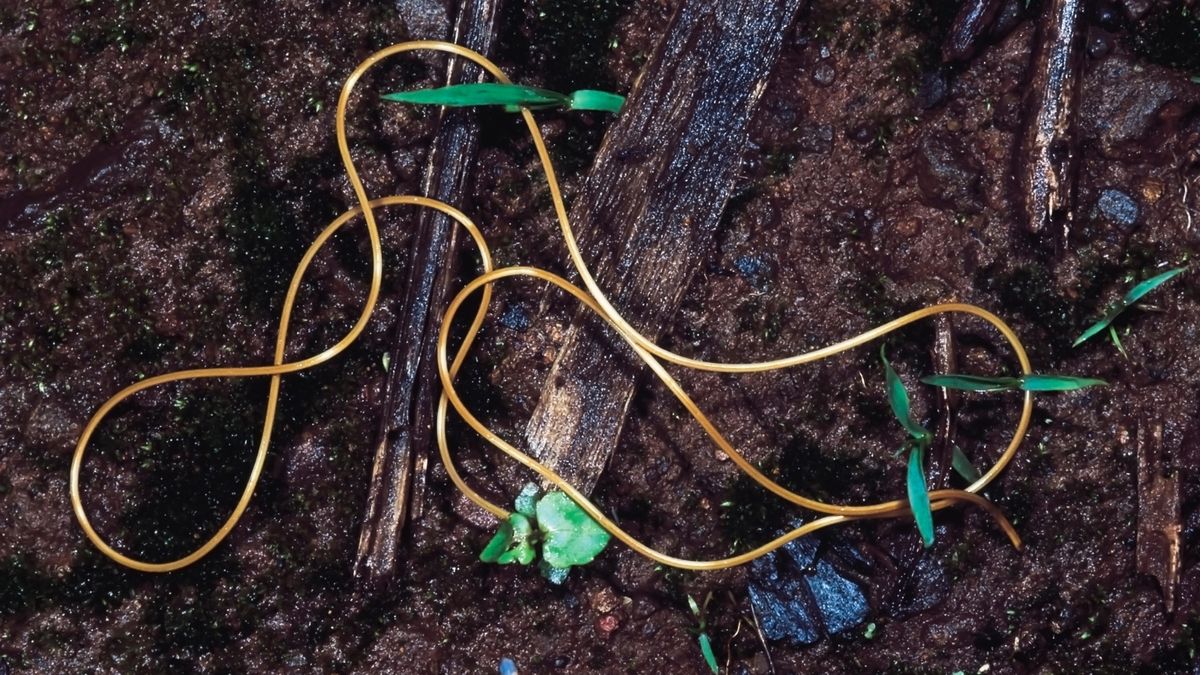
Parasitic Worm Manipulates Host's Genes for Mind Control

Scientists have discovered that parasitic horsehair worms, which manipulate their praying mantis hosts to walk into water and drown themselves, steal their hosts' genetic code to control their minds. By using a molecule that causes the mantises to march towards light shimmering off water, the worms hijack their hosts and eventually free themselves. The researchers found that the worms change the expression of thousands of their own genes, while the mantises' gene expressions remain unchanged. This suggests that the worms use the mantises' genes to make their own proteins, acquired through horizontal gene transfer. The study provides insights into the mechanisms of host manipulation and evolutionary adaptation.

science2 years ago

"Genome Editing in Wild Plants: A Crucial Factor in Evolution"

Wild plants, including grasses, can undergo horizontal gene transfer, a process where genetic information is shared between distant branches of the tree of life. This phenomenon, previously thought to be restricted to microbes, has been found in a wide range of plants, animals, and fungi. A recent study focused on the tropical grass Alloteropsis semialata found that genes from foreign origins are continually acquired throughout its evolutionary history, with a foreign gene incorporated approximately every 35,000 years. These transferred genes often offer the recipient an evolutionary advantage, such as disease resistance and stress tolerance. The study suggests that the mechanism behind horizontal gene transfer in plants may be similar to the methods used to create genetically modified crops, challenging the perception that GM crops are unnatural.

science2 years ago

Inter-Species Gene Transfer Enabled by Selfish DNA

Researchers have discovered that certain roundworms carry a genetic element known as a Maverick, which is capable of transferring genes between species. Mavericks are massive mobile genetic elements that were previously thought to be inactive relics, but this study reveals their ability to mediate horizontal gene transfer. The Maverick in the roundworms contains viral genes and a fusogen protein, suggesting its ability to form virus-like particles and invade different cell types. Further research is needed to observe the Maverick in action and understand its mechanisms. This discovery could have practical applications in controlling parasites that infect agricultural crops and livestock. Additionally, similar massive transposons called Starships have been found in fungi, potentially playing a role in the spread of wheat diseases. Understanding these genetic transfer mechanisms is crucial for comprehending genome evolution.

science2 years ago

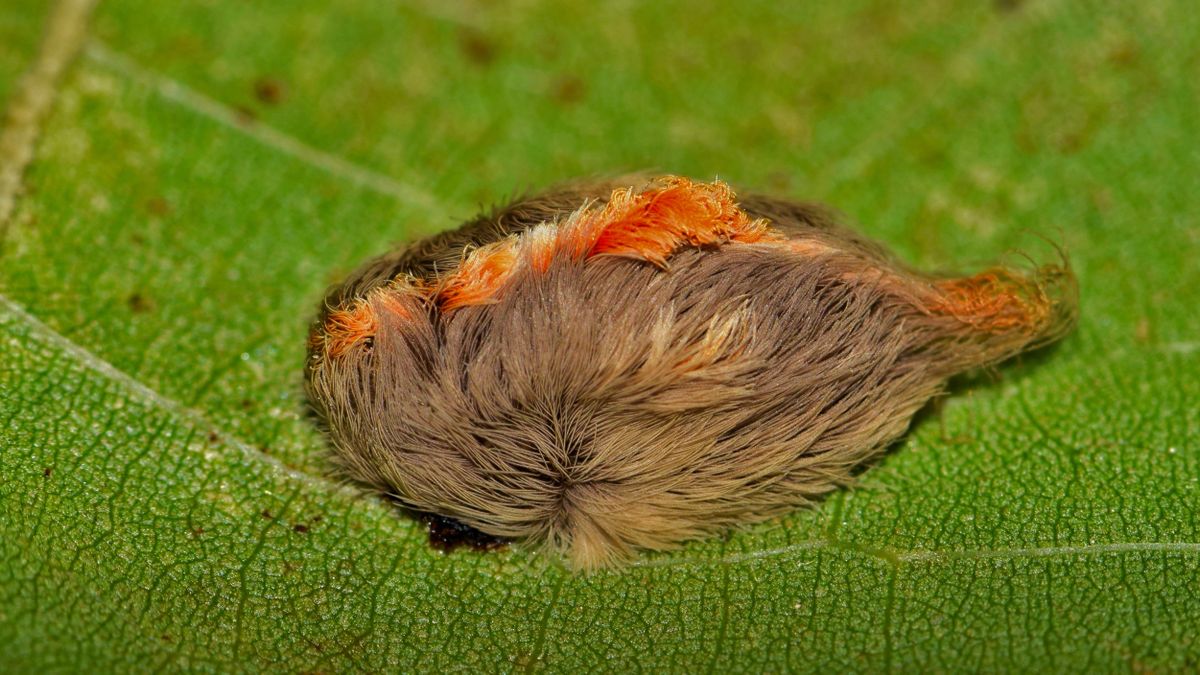
"The Surprising Secret Behind the Fuzzy Caterpillar's Baseball Bat Sting"

Scientists have discovered proteins in the venom of asp caterpillars, also known as pus caterpillars, that explain the excruciating pain caused by their sting. The proteins, called "megalysins," change shape and punch holes into cells, sending super potent pain signals to the brain. The study suggests that the genes encoding these toxins were transferred from bacteria to the ancestors of these caterpillars hundreds of millions of years ago, shedding light on the role of horizontal gene transfers in the evolution of animal venoms.

science-and-technology2 years ago

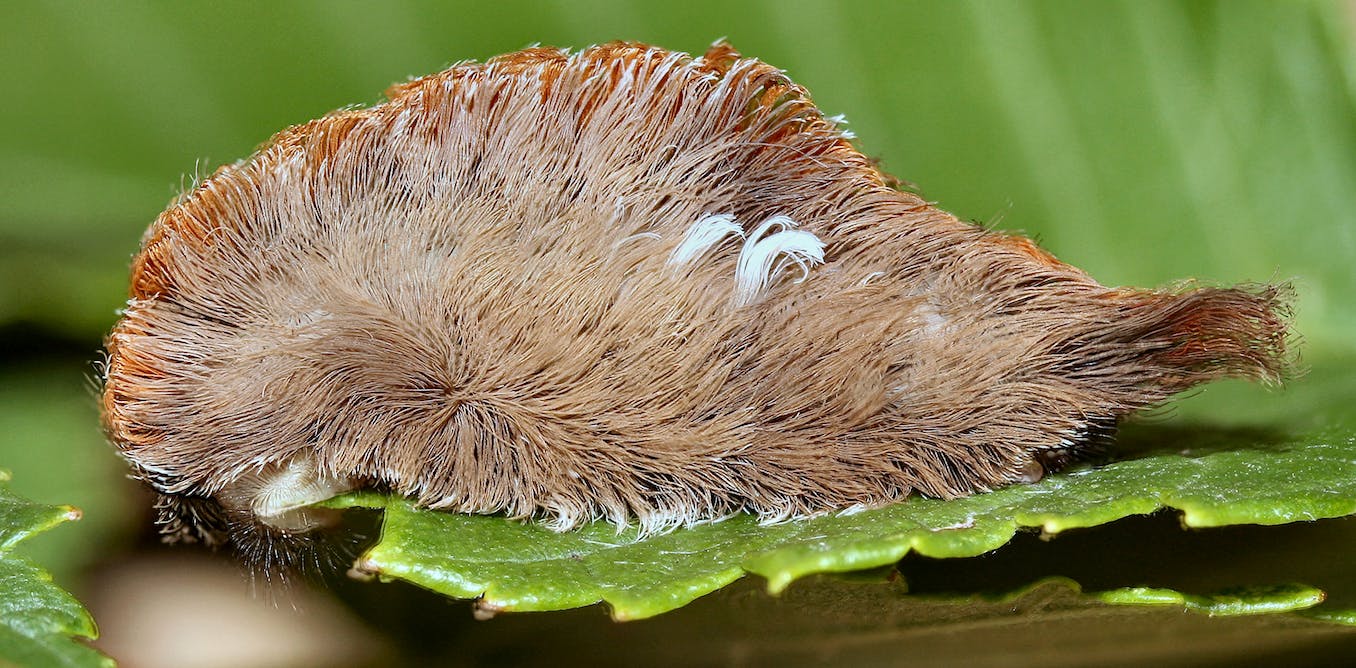
Unveiling the Unexpected Origins and Potential Medical Applications of Caterpillar Venom

Researchers at the University of Queensland have discovered that the venom of asp caterpillars, known for causing excruciating pain, contains toxins belonging to a family of molecules usually found in disease-causing bacteria. The study revealed that a gene responsible for this type of toxin was transferred from bacteria to the ancestors of moths and butterflies millions of years ago through horizontal gene transfer. This finding highlights the complexity of evolution and opens up possibilities for harnessing venom toxins for medical applications, such as drug delivery and targeted cancer treatments.

science2 years ago

The Role of DNA Parasites in Gene Fragmentation.

A new study has found that introns, non-coding sequences of DNA that interrupt genes, may have originated from a "genomic parasite" that invaded eukaryotic genomes through horizontal gene transfer in aquatic environments. The study challenges previous theories about the evolution of genomic complexity and suggests that intron gains may have played a role in the appearance of new genes and the evolution of rapidly changing gene families. The discovery of introners' widespread influence highlights the need to study more eukaryotic diversity to understand the patterns of genomic information underlying all life.