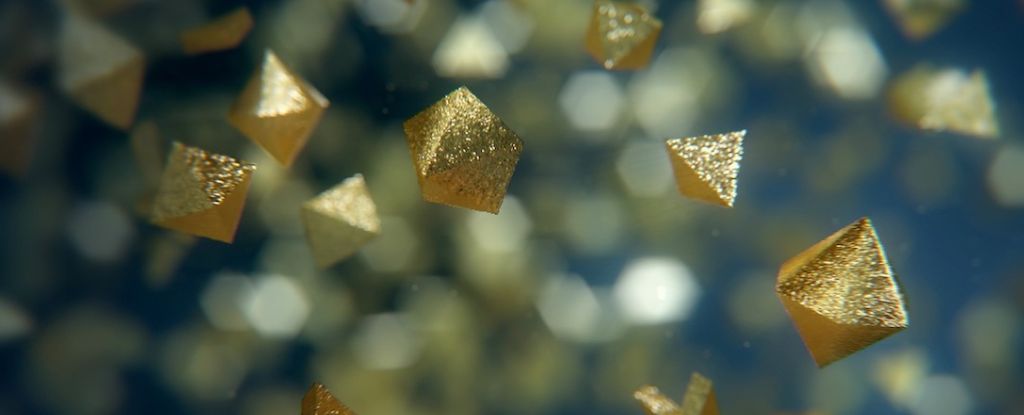
Scientists discovered that Norway spruce trees near a Finnish gold mine contain gold nanoparticles in their needles, facilitated by symbiotic bacteria called endophytes, which may help in gold exploration efforts, although the gold amounts are tiny.
Scientists have discovered that microbes inside Norway spruce needles may help transform soluble gold into solid nanoparticles, suggesting a microbial role in gold accumulation in trees and potential new methods for mineral exploration and water metal removal.
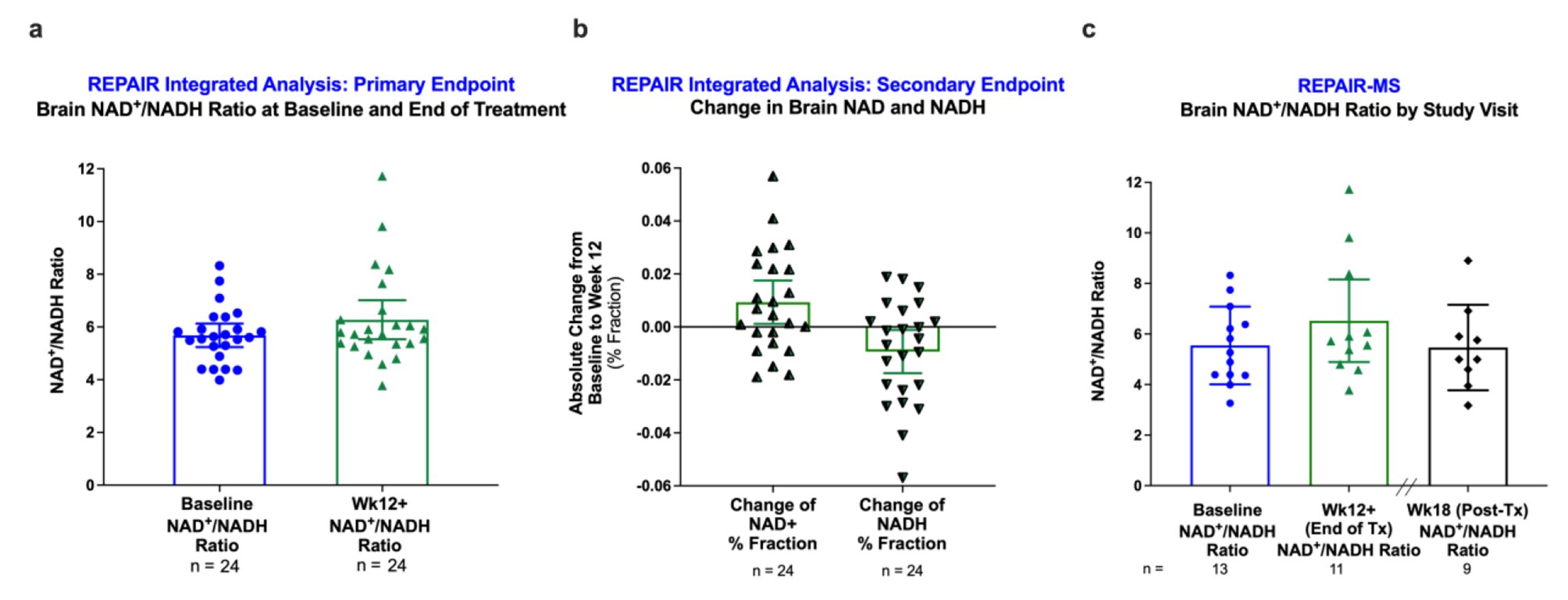
Scientists are exploring the potential of an experimental oral drug, CNM-Au8, containing gold nanoparticles to treat neurodegenerative diseases like Parkinson's and multiple sclerosis. In phase II clinical trials, the drug showed promise in boosting brain metabolism and improving energy supply to neurons. Patients with Parkinson's and MS experienced an increase in their NAD+/NADH ratio, indicating potential reversal of declines in neurodegenerative diseases. The drug's ability to penetrate the blood-brain barrier and its low toxicity make it a promising candidate for further development as a disease-modifying agent.
Phase two clinical trials at UT Southwestern Medical Center showed that a daily dose of gold nanocrystals significantly reversed deficits of metabolites linked to energy activity in the brain and resulted in functional improvements for patients with multiple sclerosis and Parkinson's disease. The nanocrystals, known as CNM-Au8, improved the NAD+/NADH ratio, positively altering brain cells' energy balance, and potentially ameliorating functional symptoms of the diseases. These findings could lead to a promising treatment for neurodegenerative conditions, but further studies are needed to confirm the results.
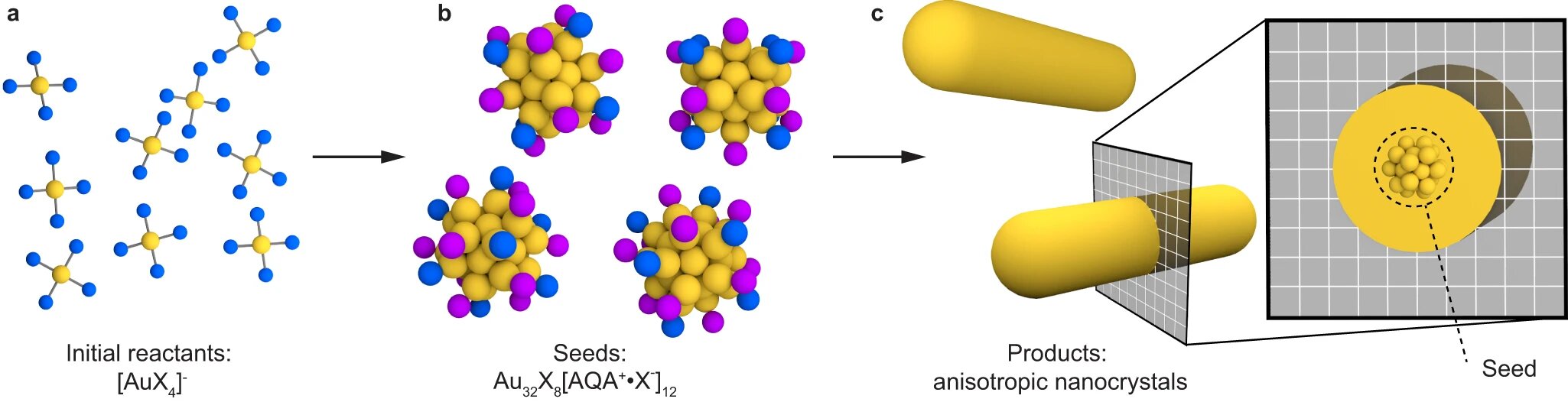
Chemists at Rice University have discovered that the tiny gold "seed" particles commonly used in nanoparticle synthesis are actually gold buckyballs, 32-atom spherical molecules. This finding could help researchers understand the mechanisms behind nanoparticle synthesis and improve control over particle shape and properties. The distinction between nanoparticles and molecules is crucial for advancing nanoscience and achieving precise control over matter.
Researchers at Flinders University’s Australian Wine Research Institute have found that adding gold nanoparticles to wine can improve its aroma by trapping sulfur compounds. The particles can be removed and reused, making the process cost-effective. The nanosurfaces can also be added to packaging materials and filtration devices. The study found that the gold nanoparticles consistently removed the same or more hydrogen sulfide from both white and red wines than copper fining, without affecting desirable sulfur compounds.