Tag

Physiology

All articles tagged with #physiology

Most People Experience Personality Changes After Organ Transplants

Originally Published 24 days ago — by IFLScience

Featured image for Most People Experience Personality Changes After Organ Transplants
Source: IFLScience

Early studies suggest that around 90% of organ transplant patients experience personality changes, potentially due to physiological influences from the donor organ, such as hormone production and systemic effects, though more research is needed to understand the mechanisms behind these changes.

Prolonged Stay in One Place May Accelerate Aging, Scientists Warn

Originally Published 7 months ago — by The Daily Galaxy

Featured image for Prolonged Stay in One Place May Accelerate Aging, Scientists Warn
Source: The Daily Galaxy

A study found that during intense exercise, people perceive time as passing 8-9% slower, which could influence athletic pacing and performance. The research suggests that psychological and physiological factors during exertion affect time perception, with potential applications in sports training and beyond.

The Secret to Squirrels' Thirst-Free Hibernation

Originally Published 1 year ago — by Phys.org

Featured image for The Secret to Squirrels' Thirst-Free Hibernation
Source: Phys.org

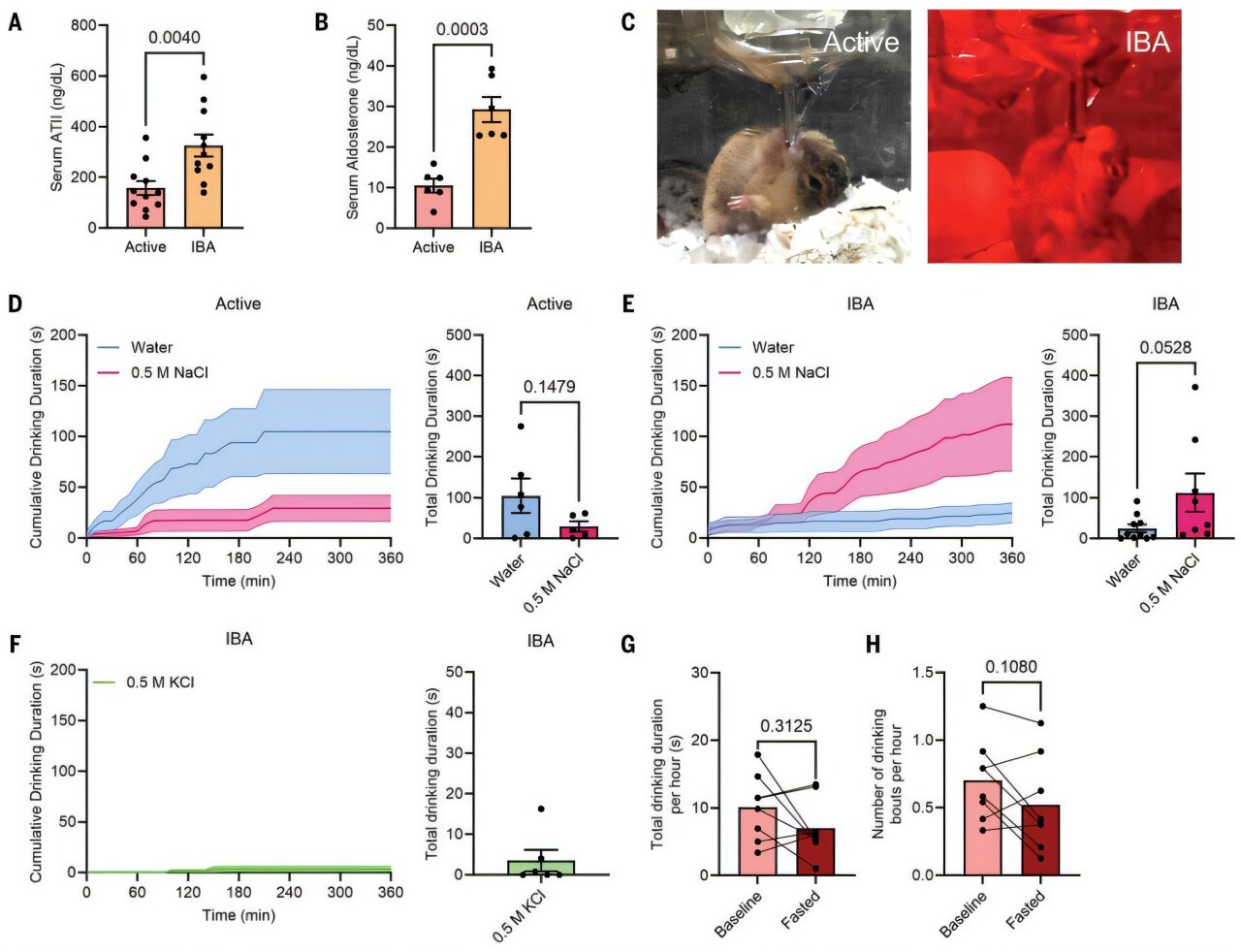
Researchers at Yale University have discovered how thirteen-lined ground squirrels manage to suppress thirst during their long hibernation periods. The squirrels maintain ion levels in their blood and use hormones as antidiuretics to conserve water. Despite being offered water during brief awakenings, the squirrels show no desire to drink, indicating a brain mechanism that prevents thirst signals from being processed. Understanding this mechanism could have implications for human space travel and medical procedures.

Why Women Feel Colder Than Men

Originally Published 1 year ago — by Livescience.com

Featured image for Why Women Feel Colder Than Men
Source: Livescience.com

Research on whether women feel colder than men is mixed, with recent studies suggesting that temperature perception and regulation depend more on individual physical traits like body fat and surface area rather than sex. While women may have slightly higher core temperatures and colder extremities due to hormonal differences, both sexes generally perceive and respond to temperature changes similarly.

"Moderate Acetaminophen Use Linked to Heart Function Changes"

Originally Published 1 year ago — by News-Medical.Net

Featured image for "Moderate Acetaminophen Use Linked to Heart Function Changes"
Source: News-Medical.Net

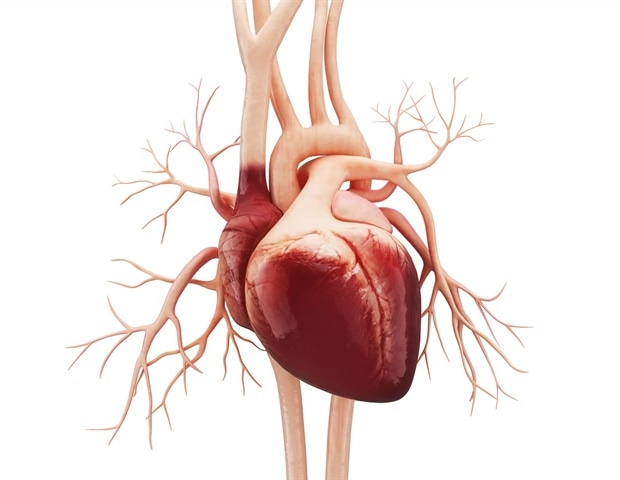
A new study conducted in mice suggests that regular use of acetaminophen at moderate doses, considered safe at 500 mg/day, can alter proteins in the heart tissue, potentially leading to heart issues as a result of oxidative stress or toxin buildup. The research, presented at the American Physiology Summit, found that acetaminophen caused significant changes in the levels of proteins associated with various biochemical pathways in the heart. While the study was conducted in mice and may not directly apply to humans, researchers recommend limiting acetaminophen use to a few days at a stretch and discussing concerns about high-dose use with a healthcare provider.

"The Science Behind Nipple Hardening in Cold Weather"

Originally Published 1 year ago — by HuffPost

Featured image for "The Science Behind Nipple Hardening in Cold Weather"
Source: HuffPost

Exposure to cold temperatures triggers the sympathetic nervous system, causing specialized nerve cells to contract muscles and erect nipples, a process that helps retain heat. This response, also responsible for goose bumps, is a remnant of our evolutionary past when body hair insulation was crucial. Nipples can also become erect due to sexual arousal, hormonal changes, and emotional responses. While usually a normal bodily reaction, persistent or extreme nipple erections unrelated to temperature or excitement may indicate a health issue.

"Body Temperature's Surprising Role in Depression: New Research Findings"

Originally Published 1 year ago — by PsyPost

Featured image for "Body Temperature's Surprising Role in Depression: New Research Findings"
Source: PsyPost

A study published in Scientific Reports has revealed a significant link between depression and higher body temperatures, shedding light on the potential for regulating body temperature as a novel approach to alleviate depressive symptoms. The research, based on data from the TemPredict Study and utilizing the Oura Ring wearable device, found that individuals with more severe depressive symptoms exhibited consistently higher body temperatures, impacting thermoregulation across wakefulness and sleep. While the study does not establish causation, it opens avenues for further exploration of temperature-based interventions for depression and the underlying biological mechanisms of this association.

"The Benefits of Increasing Your Tears: Why and How to Cry More"

Originally Published 1 year ago — by Lifehacker

Featured image for "The Benefits of Increasing Your Tears: Why and How to Cry More"
Source: Lifehacker

Crying can have positive effects when done in a supportive environment, as it signals a need for help and can release endorphins and stress. While the evolutionary purpose of crying remains a mystery, it is believed to trigger empathy and compassion in others. Physiological benefits include pain relief and emotional release. Techniques to induce crying include creating a sad playlist, watching emotional videos, somatic self-care, and journaling about personal sadness.

Study Shows Violent Video Games Reduce Stress Hormones and Maintain Empathy Levels

Originally Published 2 years ago — by PsyPost

Featured image for Study Shows Violent Video Games Reduce Stress Hormones and Maintain Empathy Levels
Source: PsyPost

A recent study suggests that playing violent video games might decrease stress hormones in some players, contrary to popular belief. The research found no increase in aggressive tendencies, indicating a more complex relationship between video game content and player responses. The study involved 54 male participants playing either a violent or non-violent passage from the game "Uncharted 4: A Thief’s End" for 25 minutes, and measured cortisol and testosterone levels, personality traits, and aggressive cognition. The results showed that playing the violent game had a relaxing effect on players and did not influence aggressive thoughts or tendencies. However, the study was limited to male participants, and further research with larger sample sizes and female participants is needed to better understand the effects of violent video games.

"93-Year-Old's Fitness Offers Lessons on Aging"

Originally Published 2 years ago — by The Washington Post

Featured image for "93-Year-Old's Fitness Offers Lessons on Aging"
Source: The Washington Post

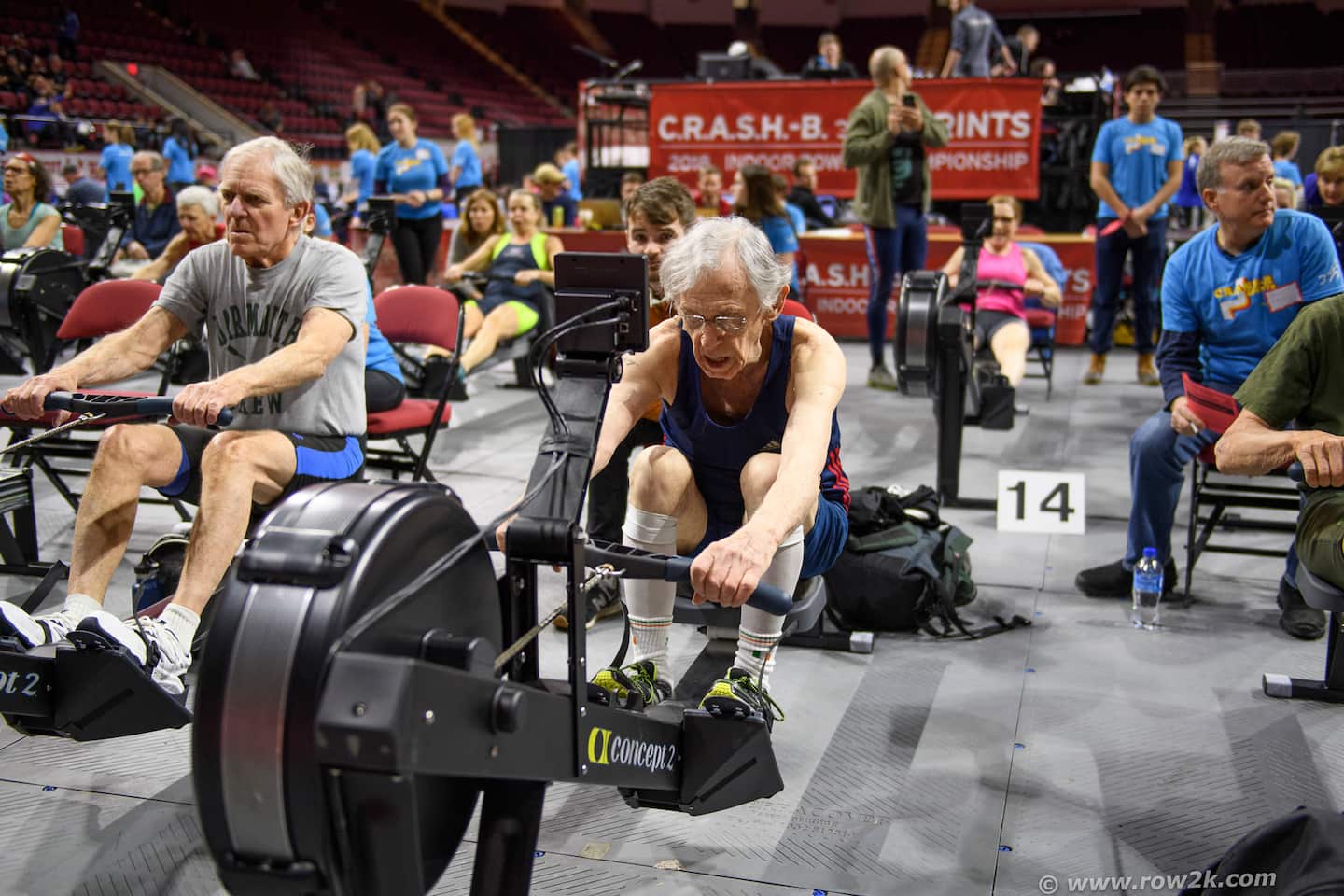
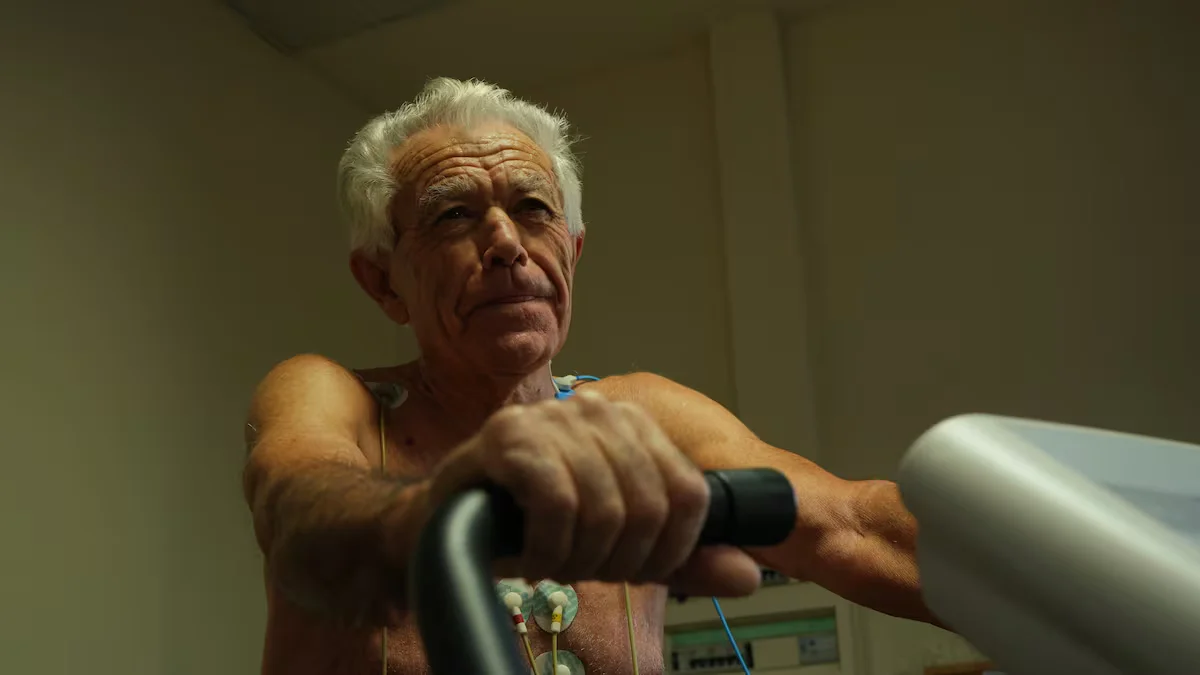
Richard Morgan, a 93-year-old four-time world champion in indoor rowing, serves as an exemplar of fit, healthy aging, with the heart, muscles, and lungs of someone half his age. A recent case study on his training, diet, and physiology suggests that active older individuals can provide valuable insights into aging. Despite starting regular exercise at 73, Morgan's fitness routine has led to remarkable physical capabilities, with his body composition and cardiovascular health comparable to much younger individuals. His example highlights the potential for exercise to slow the effects of aging and maintain a strong, capable body at any age.

"Decoding the Ork: Unveiling the Secrets of Warhammer 40K's Iconic Species"

Originally Published 2 years ago — by BoLS

Featured image for "Decoding the Ork: Unveiling the Secrets of Warhammer 40K's Iconic Species"
Source: BoLS

Orks in the Warhammer 40K universe are a symbiotic combination of animal and fungus, with a simple yet effective anatomy designed for combat. Their green skin and blood suggest a primitive ability to photosynthesize, reducing their reliance on food and supply lines. Orks have a unique reproductive system, releasing spores that grow into an underground womb, creating an entire ecosystem to support their population. They possess innate knowledge and problem-solving abilities, making them formidable warriors. Theories suggest that Orks were either adapted by the Snotlings or created as a survivor race by the Old Ones.

Gender Differences in Hunting Abilities: New Research Suggests Women Outperform Men

Originally Published 2 years ago — by IFLScience

Featured image for Gender Differences in Hunting Abilities: New Research Suggests Women Outperform Men
Source: IFLScience

New research challenges the long-held belief that men were the primary hunters in prehistoric societies, while women took on more passive roles. A study conducted by anthropologists Cara Ocobock and Sarah Lacy suggests that prehistoric women not only engaged in hunting but were anatomically and biologically better suited to it. The female body's ability to endure endurance activities, such as running, due to higher levels of estrogen and adiponectin, along with their physical structure, including wider hips, made them well-suited for hunting. Archaeological evidence also supports the idea that women participated in hunting and held it in high esteem. The study aims to correct the historical erasure of women's contributions to hunting and challenge biases based on gender.

Redefining Gender Roles: Prehistoric Women as Skilled Hunters

Originally Published 2 years ago — by The Independent

Featured image for Redefining Gender Roles: Prehistoric Women as Skilled Hunters
Source: The Independent

Contrary to popular belief, prehistoric women were actively involved in hunting and were better suited for it due to their physiology, according to two new studies. Fossil remains suggest that women were capable of endurance hunting, using their hormone levels and wider hip structures to their advantage. Injuries found on early human fossils indicate that both men and women participated in ambush-style hunting. Additionally, archaeological evidence shows that women hunters were buried with their hunting weapons, suggesting the importance of hunting in their lives. These findings challenge the notion of a strict sexual division of labor in prehistoric societies.

Unveiling the Truth: Prehistoric Women Were Skilled Hunters

Originally Published 2 years ago — by IFLScience

Featured image for Unveiling the Truth: Prehistoric Women Were Skilled Hunters
Source: IFLScience

A new review of archaeological and physiological evidence challenges the long-held belief that only men were hunters in Paleolithic societies. The assumption that men were the primary hunters and women were gatherers has been based on little empirical evidence. The studies highlight that gender roles in early human societies were likely more equal, with women being just as capable of hunting as men. The assumption of male dominance in hunting can be traced back to a set of papers published in 1968, which influenced public consciousness and perpetuated stereotypes about gender roles. The researchers hope that future studies will embrace the idea of a more equal division of labor between the sexes in prehistoric societies.