PCWorld outlines six Windows 11 tweaks to extend SSD lifespan by reducing write operations, including enabling TRIM, disabling hibernation and paging file, enabling write caching, maintaining at least 20% free space, and updating SSD firmware.
Scientists say humans might achieve a bear-like torpor by mimicking natural hibernation, a concept gaining attention for its potential in long-duration space travel and medical care. While controlled hypothermia already lowers metabolic needs in medical settings, it is pharmacologically intensive and not a long-term solution. Big questions remain about brain safety, physiology, and ethics, and no method has yet produced reversible, long-term human torpor. Research spans identifying neural and hormonal pathways, with space agencies exploring artificial stasis as a future capability for astronauts, but practical implementation is still unresolved.
Scientists have identified genes related to hibernation that humans also carry, suggesting potential for medical benefits such as improved metabolic regulation and neuroprotection by targeting these genes, although more research is needed to understand their effects and applications.
Research suggests humans may possess genetic 'superpowers' similar to hibernators, which could be harnessed to develop treatments for diseases like diabetes and Alzheimer's by targeting specific control switches in our DNA that regulate resilience and recovery mechanisms.
A new study suggests that the blood of hibernating bats could hold the key to enabling human hibernation for long-duration space travel. Researchers found that bat erythrocytes, or red blood cells, maintain their functionality at low temperatures, a trait that could be crucial for human hibernation. This discovery could potentially make interstellar travel feasible by reducing astronauts' metabolic needs, thereby minimizing resource consumption and psychological strain during long missions. While practical application is still distant, this research marks an important step towards realizing human hibernation for space exploration.
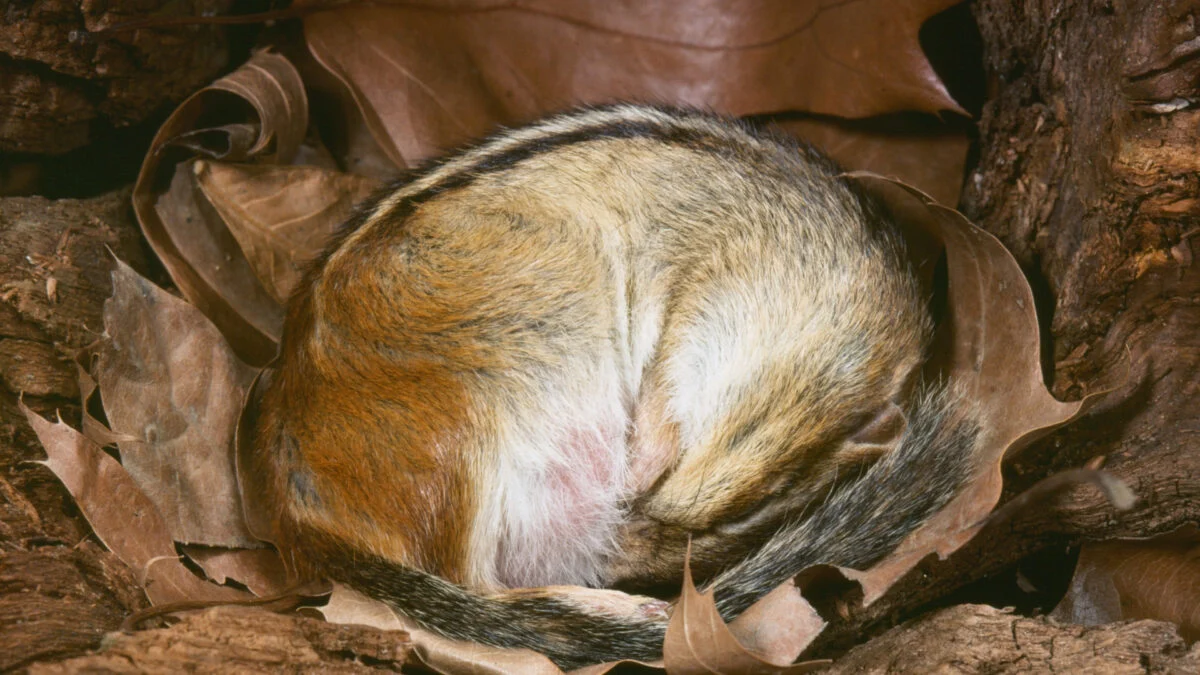
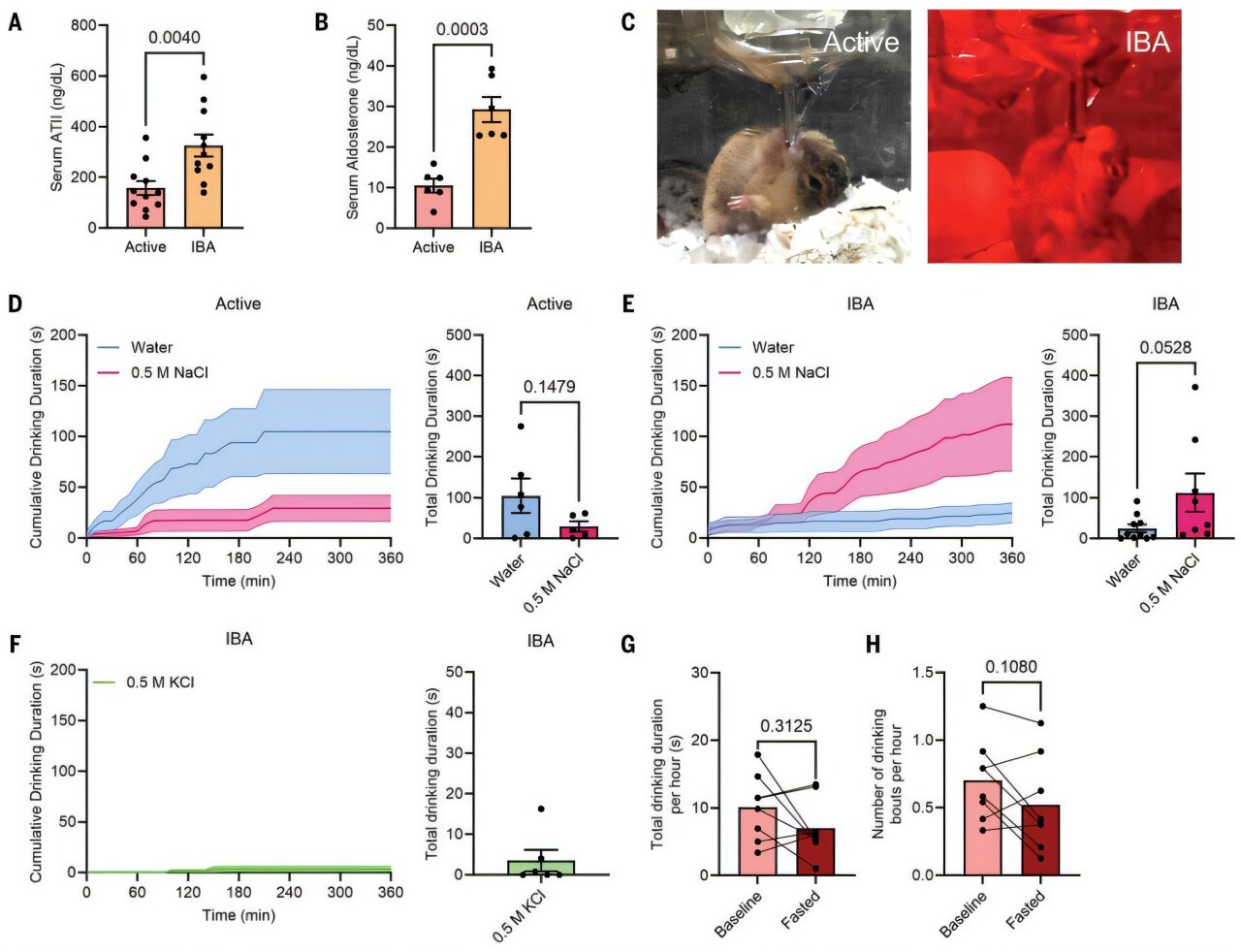
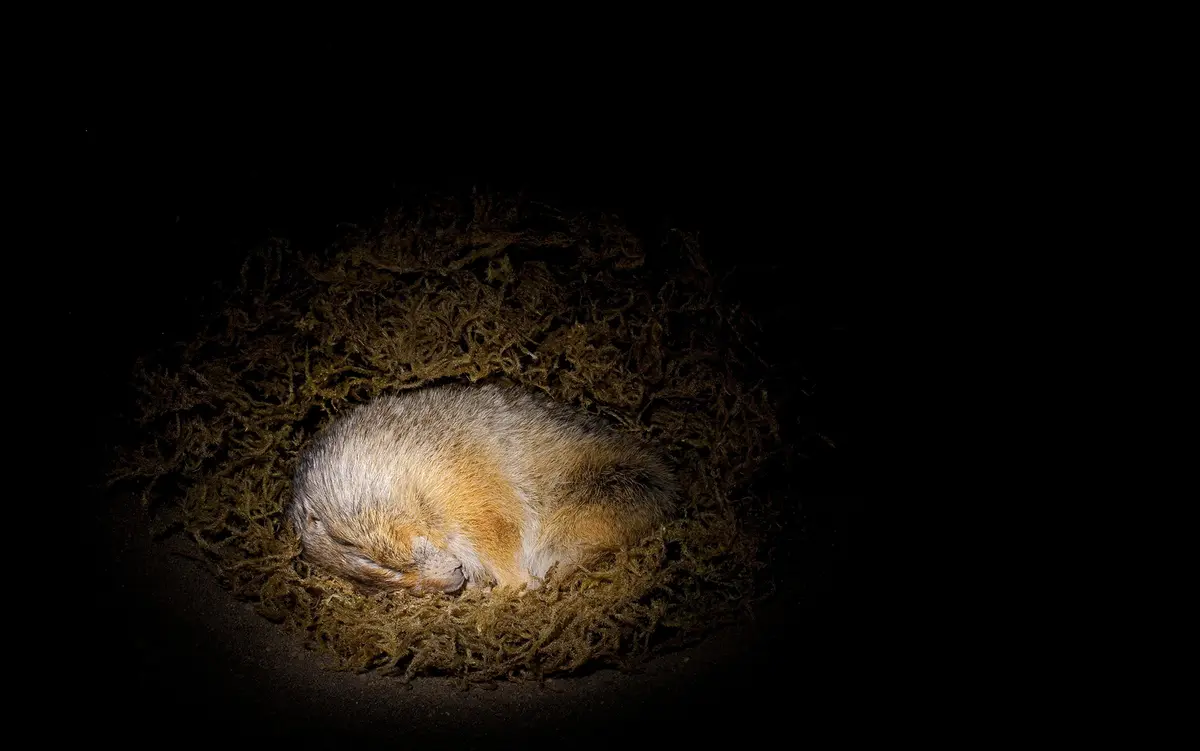
Researchers at Yale University have discovered how thirteen-lined ground squirrels manage to suppress thirst during their long hibernation periods. The squirrels maintain ion levels in their blood and use hormones as antidiuretics to conserve water. Despite being offered water during brief awakenings, the squirrels show no desire to drink, indicating a brain mechanism that prevents thirst signals from being processed. Understanding this mechanism could have implications for human space travel and medical procedures.
The article explores the concept of hibernation, a state of suspended animation used by many animals to survive harsh conditions, and questions whether humans could ever achieve a similar state. While hibernation involves a controlled reduction in metabolism and is common among various mammals, its application to humans remains speculative and largely within the realm of science fiction. Despite historical attempts to induce hibernation in humans, scientific understanding of the process is still limited, and the potential for human hibernation remains an intriguing but elusive possibility.
A study published in eLife has revealed new insights into the molecular mechanisms underlying hibernation in mammals. The research suggests that myosin, a motor protein involved in muscle contraction, plays a role in non-shivering thermogenesis during hibernation. The study found that changes in the proportion of myosin in different resting states may contribute to reduced energy use during hibernation. The findings also indicate that small hibernating mammals experience increased ATP consumption during torpor, potentially as a response to cold exposure. Additionally, the study highlights the importance of further research into muscle samples from different areas of hibernating animals to validate these findings.
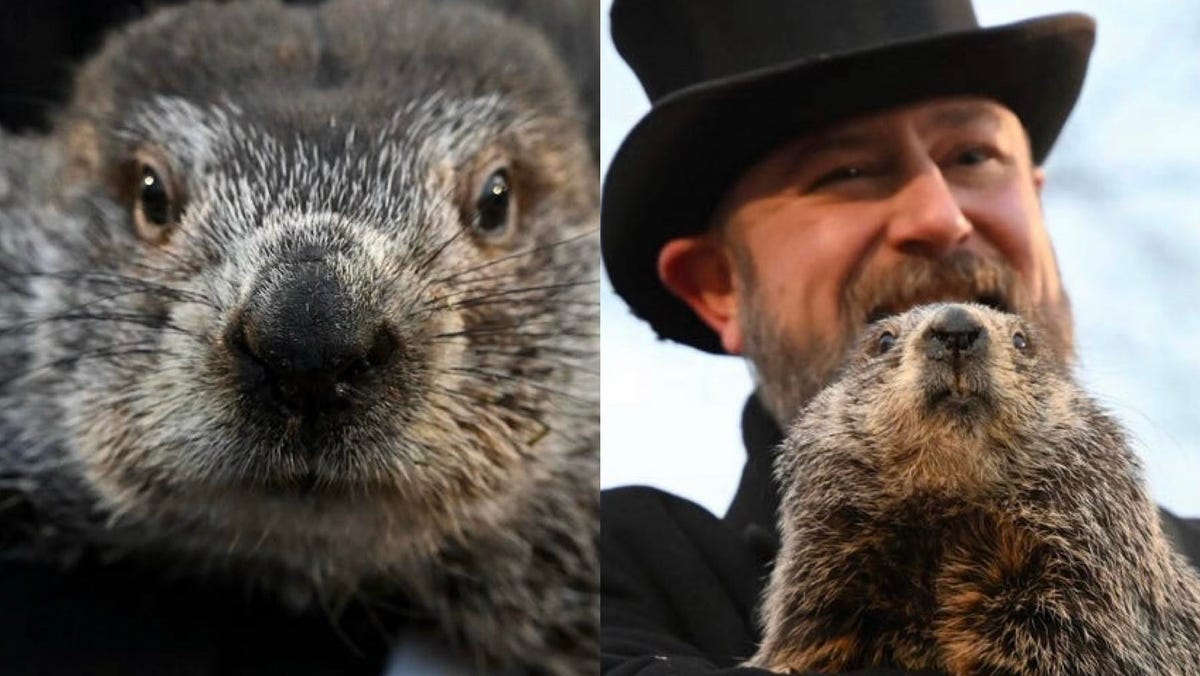
Groundhogs, including Punxsutawney Phil, are more than just weather predictors on Groundhog Day. They are true hibernators, with a reduced metabolism and lowered body temperature during winter dormancy. Emerging in February, not to see their shadow, but to find a mate, groundhogs have intricate burrow systems for protection. Despite their solitary nature, they can be territorial and aggressive, and their extensive burrows can cause damage to gardens and agricultural crops.
The Swamp Park in eastern North Carolina recently posted pictures and a video of frozen alligators, as the rescued gators went into a state of brumation, a form of hibernation for alligators, to survive and protect themselves in the extreme cold by tilting their noses above water to breathe and suspending themselves in the water with closed eyes. This isn't the first time this has happened, with similar occurrences reported in 2019 and 2018.
Researchers at the University of Alaska Fairbanks are studying arctic ground squirrels to understand how they survive extreme hibernation conditions, including lowering their body temperatures to freezing levels for up to eight months. The findings could provide valuable insights into treating injuries and diseases in humans.
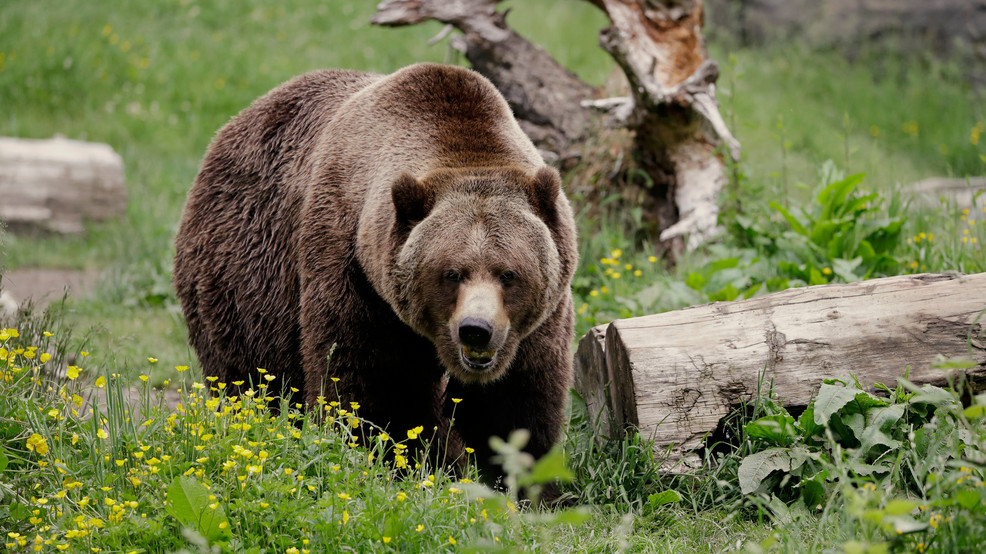
A genetic study led by researchers at Washington State University (WSU) has found that grizzly bears maintain their circadian rhythm even during hibernation, highlighting the importance of circadian rhythms in the metabolism of organisms. The study revealed that bears' energy production still follows a daily pattern during hibernation, although the amplitude of the energy production is reduced. The peak of energy production occurs later in the day during hibernation. Researchers believe that altering the circadian rhythm during hibernation helps bears conserve energy and survive without food for months.
A 73-year-old woman was attacked by a bear near the US-Canada border in northern Montana. She was hospitalized and her condition remains undisclosed. The woman, her husband, and a dog were in Flathead National Forest when the bear attacked, but her husband used bear spray to scare it away. This is the second bear attack reported in Montana in less than a month. Wildlife officials warn that Montana is "bear country" and that encounters increase before hibernation. In a separate incident, two people were killed by a grizzly bear in Banff National Park in Canada.
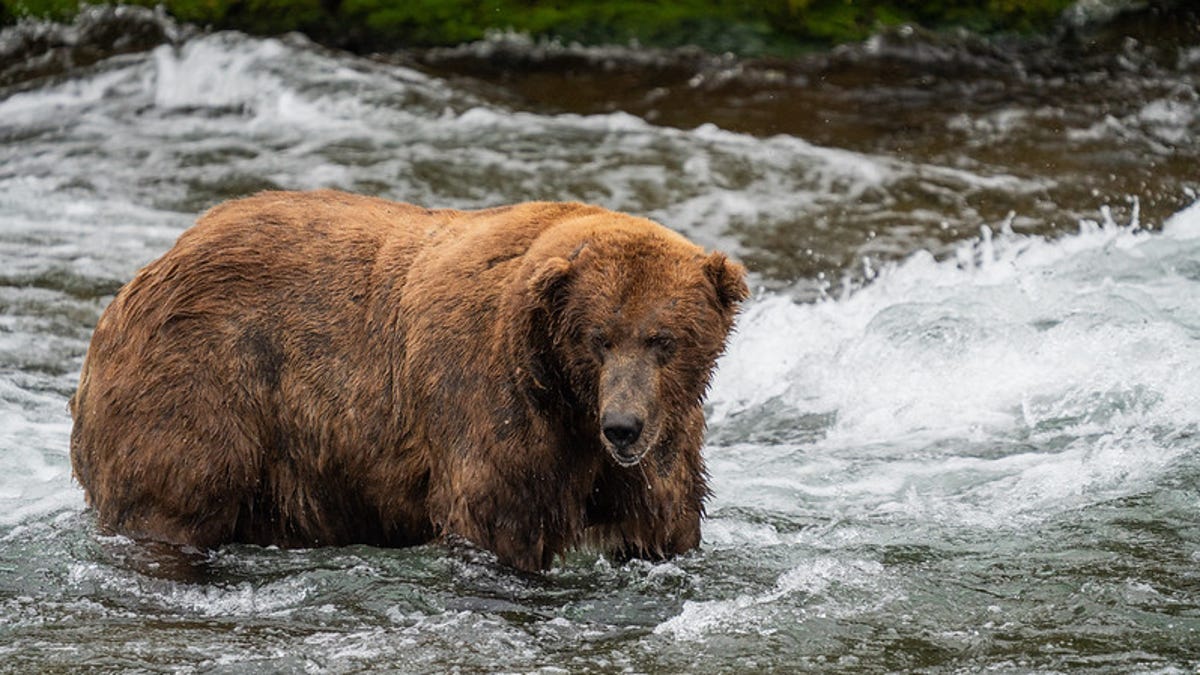
Fat Bear Week, a bracket competition held at Katmai National Park and Preserve in Alaska, celebrates the success of brown bears as they prepare for hibernation by bulking up. The competition, which begins next month, allows fans to vote for their favorite bear, with the winner crowned at the end of the week. The event highlights the importance of the bears' fat reserves for survival and the unique ecosystem that supports them. Fat Bear Week also provides an opportunity for people to learn about and connect with nature, with millions of viewers tuning in to explore.org's bear cam livestreams.
Kathrin "Kat" Kajderowicz, a PhD student at MIT, is researching cold tolerance in hibernating organisms to develop treatments that consider systemic tissue or organ dysfunction. Her work could have applications in organ transplantation and cell or tissue preservation. In the long term, she hopes to catalyze a shift in the medical field towards hypothermic therapies that induce human hibernation-like states for cells, organs, or even whole organisms. Kajderowicz's journey as a scientist began as the daughter of immigrants from Soviet Poland, and she has been recognized for her unique path as a first-generation student. She is also actively involved in building a scientific community through her digital platform, "DNA Deviants," which facilitates conversations on biotechnology trends among researchers and professionals.