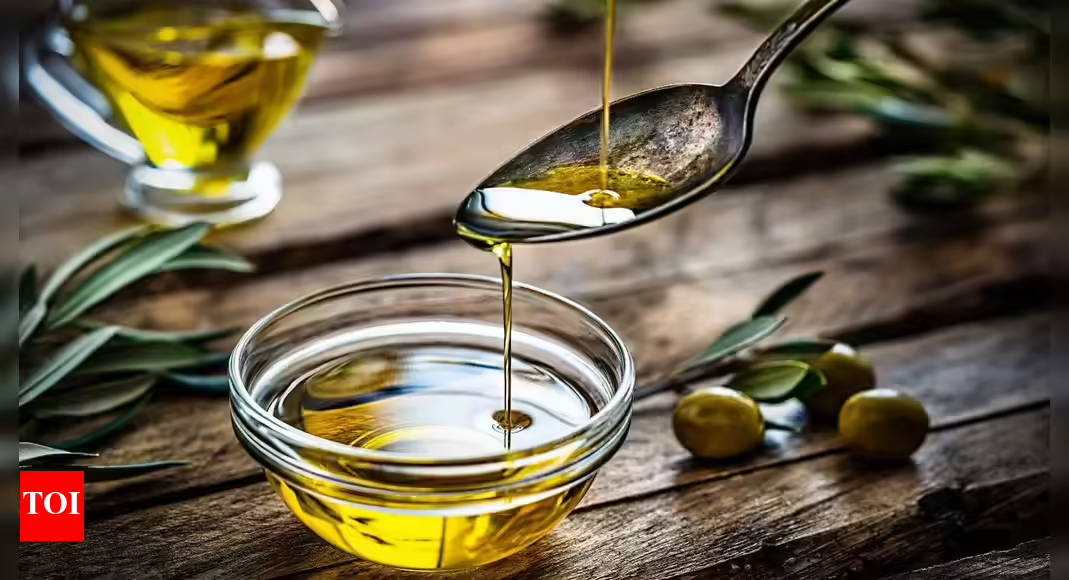
A cardiologist warns against the viral trend of taking daily olive oil shots, citing potential health risks like digestive issues and weight gain, despite some anecdotal benefits. Experts emphasize that while olive oil has health benefits, consuming it in this manner is unnecessary and may be harmful, urging consultation with health professionals before making such dietary changes.
A woman tested the popular TikTok wellness trend of drinking two tablespoons of olive oil daily for two weeks, initially experiencing nausea but later noticing improved gut health, increased energy, reduced cravings, and better skin and hair, though experts advise moderation due to potential digestive issues.
A woman tested the effects of daily olive oil consumption, noting no immediate visible changes but highlighting its internal health benefits such as improving heart health, reducing inflammation, providing antioxidants, supporting brain health, and aiding in weight management. Despite the lack of dramatic external results, olive oil's nutrients may contribute to long-term health improvements.
A dietician tried the social media trend of taking a shot of olive oil daily for a week and found no remarkable physical changes, though she acknowledged potential internal health benefits like improved heart health, anti-inflammatory effects, and brain health support from regular olive oil consumption.
France's 60 Millions de consommateurs tested 24 popular extra-virgin olive oils and found some samples contaminated with plasticizers and mineral oils, linked to packaging and processing. Four brands showed elevated levels of harmful phthalates, prompting advice to consumers to choose oils in glass or metal containers, check harvest dates, and store in cool, dark places to reduce exposure. The findings highlight the importance of packaging, storage, and purchasing habits in minimizing chemical intake from olive oil.
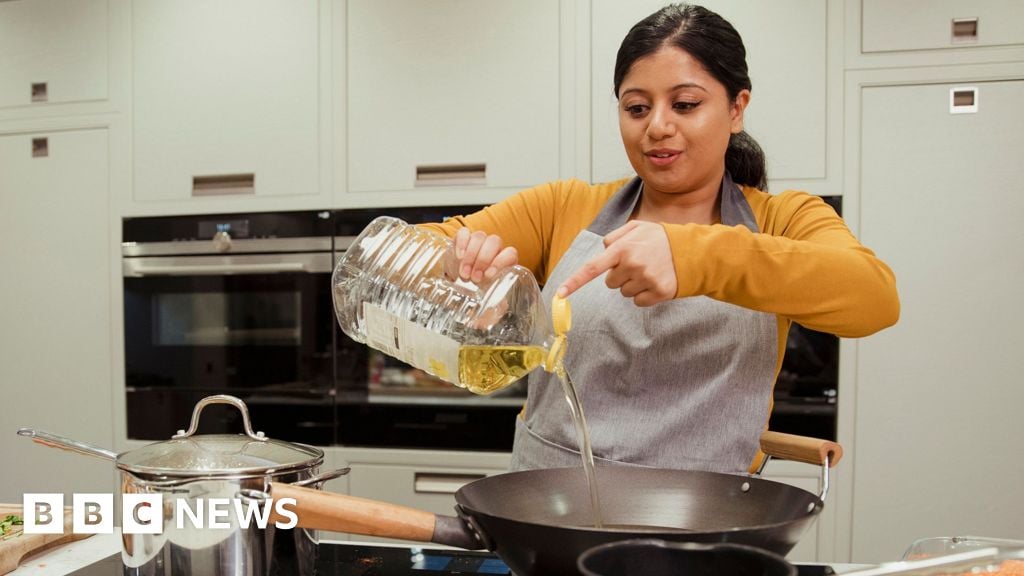
The article discusses the health implications of various cooking oils, recommending sunflower or rapeseed oil for everyday cooking and deep frying due to their high smoke points and health benefits, while suggesting extra virgin olive oil for salads and finishing dishes. It emphasizes that no single oil is a magic solution, and a balanced diet is key, debunking myths about oils and fats.
Consuming half a teaspoon of extra virgin olive oil with warm water daily may improve memory and reduce the risk of dementia, thanks to its healthy fats and polyphenols that support brain health and reduce oxidative stress. Regular intake, especially on an empty stomach, can be beneficial, but individuals should consider personal health conditions and consult a doctor if on blood thinners.
Amy Buckley, a gut health dietitian, emphasizes the importance of incorporating foods like extra virgin olive oil, kefir or live yogurt, and oily fish into a weekly diet to reduce inflammation and support overall health, while avoiding processed foods and saturated fats.
This article shares practical health tips including front-loading water intake in the morning, doing power walks, showering immediately after workouts, choosing dark glass bottles for olive oil, avoiding alcohol to manage blood pressure, and other wellness advice to improve your week.
Scientists have developed the first edible microlaser using olive oil, which can be used to monitor food quality, measure environmental conditions, and encode data like expiration dates, potentially revolutionizing food safety and tracking.
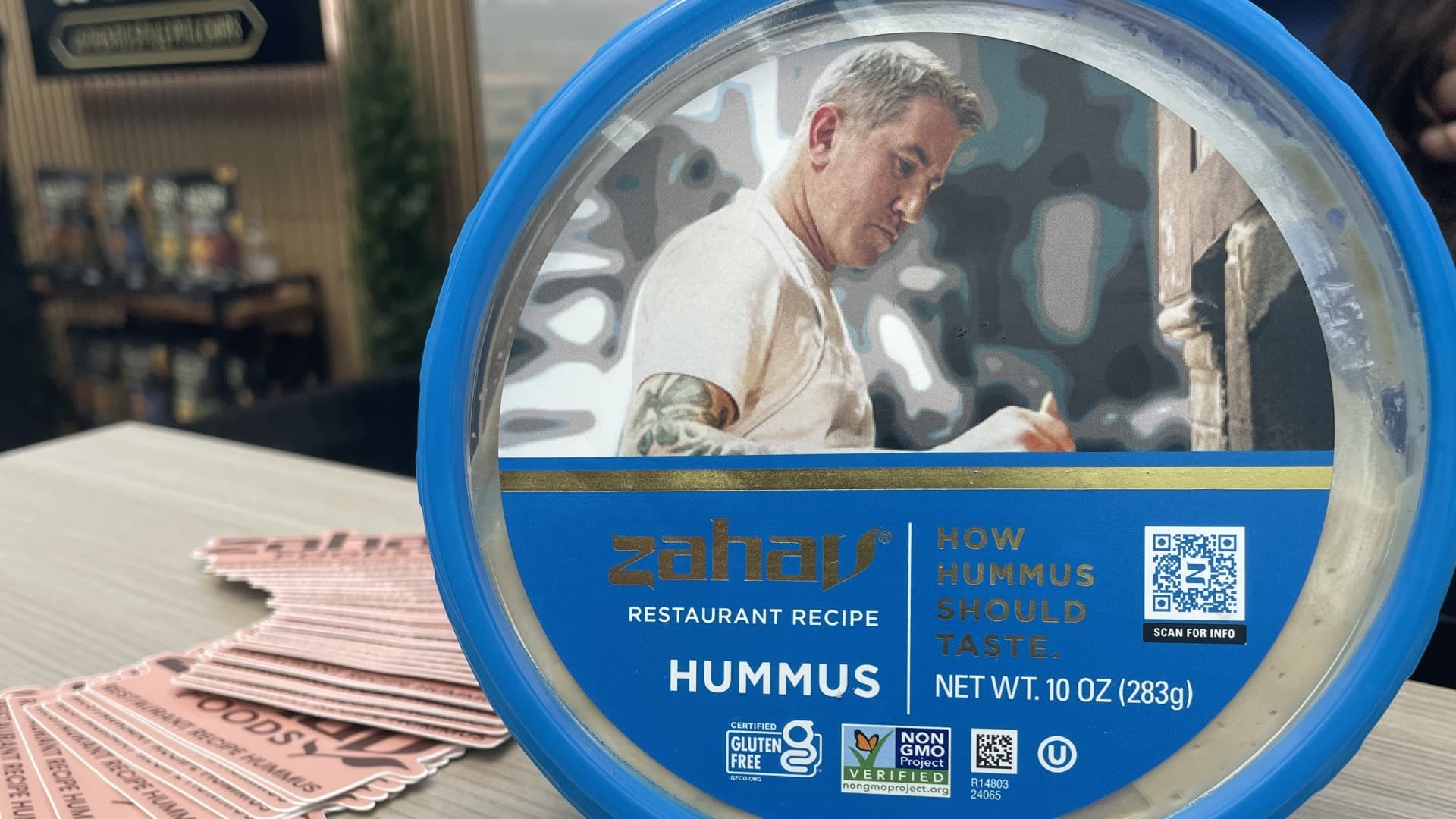
The Summer Fancy Food Show showcased emerging food trends including upgraded condiments like infused olive oils and innovative mustards, a shift towards taste-focused plant-based products, chef-led at-home food brands, the evolution of sweet and spicy ('swicy') flavors, and a resurgence of beef tallow as a cooking fat, reflecting evolving consumer preferences and culinary creativity.
The Italian town of Cilento, known for its high number of centenarians and healthy lifestyle, offers lessons on longevity through its diet rich in olive oil and seafood, active community life, mental engagement, independence, and contentment with simple living. Researchers believe these habits, along with biological factors, contribute to their remarkable health and longevity, making Cilento a potential Blue Zone to study for healthy aging.
The article highlights the healthiest cooking oils such as olive, avocado, safflower, and canola oils, which are rich in unsaturated fats and beneficial for heart health, while advising to limit oils like flaxseed, palm, and walnut oils due to their low smoke points or high saturated fat content. It emphasizes choosing oils based on cooking method, flavor, and health benefits, and advocates for a balanced diet with healthy fats.
A recent study suggests that while olive oil is traditionally considered healthy, its high oleic acid content may promote fat cell growth and weight gain, leading experts to advise moderation, especially for those at risk of heart disease. The study highlights the importance of balanced fat intake and cautions against excessive consumption influenced by popular diets and influencers.
Scientists studying Italian centenarians in Cilento have identified diet, lifestyle, and biological factors, such as a Mediterranean diet rich in olive oil, physical activity, social engagement, and unique immune responses, as key contributors to their exceptional longevity and health. Advanced bio-analytical tools reveal these individuals are biologically younger than their chronological age, with genetic and epigenetic factors playing a significant role, offering insights into promoting healthy aging for others.