Tag

Bioavailability

All articles tagged with #bioavailability

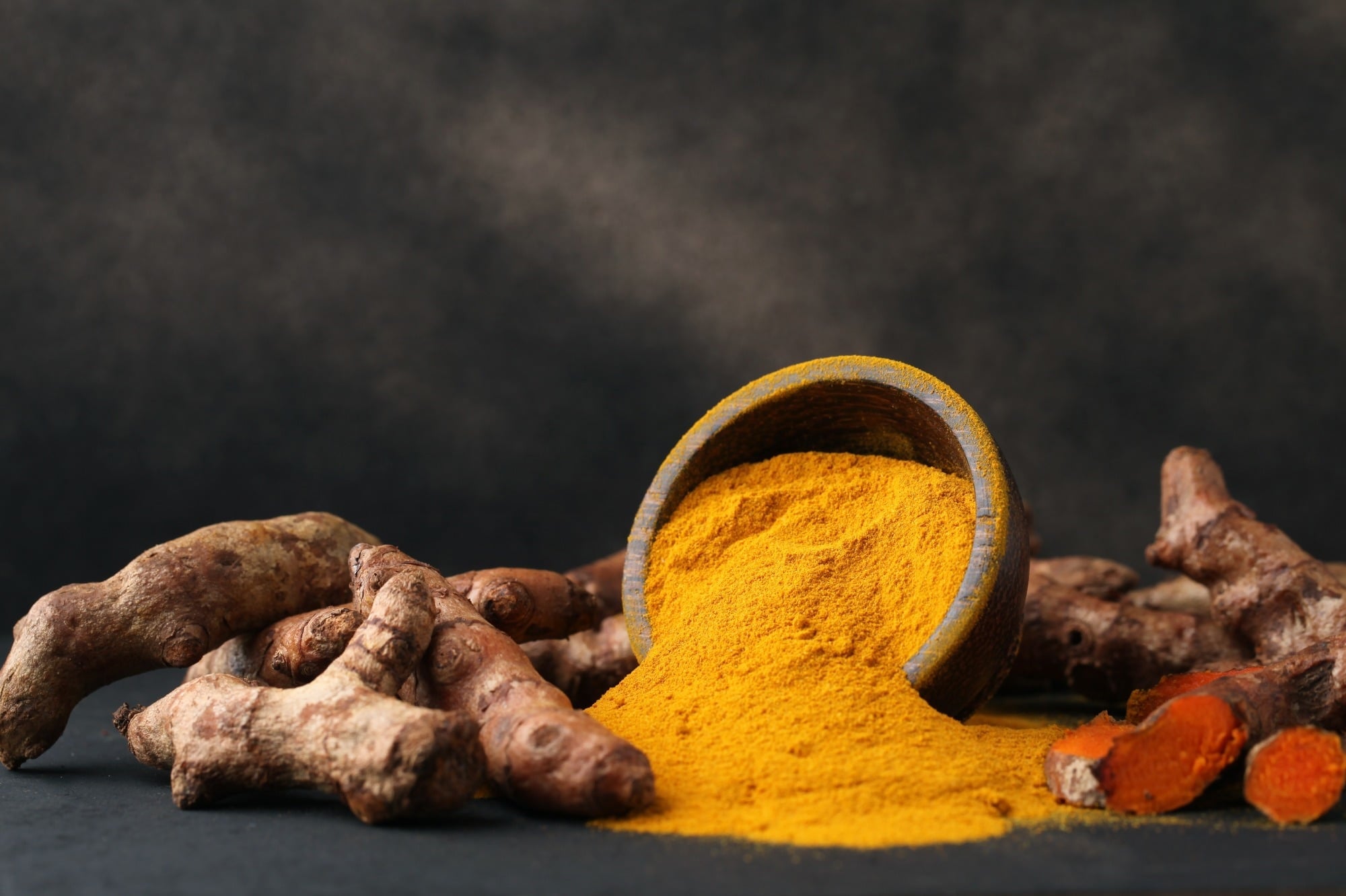
"Enhancing Turmeric's Effectiveness for Gut Health and Inflammation Treatment"

Originally Published 1 year ago — by News-Medical.Net

Featured image for "Enhancing Turmeric's Effectiveness for Gut Health and Inflammation Treatment"
Source: News-Medical.Net

Researchers explore the potential of nano-formulations to enhance the bioavailability and bioactivity of curcumin, a bioactive compound in turmeric, to amplify its antioxidant properties and disease-preventing effects. Various nano-formulations have been developed to address curcumin's bioavailability limitations, showing promising outcomes in preclinical studies across various diseases. Curcumin exhibits therapeutic potential in diseases such as cancer, inflammation, neurodegeneration, liver diseases, and Alzheimer's. Clinical trials suggest positive effects of curcumin on body weight, body fat, and metabolic markers in overweight/obese individuals, as well as in the prevention of cardiovascular diseases. Further research in clinical settings is warranted to optimize curcumin's anti-inflammatory effects in human chronic inflammation.

The Ultimate Showdown: Bone Broth vs. Collagen

Originally Published 2 years ago — by Camille Styles

Featured image for The Ultimate Showdown: Bone Broth vs. Collagen
Source: Camille Styles

The debate between bone broth and collagen continues, with both offering health benefits. Bone broth is a nutrient-rich liquid made by simmering animal bones, vegetables, and spices, providing a broader spectrum of nutrients. Collagen, derived from animal or marine sources, is available in various forms and is known for improving skin elasticity, joint mobility, and gut health. Collagen peptides, fragments of collagen, are more easily absorbed by the body. Sourcing is important, with pasture-raised animals offering superior nutrient profiles. While bone broth is more versatile and cost-effective, collagen supplements provide a more concentrated and bioavailable source of protein. Ultimately, the choice depends on personal preference and specific dietary needs.

The Best Way to Get Your Vitamin D: Sunlight or Supplements?

Originally Published 2 years ago — by mindbodygreen

Achieving optimal vitamin D levels is crucial for overall health, but it's difficult to get enough through diet and sunlight alone. Board-certified endocrinologist Brittany Henderson recommends a vitamin D status of at least 50 ng/ml for optimal health benefits. A high-quality, bioavailable vitamin D3 supplement is the most viable way to achieve this, with mbg's vitamin D3 potency+ being a standout option due to its organic, algal-sourced vitamin D3 and built-in organic oils for enhanced bioavailability. Consult with a healthcare provider before starting a supplement routine.

"Daily Nutritional Tips for Healthy Joints"

Originally Published 2 years ago — by mindbodygreen

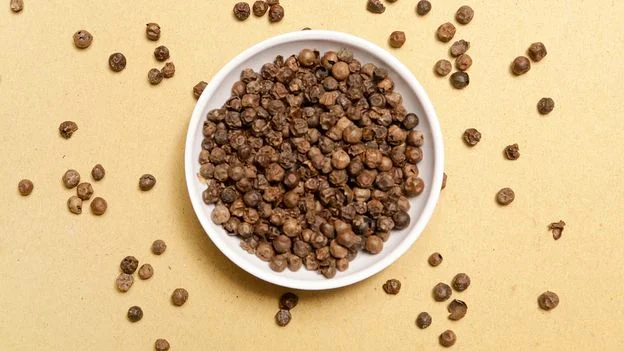
Nutritional psychiatrist Uma Naidoo recommends mindbodygreen's turmeric potency+ for joint health due to its full-spectrum turmeric root, ginger root, and black pepper fruit formula with high bioavailability. Studies show that turmeric supplementation can improve joint comfort and function. Customers have reported positive effects on their joints and overall health.

"Who Needs Vitamin D Supplements the Most: Elderly and Certain Individuals"

Originally Published 2 years ago — by mindbodygreen

Almost 30% of U.S. adults have clinical vitamin D deficiency and 41% are insufficient in this essential vitamin. Vitamin D is crucial for brain, bone, muscle, hormone, digestive, and heart health. Physically active individuals and older adults have a more difficult time reaching and sustaining vitamin D sufficiency. A high-potency dose of 5,000 IU of vitamin D3 with added fats for bioavailability is recommended. Consult with a healthcare provider before starting a supplement routine.