Tag

Neuropsychology

All articles tagged with #neuropsychology

Trauma-Exposed Children Show Brain Changes Despite No Symptoms

Originally Published 2 months ago — by PsyPost

Featured image for Trauma-Exposed Children Show Brain Changes Despite No Symptoms
Source: PsyPost

A study published in Neuropsychologia found that children exposed to trauma, even without behavioral symptoms, show subtle differences in brain activity related to attention and impulse control, with variations by sex, highlighting the importance of neural markers in understanding trauma's impact on development.


Psychologist Debunks Common Misconceptions About Romantic Chemistry

Originally Published 1 year ago — by Forbes

Featured image for Psychologist Debunks Common Misconceptions About Romantic Chemistry
Source: Forbes

The article discusses how people often mistake physical attraction and acts of kindness for romantic chemistry, highlighting the role of brain activity in these perceptions. Attractiveness can activate brain regions associated with reward and motivation, while kindness can trigger oxytocin release, both mimicking feelings of romantic connection. However, these reactions can occur independently of genuine chemistry, and it's important not to confuse them with true romantic interest.

"Rare Gene Mutation Found to Delay Alzheimer's Onset"

Originally Published 1 year ago — by NBC News

Featured image for "Rare Gene Mutation Found to Delay Alzheimer's Onset"
Source: NBC News

Researchers have discovered that a rare genetic variant in a Colombian family delays the onset of Alzheimer's symptoms by five years, offering new avenues for treatment. The study, published in the New England Journal of Medicine, found that carrying a single copy of the Christchurch variant of the APOE3 gene provides some protection against the disease. This finding could lead to new treatments aimed at mimicking the protective effects of this rare gene variant.

"Unexpected Early Signs of Dementia and Alzheimer's Revealed"

Originally Published 1 year ago — by The Mirror

Featured image for "Unexpected Early Signs of Dementia and Alzheimer's Revealed"
Source: The Mirror

Experts highlight five subtle and surprising early signs of dementia, including difficulty detecting sarcasm, frequent falls, disregarding social norms, reduced gaze, and eating non-food items. These changes in behavior or abilities can be early indicators of dementia and warrant medical consultation.

"The Impact of Aging on Memory: Insights from Biden's Neurospychology Report"

Originally Published 1 year ago — by STAT

Featured image for "The Impact of Aging on Memory: Insights from Biden's Neurospychology Report"
Source: STAT

The debate over President Biden's alleged memory lapses has sparked discussions about aging and memory. Joel Kramer, a neuropsychologist, explains that while memory decline can occur with age, it is not inevitable and varies among individuals. He emphasizes that memory loss does not always indicate underlying conditions or cognitive impairment, and different types of memory loss can be associated with different diseases. Kramer also suggests that criticism of Biden's memory and cognitive function may be influenced by political factors rather than genuine concern.

"Bristol-Myers CEO Unveils Acquisition Strategy for Company's Future"

Originally Published 2 years ago — by CNBC

Featured image for "Bristol-Myers CEO Unveils Acquisition Strategy for Company's Future"
Source: CNBC

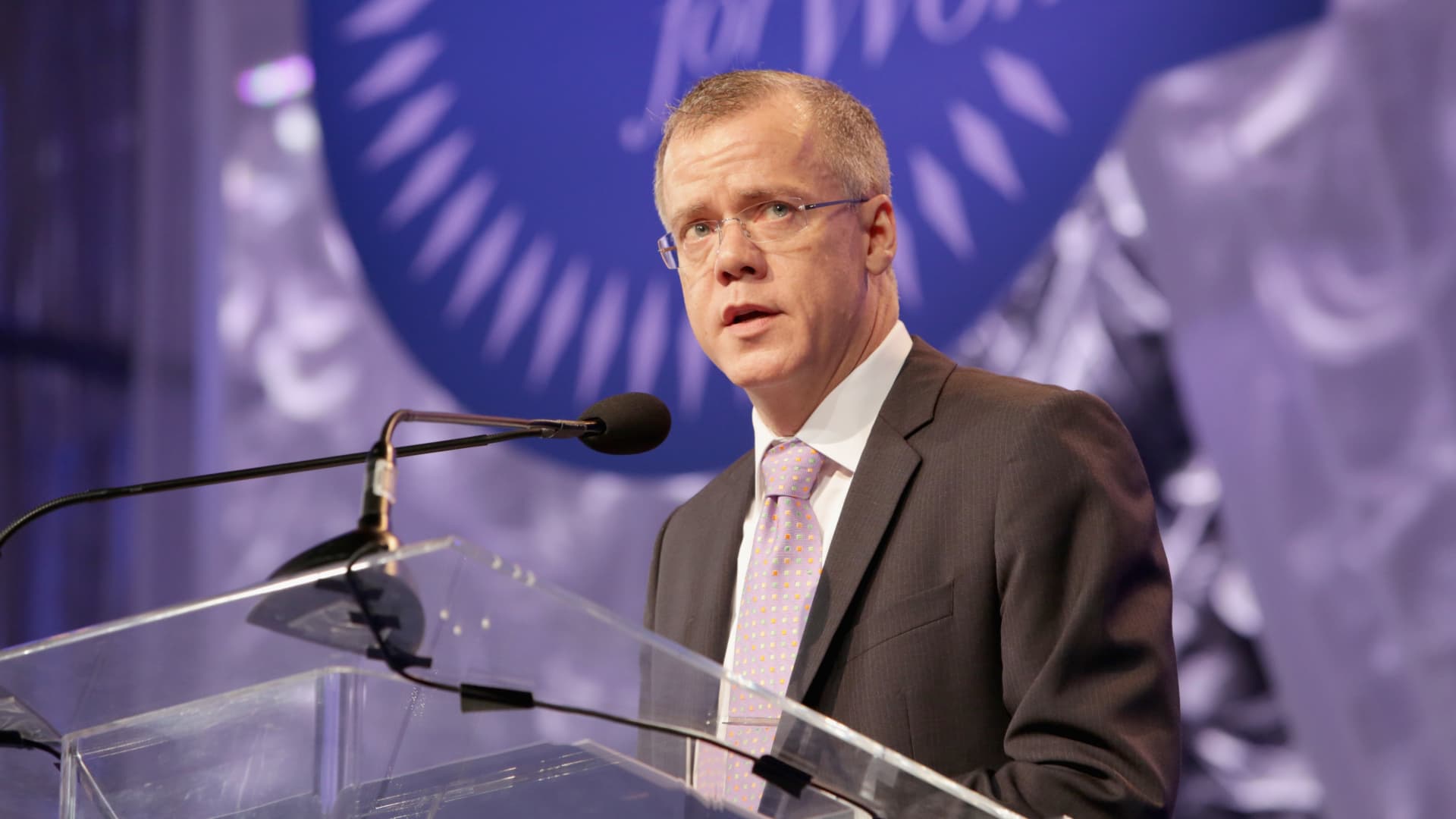
Bristol-Myers Squibb CEO Chris Boerner discussed the company's recent acquisitions, emphasizing a transformative phase and the infusion of innovation. The pharmaceutical giant plans to acquire RayzeBio, Mirati Therapeutics, and Karuna Therapeutics, with a focus on advancing cancer drugs and neuropsychiatric medications. Boerner highlighted the potential of Karuna's new medication, KarXT, in treating schizophrenia and psychosis in Alzheimer's patients, citing its efficacy and reduced side effects.

"Memory Lapses: When to Be Concerned About Forgetfulness"

Originally Published 2 years ago — by Yahoo Life

Featured image for "Memory Lapses: When to Be Concerned About Forgetfulness"
Source: Yahoo Life

Forgetting minor details like an actor's name is common and often not a cause for concern, but if forgetfulness extends to instrumental activities of daily living (IADLs), it could be a red flag for cognitive issues. Experts recommend consulting a primary care provider for a cognitive screening if memory lapses are significant, and potentially seeing a specialist for a comprehensive evaluation. Conditions like Alzheimer's can cause serious memory problems, but some memory issues are treatable. To maintain cognitive health, engaging in brain-stimulating activities and socialization is advised.

"Integrating Neuroscience into Psychology Practice"

Originally Published 2 years ago — by New Trader U

Featured image for "Integrating Neuroscience into Psychology Practice"
Source: New Trader U

Neuroscience and psychology are two sides of the same coin, offering unique perspectives on understanding human behavior and cognition. Key concepts in neuroscience include neuroplasticity and neurotransmission, while psychology encompasses several branches, including cognitive, developmental, social, and clinical psychology. The intersection of neuroscience and psychology is neuropsychology, which involves the study of the mind and the brain. Neuroscience plays a pivotal role in informing psychological treatments, and the future of neuroscience in psychology is promising, with emerging trends and technologies poised to revolutionize our understanding of the mind and behavior.

Early Parkinson's Disease Detection and Cognitive Function Study

Originally Published 2 years ago — by Neuroscience News

Featured image for Early Parkinson's Disease Detection and Cognitive Function Study
Source: Neuroscience News

Parkinson's disease does not generally reduce cognitive function within the first five years, according to a recent study led by a neuropsychologist at the Medical University of South Carolina. The study challenges the notion of cognitive deficits in individuals experiencing Parkinson's disease for less than five years. The research suggests that researchers developing disease-modifying or neuroprotective interventions for Parkinson's disease should not use neuropsychological tests as outcomes in clinical trials, as their paper suggests that they are not sensitive to the early subjective changes often reported by patients.