Dwayne Johnson reflects on his abusive childhood and how confronting his past through acting, especially in the film 'The Smashing Machine,' has been a freeing experience, allowing him to explore deeper emotional roles beyond his typical blockbuster persona.
A study finds that adverse childhood experiences are linked to increased ADHD symptoms in college students, with self-compassion and emotion regulation playing mediating roles; promoting self-kindness may help mitigate these symptoms.
Hope Jezzard overcame her intense hospital phobia, rooted in childhood trauma, through therapy and exposure, and now works as a midwife helping others manage their fears, demonstrating that with support and persistence, overcoming hospital anxiety is possible.
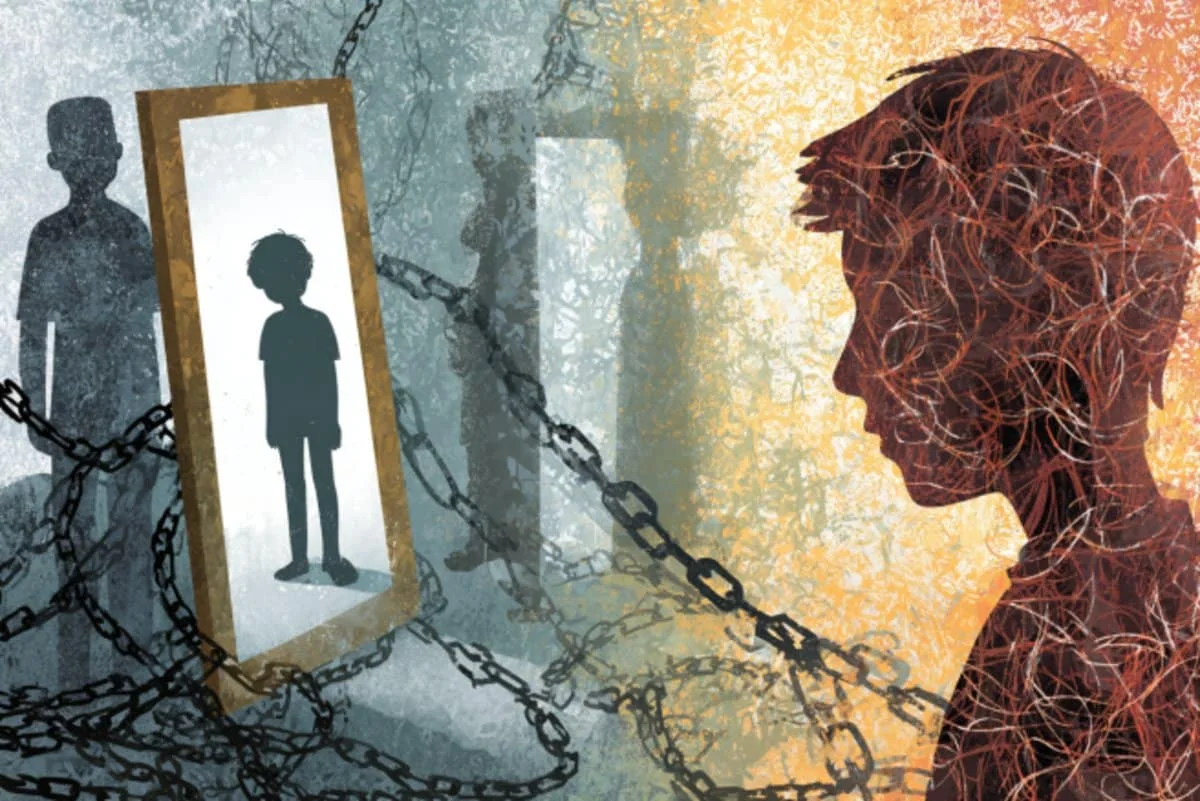
Childhood trauma can have lasting effects into adulthood, manifesting as signs like hypervigilance, people-pleasing, anger outbursts, and risky behaviors. Recognizing these signs is crucial for seeking support and beginning recovery, as trauma impacts mental health and relationships.
A study published in Neuropsychologia found that children exposed to trauma, even without behavioral symptoms, show subtle differences in brain activity related to attention and impulse control, with variations by sex, highlighting the importance of neural markers in understanding trauma's impact on development.
Scientists have identified the brain chemical SGK1 as a key factor linking childhood trauma to adult depression and suicidal thoughts. Elevated SGK1 levels are associated with increased risk, and inhibiting this chemical could lead to new, more effective antidepressants, especially for those with early life adversity. Studies in animals and genetic data support targeting SGK1 for future treatments.
Kathleen Saxton, a psychotherapist, discusses the impact of growing up with narcissistic parents, the traits of narcissistic personality disorder, and strategies for recovery and establishing boundaries, emphasizing that it's never too late to reclaim one's life from such toxic influences.
A study from the University of Aberdeen found that childhood trauma, especially multiple adverse experiences, is strongly linked to mental health issues and chronic pain at age 50, with women being more affected than men, highlighting the importance of early intervention and prevention.
The article highlights the devastating impact of ongoing conflict in Gaza on children, who have lost their homes, access to education, and basic needs, leading to profound trauma and a loss of childhood innocence.
A study found that childhood trauma leads to sexual narcissism, which mediates the development of compulsive sexual behavior, highlighting potential targets for treatment.
A study in Israel found that childhood trauma is linked to increased sexual narcissism and hypersexual behavior, with sexual narcissism mediating the relationship between trauma and hypersexuality, highlighting potential clinical implications for treating compulsive sexual behavior.
Research at Virginia Tech explores how childhood trauma rewires brain circuits, particularly the thalamic nucleus reuniens, leading to increased impulsive and pathological aggression later in life. Using advanced techniques like CRISPR and optogenetics, scientists aim to identify neural targets for therapies to mitigate trauma-induced aggression.
Research from the University of Georgia shows that adverse childhood experiences, especially in unsafe environments and among Black communities, can lead to long-term health issues, including increased substance use, heart problems, and accelerated aging, highlighting the importance of early intervention and community support.
Research from the University of Leeds shows that childhood trauma significantly influences adult mental health outcomes by affecting stress appraisal and perceived stress, which mediate the relationship between early adversity and issues like depression, anxiety, and suicide risk, highlighting potential intervention targets.
Research shows that individuals with childhood trauma tend to experience more negative and fewer positive emotions during sexual disagreements with partners, primarily due to attachment anxiety, which influences emotional responses and can affect relationship dynamics.