Bristol Myers Squibb's stock rose over 5% after delaying the results of a clinical trial for Cobenfy, a drug for Alzheimer's disease psychosis, due to enrollment irregularities. The delay, expected to extend the trial completion to 2026, suggests positive trends despite concerns, and the stock's movement reflects investor optimism about the potential market and ongoing development efforts.
Bristol Myers Squibb is acquiring Orbital Therapeutics for $1.5 billion to expand into in vivo CAR-T cell therapies, focusing on autoimmune diseases and leveraging Orbital's RNA-based approach to produce CAR-T cells within the body, marking a significant move in the biotech and cell therapy markets.
Bristol Myers Squibb is acquiring Orbital Therapeutics for $1.5 billion to enhance its cell therapy portfolio with next-generation RNA medicines, including the investigational CAR T-cell therapy OTX-201, aimed at autoimmune diseases, leveraging Orbital's innovative RNA platform for more accessible and effective treatments.
Bristol Myers Squibb announced that their Phase 3 EXCALIBER-RRMM study showed that combining iberdomide with standard therapies significantly improved minimal residual disease negativity rates in relapsed or refractory multiple myeloma patients, with the trial continuing to evaluate other endpoints.
Bristol Myers Squibb and Bain Capital have created a new independent biopharmaceutical company, NewCo, focused on developing innovative immunology therapies for autoimmune diseases, with five assets licensed from BMS and a $300 million investment led by Bain Capital, aiming to address unmet medical needs.
Bristol Myers Squibb plans to discuss FDA approval for Reblozyl in treating anemia despite a failed phase 3 trial that narrowly missed statistical significance, citing clinically meaningful benefits and future data sharing, amidst a year of clinical setbacks for the company.
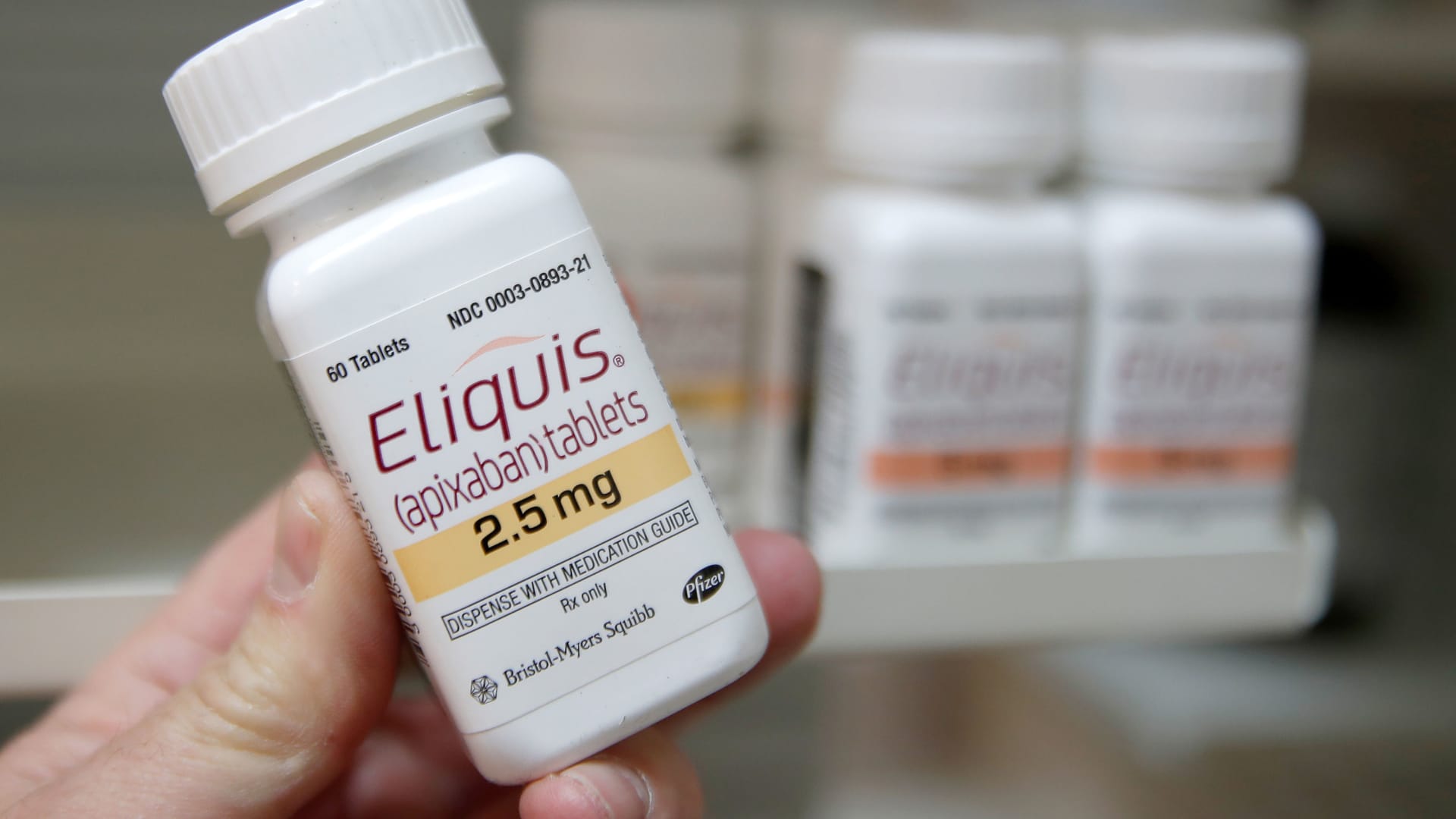
Bristol Myers Squibb and Pfizer will sell Eliquis directly to patients at over 40% discount, reducing the price from around $606 to $346 per month, as part of efforts to lower drug costs amid government pressure, though the new price remains higher than insurance and Medicare negotiated prices.
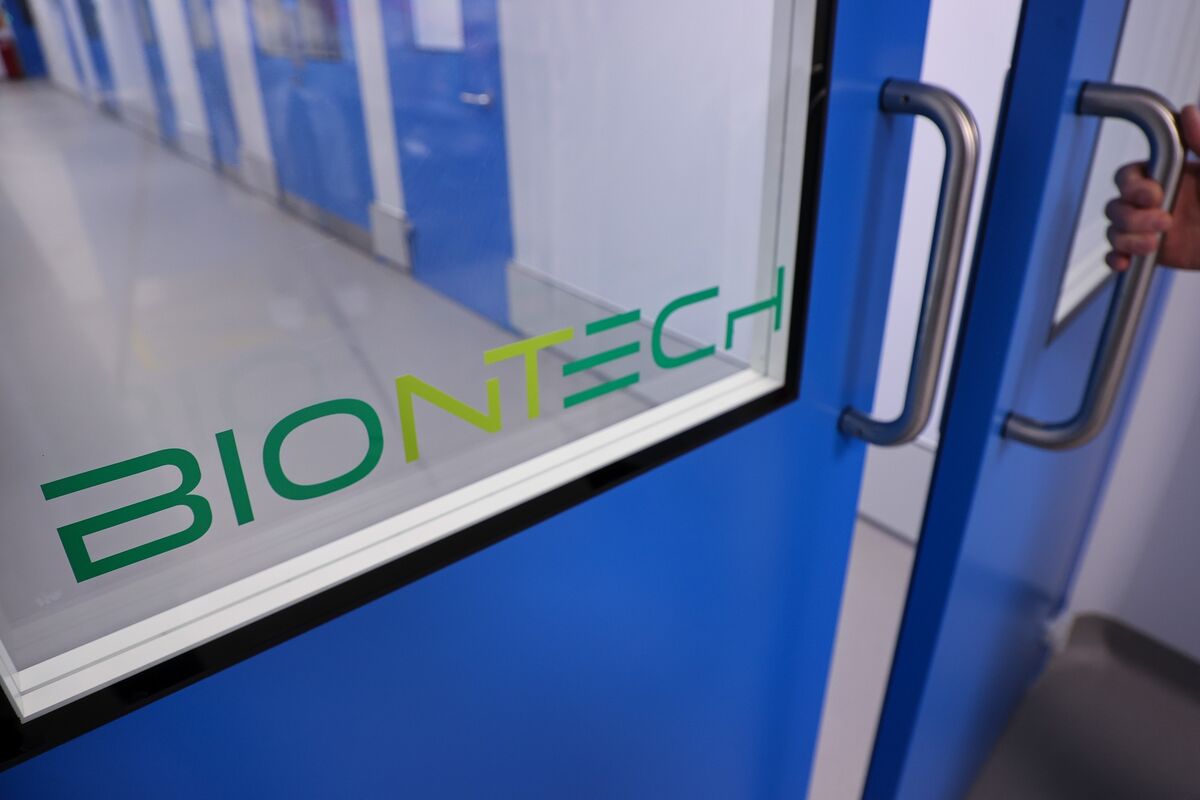
Bristol-Myers Squibb will pay BioNTech up to $11.1 billion to license a new cancer immunotherapy, marking a significant move in the competitive oncology market aiming to expand immune-based treatments, with the deal including upfront payments, milestone payments, and shared development costs.
Bristol Myers Squibb has signed an $11 billion partnership with BioNTech to develop and commercialize BNT327, a promising cancer drug that could rival Keytruda, with potential to treat up to 3 million patients and transform cancer care. The deal includes shared clinical trial costs and milestone payments, reflecting the drug's significant potential in immunoncology.
AbbVie's acquisition of Cerevel Therapeutics' experimental schizophrenia drug, emraclidine, has resulted in a significant setback after the drug failed to outperform a placebo in two clinical trials. This unexpected failure led to a 12% drop in AbbVie's stock, erasing $40 billion in value, while boosting Bristol Myers Squibb's shares by 12% as their competing drug, Cobenfy, remains unchallenged. The failure raises questions about the future of muscarinic receptor-targeting antipsychotics and may impact other companies in the field.
AbbVie's shares plummeted over 12% after its experimental schizophrenia drug, Emraclidine, failed to meet clinical trial goals, erasing $40 billion from its market value. The drug was acquired for $8.7 billion from Cerevel Therapeutics to compete with Bristol Myers Squibb's recently approved Cobenfy. Despite the setback, AbbVie remains committed to developing treatments for psychiatric disorders, while analysts suggest the stock sell-off may be excessive.
AbbVie's $8.7 billion acquisition of Cerevel Therapeutics has hit a setback as its schizophrenia drug candidate, emraclidine, failed two phase 2 trials, missing primary endpoints and showing no significant improvement over placebo. This failure benefits rival Bristol Myers Squibb, whose stock rose as AbbVie's fell. Despite the setback, AbbVie notes other promising candidates from the Cerevel acquisition, including a Parkinson's disease treatment that recently succeeded in phase 3 trials.
Meta, Amazon, Bristol-Myers Squibb, and Chevron are among the stocks making significant moves in premarket trading, with Meta and Amazon experiencing declines while Bristol-Myers Squibb and Chevron are seeing gains.
Bristol Myers Squibb reported fourth-quarter earnings and revenue that exceeded expectations, driven by strong sales growth of new drugs such as Reblozyl and Opdualag. The company's revenue increased by 1% to $11.48 billion, with higher sales of Eliquis and Opdivo contributing to the growth. While its profit shrank from the prior year, Bristol Myers issued a positive full-year 2024 forecast, expecting higher than anticipated earnings and low single-digit revenue growth. The company's blockbuster drug Revlimid saw a decline in sales, but overall, the performance of new and existing drugs helped offset this decrease.