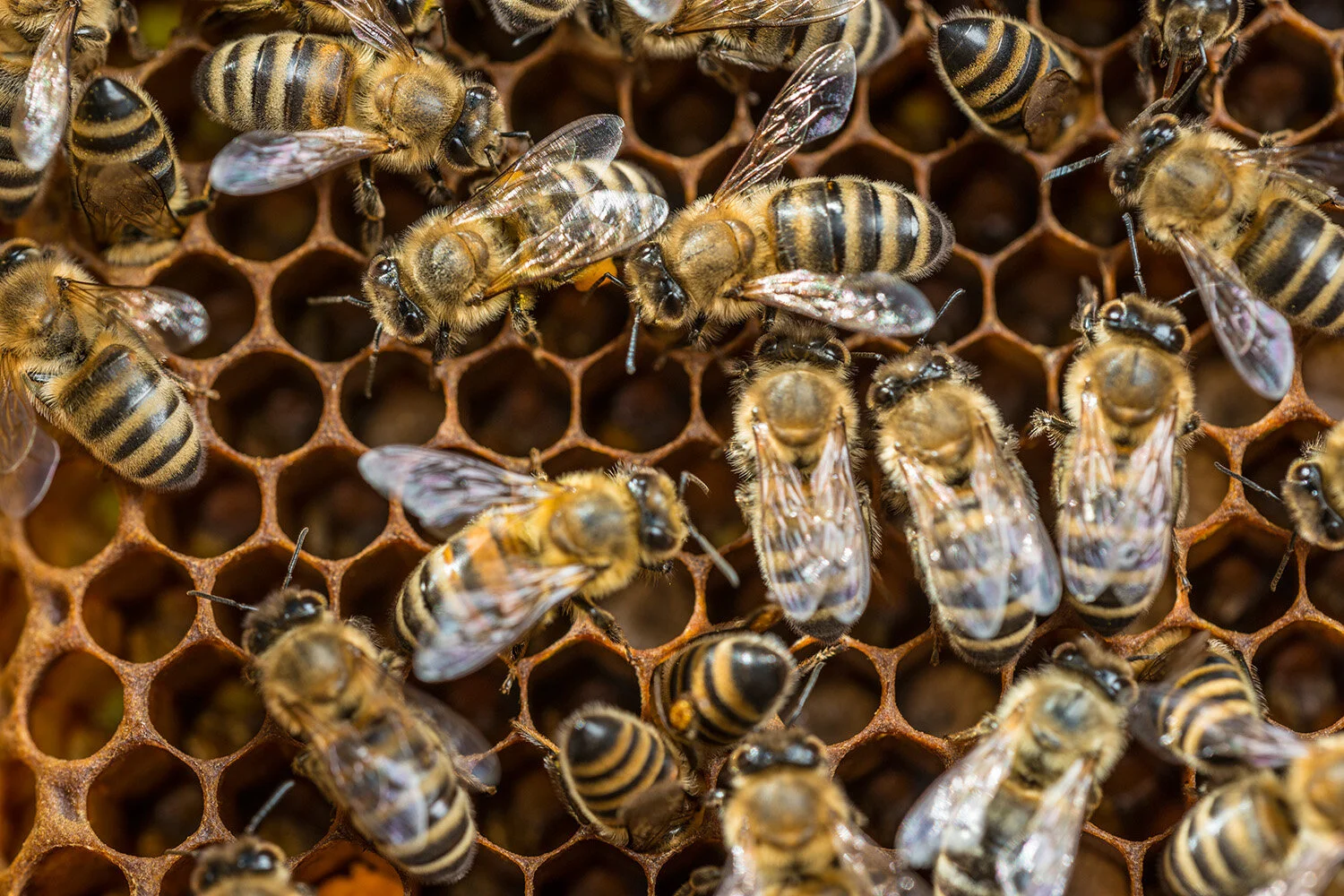
A study by UFZ scientists found that crop chemicals like fungicides, herbicides, and insecticides cause significant behavioral changes in honeybees and zebrafish, even at environmentally relevant low concentrations, suggesting the need for more complex behavioral testing in chemical risk assessments to better protect non-target organisms and biodiversity.
The article highlights unexpected early signs of dementia beyond memory loss, such as personality changes, difficulty with everyday tasks, disorientation, and sleep disturbances, emphasizing the importance of early detection for better management and support.
Research indicates that Toxoplasma gondii and other parasites can alter brain chemistry, increasing impulsivity, aggression, and risk-taking behaviors in humans, potentially impacting mental health and societal trends. These parasites manipulate dopamine and immune responses, which may influence personality traits and behavior, raising public health concerns and prompting further investigation into their broader effects.
Since the onset of the COVID-19 pandemic, alcohol consumption in the United States has increased significantly and remains elevated. This trend raises concerns about long-term public health implications and highlights changes in behavioral patterns during and after the pandemic.
Experts highlight five subtle and surprising early signs of dementia, including difficulty detecting sarcasm, frequent falls, disregarding social norms, reduced gaze, and eating non-food items. These changes in behavior or abilities can be early indicators of dementia and warrant medical consultation.
Unusual eating habits, such as hyper-fixating on one food or eating non-food objects, could be an early sign of frontotemporal dementia (FTD), a subtype of dementia that affects the frontal and temporal lobes of the brain. Individuals with FTD may exhibit obsessive or repetitive behavior related to food, which can lead to health issues such as weight gain or loss. Other symptoms of FTD include personality and behavior changes, language problems, mental abilities issues, and physical problems. If you suspect dementia, it's important to consult a GP for early intervention.
Unusual eating habits, such as hyper-fixating on one food or eating non-food objects, could be an early sign of frontotemporal dementia, a subtype of dementia that affects the frontal and temporal lobes of the brain. These behaviors, including obsessive or repetitive eating, may be indicative of the condition, which can also manifest as personality and behavior changes, language problems, and difficulties with mental abilities. Seeking medical advice early is crucial for intervention and management of the condition.
A study revealed that Robert Card, the Army reservist who killed 18 people in a shooting in Maine, had signs of traumatic brain injury consistent with exposure to weapons blasts. The analysis suggested that brain injury likely played a role in the behavioral changes noted by those who knew Card in the months leading up to the mass killing. While the findings are concerning, experts cautioned against making a direct causal link between the brain injuries and Card’s actions, emphasizing that traumatic brain injury does not explain the preplanned criminality of this magnitude. Card's family shared the report's findings in a bid to prevent future tragedies and raise awareness of traumatic brain injury among military service members, expressing deep regret over Card's actions and acknowledging the suffering caused.
A study reveals that excessive stress during adolescence can lead to long-lasting changes in gene expression in the brain, particularly those related to bioenergy functions, which may disrupt cell respiration and contribute to behavioral issues and psychiatric disorders in adulthood. Using a rat model, the study showed that stressed adolescent rats exhibited anxiety, reduced sociability, and cognitive impairments, linked to changes in genes controlling mitochondrial function in the prefrontal cortex. These findings underscore the critical impact of adolescent stress on adult brain function and behavior.
A study from the University of Colorado Boulder reveals that nearly one in five children and preteens in the United States use melatonin for sleep, including preschoolers. Concerns arise due to limited safety data and the lack of regulation by the FDA. Experts emphasize caution and recommend prioritizing behavioral changes over melatonin supplements for sleep issues in children. The study highlights the need for further research on the safety and efficacy of melatonin use in children.
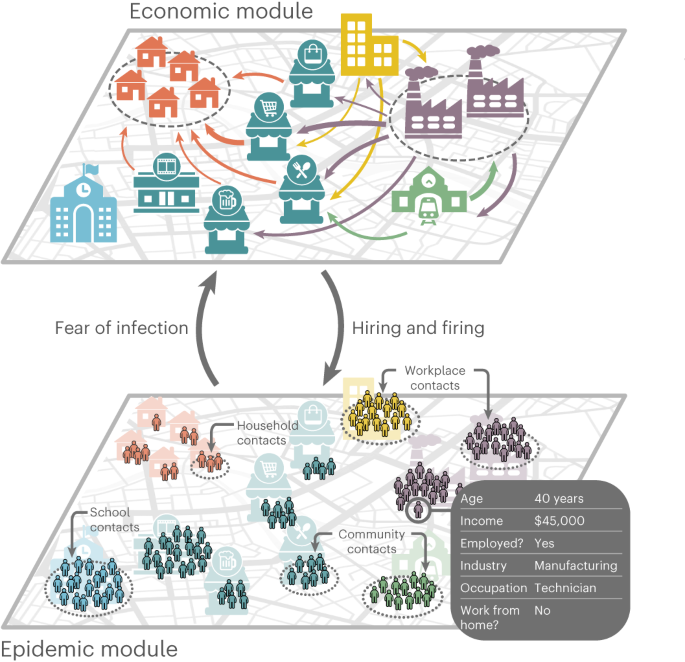
The unequal effects of the COVID-19 pandemic on health and the economy have impacted people differently across socioeconomic groups. Mandated non-pharmaceutical interventions (NPIs) such as closures of non-essential economic activities have led to lower exposure to the virus for employees in non-essential industries or those able to work remotely, while workers in essential, in-person tasks have faced a higher risk of exposure. Self-imposed behavioral changes, such as minimizing contacts and reducing the use of customer-facing services, have also had varying consequences across socioeconomic groups. A data-driven agent-based model has been developed to simulate the epidemic and economic impacts, providing insights into the effects of different policies and interventions. The model shows that stricter closures and higher fear of infection lead to increased unemployment and fewer COVID-19 deaths, with low-income individuals being disproportionately affected. The study also explores the effectiveness of industry-specific closures and the timing of interventions, highlighting the importance of early mitigation measures. Additionally, an age-specific fear of infection scenario is examined, which marginally reduces both unemployment and deaths compared to uniform fear.
A new study of wolves in Yellowstone National Park shows that some are infected with toxoplasma gondii, a parasite that alters the behavior of rodents to make them less risk-averse and less afraid of cats, increasing the chance that a cat will catch and eat the rodent. Infected wolves were 11 times as likely as noninfected wolves to disperse from their pack and about 46 times as likely to eventually become leaders. The findings fit in with T. gondii's apparent ability to boost boldness across a wide range of warm-blooded life.
Craving sweet foods could be an early warning sign of behavioral-variant frontotemporal dementia (bvFTD), a type of frontotemporal dementia that affects personality, behaviors, and speech. Other signs of bvFTD include reduced motivation, lack of interest in things you used to enjoy, and inappropriate behavior. The primary progressive aphasia type affects language rather than behavior, with symptoms including difficulty remembering, finding or understanding words, and gradual loss of vocabulary. There is no cure for dementia, but treatment can help manage some of the symptoms.