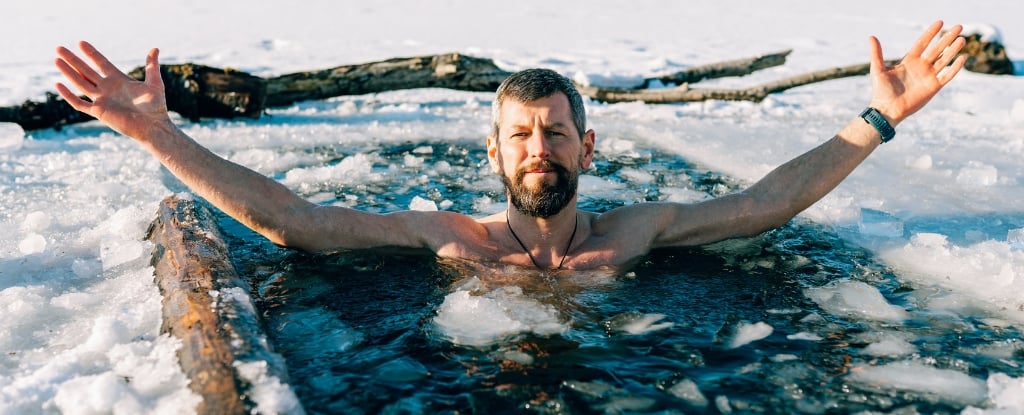
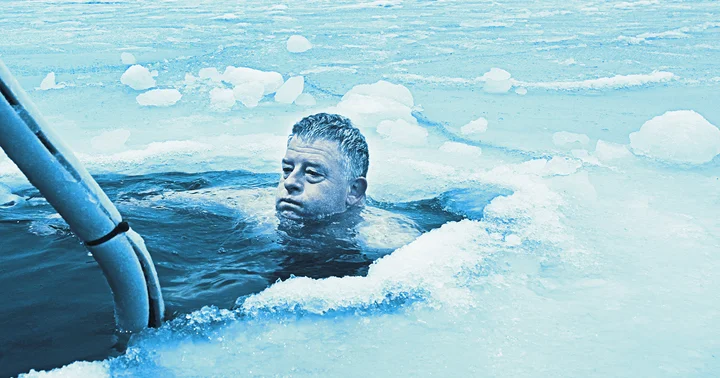
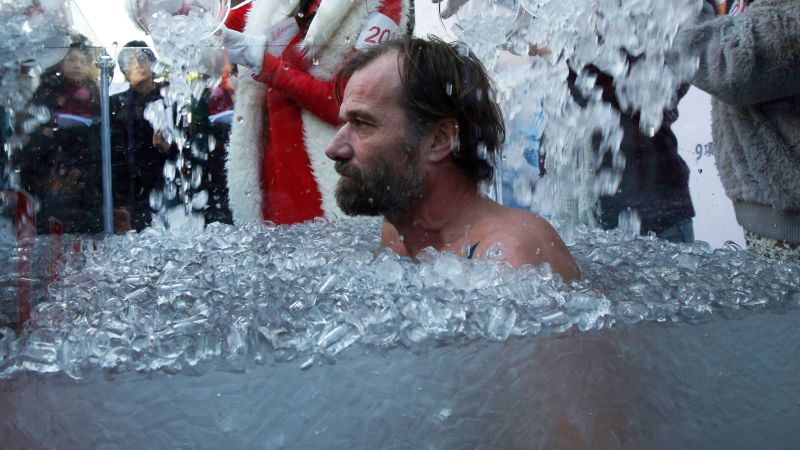
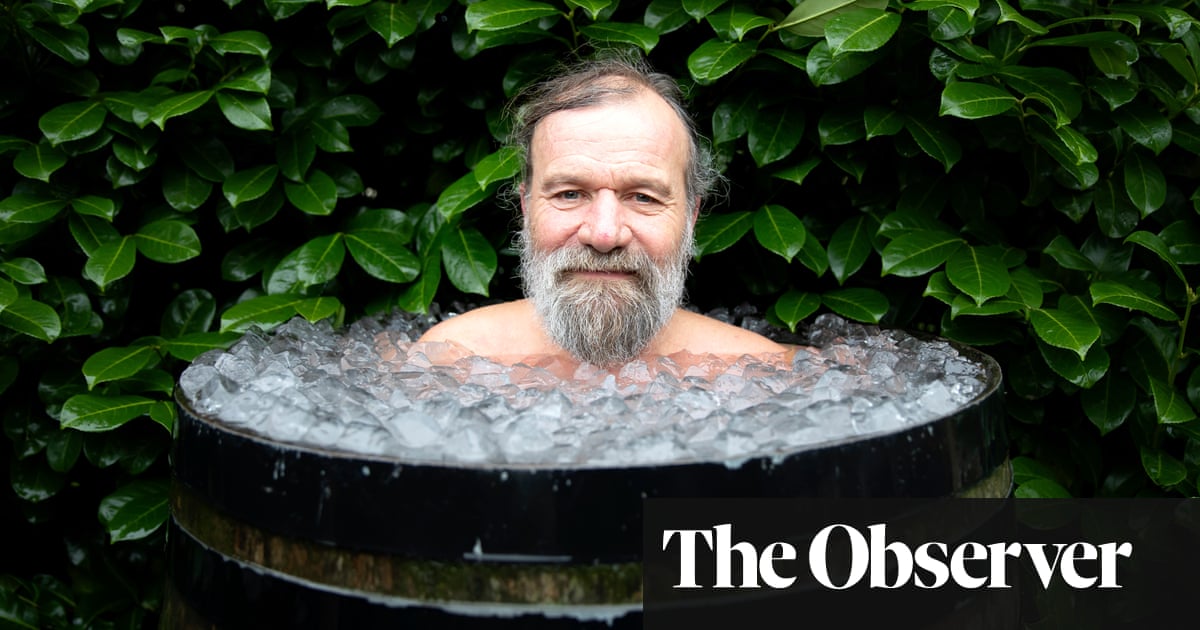
Cold-water immersion may offer mental health benefits and physiological effects, but it also carries risks such as hypothermia and drowning. Experts suggest moderate exposure, proper precautions, and medical screening to maximize benefits and minimize dangers.
Brief, controlled stressors like cold water immersion can recalibrate the brain's perception of physical effort, making workouts feel less painful and more enjoyable, which can enhance resilience and motivation during exercise.
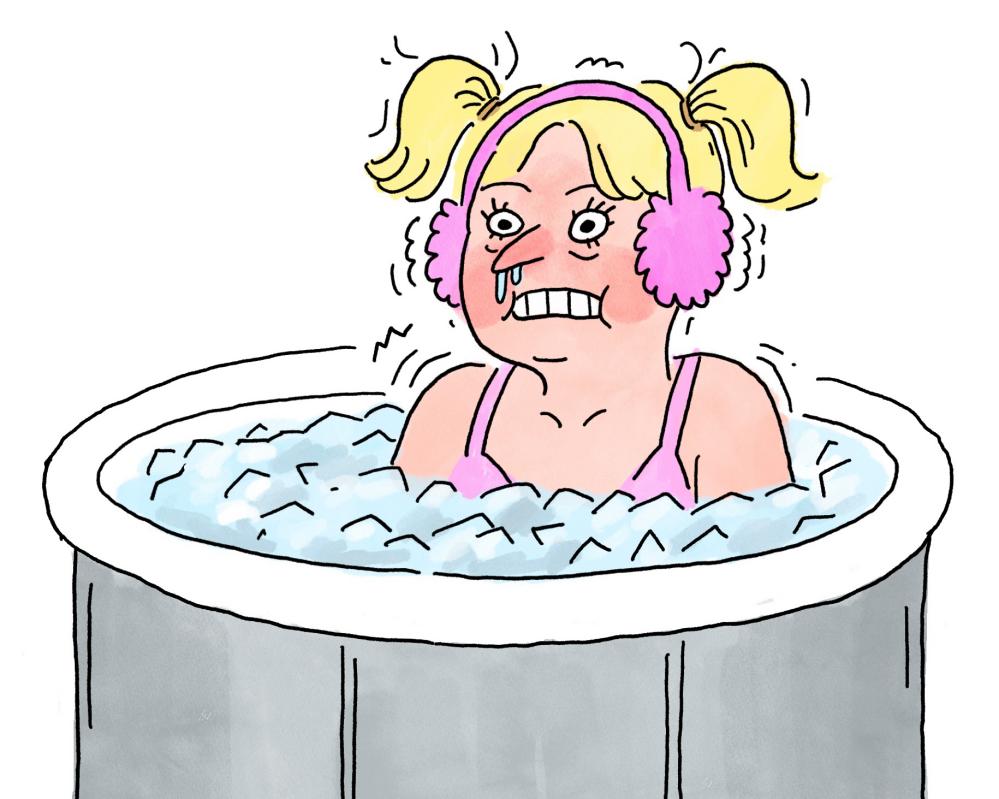
Ice baths have become popular for recovery and mental health benefits, but they pose significant health risks such as cold shock, hypothermia, and cardiovascular events. Experts advise caution and recommend starting gradually, limiting session duration, and consulting a doctor before use to ensure safety.
While cold water plunges activate the body and may increase immune cell activity temporarily, current scientific evidence does not conclusively support the idea that they boost immunity or reduce illness. The benefits observed may be due to overall healthier lifestyles or exercise rather than cold exposure itself, and excessive cold exposure can be harmful. Moderation is advised, with recommended immersion times of no more than 90 seconds.
A recent study suggests that taking ice baths immediately after strength training may hinder muscle growth by reducing blood flow and protein delivery to muscles, challenging the popular belief that cold plunges aid recovery and muscle gains. The research indicates that while ice baths might help with soreness for endurance athletes, they could be counterproductive for those aiming to build muscle, especially if taken right after workouts.
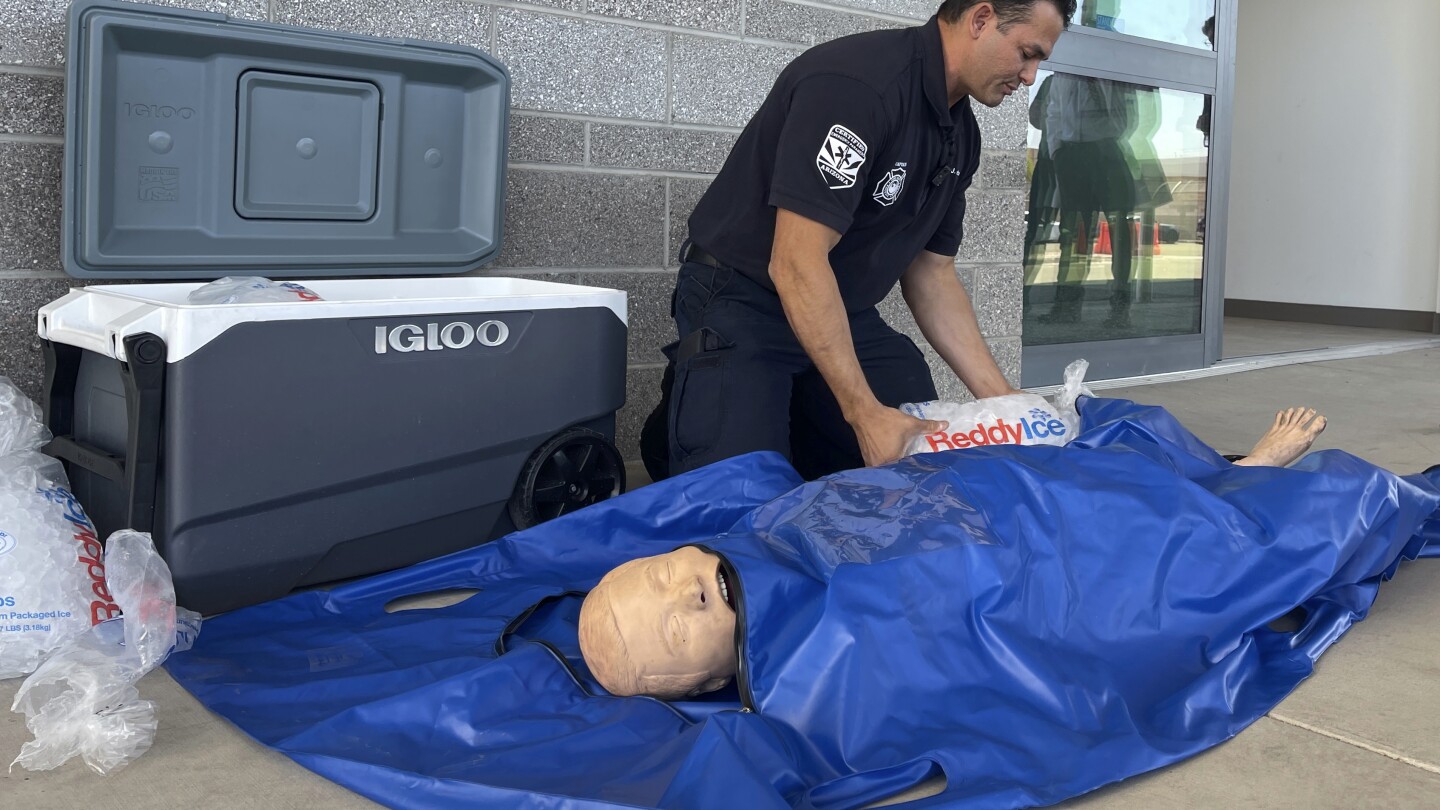
As the Southwest faces a severe heatwave, Phoenix firefighters are using cold water immersion to treat heatstroke victims, a technique that rapidly lowers body temperature and improves survival rates. This method, now standard on Phoenix emergency vehicles, is part of broader measures to combat rising heat-related deaths in the region.
As the Southwest faces a heat wave with triple-digit temperatures, the Phoenix Fire Department is using cold water immersion to treat heatstroke victims, a technique already adopted by local hospitals. This method, which rapidly lowers body temperature, is now standard on all Phoenix emergency vehicles and aims to reduce the high number of heat-related deaths in the area.
Celebrities and social media have popularized the trend of ice baths, claiming benefits such as improved mood, increased energy, weight loss, decreased inflammation, and accelerated muscle recovery. However, while there is some scientific evidence supporting these claims, caution is advised due to potential risks such as skin and nerve sensitivity, hypothermia, and heart problems.
A systematic review of scientific studies on the Wim Hof method of cold water therapy found the quality of the research inadequate to support most claims of effectiveness without additional investigation. While some research hinted at promising anti-inflammatory effects, more high-quality research is needed to verify these findings. Known as "The Iceman," Wim Hof has achieved numerous Guinness World Records titles, but many health benefits listed on his website have not undergone scientific validation in large clinical trials. Cold water immersion is not advised for individuals with certain medical conditions, and experts emphasize the need for thorough medical checkups and safety precautions for those interested in trying the method.
A new study from University College London surveyed 1,114 women who regularly engage in cold water swims and found overall health improvements in those experiencing symptoms of menstruation and menopause, including reduced anxiety, mood swings, irritability, low mood, and hot flashes. Cold water swimming also encourages exercise in nature and community building, but experts warn of risks such as hypothermia. Other research suggests that cold exposure can trigger the release of anti-inflammatory markers, help manage blood sugar, and boost metabolic rate.
Cold plunging, also known as cold water immersion, is a practice that involves immersing your body in cold water for potential health benefits. While the scientific evidence is still evolving, some potential benefits include improved insulin sensitivity, enhanced immune function, reduction in chronic inflammation, mood enhancement, stress management, and improved workout recovery. The effects of cold plunging can vary from person to person, and it is important to start with shorter sessions and gradually increase the duration. Safety and individual comfort levels should be prioritized, and consulting with a healthcare professional is recommended, especially for those with underlying medical conditions.
The growing trend of cold water immersion (CWI) in Australia, touted for its physical and mental health benefits, is raising concerns among experts. While ice baths are credited with burning fat, relieving anxiety and depression, and increasing energy, there is limited experimental evidence to support these claims. CWI expert Professor Mike Tipton warns that cold water immersion can induce cardiac arrhythmias, which can be potentially fatal. He calls for more regulation surrounding the trend and highlights the need for awareness of the peripheral vascular damage that ice water can inflict. A recent coroner's ruling in the UK, following the death of a woman during a cold water immersion session, also calls for increased regulation in this area.
Cold water immersion, once used as a punishment, has gained popularity as a therapy for various health benefits. However, experts warn that it can be potentially lethal, with 60% of deaths occurring within the first minute of immersion. A recent case in the UK highlighted the risks when a woman died from an undiagnosed heart condition triggered by a cold water immersion session. The American Heart Association and the British Heart Foundation caution against cold therapy, especially for those with heart conditions. While some claim benefits such as improved mood and immunity, there is limited scientific evidence to support these claims. Experts emphasize the need for regulation and safety guidelines for cold water immersion activities.