A long-term study found that consuming plant-based omega-3s, specifically alpha-linolenic acid from flaxseed oil, significantly increases levels of essential omega-3 fatty acids like EPA, DPA, and DHA in the blood, even among vegans and vegetarians, suggesting the importance of regular intake of plant-based omega-3 sources.
A 2024 meta-analysis of 29 studies suggests that omega-3 supplements, commonly found in fish oil, can reduce aggression by up to 28%, indicating potential benefits for mental health and behavior management across various demographics.
Researchers at the University of Chicago discovered that zeaxanthin, a nutrient known for eye health, can boost immune cells' ability to fight cancer and enhance immunotherapy effectiveness, showing promise as a safe, accessible supplement to improve cancer treatments, though further clinical trials are needed.
Research suggests that soluble, gel-forming fibers like psyllium and oat beta-glucan may help remove 'forever chemicals' (PFAS) from the body by trapping them in the gut and promoting their excretion, with initial studies showing promising results in both mice and humans. This low-cost, accessible approach could offer a practical way to reduce PFAS levels, which are linked to various health issues, though further research is needed. Consulting a healthcare professional before starting any supplement is advised.
A man who followed dietary advice from ChatGPT and replaced his salt with sodium bromide developed bromism, a toxic condition caused by bromide accumulation, leading to psychiatric symptoms and hospitalization. The case highlights the risks of relying on AI for medical or dietary guidance without professional oversight.
A 2024 meta-analysis of 29 studies suggests that omega-3 supplements, commonly found in fish oil, can reduce aggression by up to 28%, indicating potential benefits for mental health and behavior management.
A Brazilian study found that consuming 15 g of jaboticaba peel powder daily for five weeks can help manage blood sugar and reduce inflammation in people with obesity and metabolic syndrome. The peel, rich in phenolic compounds like anthocyanins, enhances glucose metabolism and lowers post-meal blood sugar levels, making it a beneficial supplement when combined with a healthy diet and exercise.
A nationwide recall of a dietary supplement containing red yeast rice has been issued in Japan after two deaths and over 100 hospitalizations raised concerns about potential health risks. The recalled product, "beni koji choleste help," is marketed for lowering cholesterol. The manufacturer, Kobayashi Pharmaceutical, has apologized and is conducting investigations, while health authorities are conducting emergency checks on similar products. The company has suspended online sales in China and removed the products from circulation in Taiwan, and the health ministry is cooperating to investigate the cause and prevent further health issues.
A study conducted in Lebanon found that overweight individuals who consumed apple cider vinegar before meals lost up to 18 pounds in three months, with the highest dose of 15 milliliters showing the most significant weight loss and BMI reduction. The study, published in BMJ Nutrition, Prevention & Health, included 120 participants and suggested that apple cider vinegar could be a promising antiobesity supplement. However, experts caution against viewing it as a cure-all and emphasize the need for further research on its long-term effects and impact on biochemical markers.
Health officials are alarmed by the sale of "gas-station heroin," a dietary supplement containing tianeptine, which can mimic opioids and is difficult to control. The substance, found in convenience stores, smoke shops, and online, is part of a growing class of unregulated and potentially addictive products. A young father in New Jersey experienced severe symptoms after consuming a cherry-flavored elixir called Neptune’s Fix, purchased at a local smoke shop, leading to an emergency room visit and raising concerns about the availability and dangers of such products.
New Zealand mushroom company Mynd has collaborated with Callaghan Innovation to confirm that the native Pekepeke-kiore mushroom contains compounds beneficial for cognitive health. The company has developed a cultivation technique to extract specific compounds, making their New Zealand Lion's Mane mushroom extract the first to contain both erinacines and hericenones. With a growing global market for medicinal mushrooms and increasing awareness of brain health, Mynd's supplement aims to aid focus, memory, brain cognition, and nerve growth. The supplement is additive-free and commercially available.
A growing number of American children, including younger ones, are taking melatonin as a sleep aid, with nearly 1 in 5 children under the age of 14 using it, according to a recent study. Melatonin, a hormone that regulates sleep, is commonly given by parents to their children in the US as a dietary supplement. While it can be a short-term solution, the study found that parents were using melatonin regularly, with children taking it for extended periods. The long-term effects of melatonin consumption in children are still largely unknown, and experts recommend consulting a healthcare professional before giving it to children.
Magnesium bisglycinate is a dietary supplement made of magnesium and glycine that is more readily absorbed in the intestines than other forms of magnesium. It has been studied for its potential benefits in treating pregnancy-induced leg cramps and aiding in muscle recovery. However, more research is needed to fully understand its effectiveness. Magnesium bisglycinate may cause fewer gastrointestinal side effects compared to other forms of magnesium, but caution should still be exercised. It is important to consult with a healthcare professional before taking any magnesium supplement.
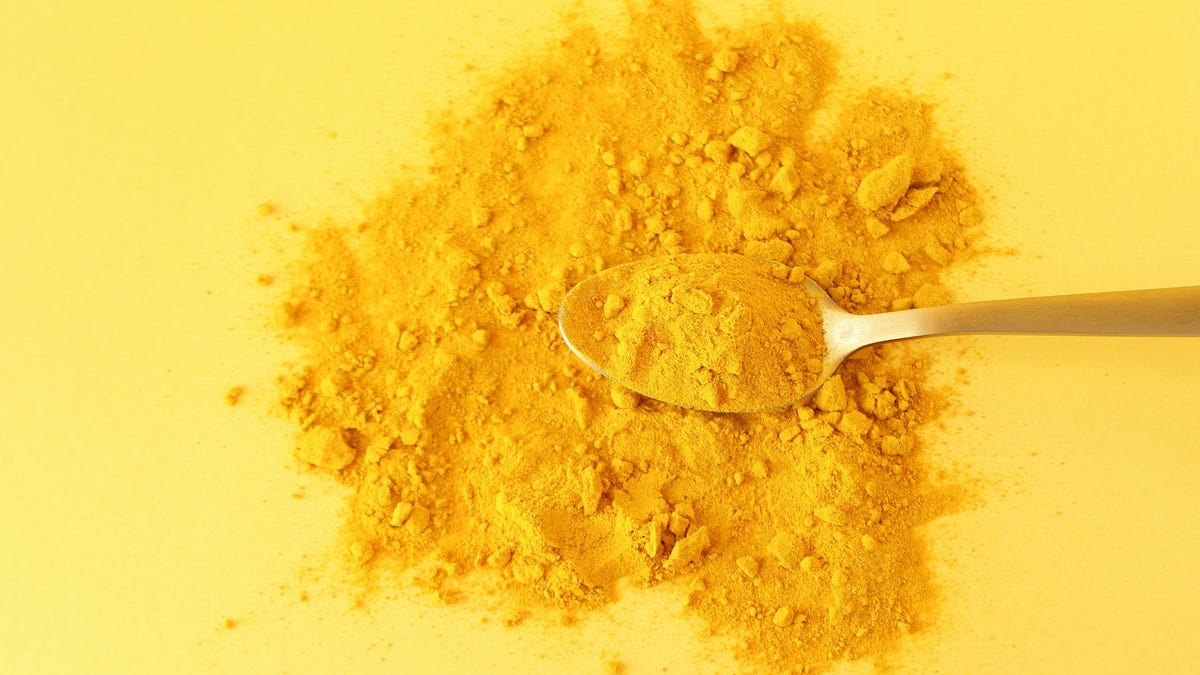
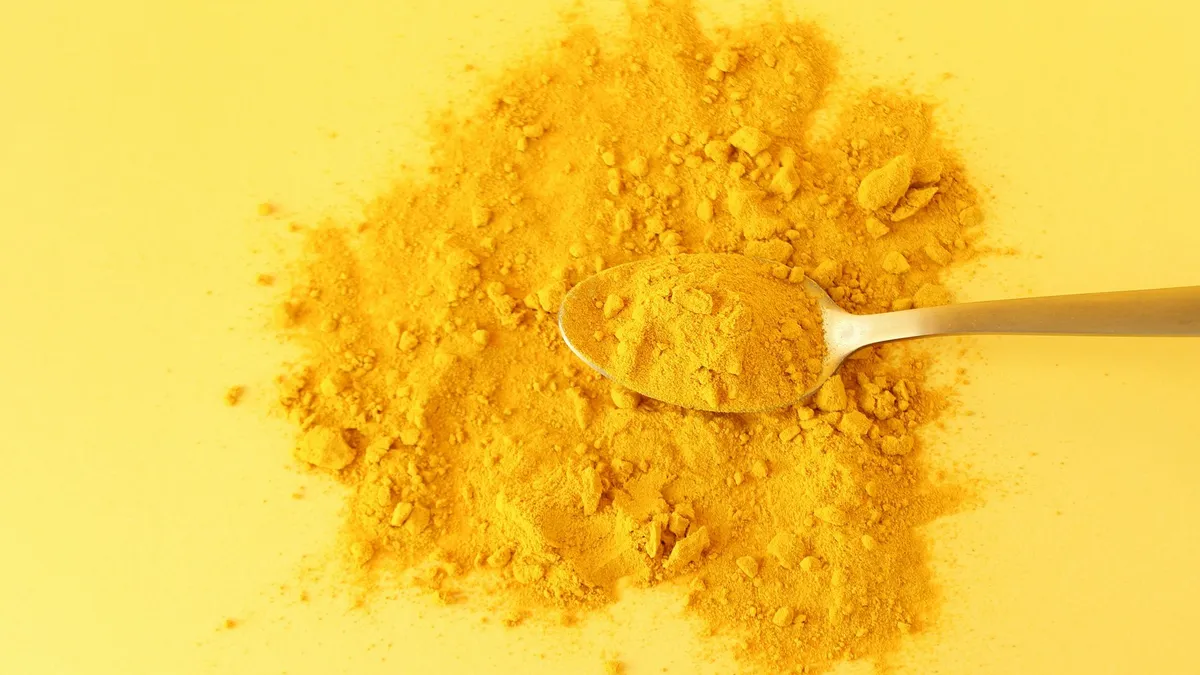
Turmeric, a spice known for its yellowish-orange color, has gained popularity as a dietary supplement due to its potential health benefits. Its active component, curcumin, has been studied for its potential to treat various health conditions. Turmeric is rich in antioxidants, aids digestion, improves brain function, supports healthy skin, and may relieve symptoms of mild arthritis and improve heart health. It may also have cancer-fighting properties. However, taking too much turmeric can cause side effects such as diarrhea, nausea, and headache. It may also slow down blood clotting and interact with certain medications. The recommended daily intake of turmeric varies depending on the form and condition being treated, and it is advisable to consult a healthcare professional before taking turmeric supplements.
Turmeric, a spice known for its yellowish-orange color, has gained popularity as a dietary supplement due to its potential health benefits. Its active component, curcumin, has been studied for its potential to treat various health conditions. Turmeric is rich in antioxidants, aids digestion, improves brain function, supports healthy skin, and may relieve symptoms of mild arthritis and improve heart health. It may also have cancer-fighting properties. However, taking too much turmeric can cause side effects such as diarrhea, nausea, and headache. It may also slow down blood clotting and interact with certain medications. The recommended daily intake of turmeric varies depending on the form and condition being treated, and it is advisable to consult a healthcare professional before taking turmeric supplements.