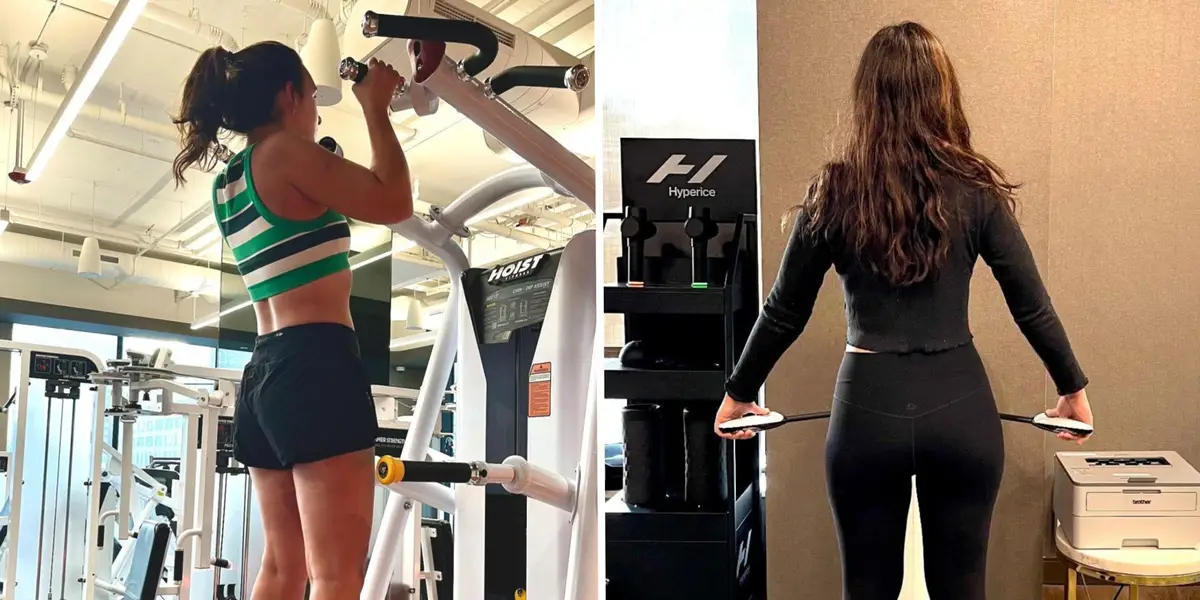
Julia Pugachevsky shares her year-long journey of losing 7% body fat through simple, sustainable changes like walking more, mindful eating, and tracking progress with body composition analyses, emphasizing that small habits can lead to meaningful and enjoyable health improvements.

Christopher Schwarzenegger, son of Arnold Schwarzenegger, showcased his muscular physique after losing 30 pounds through a dedicated fitness journey that began in 2019, emphasizing gradual change and self-discipline.
Protein water, marketed as a healthy, low-calorie supplement for weight loss and muscle building, is largely unnecessary for most Australians who already meet their protein needs through a balanced diet. Experts warn that these drinks are often overpriced, contain additives and artificial ingredients, and do not provide significant nutritional benefits over whole foods. Relying on protein water for health or weight management is neither sustainable nor effective, and a focus on whole foods and fiber is recommended instead.
An 8-minute morning workout routine designed for those over 50 that combines strength, mobility, and balance exercises to promote muscle gains, improve circulation, and reverse aging effects more effectively than longer workouts.
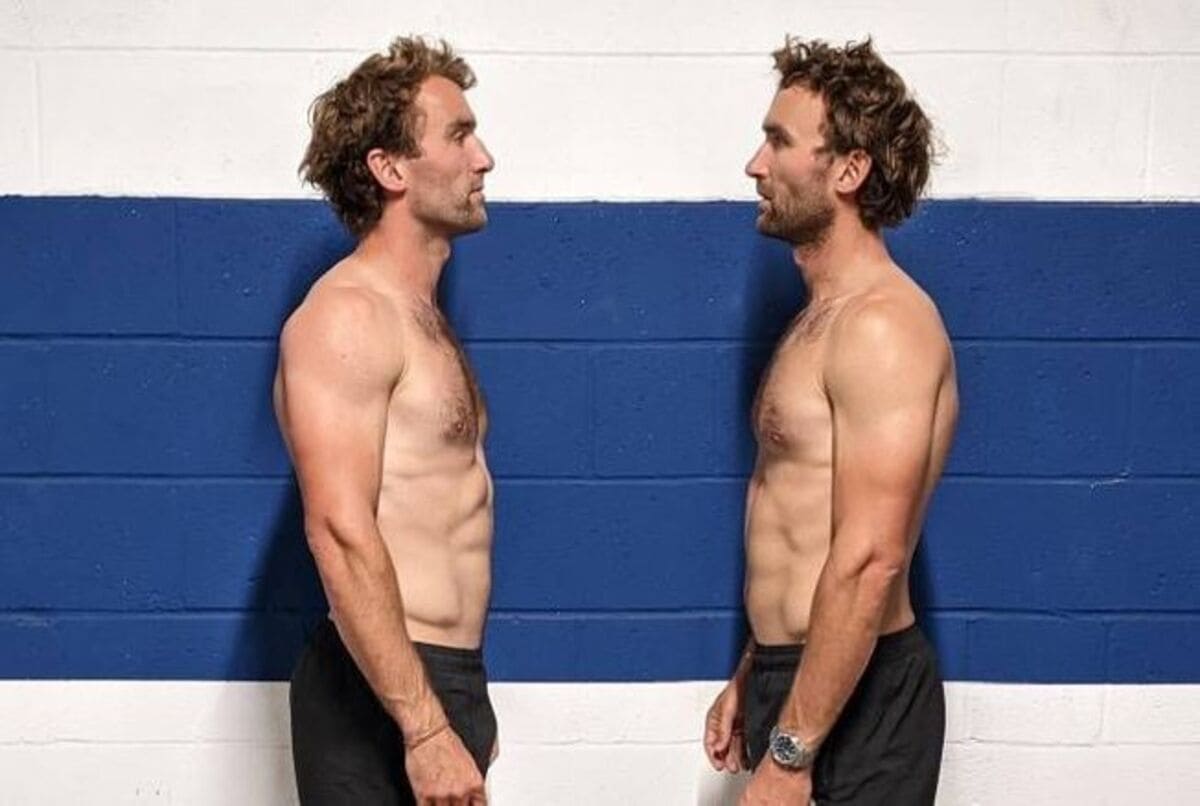
Two British twins conducted a three-month experiment comparing vegan and omnivorous diets, revealing that the vegan diet increased energy and improved gut health, while the omnivorous diet supported muscle growth, highlighting the different impacts of each diet on the body.
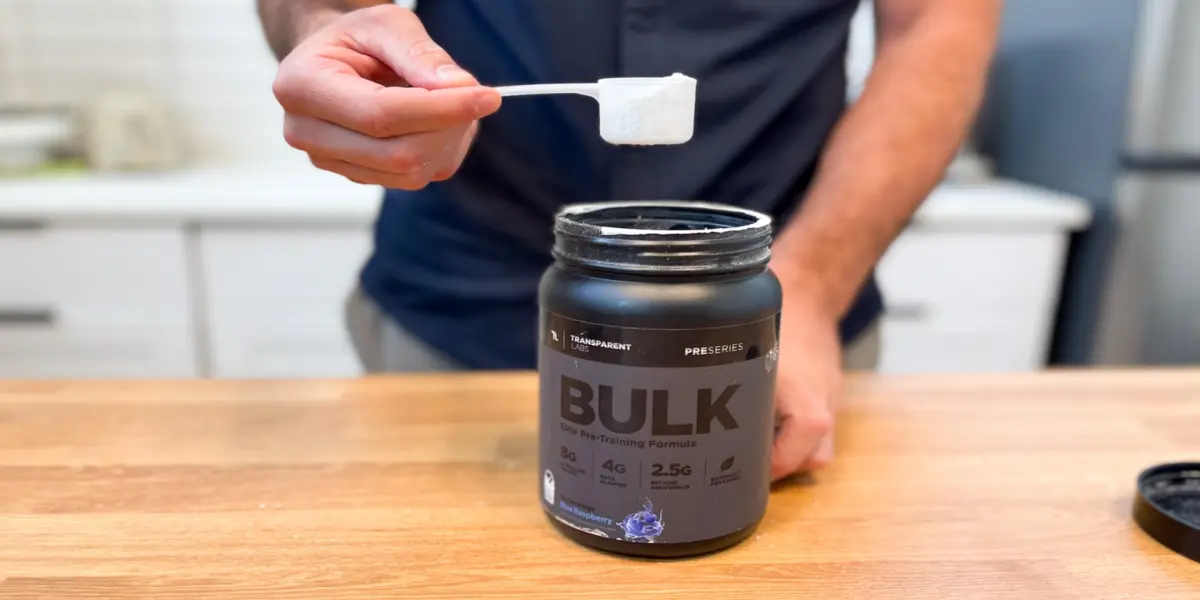
The article reviews the top pre-workout supplements of 2025, highlighting their ingredients, benefits, and suitability for different fitness goals, with Transparent Labs Bulk rated as the overall best for its transparent, clinically dosed formula, and other options tailored for specific needs like stim-free, budget-friendly, or flavor preferences.
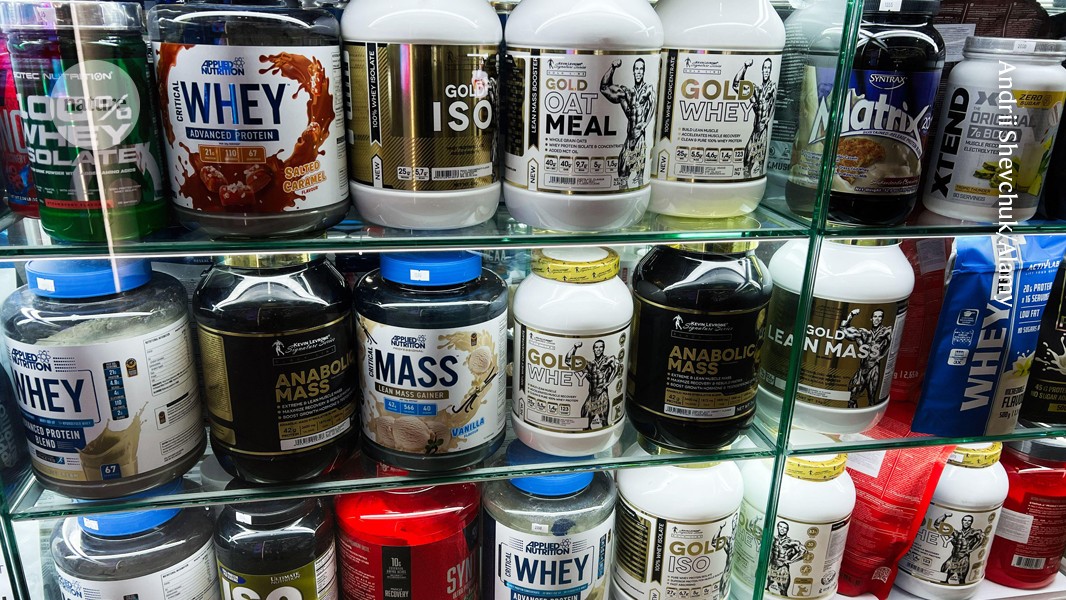
The article discusses the rise of protein supplements driven by social media influencers and the scientific evidence behind the trend, highlighting that while protein is essential, excessive intake offers no additional benefits for muscle gain and that most people can meet their needs through a balanced diet.
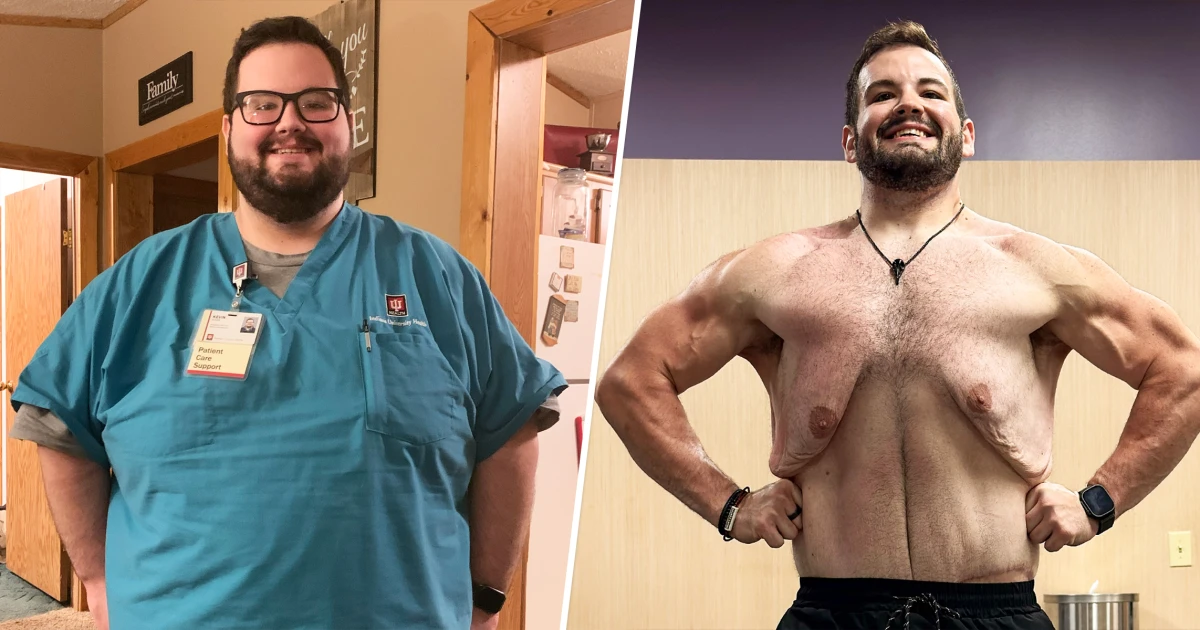
Kevin Goode, a nurse from Indianapolis, lost 270 pounds through a combination of bariatric surgery, diet, and weightlifting, which transformed his health and confidence. His journey was motivated by a warning from his doctor about his life expectancy, leading him to focus on nutrition, exercise, and mental well-being, ultimately eliminating prescriptions and sleep apnea, and inspiring him to compete in a bodybuilding transformation contest.
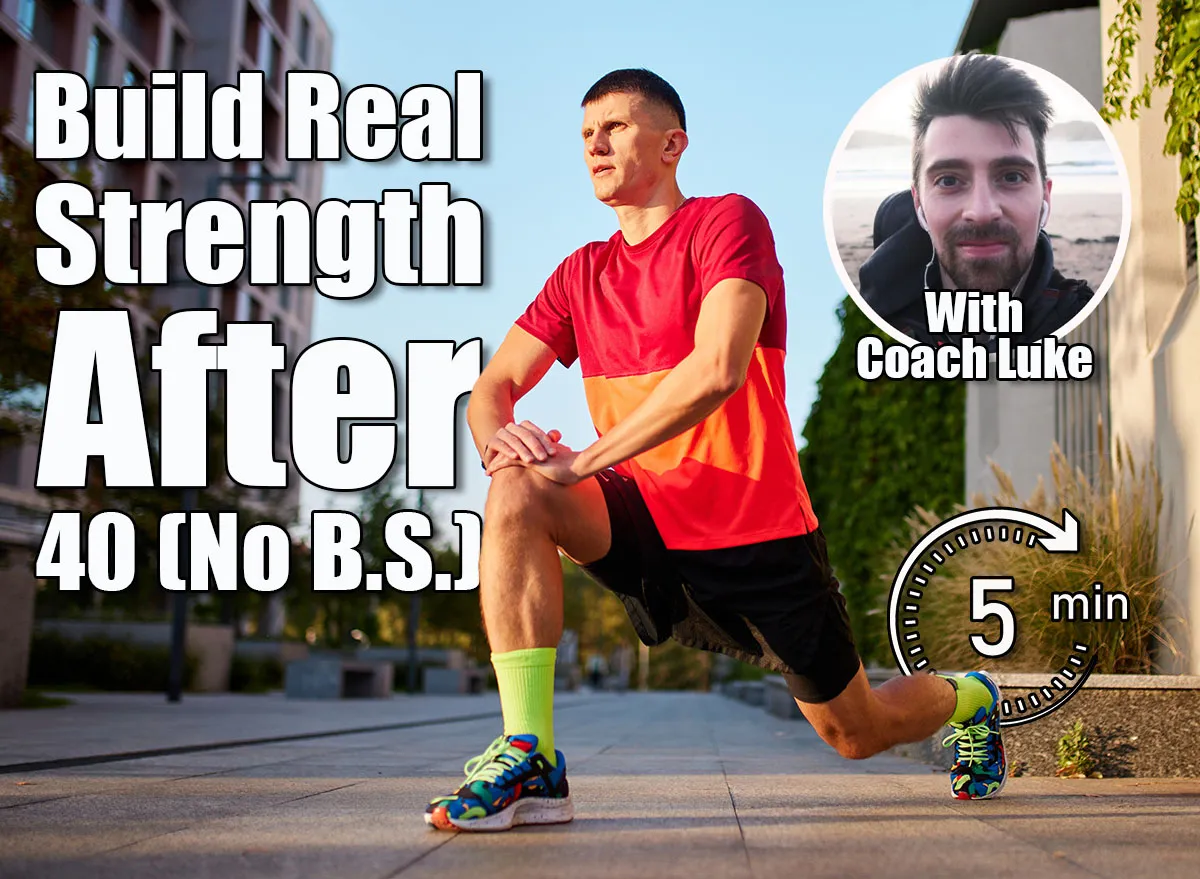
The article highlights five common strength training mistakes made after 40, such as sticking to the same routines, prioritizing quantity over quality, neglecting small but important exercises, lacking a structured plan, and ignoring recovery, all of which can hinder progress and muscle growth. It emphasizes the importance of variety, proper technique, planning, and recovery for effective strength building as you age.
Certain supplements like appetite suppressants, weight gainers, high-dose antioxidants, hormones, and pre-workouts can be ineffective or harmful for muscle building. Experts recommend focusing on a balanced diet and consulting a sports dietitian for safe, effective strategies to support muscle growth.
Bodybuilding champion Mark Taylor's success challenges the traditional high-protein, low-carb diet approach, emphasizing the importance of embracing carbohydrates for muscle building. While protein is crucial for muscle protein synthesis, evidence suggests that combining carbs and protein after exercise may not significantly impact muscle protein synthesis. However, carbs can influence muscle protein breakdown and energy levels, affecting overall training results. Choosing the right types of carbs, such as low glycemic index foods for sustained energy and high glycemic index foods for rapid glycogen recovery, can be a useful strategy for training and recovery. Balancing protein intake with carb fueling may offer a more effective approach to achieving muscle gain.
Zac Efron reveals that his intense exercise regime to transform into a pro-wrestler for the film Iron Claw left him feeling withdrawn and lonely. The actor gained 15lbs of muscle for the role, incorporating old-school bodybuilding and Olympic lifting. He would wrestle multiple times a day and found himself withdrawing from social interactions. Efron discusses the challenges of perfectionism and the importance of fostering relationships, reflecting on his experience in the entertainment industry and the recent death of his co-star Matthew Perry.
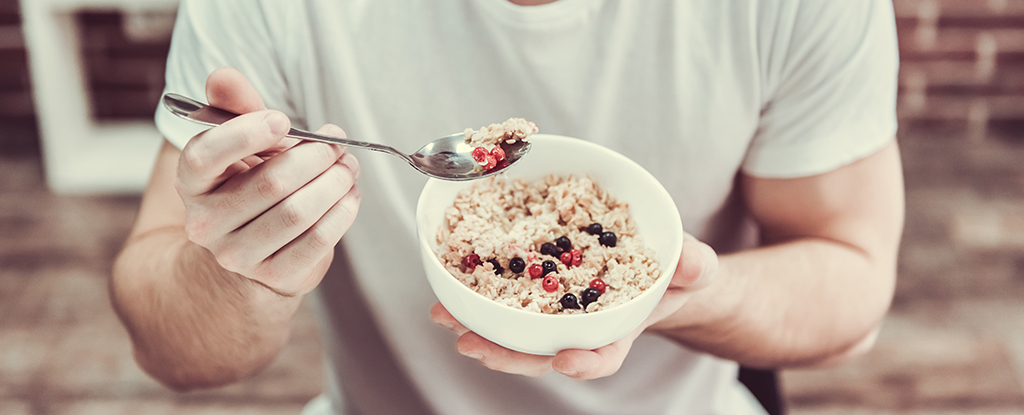
Breakfast is crucial for weight loss and muscle gain. Here are the top 10 breakfast foods recommended by a registered dietitian: eggs for high-quality protein and low calories, Canadian bacon for protein without sabotaging weight loss, chicken sausage as a low-fat alternative to pork sausage, oats for sustained energy and fiber, cottage cheese for slow-release protein, Greek yogurt for probiotics and muscle growth, high-fiber cereal to keep you full, protein shakes for convenience and muscle support, smoothies with balanced ingredients, and English muffins for sustainable energy and fiber.
Body recomposition, the process of simultaneously gaining muscle and losing fat, can be achieved through strategic meal planning. Bodybuilder and coach Cliff Wilson suggests making simple tweaks to meals based on whether you're in a bulking or cutting phase. For bulking, include high-calorie condiments, generous portions of protein, and healthy fats. For cutting, opt for lower-calorie options, leaner meats, and lighter condiments. Wilson emphasizes the importance of individual preferences and finding an eating pattern that works for you. Examples of breakfast, lunch, dinner, and pre-bed snacks are provided for both bulking and cutting phases.
Scientists from the University of Florida have tested a new drug, SLU-PP-332, on obese mice and found that it mimics the benefits of exercise by boosting metabolism, increasing muscle gain, and promoting weight loss. The drug activates estrogen-related receptors (ERRs) found in energy-demanding parts of the body, such as muscles, the heart, and the liver. Mice treated with the drug burned more calories, accumulated less fat, and improved their metabolic system. While the findings are promising, further research is needed before human trials can begin. If successful, this drug could be a game-changer for obesity, diabetes, and age-related muscle loss.