Ozzy Osbourne's upcoming book reveals that the best 'drug' he ever experienced was performing on stage, especially during his farewell show, which brought him immense emotional relief after years of health struggles and addiction.
Overdose incidents in West Baltimore's Penn North neighborhood may be linked to a new drug, N-methylclonazepam, found mixed with fentanyl in samples collected after dozens overdosed in a few hours.
Scientists developed a small-molecule drug called CPACC that prevents weight gain and fatty liver in mice on unhealthy diets by limiting magnesium in mitochondria, which boosts energy production and could lead to new treatments for obesity and related diseases.
Rapamycin, a generic drug approved for transplant patients, has gained popularity as an anti-aging treatment despite lacking evidence of extending human life. The drug's potential to promote longevity is based on animal studies, but its off-label use for aging-related afflictions remains divisive among scientists and longevity influencers. While some believe in its potential, others caution about its side effects and the lack of conclusive evidence for human use. Despite regulatory limitations, more medical practices are prescribing rapamycin for anti-aging purposes, and telehealth companies are making it available to thousands of patients.
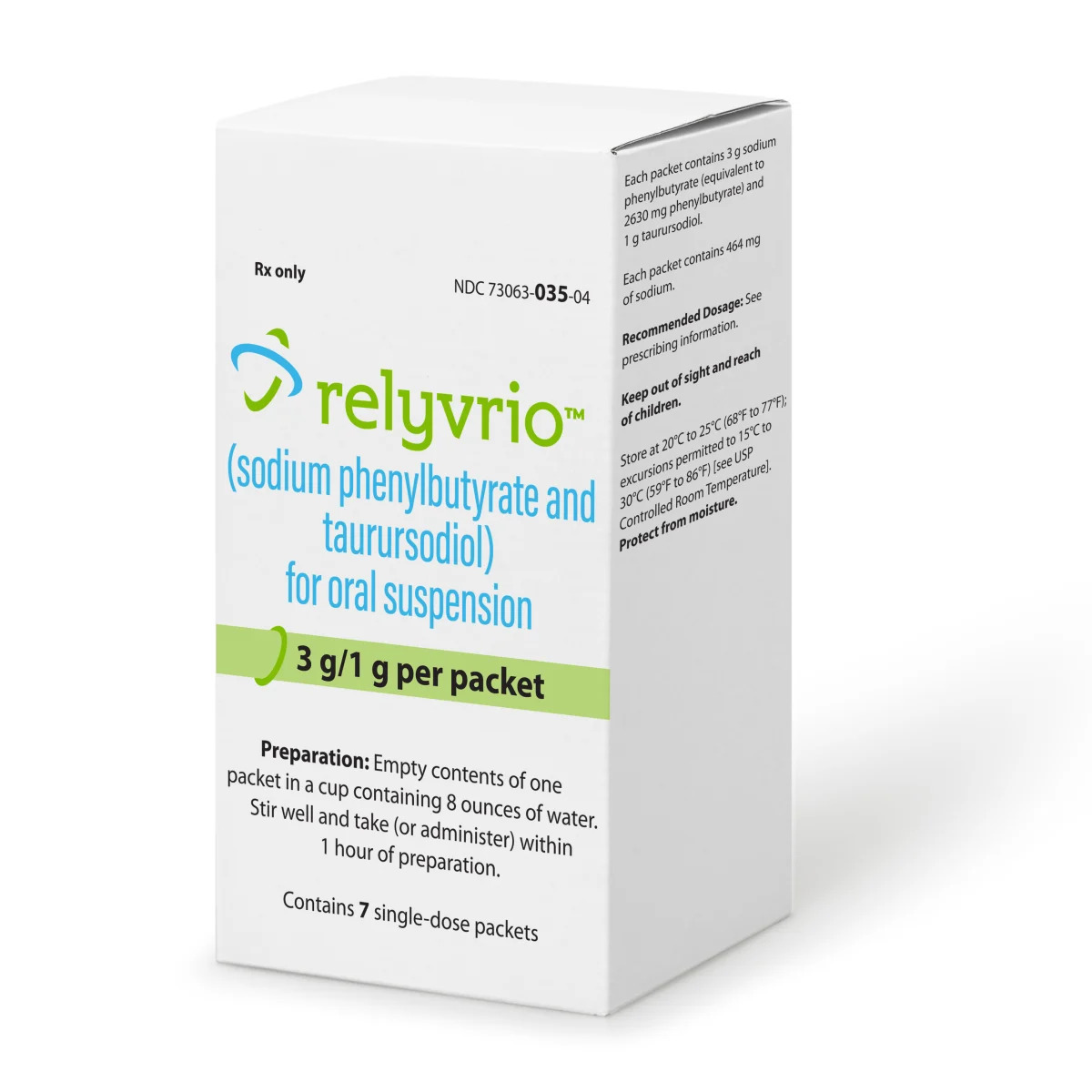
Amylyx Pharmaceuticals, the maker of the ALS drug Relyvrio, announced that the drug failed to show effectiveness in a large follow-up study and may consider voluntarily withdrawing it from the market. The FDA approved Relyvrio in 2022 despite questionable evidence of its efficacy, and the drug's high price of $158,000 for a year's supply has led to lackluster sales. The company's stock plummeted more than 83% following the announcement.
A new drug has the potential to revolutionize healthcare and improve the lives of people worldwide, marking a significant advancement in medical science.
A new drug called pegargiminase has shown promise in a phase 3 clinical trial for treating pleural mesothelioma, a deadly cancer caused by exposure to asbestos. Patients who received the drug alongside conventional chemotherapy were four times as likely to be alive after three years compared to those who received a placebo. The drug works by degrading an amino acid called arginine, which many mesothelioma cells lack the ability to produce, leading to their struggle to function. The drug is also being assessed in clinical trials for other types of cancer.
A retired physics professor in Canada's Yukon territory faced the possibility of losing his hand to frostbite, prompting doctors to take an unusual interest in his condition. A new drug shows promise in averting the ravages of frostbite, offering hope to mountaineers, tundra explorers, and the unhoused who are at risk of extreme cold exposure.
A popular weight loss drug has been effective for some individuals but has caused serious side effects for others. The drug has shown promise in aiding weight loss, but it is important for individuals to be aware of potential side effects and consult with a healthcare professional before starting any new medication.
Researchers at The University of Texas at Austin have developed a bio-inspired drug that restores the effectiveness of immune cells in fighting cancer. The drug slows tumor growth, extends lifespan, and enhances the efficacy of immunotherapy in mouse models of melanoma, bladder cancer, leukemia, and colon cancer. The drug targets a common DNA deletion found in many cancers, which impairs the immune system's ability to detect and eliminate cancer cells. The drug, called PEG-MTAP, shows promise in combination with immunotherapies and may be a game changer for cancer patients. Further safety tests and funding are needed for human clinical trials.
Scientists from the University of Florida have tested a new drug, SLU-PP-332, on obese mice and found that it mimics the benefits of exercise by boosting metabolism, increasing muscle gain, and promoting weight loss. The drug activates estrogen-related receptors (ERRs) found in energy-demanding parts of the body, such as muscles, the heart, and the liver. Mice treated with the drug burned more calories, accumulated less fat, and improved their metabolic system. While the findings are promising, further research is needed before human trials can begin. If successful, this drug could be a game-changer for obesity, diabetes, and age-related muscle loss.
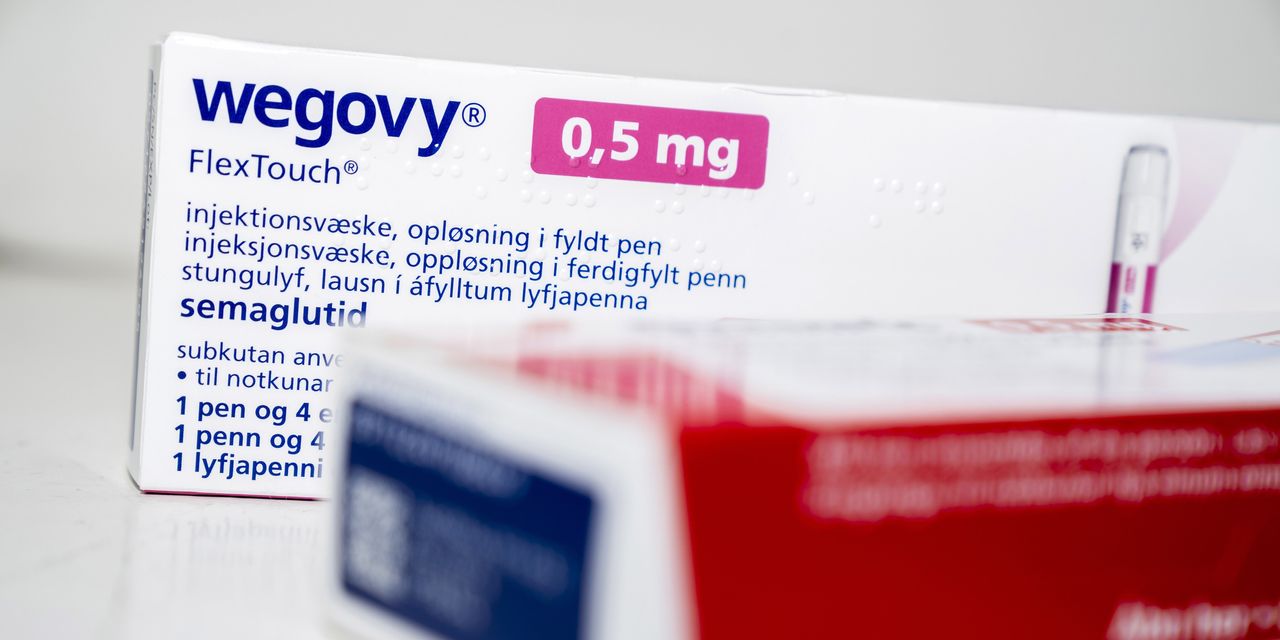
A new study has found that the weight-loss drug Wegovy can reduce the risk of stroke and heart attack by 20%. The drug, which is a higher-dose version of the diabetes medication semaglutide, has shown promising results in helping individuals lose weight and improve their overall health. This study provides further evidence of the drug's effectiveness in reducing cardiovascular risks, offering potential benefits for those struggling with obesity and related health conditions.
A study conducted by the University of Minnesota has found that a common drug used to treat high blood pressure, losartan, can reduce the severity and duration of long COVID symptoms. The study involved 152 participants who had been experiencing long COVID symptoms for an average of 3.7 months. Those who took losartan for eight weeks reported a significant improvement in their symptoms compared to those who took a placebo. The researchers believe that losartan's ability to reduce inflammation in the body may be the reason for its effectiveness in treating long COVID.
An experimental drug, AEF-0117, has shown promise in treating cannabis use disorder, according to a small trial led by researchers at Columbia University. The drug was found to reduce the perceived "good effects" of cannabis by up to 38 percent in a double-blind randomized controlled phase 2a trial. No drugs have yet been approved by the FDA to treat cannabis use disorder, which is estimated to affect up to 30 percent of marijuana users. The findings of the small trial will need to be confirmed in larger trials that are well underway, said Haney, as roughly 300 patients are being enrolled in a phase 2b trial across the country.
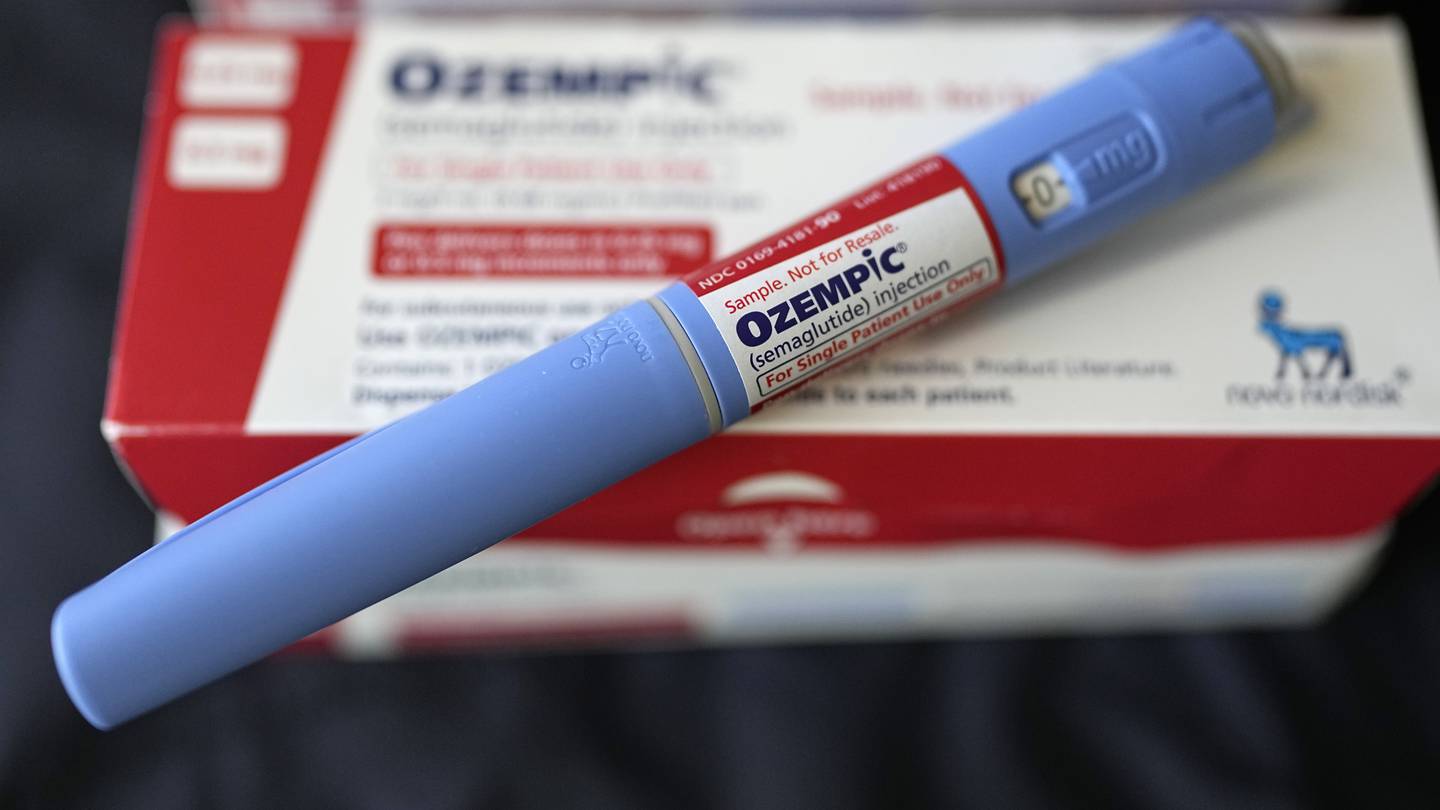
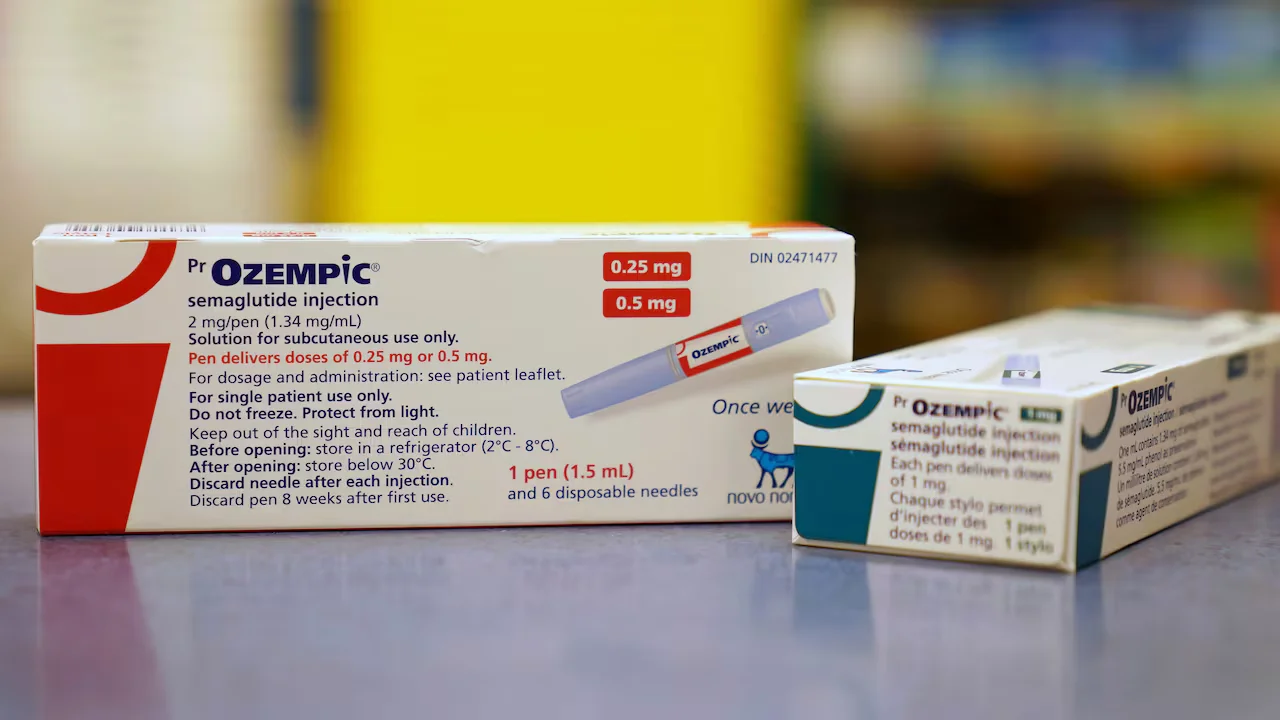
Pfizer's oral weight-loss drug, danuglipron, causes the same amount of weight loss as Novo Nordisk's injection Ozempic, according to a peer-reviewed study. The results were from a phase-two clinical trial, but the drugs were not directly compared.