After menopause, women can benefit greatly from strength training and balance exercises to maintain bone density, muscle mass, and prevent falls. The article emphasizes resistance exercises like weightlifting, bodyweight movements, and impact training, along with balance activities such as yoga or tai chi, as effective ways to stay healthy and strong post-menopause.
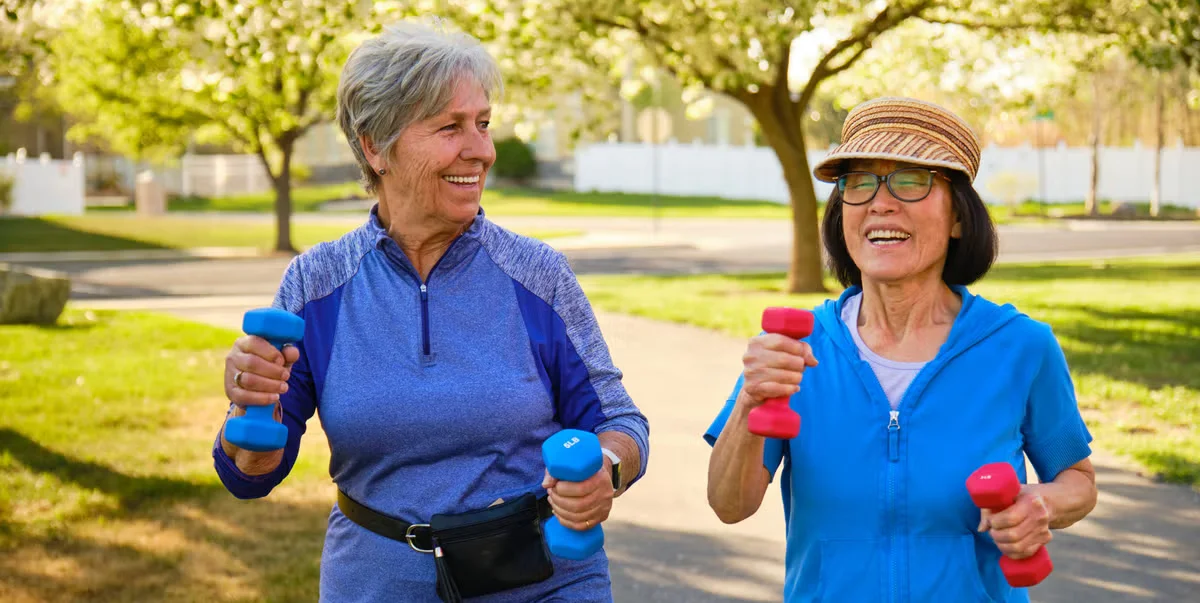
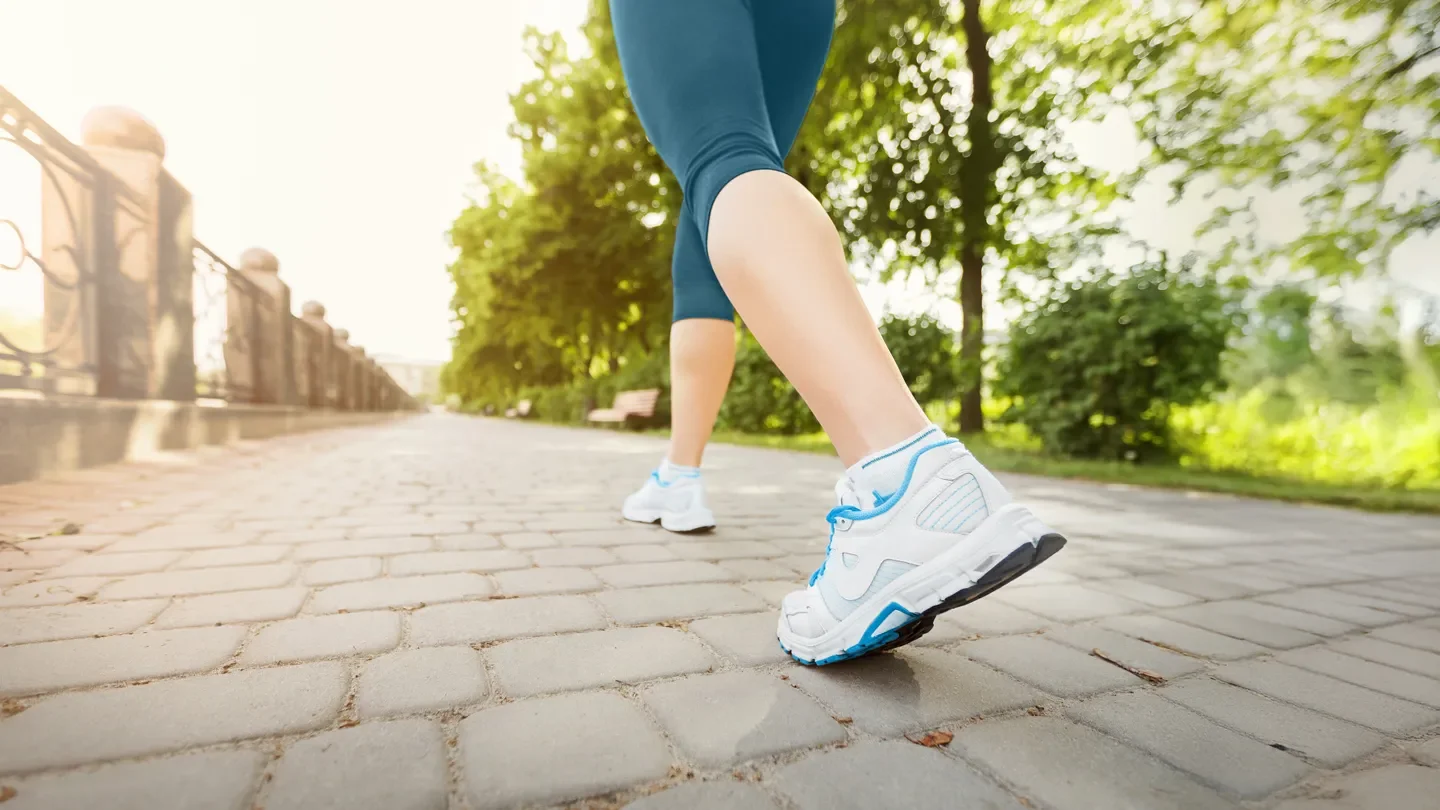
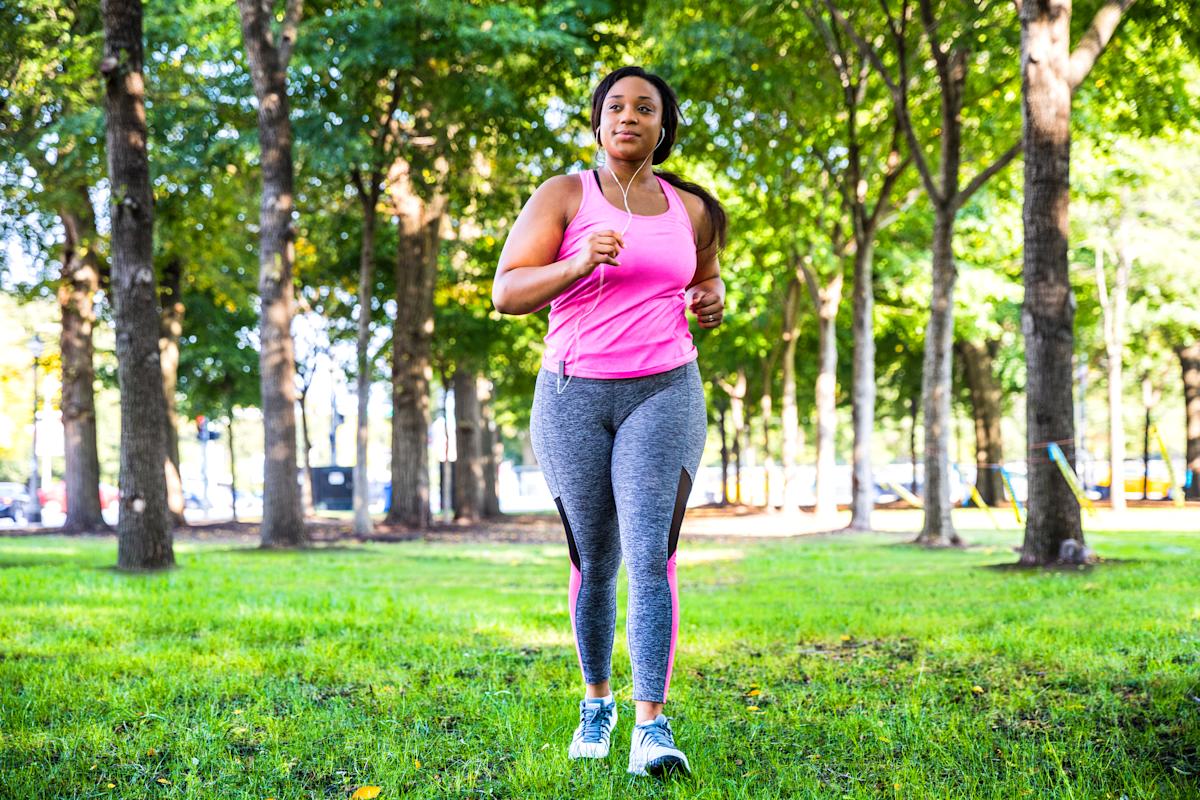
Walking can support muscle development by engaging multiple muscle groups, especially when combined with resistance, intervals, incline walking, and strength exercises like squats and lunges. To maximize muscle growth, incorporate variations such as intervals, inclines, resistance bands, and strength moments into your routine, along with proper form and nutrition. Walking also offers numerous health benefits beyond muscle building, including improved bone density, mental health, and chronic disease prevention.
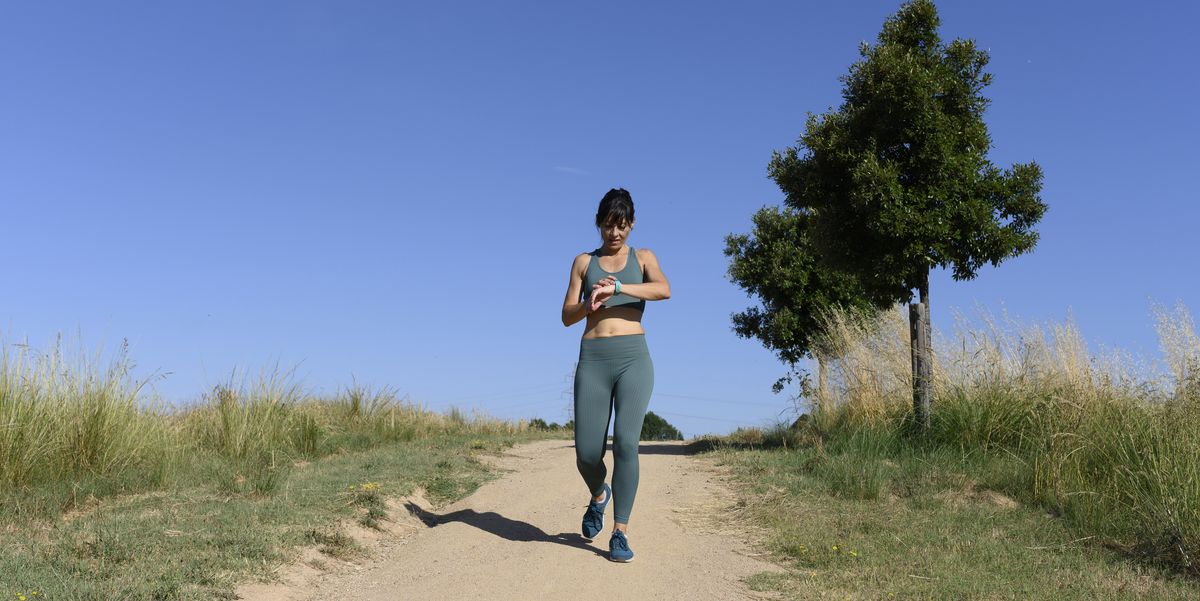
After 50, walking can be an effective way to rebuild and maintain muscle, especially when done with intention and variation. Four practices—intentional interval walking, hill/incline walking, terrain walking, and loaded purposeful walking—offer low-impact, joint-friendly options that target key muscle groups and improve strength, often surpassing traditional weight training for older adults.
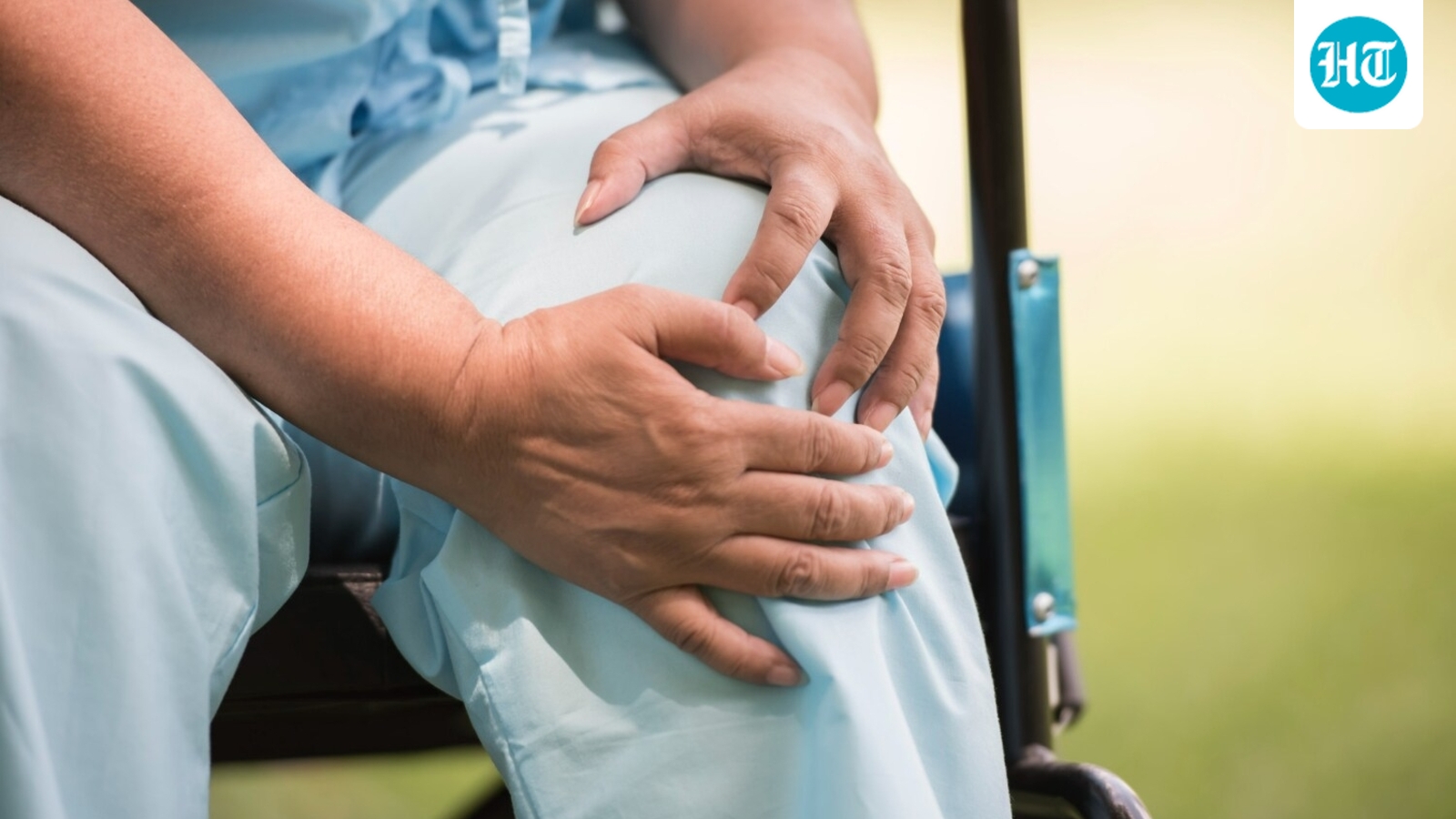
Winter can worsen knee pain due to reduced blood flow, muscle tightness, and decreased activity; maintaining warmth, exercising gently, strengthening muscles, and proper nutrition can help manage symptoms and keep knees healthy during colder months.
Walking after meals, especially 10-15 minutes post-eating, can help lower blood sugar levels and improve diabetes management. It's recommended to walk at a moderate pace for 10-20 minutes, avoiding immediate post-meal walking to prevent discomfort. Proper footwear, posture, consistency, and variation in routes enhance the benefits of walking as a simple yet effective health habit.
A fitness coach highlights walking as an underrated fat loss tool and shares seven effective strategies, including interval walking, incline walking, post-meal walks, fasted walks, using under-desk treadmills, pyramid intervals, and rucking, to enhance calorie burn and overall health.
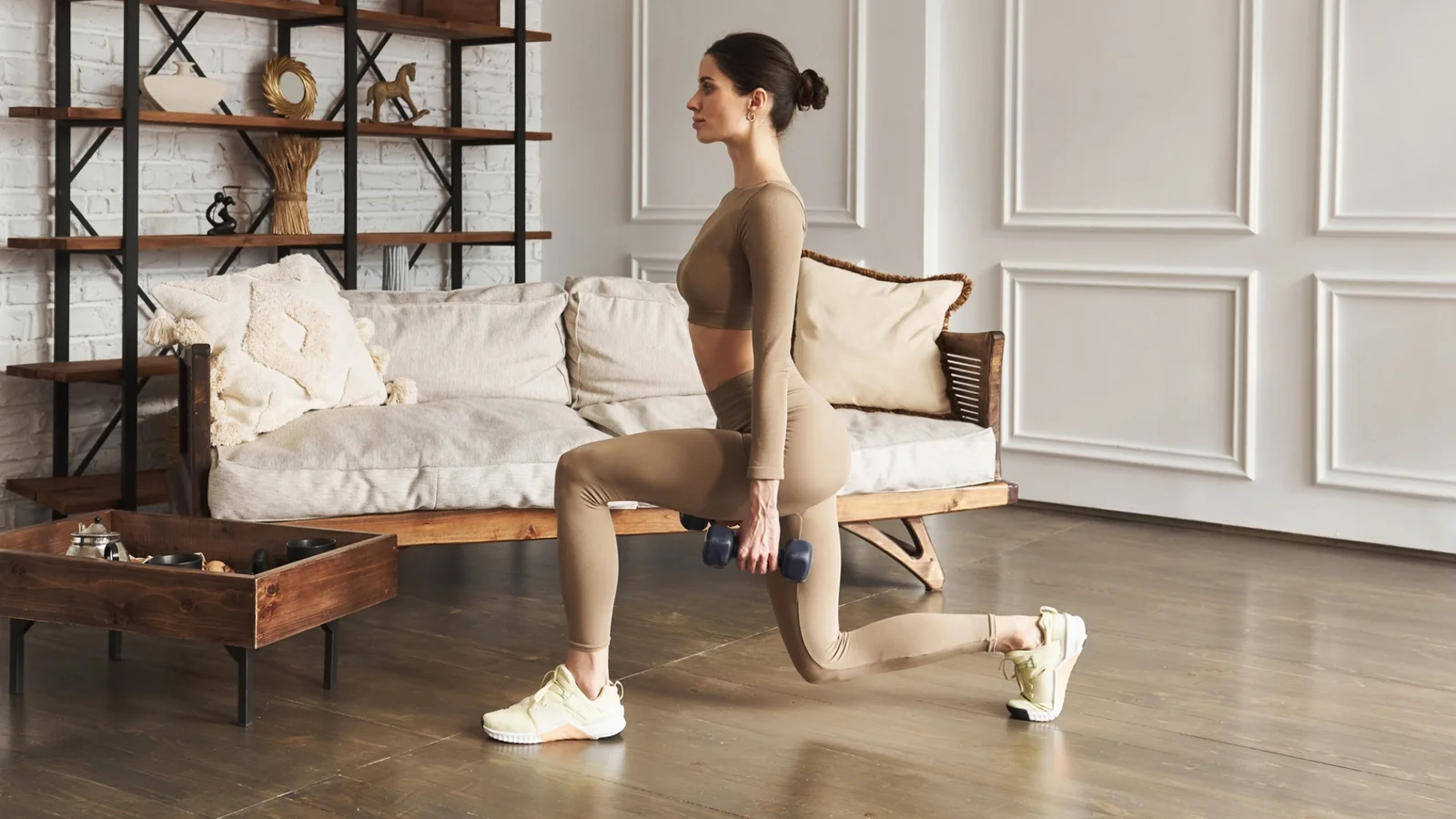
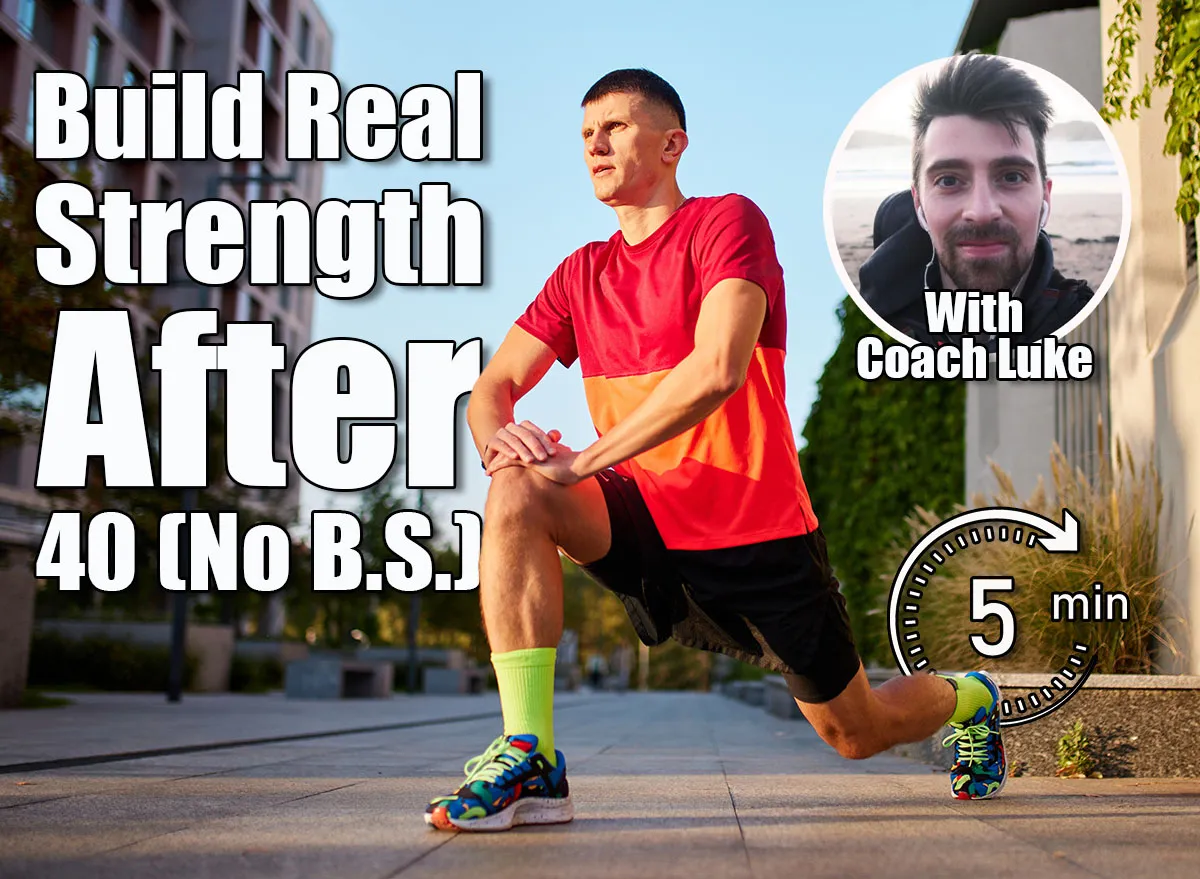
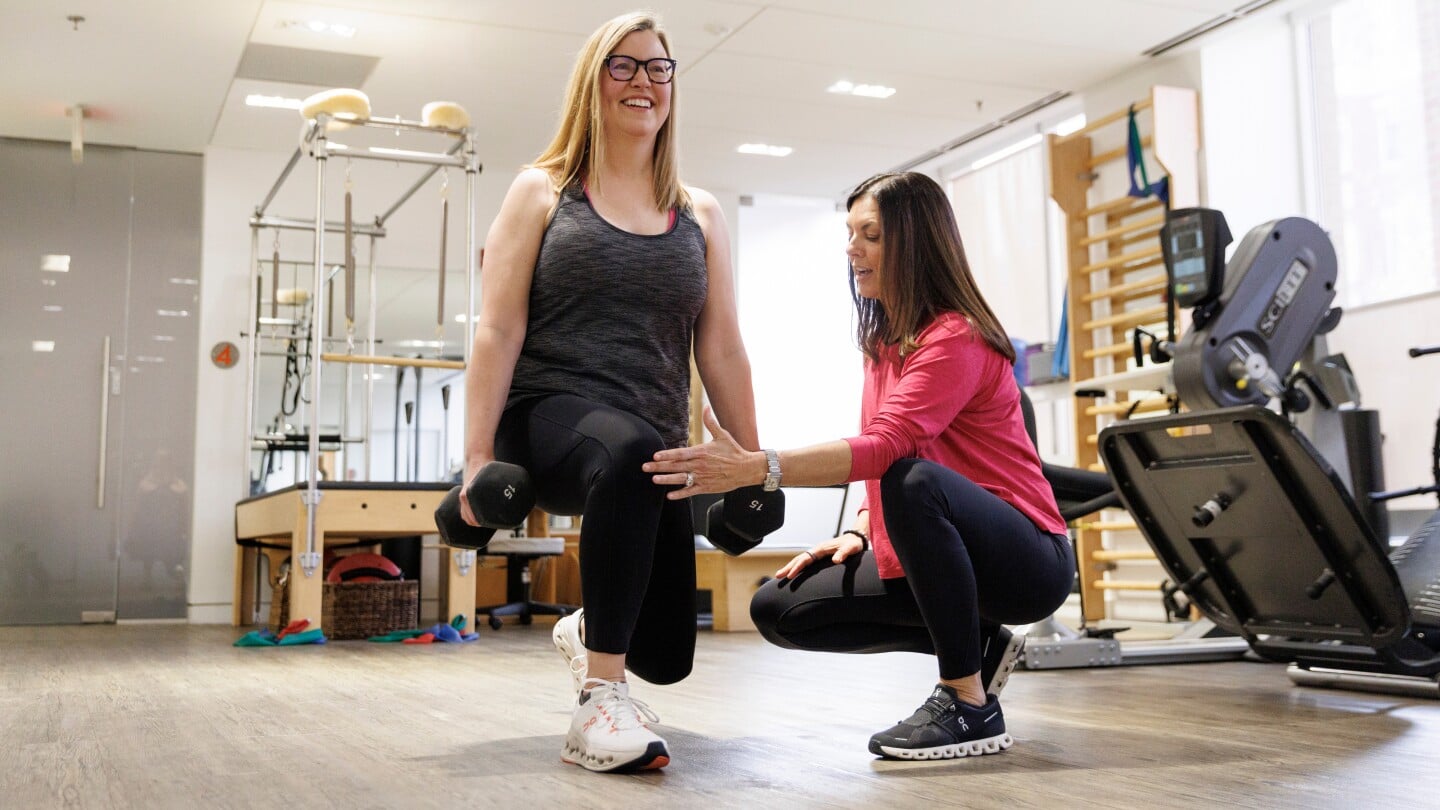
A personal trainer recommends incorporating lunges into your fitness routine as a simple, versatile move to boost muscle strength, balance, and mobility, which are essential for long-term health and aging well. Starting with bodyweight lunges and progressing with weights can enhance longevity and overall quality of life.
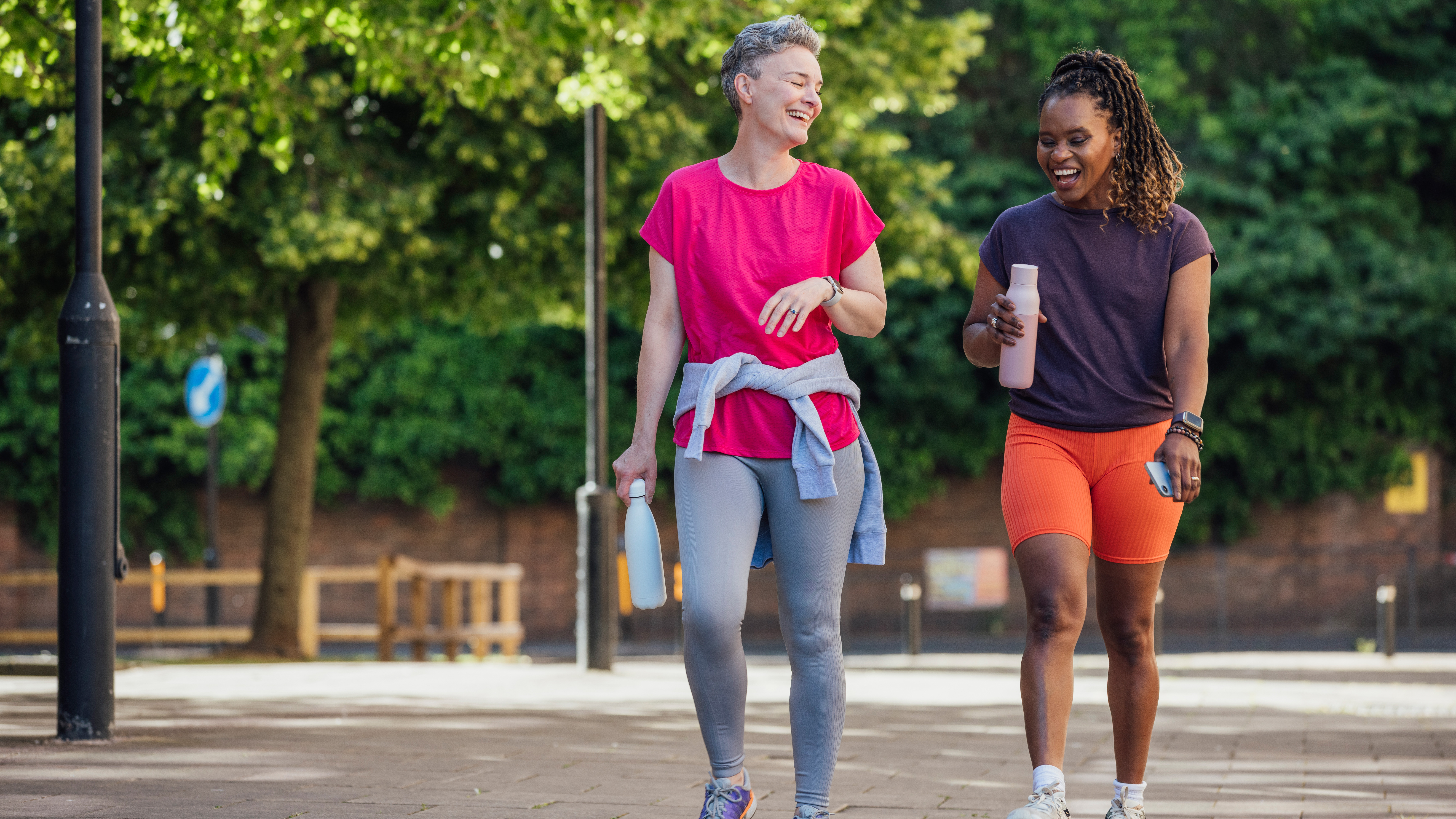
The traditional goal of 10,000 steps a day is a marketing myth; research shows health benefits start at around 3,000 to 5,000 steps, with increased benefits at higher counts. Walking 5,000 to 8,000 steps can improve mood, reduce stress, and enhance sleep, and achievable strategies include partnering up, taking on challenges, and breaking walks into shorter sessions.
Japanese walking, a high-intensity interval walking technique involving alternating fast and slow walking, offers significant health benefits such as improved cardiovascular fitness, blood pressure, and muscle strength, and is accessible, time-efficient, and suitable for various fitness levels. It has gained popularity on TikTok and is supported by research showing its effectiveness for different age groups and health conditions.
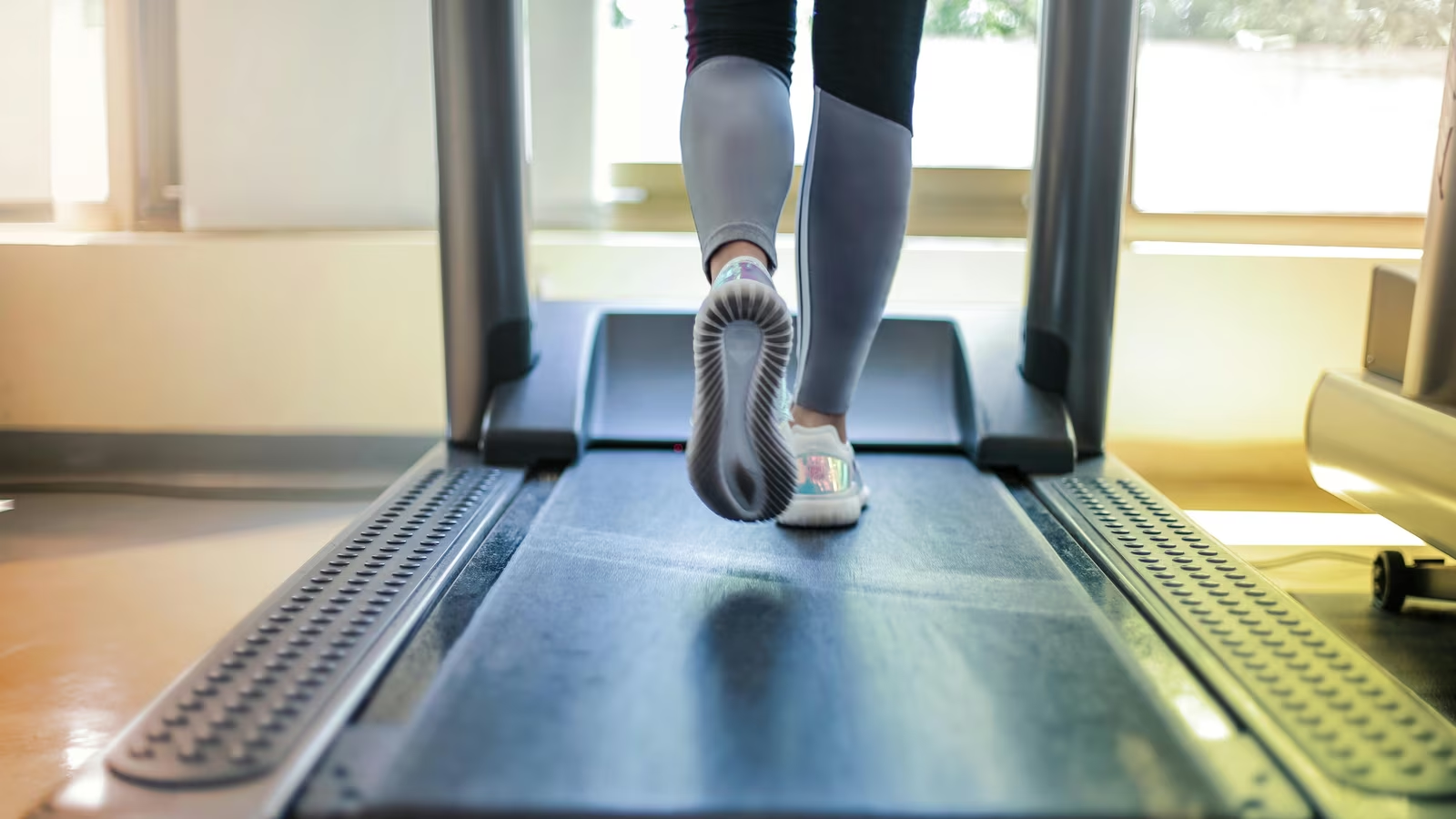
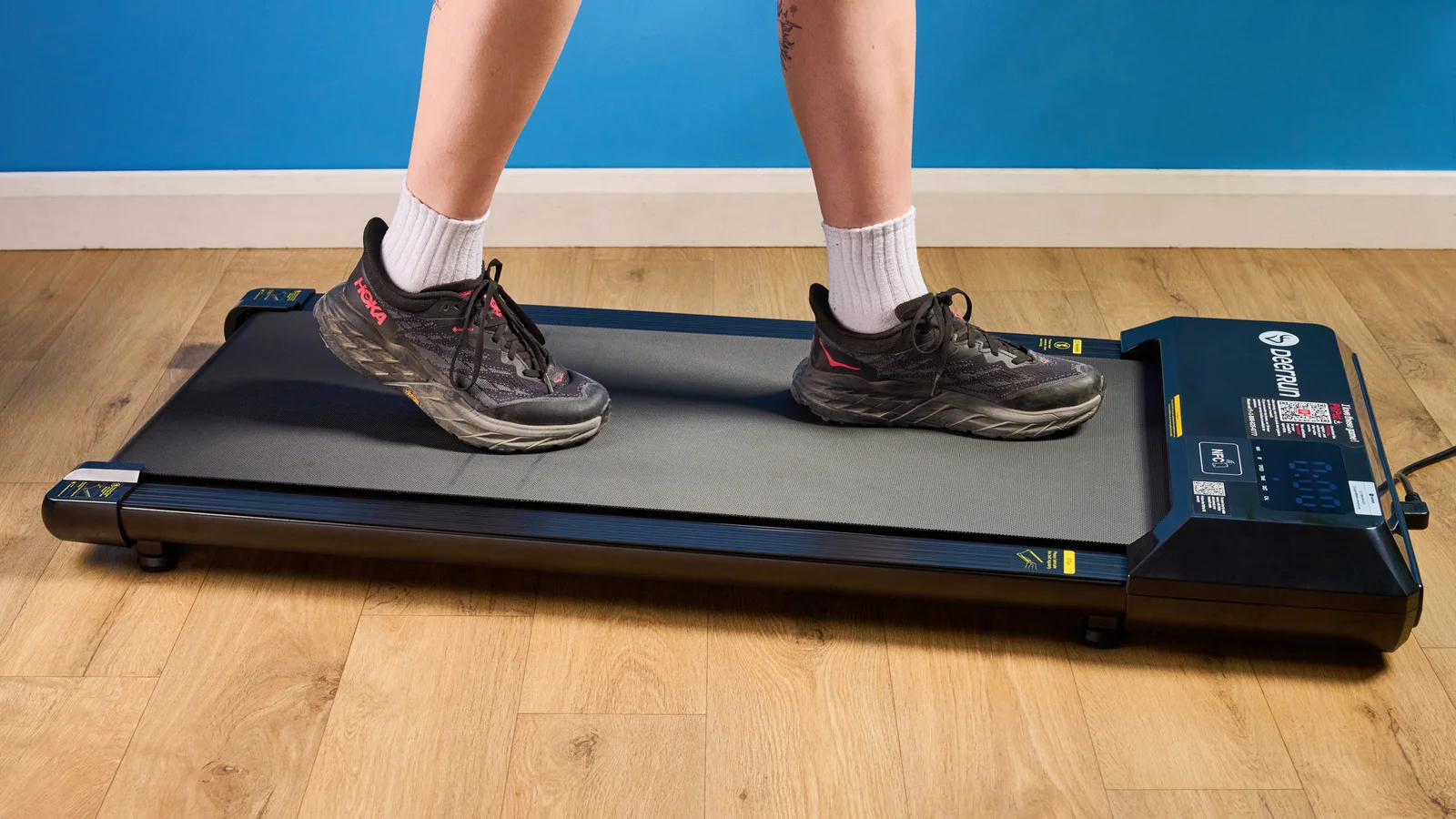
The author shares her experience with the DeerRun Q1 Mini under-desk treadmill, emphasizing the importance of keeping it slow for stability, wearing ankle fitness trackers to accurately count steps, storing it conveniently next to the desk, wearing supportive shoes, and taking time to balance after workouts. She highlights how this device has improved her activity levels and overall well-being while working remotely.
The article highlights five common strength training mistakes made after 40, such as sticking to the same routines, prioritizing quantity over quality, neglecting small but important exercises, lacking a structured plan, and ignoring recovery, all of which can hinder progress and muscle growth. It emphasizes the importance of variety, proper technique, planning, and recovery for effective strength building as you age.
Trainers suggest that walking can be an effective way to lose weight, especially when combined with specific tricks and techniques to maximize results.
To make walking workouts more effective, increase pace, incorporate interval training, add distance gradually, use weighted vests instead of hand weights, and walk on inclines or hills to boost intensity and health benefits.
A British study shows that walking at a brisk pace can reduce biological age by up to 16 years, emphasizing that increasing walking speed, even slightly, offers significant health benefits and can be easily incorporated into busy schedules to improve longevity and mental well-being.