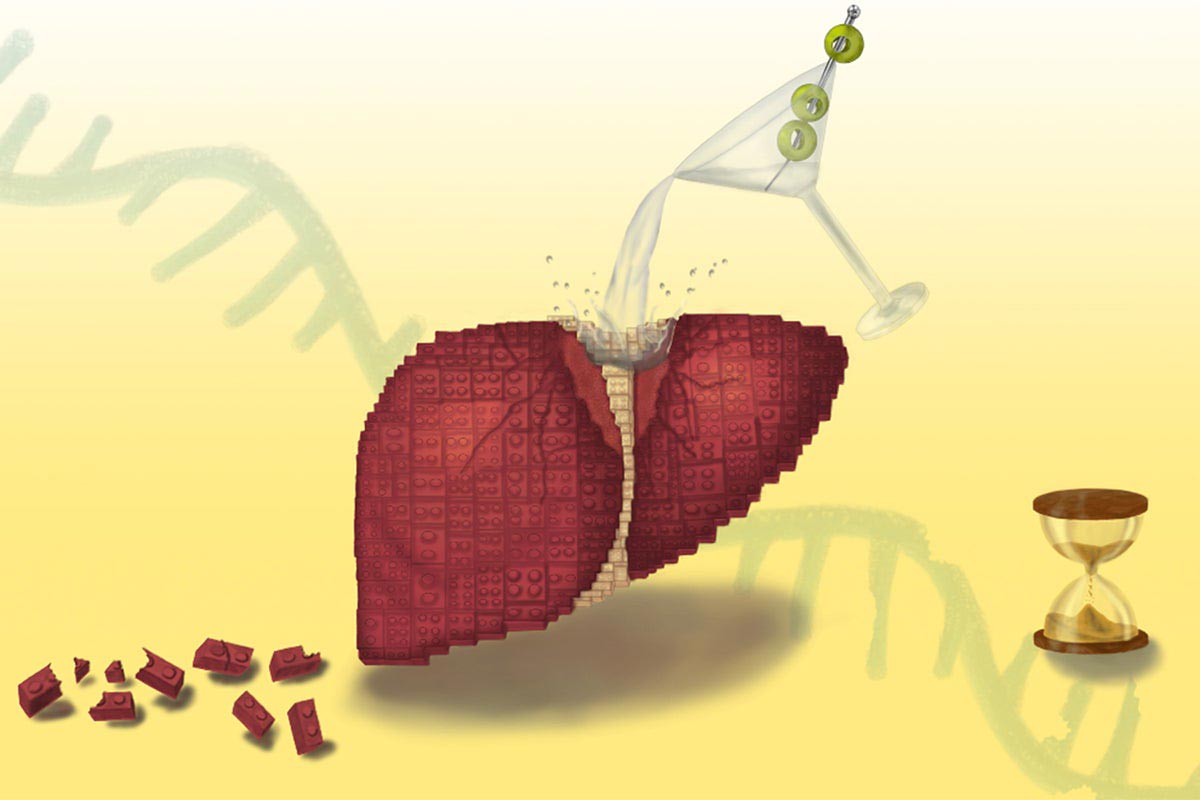
Excessive alcohol use impairs liver regeneration by causing splicing errors in key proteins, trapping damaged cells in a non-functional state even after sobriety, but understanding this mechanism opens avenues for new treatments.
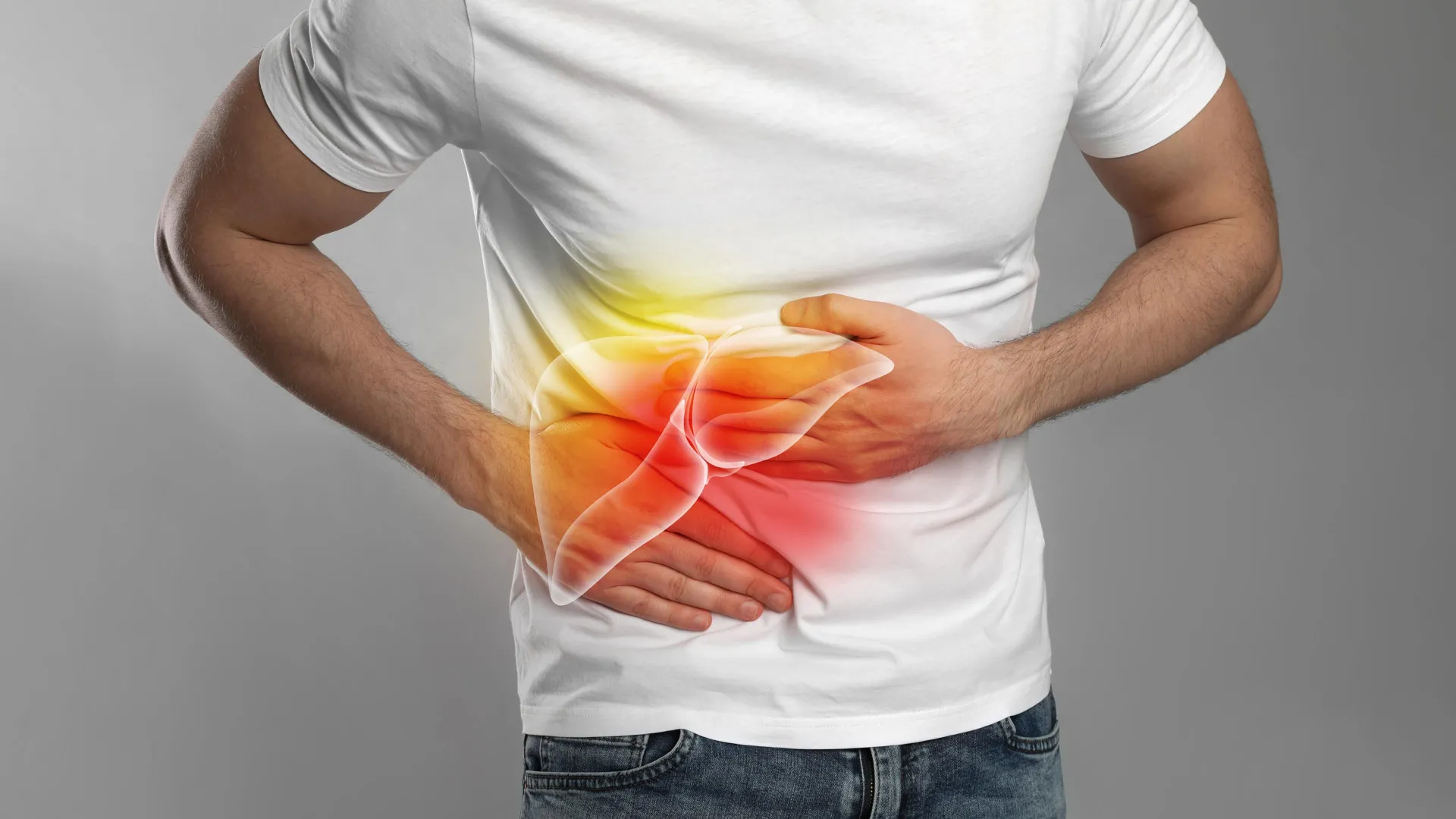
Excessive alcohol impairs liver healing by causing RNA missplicing and reducing ESRP2 protein, trapping liver cells in a non-functional state even after quitting alcohol, which contributes to liver failure. The study suggests potential treatment targets to improve liver recovery.
Long-term alcohol consumption impairs liver regeneration by causing inflammation-induced RNA splicing errors, leading to cells being stuck in an intermediate state; targeting inflammation and restoring ESRP2 may offer new treatment options.
A new study reveals that chronic alcohol use impairs liver regeneration by causing RNA missplicing due to ESRP2 deficiency, leading to cells being trapped in a non-functional state, which contributes to liver failure. The findings suggest potential treatment pathways targeting inflammation and RNA splicing to improve liver recovery.
Taking a break from alcohol offers immediate and long-term health benefits, including improved sleep, liver regeneration, better mood, weight loss, and reduced risk of chronic diseases like cancer and heart disease, with noticeable improvements starting within days and lasting for years.
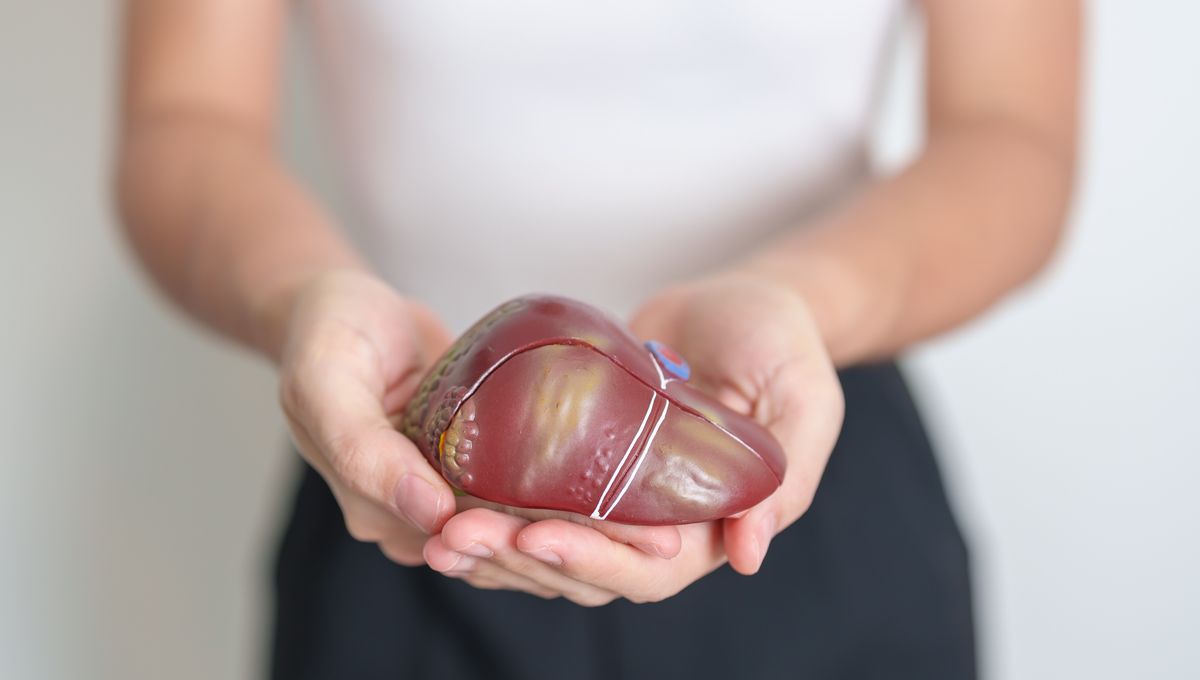
A clinical nutritionist highlights the importance of liver health for overall well-being, signs of liver dysfunction, and how lifestyle changes, diet, and supplements can support liver regeneration, with a success story of a man reversing his biological age by 20 years through these methods.
Researchers at the Technical University of Munich have found that gut bacteria play a crucial role in the liver's regenerative capacity. Short-chain fatty acids produced by gut bacteria are essential for liver cell growth and division. Antibiotics disrupt the microbiome and delay liver regeneration. The study suggests that physicians could examine patients' gut bacteria to determine whether conditions are favorable for surgery or whether it is better to wait for the microbiome to recover.