Kofi Okyere Darko (KOD) encourages tourists to visit Ghana during December, despite reports of robbery and rising HIV/AIDS cases, emphasizing that these issues should be addressed through education and that crime is not unique to Ghana.
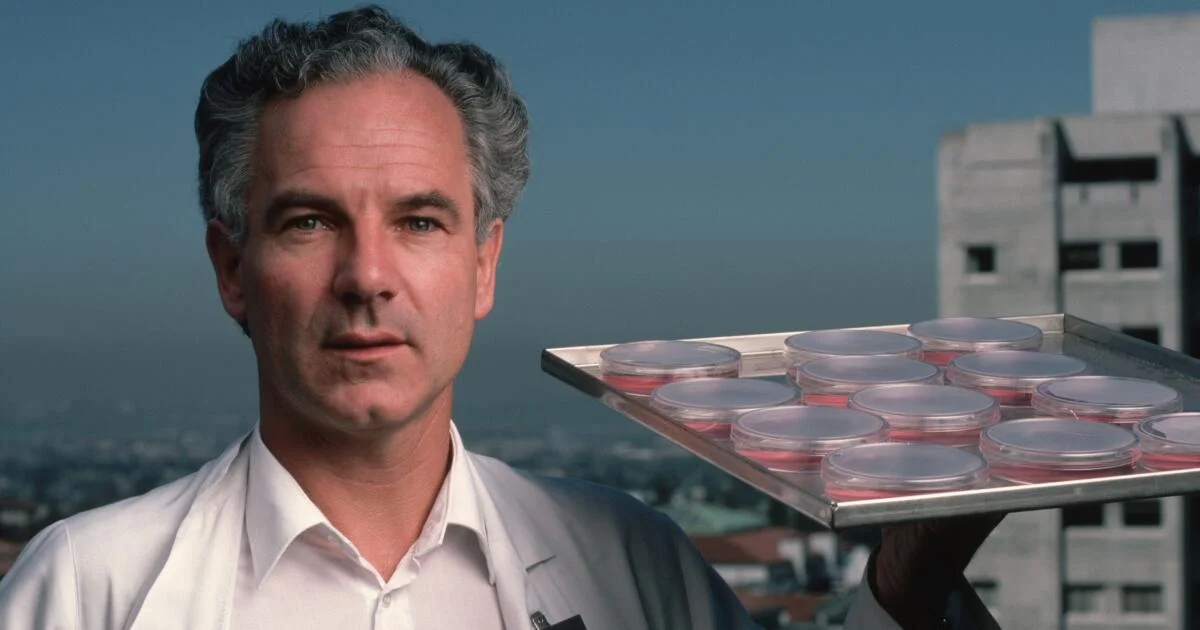
David Baltimore, a pioneering virologist whose discovery of reverse transcriptase revolutionized understanding of retroviruses and contributed significantly to cancer and HIV/AIDS research, has passed away at age 87. His work challenged the central dogma of molecular biology and provided essential tools for modern genetic research.
The UN proposes to close UNAIDS by 2026 due to funding cuts, with plans to integrate its expertise into the broader UN system, amid ongoing challenges in global HIV/AIDS efforts.
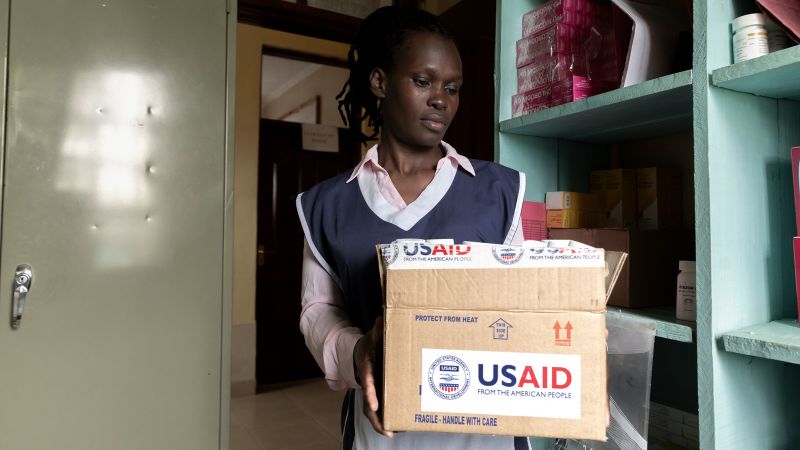
The US has suspended some funding for its key HIV/AIDS relief program, PEPFAR, leading to disruptions in treatment and prevention efforts worldwide, with unclear impacts due to lack of data and ongoing budget disputes.
A federal appeals court ruled that President Trump can continue to withhold over $10 billion in foreign aid funds allocated by Congress for global health and HIV/AIDS programs, reversing a lower court decision and citing lack of legal standing for aid groups to sue. The ruling highlights ongoing disputes over the administration's approach to foreign aid and congressional authority.
PEPFAR, the U.S. initiative to combat HIV/AIDS, narrowly avoided significant funding cuts in 2023, which caused disruptions in clinics and treatment programs worldwide. While the program's future remains uncertain due to expired authorization and shifting priorities, some experts see a renewed bipartisan commitment and a move towards increased international ownership, though challenges persist in maintaining progress against HIV/AIDS globally.
Despite past successes in reducing tuberculosis (TB) deaths, the disease saw a resurgence in the 1980s and 1990s due to factors like the HIV/AIDS epidemic, drug resistance, and increased migration from high-burden countries. The global burden was underestimated for years, leading to a delayed response. Improved data collection and international efforts have since helped reduce TB deaths, but it remains a major health challenge, especially in lower-income countries. The article emphasizes the importance of good data and sustained global efforts to finally control and eliminate TB.
Charlize Theron expressed concern over the devastating impact of foreign aid cuts, particularly highlighting the risk of millions of deaths from HIV/AIDS in South Africa, and emphasized the importance of resistance and activism to oppose such policies. She also discussed broader issues of human rights and social justice.
The article marks the end of the AIDS/LifeCycle event after 31 years, highlighting its history, personal significance to the author who has participated for 26 years, and its impact in raising over $300 million for HIV/AIDS services. It discusses the origins of the ride, its beneficiaries, personal motivations for participating, and the challenges faced due to rising costs and decreasing awareness among younger generations. The author emphasizes the importance of continued fundraising and advocacy amidst political challenges, and shares personal achievements and statistics related to his involvement.
The documentary 'Memorial – The Story of HIV/Aids in Ireland' explores the devastating impact of the HIV/AIDS epidemic in 1980s Ireland, a time when the country was ill-prepared to handle the crisis due to societal stigma and inadequate healthcare responses. The film features testimonies from those affected, including campaigner Tonie Walsh and nurse Breda Gahan, highlighting the immense suffering and loss experienced by the gay community, intravenous drug users, and haemophiliacs. The documentary coincides with the unveiling of a monument in Dublin's Phoenix Park, serving as a belated acknowledgment of the lives lost to AIDS.
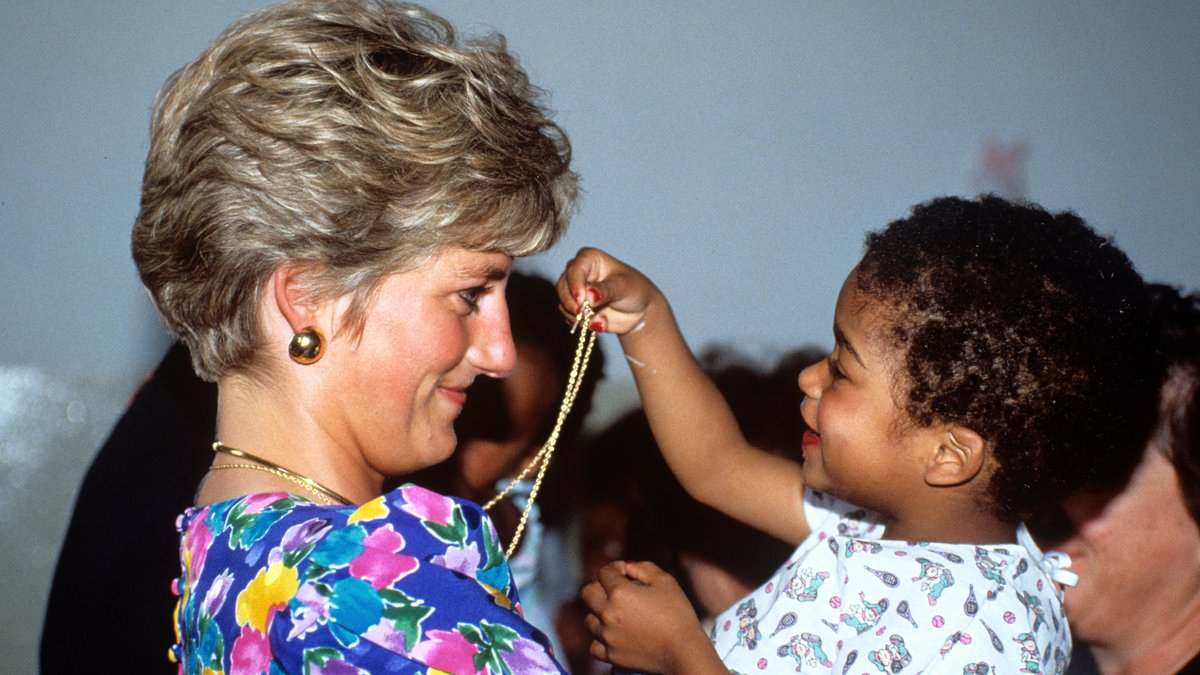
On April 9, 1987, Princess Diana's courageous act of shaking hands with an AIDS patient at a London hospital during the height of the HIV/AIDS epidemic had a profound impact, challenging the stigma and fear surrounding the disease. Her ongoing work to de-stigmatize HIV/AIDS continued throughout her life and influenced her sons, Prince William and Prince Harry, to carry on her legacy. Diana's advocacy prompted a shift in public attitudes towards HIV/AIDS and led to increased awareness and support for those affected by the disease.
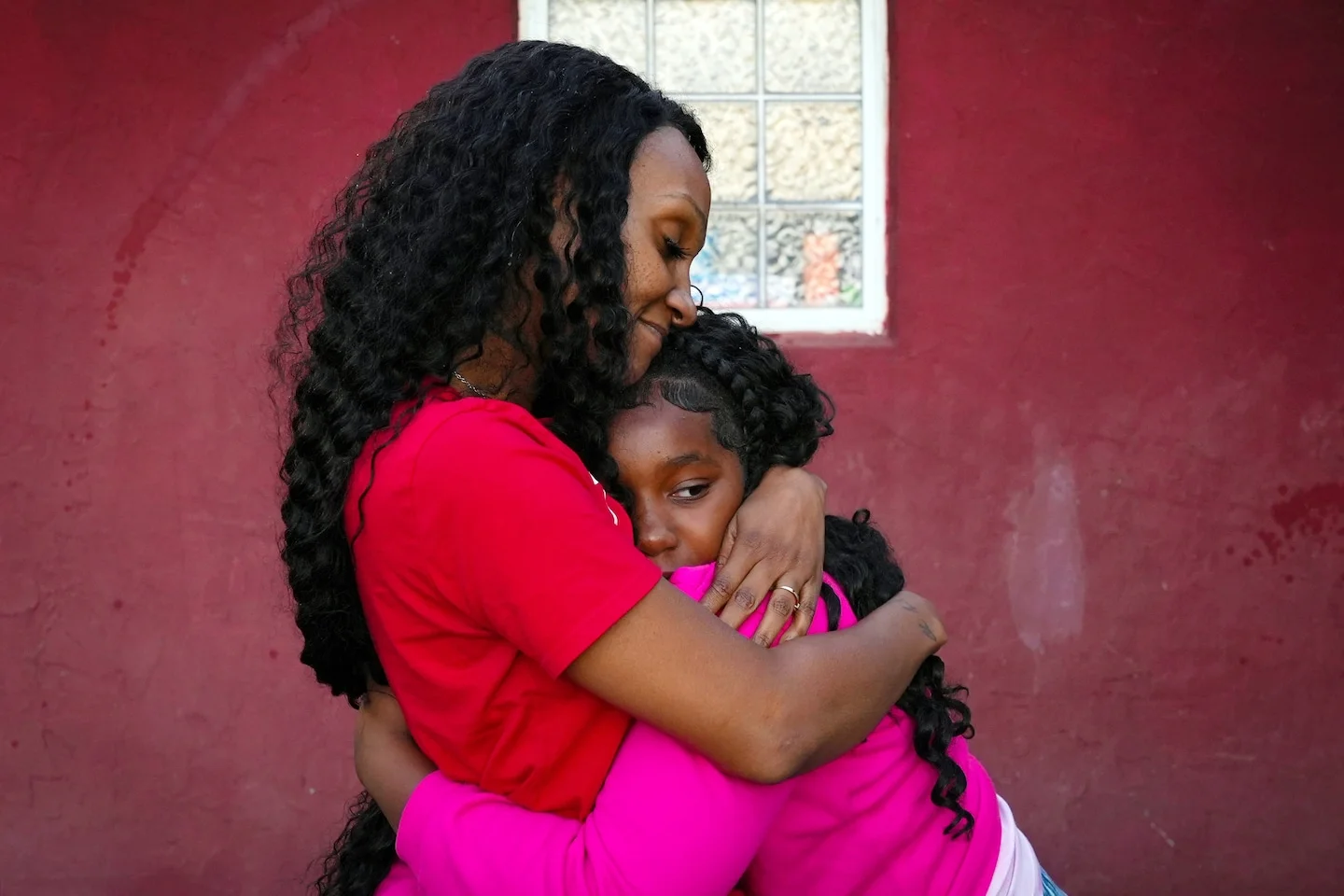
The author recounts her family's struggle with keeping her father's HIV diagnosis a secret in the 1980s, the stigma and fear surrounding the disease, and the impact it had on their lives. After years of silence, her parents wrote a book about their experience, breaking free from the secrecy and finding support. The author shares her journey of processing and finding meaning in her family's experience, and how she now speaks openly about it to help others put down their unspoken burdens.
The author shares her family's struggle with keeping her father's HIV diagnosis a secret in the 1980s, the stigma and fear surrounding the disease at the time, and the impact it had on their lives. After her father's death, the family broke their silence by writing a book about their experience, leading to a sense of relief and support. The author reflects on her own journey of processing and finding meaning in their experience, and now speaks openly about it to help others put down their unspoken burdens.
Dr. John Nkengasong, a key figure in the US global AIDS program, reflects on the transformation of HIV care in Africa over the past 20 years through the President’s Emergency Relief Plan for AIDS Relief (PEPFAR). Despite recent funding battles in Congress, PEPFAR has saved an estimated 25 million lives and significantly reduced AIDS-related deaths globally. Nkengasong's experiences in Africa during the 1990s, when the epidemic was rampant, contrast with the hope and progress brought by PEPFAR, highlighting the program's impact on HIV care, treatment, and prevention in vulnerable regions.
New York City's public school curriculum includes teaching kindergarteners about sexually transmitted diseases and gender identity, with a picture book featuring illustrations of diverse children and promoting the idea that penises and vulvas are not exclusive to one sex. The program also covers HIV education, with lessons increasing in detail as children progress through higher grades. Some parents have expressed outrage, calling the curriculum "beyond inappropriate," and one mother noted that there was no choice to opt out of the lessons for her 5-year-old child.