Scientists have discovered that enhancing lysosome activity can help clear progerin, a toxic protein linked to premature aging in progeria, potentially leading to new treatments for age-related diseases by reducing cellular aging and improving cell health.
Scientists discovered that the protein HMGB1, in its reduced form, acts as a 'redox switch' that promotes aging by signaling healthy cells to become senescent, and blocking this protein in mice improved aging-related functions, suggesting new avenues for anti-aging therapies.
A study led by Chinese scientists has discovered that Immunoglobulin G (IgG), the most common antibody in humans, may significantly influence the ageing process. While IgG is essential for immune defense, its excessive accumulation can lead to cellular senescence and chronic inflammation, accelerating tissue ageing. The research, involving multiple institutions, highlights the dual role of IgG in immune protection and ageing, and was published in the journal Cell.
A recent study has revealed that cell membrane damage can lead to cellular senescence, a state associated with aging and disease, adding a third possible outcome to the previously understood consequences of cell damage. This discovery opens new paths for promoting healthy aging by understanding and manipulating the underlying mechanisms of cellular senescence, shedding light on the impact of moderate membrane damage on cell fate and potential strategies for achieving healthy longevity in the future.
A new study has found that damage to cell membranes can lead to cellular senescence, a state in which cells stop dividing and start producing various secretory proteins that can have both beneficial and detrimental effects on the body. The extent of the damage and subsequent calcium ion influx determine the fate of the cell, with moderate damage leading to cellular senescence. This discovery may contribute to developing strategies for healthy longevity in the future.
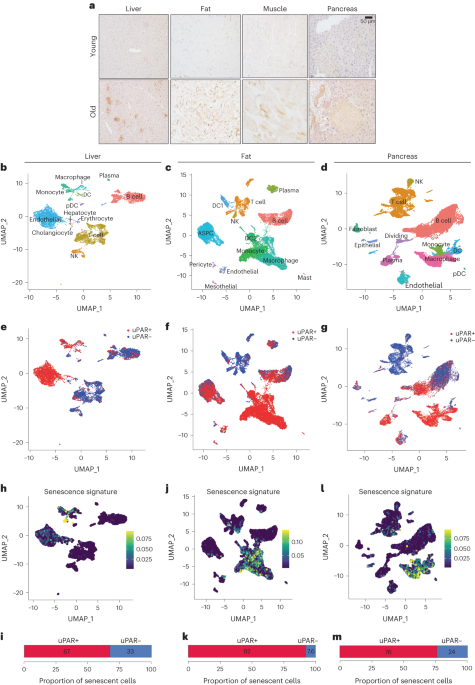
Researchers have developed senolytic CAR T cells targeting the cell-surface protein uPAR, which is upregulated on senescent cells in aged tissues. These CAR T cells were found to effectively eliminate senescent cells in aged mice, leading to a reduction in pro-inflammatory cytokines and improved metabolic function. The treatment was well tolerated and resulted in improved glucose tolerance and exercise capacity in the aged mice. The study suggests that senolytic CAR T cells have the potential to address age-related metabolic dysfunction and improve healthspan.
Researchers are exploring the distinction between driver and passenger mechanisms of aging, examining factors such as DNA damage, telomeres, and cellular senescence. Studies have delved into the role of oxidative damage, mitochondrial function, and somatic mutations in the aging process, while also investigating the impact of telomere length and cellular senescence on lifespan. The identification of p16Ink4a-positive cells and the vulnerability of somatic progenitor cells to mitochondrial DNA mutagenesis have also been highlighted as potential contributors to aging.
Chinese scientists have developed a nanotechnology-based approach to deliver hydrogen, which has the potential to reverse the effects of aging and diseases like Alzheimer's. The study conducted by Shanghai Jiao Tong University highlights the role of hydrogen in combating cellular senescence, a process associated with aging and certain diseases.
A new study suggests that exercise, particularly endurance exercise, may slow down the aging process by maintaining telomere length and preventing cellular senescence. Telomeres act as protective caps at the ends of chromosomes, and as we age, they tend to shorten, leading to cellular senescence and accelerated aging. Regular endurance exercise, such as brisk walks or other activities that elevate and sustain heart rate, for at least 30 minutes, three to five times a week, may help maintain telomere length and reduce the risk of cardiovascular disease and cancer. Additionally, incorporating strength training, managing stress, getting quality sleep, and following a healthy diet can further maximize the anti-aging benefits of exercise.
Scientists have discovered that cellular senescence, a process associated with aging, plays a crucial role in driving full-body regeneration in cnidarians, such as jellyfish and hydras. The study found that senescent cells in amputated heads of hydractinia triggered a cascade of signals that led to the dedifferentiation of somatic cells into secondary i-cells, enabling regeneration. This suggests that cellular senescence may be an ancient mechanism for initiating regeneration, which has been lost in more complex animals. While this research does not provide immediate solutions for human limb regeneration, it expands our understanding of cellular senescence and its potential applications in enhancing regeneration in mammals.
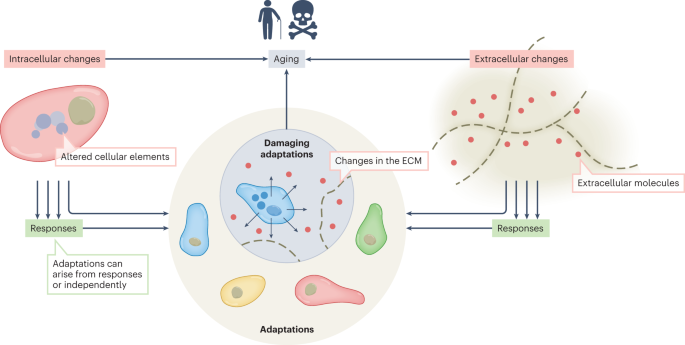
This article explores the concept of adaptation in aging, focusing on cellular senescence, epigenetic clocks, and stem cell alterations. It discusses the role of programmed cell death, DNA damage response, and wound healing in the aging process. The authors highlight the importance of senescent cells and their clearance, as well as the interplay between senescent cells and immune surveillance. The article also discusses the impact of oxidative stress, collagen fragmentation, and changes in extracellular matrix components on aging. Overall, the article provides insights into the mechanisms underlying adaptation and cellular changes during aging.
An AI algorithm has identified three natural compounds that can help combat age-related health issues, including Alzheimer's disease and certain cancers. The algorithm combed through a library of over 4,300 chemical compounds and identified 21 drug candidates that could prompt cell senescence. Of those 21 candidates, the scientists zeroed in on three compounds – ginkgetin, oleandrin, and periplocin – which were able to remove defective cells without harming healthy ones when tested on human cells. The research team headed up by experts at Scotland's University of Edinburgh devised an algorithm that successfully zeroed in on three natural compounds that can help stave off age-related health declines such as vision loss, loss of mobility, and Alzheimer's.
Researchers estimate that the human body may not be capable of living more than 150 years due to wear and tear on our cells and DNA. However, many companies and researchers worldwide are exploring how to slow down or prevent aging through cellular rejuvenation and disease prevention. Cellular senescence and telomere length are two areas of research that hold the keys to our longevity. Companies like Life Biosciences and Unity Biotechnology are developing drugs called senolytics to contain and destroy only the "bad" senescent cells in our bodies, while some experimental drugs may even prevent cells from becoming senescent in the first place.