Scientists are uncovering new insights into why female fertility declines with age, focusing on how eggs deteriorate and the role of chromosome abnormalities in increasing miscarriage and infertility risks.
A study of 1,176 species suggests that women tend to outlive men partly because of having double X chromosomes, which provide genetic protection against harmful mutations, beyond behavioral factors like smoking and risk-taking.
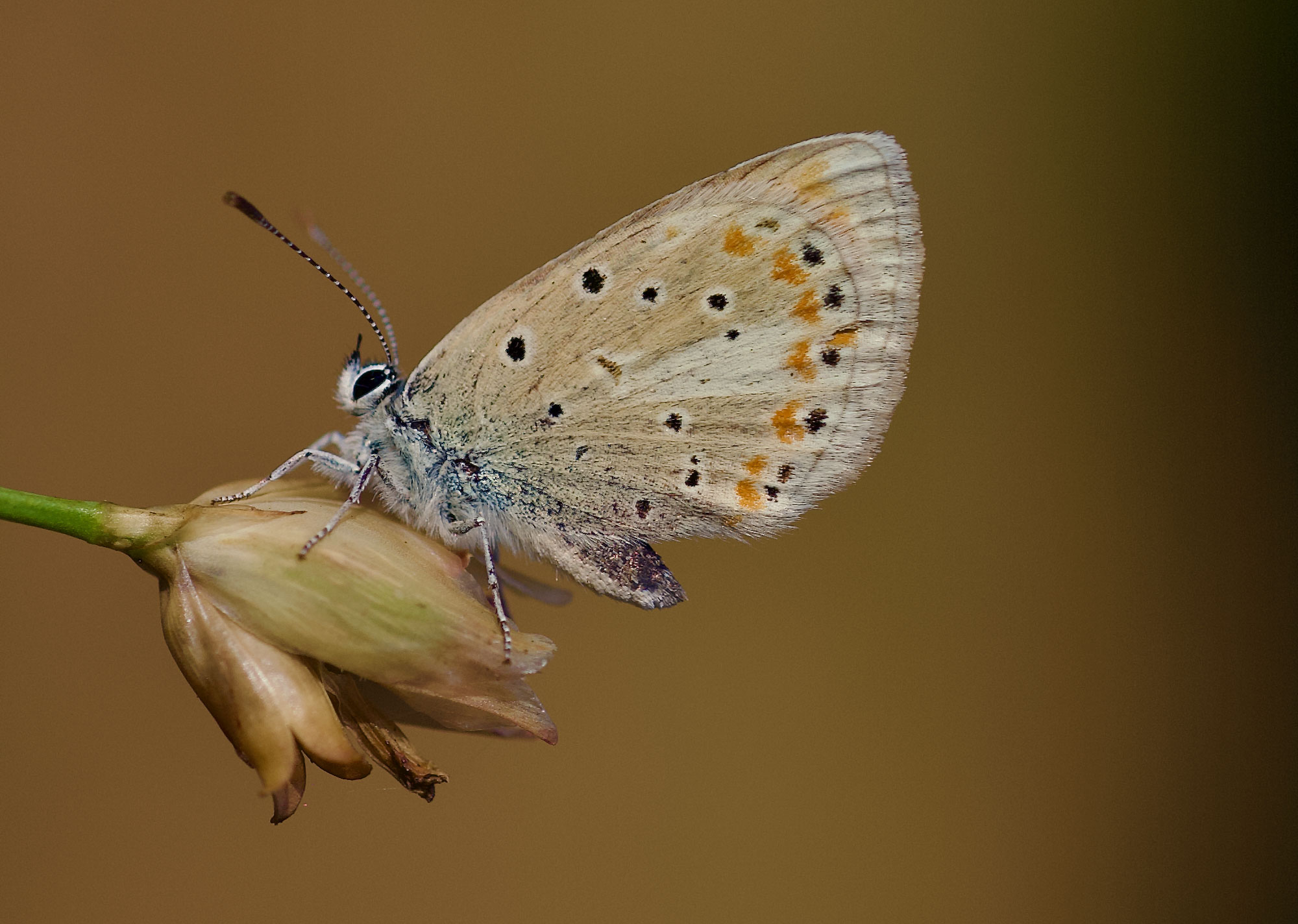
The Atlas blue butterfly has the highest number of chromosomes ever recorded in an animal, with 229 pairs, resulting from chromosomes splitting into smaller sections over three million years. This discovery provides insights into evolution, adaptation, and potential implications for human cancer research, as chromosomal rearrangements are also seen in cancer cells.
The Atlas blue butterfly has the highest number of chromosome pairs of any animal, with 229 pairs, resulting from extensive chromosome fragmentation over three million years, providing insights into chromosome evolution and potential implications for understanding cancer cell behavior.
Scientists have confirmed that the Atlas blue butterfly has the highest number of chromosomes in the animal kingdom, with 229 pairs, a result of rapid chromosomal splitting over 3 million years, which may enhance genetic diversity and adaptability, though it also presents potential vulnerabilities amid environmental threats.
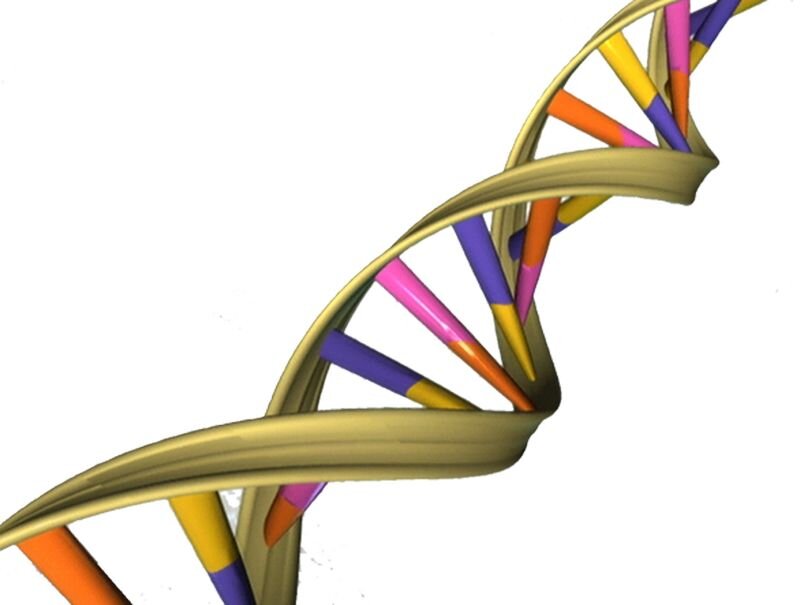
Researchers from the Kavli Institute and IMP Vienna Biocenter have discovered that SMC motor proteins, which form loops in DNA, also twist the DNA by 0.6 turns per loop. This finding, published in Science Advances, enhances our understanding of chromosome structure and function, and has implications for diseases like cohesinopathies. The study shows that this twisting mechanism is conserved across species, including humans and yeast, highlighting its evolutionary significance.
A new study published in Nature Communications reveals that deleting six specific microRNAs can override the influence of sex chromosomes, transforming male mice (with XY chromosomes) into females by delaying the production of a crucial protein. This discovery adds complexity to our understanding of sex determination in mammals and suggests that similar mechanisms may exist in other vertebrates, including humans.
Researchers have identified the first prehistoric person with mosaic Turner syndrome, characterized by one X chromosome, using a new technique to measure the number of chromosomes in ancient genomes more precisely. They also identified the earliest known person with Jacob's syndrome, three individuals with Klinefelter syndrome, and an infant with Down Syndrome from ancient DNA samples. The study sheds light on the historical perspective of how sex, gender, and diversity were perceived in past societies.
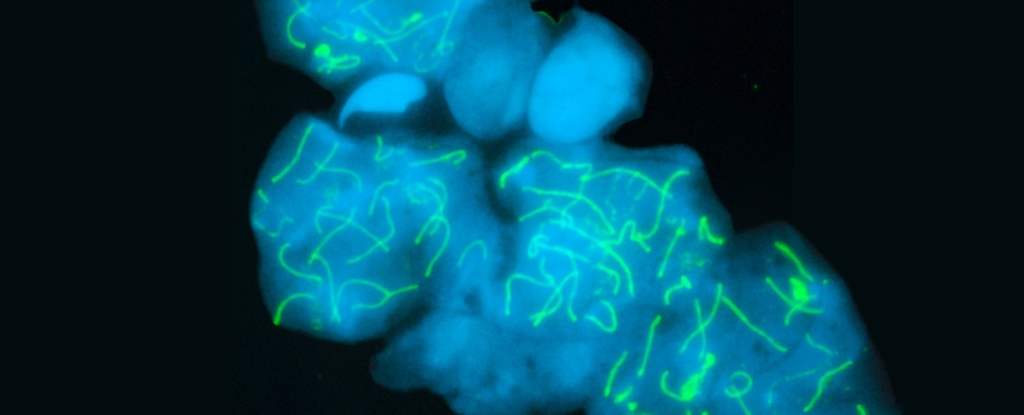
Researchers at the University of Michigan have discovered a new feature of how telomeres, the natural ends of chromosomes, are protected from DNA damage. They found that a protein called POT1 uses a cavity, which they call the "POT-hole," to hide the chromosome end from being recognized as DNA damage. This prevents the activation of the DNA damage response machinery. The study provides insights into how our chromosomes are protected and expands our understanding of the role of POT1 in safeguarding telomeres.
Researchers have used gene-editing tools to confirm a century-old theory that cells with abnormal numbers of chromosomes are drivers of cancer. The study, published in the journal Science, sheds new light on an old idea and could potentially lead to new ways of targeting cancer cells with drugs. By using a clever CRISPR hack, scientists were able to show that cancer cells without extra chromosomes were no longer able to seed tumors in animals. This discovery opens up the possibility of developing therapies that target and kill cells with abnormal numbers of chromosomes, expanding the number of potential targets for cancer treatment.
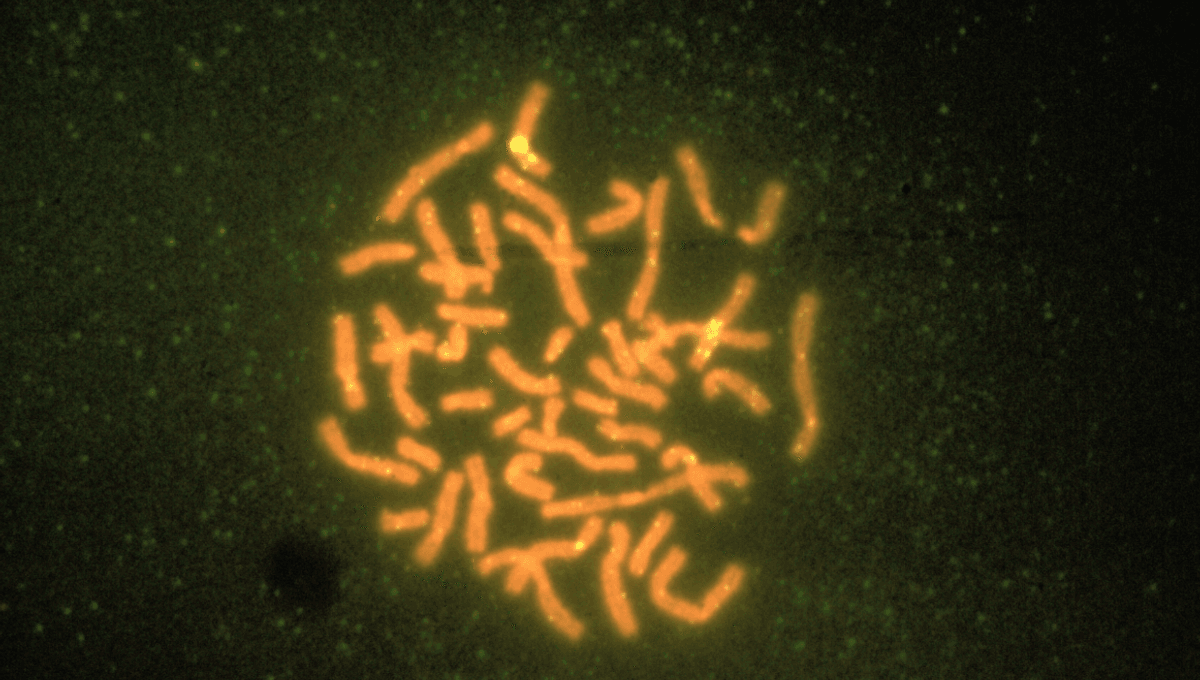
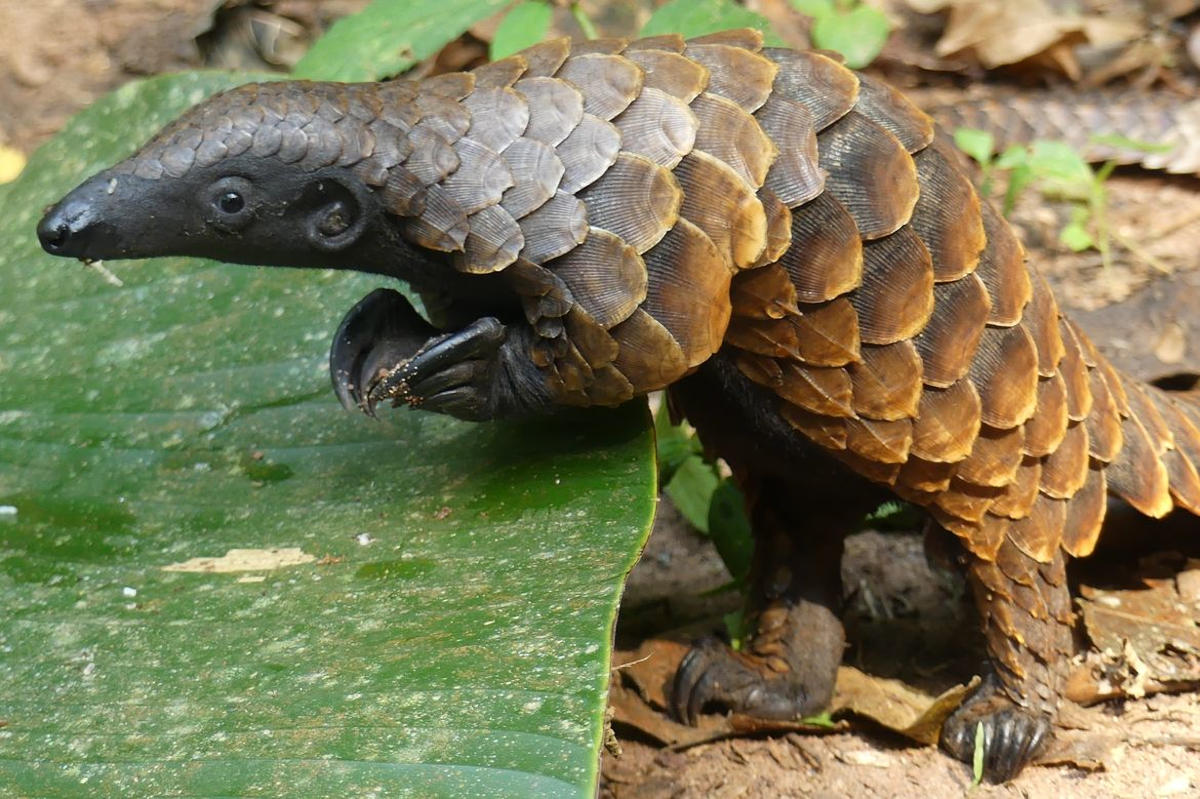
A recent study published in Chromosome Research reveals that the female white-bellied pangolin possesses 114 chromosomes, a count surpassed only by the Bolivian bamboo rat’s 118, significantly exceeding the human count of 46. The chromosome counts of other pangolin species align more with typical mammalian ranges, fluctuating between 36 to 42. The research team created a valuable genetic resource to support conservation efforts, especially attempts to control poaching, which is the primary reason the animals are endangered.
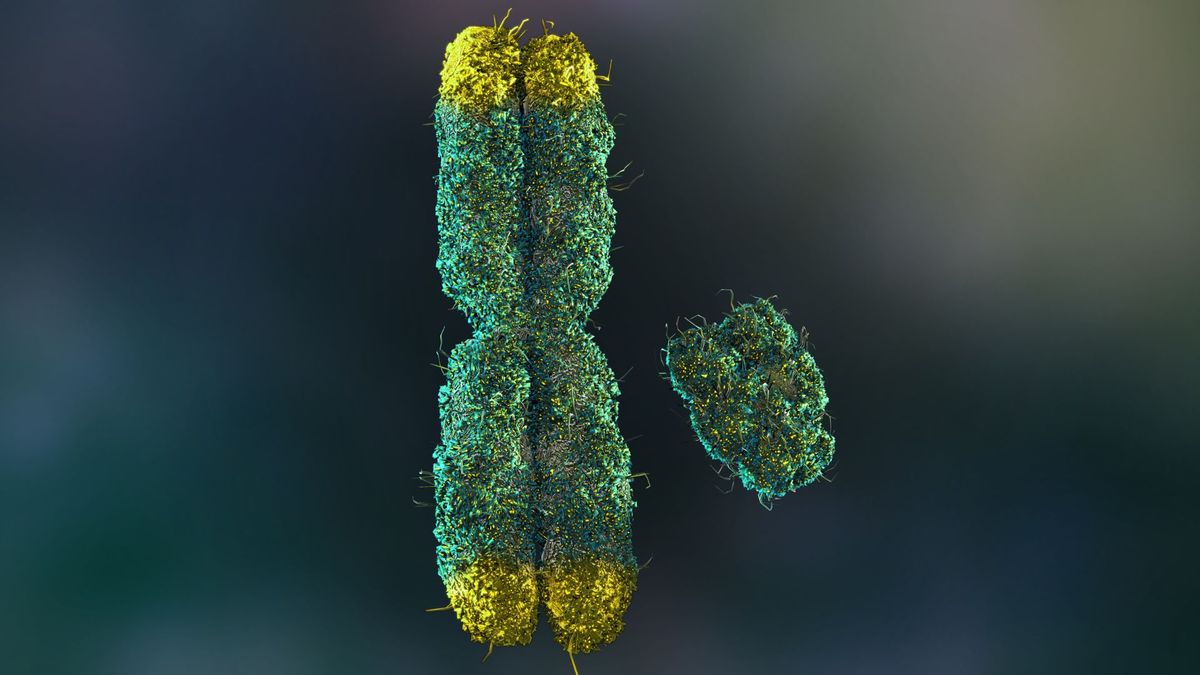
Nettie Stevens, a pioneering cytogeneticist and researcher at Bryn Mawr College, discovered in 1905 that sex is determined by hereditary traits passed through chromosomes. She found that females are born with a pair of XX chromosomes, inheriting an X from both the mother and father, while males are born with XY chromosomes; the X is from the mother, the Y from the father. Stevens' discovery revolutionized the field of genetics and challenged the assumptions of many powerful people in biology. Despite her groundbreaking work, she did not receive credit for her discovery at the time due to her gender.
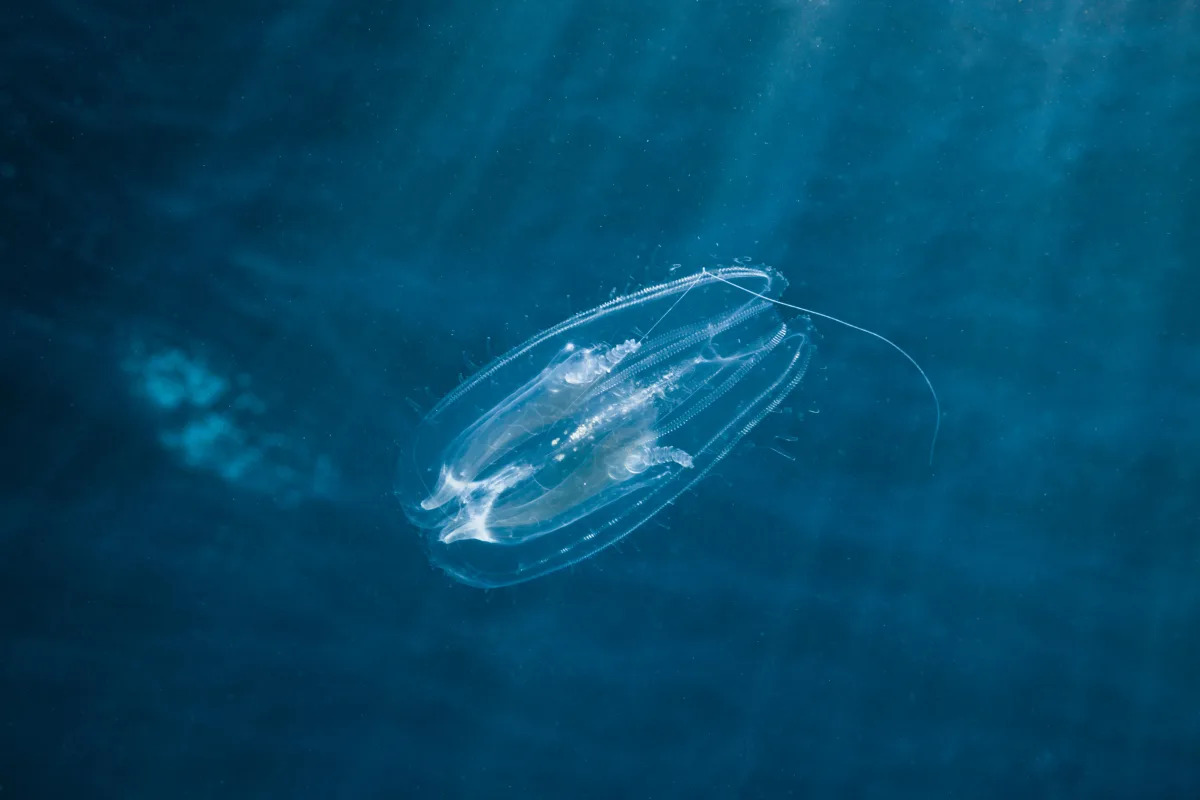
A new study published in Nature suggests that the first animal to have roamed the Earth about 700 million years ago was likely a comb jelly, or ctenophore. Scientists determined this by looking at the organization of genes in the chromosomes of the organisms. The chromosomes of the ctenophore look very different than the chromosomes of sponges, jellyfish and other invertebrates, alerting researchers that the ctenophore could have either come much earlier than the others, or much later. This new insight is valuable to learning about the basic functions of all animals and humans today, such as how we eat, move and sense our surrounding environment.
Scientists believe that the first animal to have roamed the Earth about 700 million years ago was likely a comb jelly, or ctenophore, according to a new study published in Nature. Researchers determined this by looking at the organization of genes in the chromosomes of the organisms. The chromosomes of the ctenophore look very different than the chromosomes of sponges, jellyfish and other invertebrates, alerting researchers that the ctenophore could have either come much earlier than the others, or much later. This new insight is valuable to learning about the basic functions of all animals and humans today, such as how we eat, move and sense our surrounding environment.
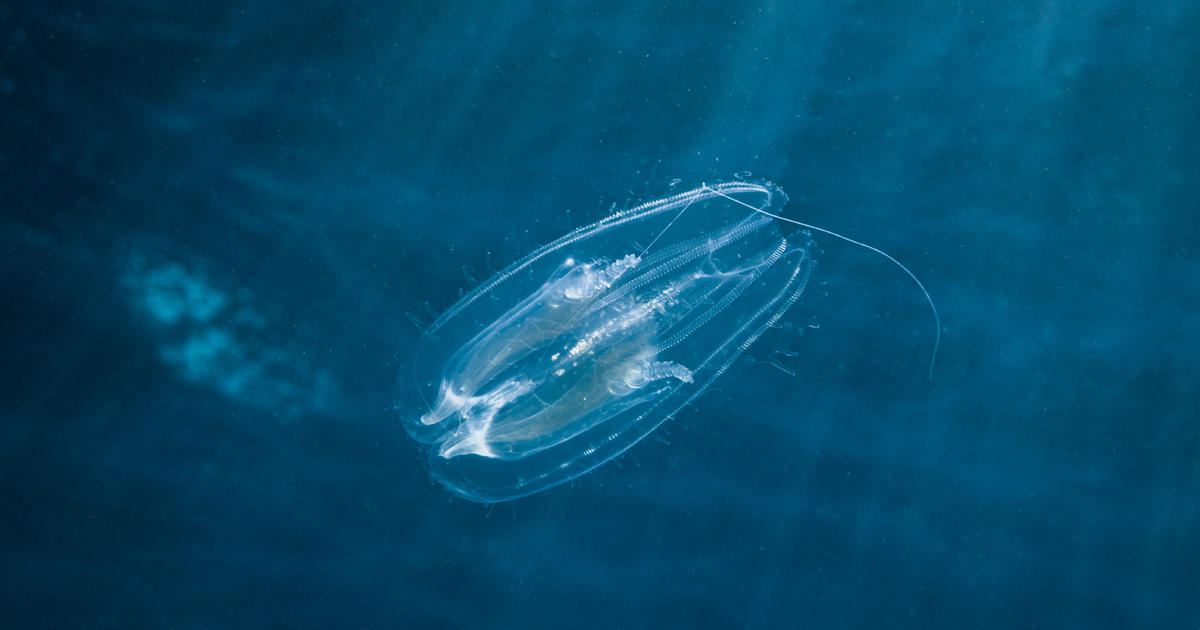
Scientists believe that the first animal to have roamed the Earth about 700 million years ago was likely a comb jelly, or ctenophore, according to a new study published in Nature. Researchers determined this by looking at the organization of genes in the chromosomes of the organisms. The chromosomes of the ctenophore look very different than the chromosomes of sponges, jellyfish and other invertebrates, alerting researchers that the ctenophore could have either come much earlier than the others, or much later. This new insight is valuable to learning about the basic functions of all animals and humans today, such as how we eat, move and sense our surrounding environment.