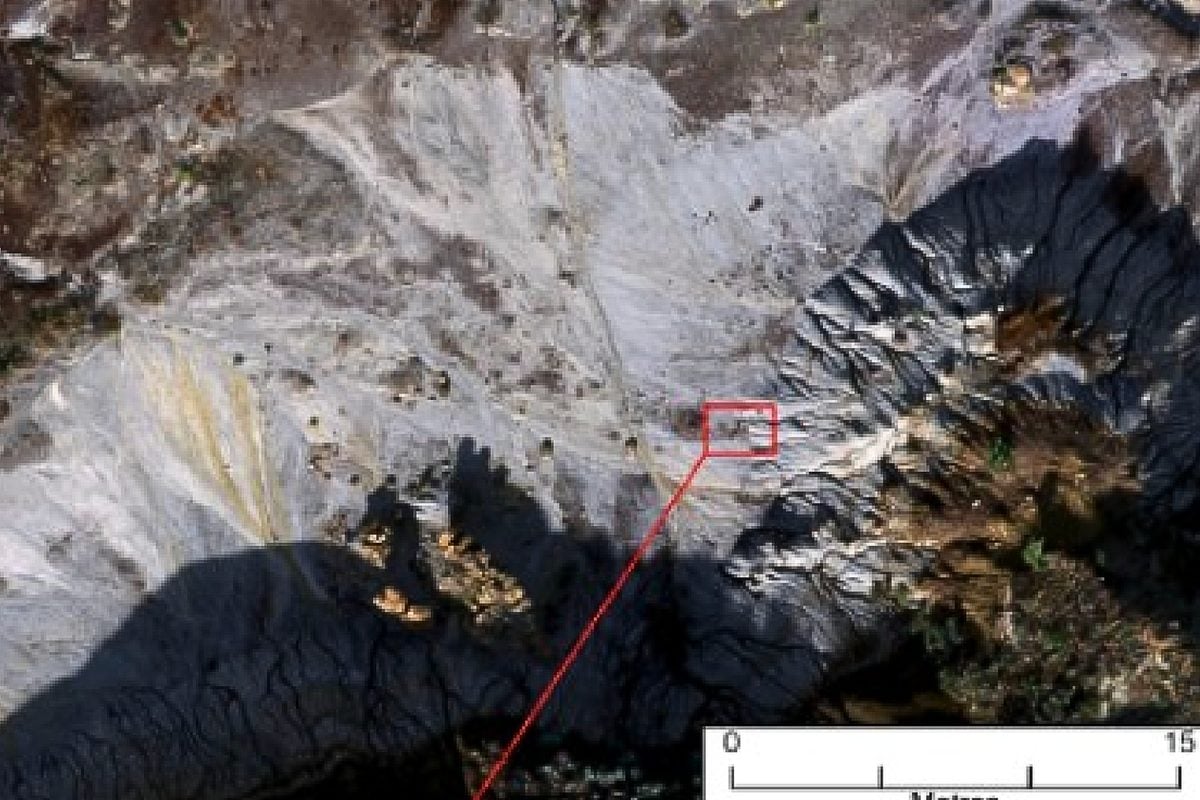
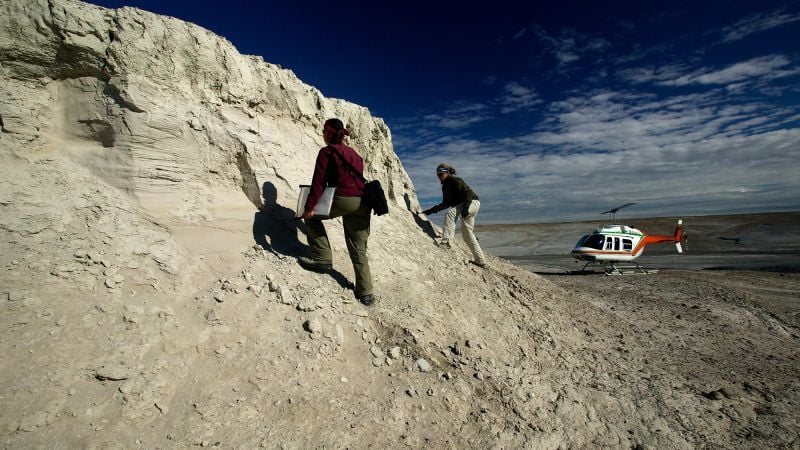
Scientists have developed a novel method for locating dinosaur fossils in Canada by using drones to detect specific lichens that colonize exposed dinosaur bones, potentially revolutionizing fossil hunting in remote areas.
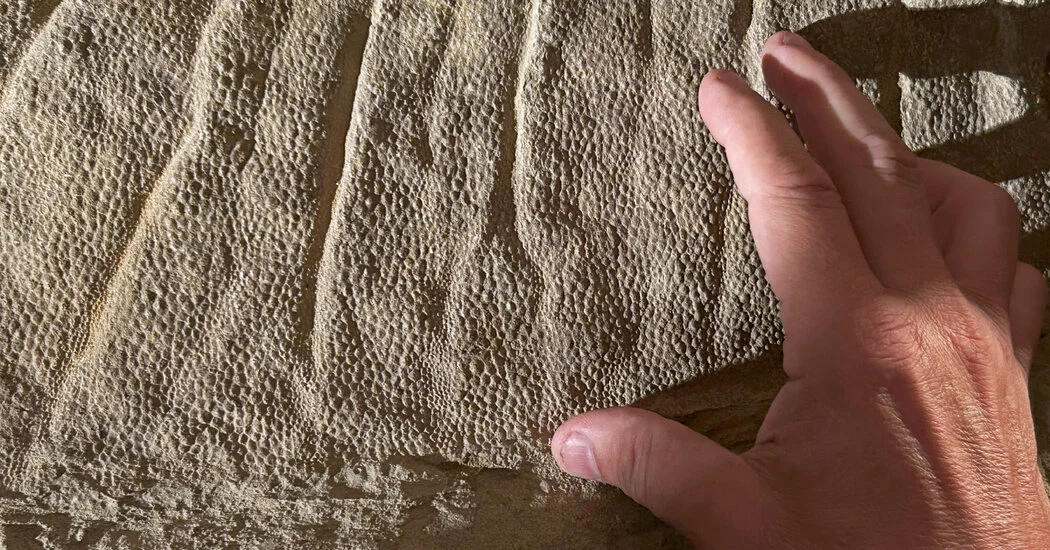
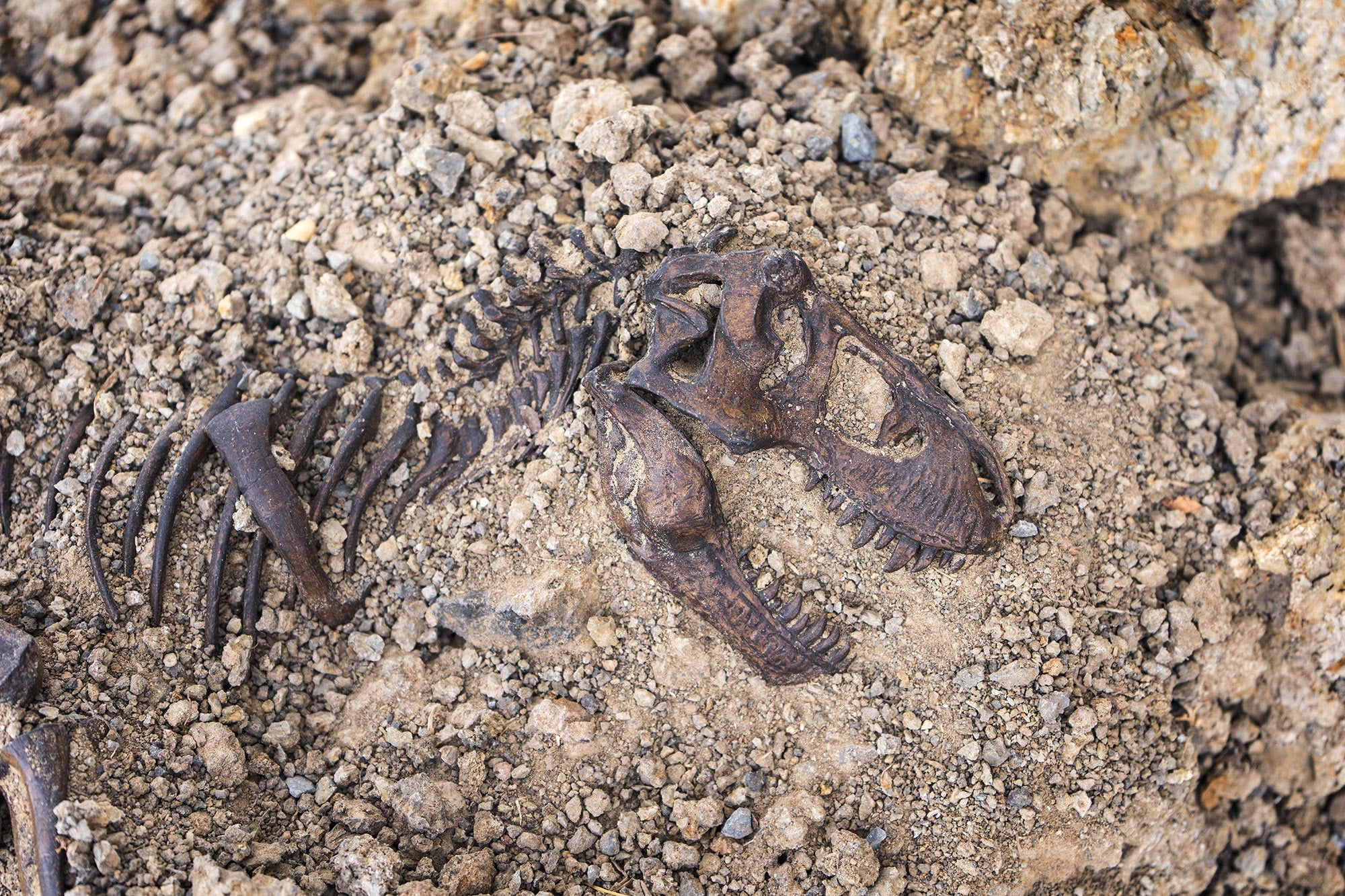
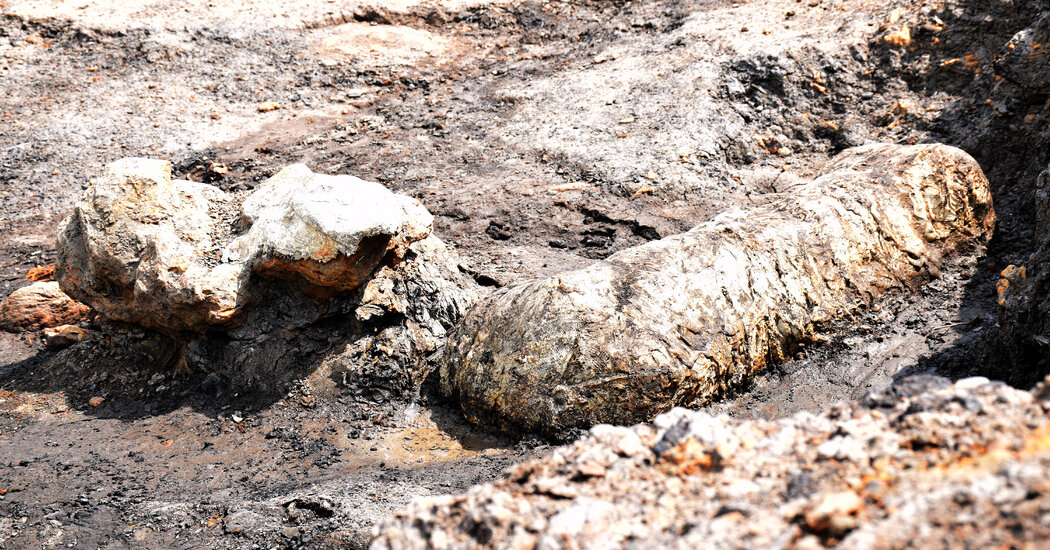
Two well-preserved mummified Edmontosaurus fossils, discovered in Wyoming in the early 1900s, provide insights into the preservation process of dinosaurs, with one specimen found resting on its rib cage and dating back approximately 66 million years.
Scientists have successfully extracted ancient proteins from a 24 million-year-old rhino fossil, demonstrating the potential of paleoproteomics to study fossils beyond the reach of ancient DNA, and suggesting that retrieving proteins from dinosaur fossils might be possible in the future.
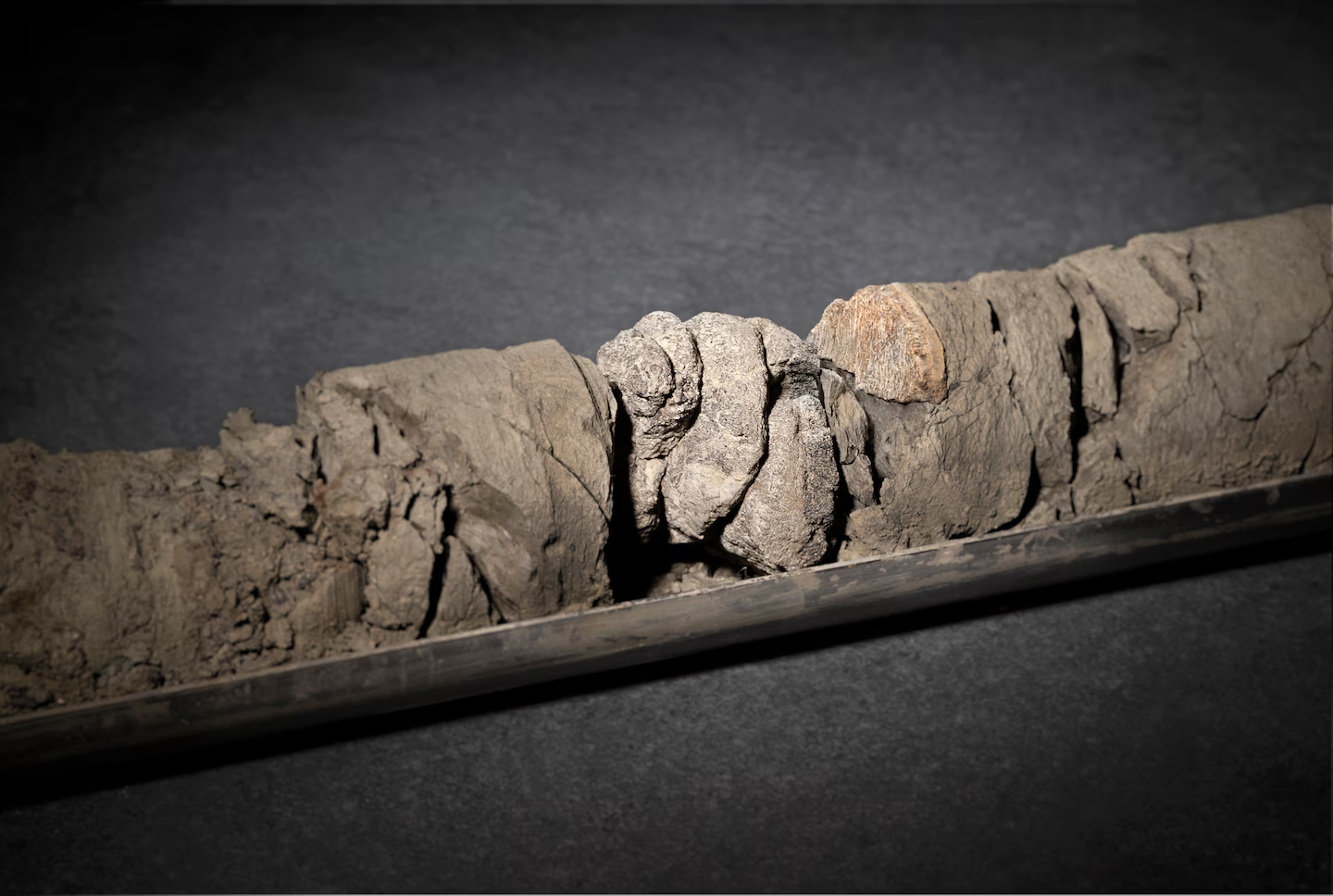
The Denver Museum of Nature and Science discovered fossilized dinosaur bones in its parking lot during a geothermal energy test drilling, highlighting a significant local paleontological find.
A study using advanced paleoproteomic techniques on dinosaur fossils, including soft tissue analysis, suggests that preserved proteins and cellular structures can provide insights into the evolution of diseases like cancer, emphasizing the importance of soft tissue preservation for future medical research.
Scientists have discovered preserved blood cell-like structures in a 70-million-year-old dinosaur fossil, suggesting that ancient creatures could provide insights into human cancer, potentially aiding future treatments by studying the molecular building blocks of cancer from the distant past.
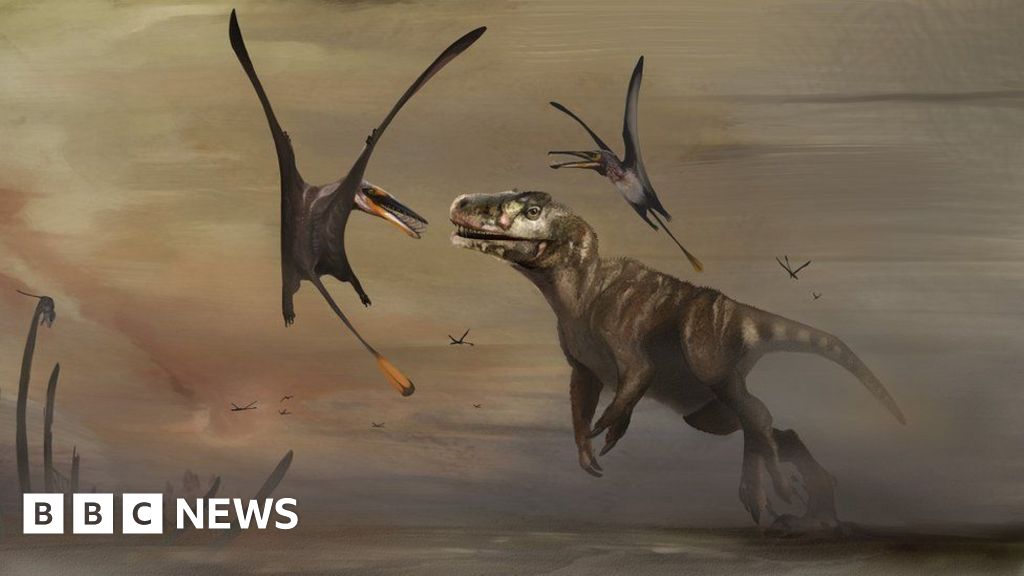
The Isle of Skye has been a treasure trove of dinosaur fossils for the past 40 years, with discoveries including footprints, bones, and winged reptile fossils. The first fossil was found in 1982 by a young student, and subsequent finds have shed light on the dinosaurs of the Middle Jurassic period, a time of massive diversification in dinosaurs. The fossils, dating back 162-175 million years, have put Skye on the map as an important site for understanding life during this period.
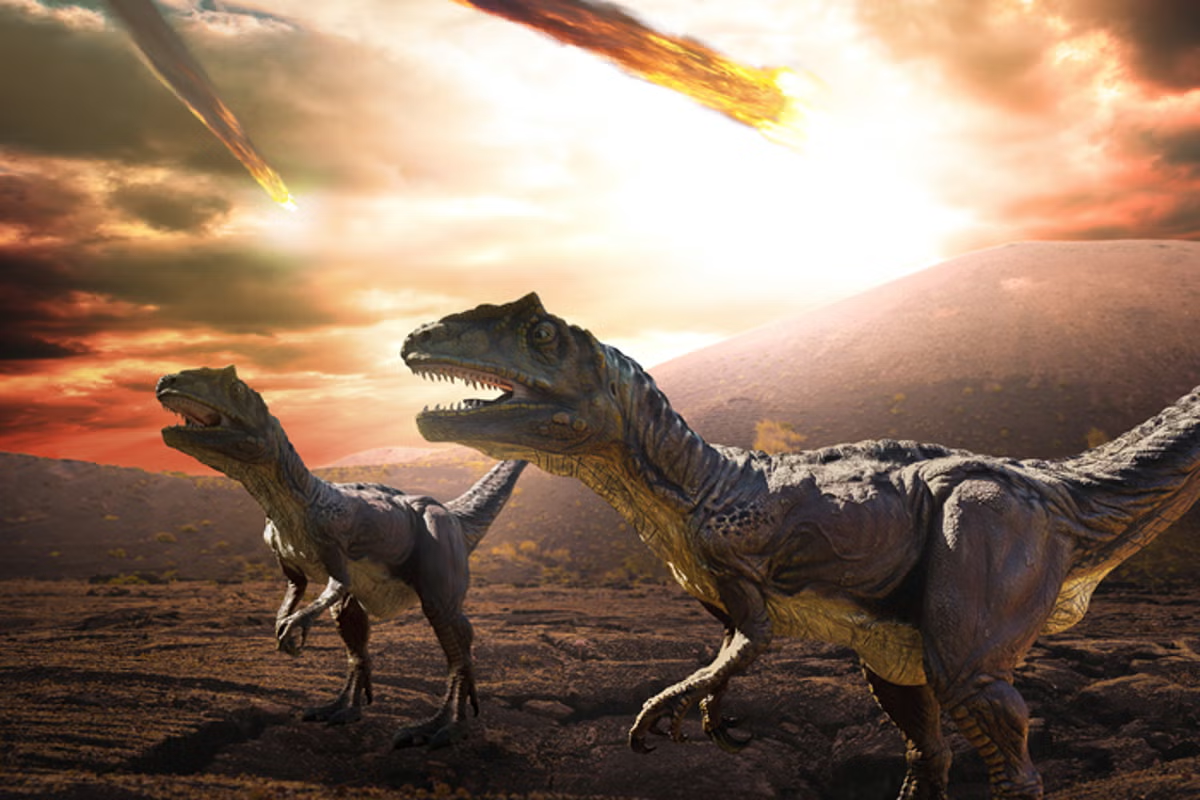
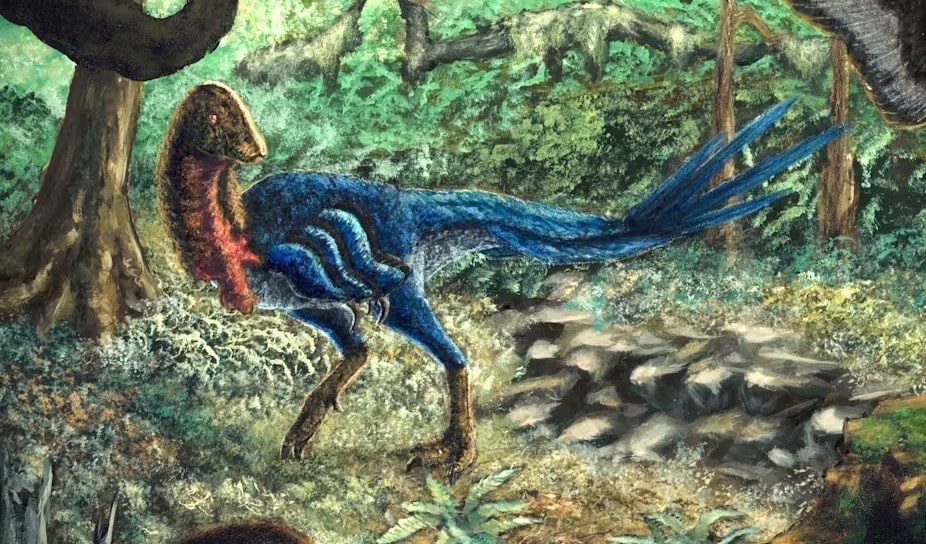
While examining dinosaur fossils for a school project, Kyle Atkins-Weltman discovered a new species, Eoneophron infernalis, which is similar to the Anzu wyliei but smaller. The 28-year-old PhD student at Oklahoma State University found irregularities in the bones he received and, after further inspection, realized they belonged to a previously unknown species. The discovery sheds light on the thriving biodiversity of the Caenagnathidae family and challenges previous assumptions about dinosaur populations before the asteroid extinction. Atkins-Weltman's breakthrough was published in the journal PLOS One, and he aspires to create a museum that immerses visitors in the Cretaceous period, including models of Eoneophron infernalis.
The newly described species of titanosaur, Igai semkhu, has filled a significant gap in our understanding of the final 30 million years of the Age of Dinosaurs. The 75-million-year-old dinosaur, discovered in the Kharga Oasis in Egypt, is one of the most complete dinosaur fossils ever found in Africa. Despite its relatively small size, Igai semkhu provides valuable insights into the diversity of titanosaurs during the Cretaceous era. The scarcity of dinosaur fossils in Africa makes this discovery particularly important for paleontologists.
Paleontologists and volunteers in Maryland have discovered a "bonebed" of dinosaur fossils in a park, which could be the widest-ranging discovery of fossils of different species on the East Coast. The fossils, including those of dinosaurs and stingrays over 100 million years old, were found in Dinosaur Park in South Laurel, Maryland. The discovery includes a 3-foot-long shin bone from a theropod, a type of carnivorous dinosaur, which has never been found on the East Coast before. This finding will provide valuable information about the ancient environment and extinct animals of the Cretaceous period in Maryland.
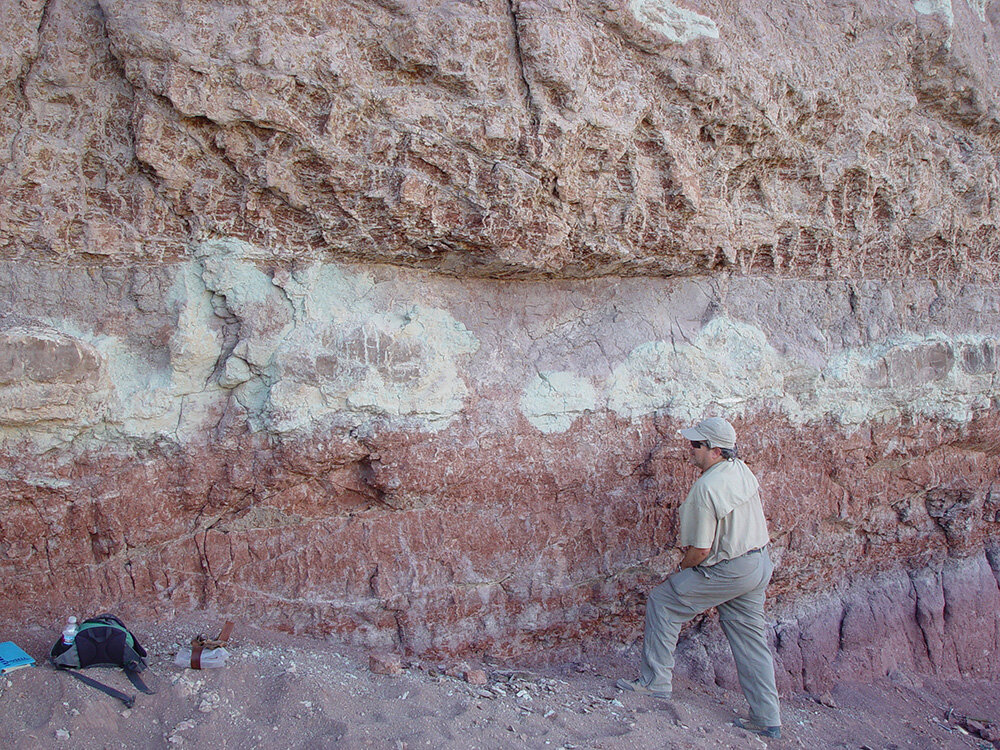
A geological study of the rock formation that encased a fossilized example of the world's biggest "raptor" dinosaur, Utahraptor, shows it's 10 million years older than previously understood, indicating that the rocks at the Stikes Quarry are at least 135 million years old. The revised age has important implications for the evolutionary history of dinosaurs and narrows the gap in the rock record at the boundary between the Jurassic and Cretaceous Periods in Utah. The study also revealed that the rock strata from the Stikes Dinosaur Quarry were deposited during a global change episode known as the Weissert Event.