A study from UC Riverside links mitochondrial dysfunction to the loss of Purkinje neurons in the cerebellum, contributing to motor impairments in MS patients, suggesting that targeting mitochondrial health could help preserve motor control and balance.
The article explores the phenomenon of long-term fatigue following viral infections, such as Long Covid, and its similarities to post-viral fatigue from other infections like Sars and Lyme disease. Researchers are investigating the underlying causes, including mitochondrial dysfunction and autoimmune responses, to develop targeted treatments. Studies are examining potential therapies, such as enzyme treatments and repurposed medications, to address the persistent energy deficits experienced by sufferers. The research aims to better understand and categorize different types of fatigue to improve diagnostics and treatment options.
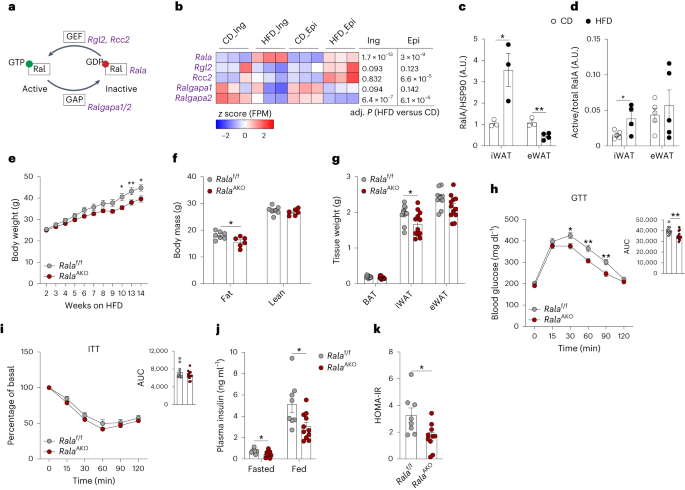
A recent study from the University of California San Diego School of Medicine revealed that a high-fat diet causes mitochondrial fragmentation in fat cells, reducing their ability to burn fat, and this process is controlled by a single gene associated with the molecule RaIA. By deleting this gene, researchers protected mice from weight gain despite consuming the same high-fat diet, offering new insights into the metabolic dysfunctions in obesity and potential targeted therapies. The findings suggest a new therapeutic target for obesity treatment in humans and shed light on the complex metabolism of the disease.
A new study challenges the use of the KTP molecule as a potential treatment for Parkinson's disease, overturning over a decade of thinking. The study found that KTP cannot activate the PINK1 protein due to its size, debunking previous research. The findings suggest that kinetin must be activating PINK1 through a different mechanism, prompting the search for other potential compounds to treat Parkinson's disease.
Obesity leads to mitochondrial dysfunction in white adipocytes due to increased RalA activity, contributing to metabolic abnormalities. Deletion of RalA in white adipocytes attenuates high-fat-diet-induced obesity, increases energy expenditure, and improves glucose homeostasis in mice. RalA deletion also reduces hepatic steatosis and damage, while increasing mitochondrial oxidative phosphorylation in white adipose tissue.
New research on long COVID patients shows that exercise can lead to worsening symptoms due to widespread abnormalities in muscle tissue, including compromised mitochondria, severe muscle damage, altered immune response, and microclots. The study compared long COVID patients to healthy controls and found evidence of cellular energy system dysfunction, muscle atrophy, immune cell infiltration, and elevated microclots. Experts caution against the traditional approach of prescribing exercise for these patients and recommend alternative strategies such as "autonomic rehabilitation" to manage symptoms.
Researchers have discovered a rare genetic mutation in a small protein, SHLP2, that halves the risk of developing Parkinson's disease, primarily found in people of European descent. This mutation is associated with better protection against mitochondrial dysfunction, a key factor in the disease. The discovery could lead to new treatments for Parkinson's and sheds light on the potential of exploring mitochondrial-derived microproteins for preventing and treating age-related diseases.
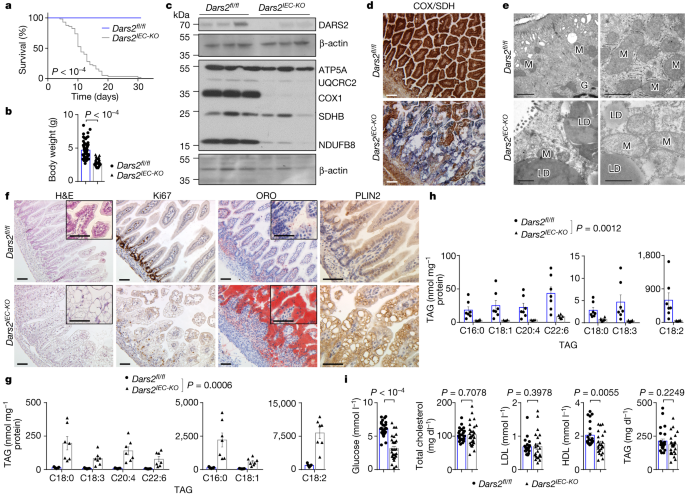
Mitochondrial dysfunction in enterocytes, caused by DARS2 deficiency, leads to impaired processing and transport of dietary lipids, resulting in their accumulation within large lipid droplets (LDs). This study found that mice lacking DARS2 specifically in enterocytes showed severe intestinal pathology, including reduced body weight, impaired tissue architecture, and decreased cell proliferation. The enterocytes of these mice contained large LDs filled with lipids, while the livers showed reduced levels of lipids. Similar lipid accumulation and pathology were observed in mice lacking specific subunits of respiratory chain complexes II and IV. Inducible DARS2 ablation in adult mice also resulted in lipid accumulation in enterocytes. These findings suggest that mitochondrial dysfunction in enterocytes disrupts the processing and transport of dietary lipids, leading to their accumulation in LDs.
Researchers have discovered a bacterial protein, called mitochondrial coxiella effector F (MceF), released by the bacterium Coxiella burnetii, which can improve mitochondrial function and keep human cells healthy even when heavily burdened by bacteria. The protein interacts with an antioxidant enzyme in the mitochondria, promoting an anti-oxidizing effect that prevents cell damage and death. This finding could lead to new treatments for diseases related to mitochondrial dysfunction, such as cancer and auto-immune disorders.
A study using App knock-in mice, a model for Alzheimer's disease (AD), found that mitochondrial hypermetabolism occurs before the development of amyloid beta (Aβ) plaques. The study also observed impaired autophagy, declining mitochondrial function, neuroinflammation, and synaptic disturbances after the establishment of Aβ pathology. These findings suggest that mitochondrial alterations may occur in the early stages of AD and contribute to neuronal damage.
Fatigue is emerging as one of the most debilitating symptoms of Covid-19, with some individuals experiencing intense exhaustion that persists even after testing negative. The exact cause of this fatigue is still unknown, but theories include mitochondrial dysfunction, sleep disturbances, and lingering effects of the virus. Researchers have found that people with long Covid have significantly lower levels of morning cortisol, which can contribute to fatigue. While there is no established protocol for treating Covid-related fatigue, rest and listening to your body are recommended during active infection. For long Covid patients, getting enough sleep, gradually increasing exercise tolerance, and reframing expectations are important strategies for managing fatigue.
A study conducted by NIH researchers suggests that high levels of a protein called WASF3 may reduce energy production in the muscle cells of people with ME/CFS, leading to exercise intolerance. Blocking this protein in lab cells restored energy production, indicating a potential new strategy for treating the condition. The study also found substantially higher levels of WASF3 in muscle tissue samples from people with ME/CFS compared to healthy volunteers. The dysfunctional increase in WASF3 appeared to be linked to impairment of a cellular signaling pathway called the ER stress pathway. Further research is needed to determine if targeting ER stress could be a promising approach for ME/CFS and other conditions associated with fatigue.
Researchers have discovered that the SARS-CoV-2 virus can negatively impact mitochondrial genes, leading to dysfunction in multiple organs beyond just the lungs. This systemic effect suggests that COVID-19 should be viewed as a disorder that affects various organs. The study found that mitochondrial gene expression recovered in the lungs but remained suppressed in the heart, kidneys, and liver. The persistent damage to organs could explain the adverse effects associated with "long COVID." The findings highlight potential new therapeutic targets, including microRNA 2392, which regulates mitochondrial function and could potentially impede the replication of the virus.
Impaired mitochondrial uptake of calcium ions in macrophages, a type of immune cell, has been found to contribute to age-related changes in inflammatory responses, according to a study published in Nature Aging. The researchers discovered that reduced calcium uptake in macrophages leads to an amplified inflammatory response, both at baseline and when stimulated. This finding sheds light on the mechanisms behind inflammaging, the gradual increase in inflammation with age, and suggests that targeting the mitochondrial calcium uptake pathway could potentially modulate age-related changes in inflammation.
A new study from the University of California San Diego School of Medicine suggests that impaired mitochondrial function, rather than inflammation, is the main driver of Gulf War Illness (GWI) symptoms. The researchers found that the severity of GWI symptoms could be predicted by the degree of mitochondrial impairment, but not by the degree of inflammation. The study provides direct evidence for the mitochondrial hypothesis of GWI and could lead to improved treatment plans for veterans suffering from this chronic condition. The findings also have implications for other health conditions marked by increased inflammation.