Tag

Energy Expenditure

All articles tagged with #energy expenditure

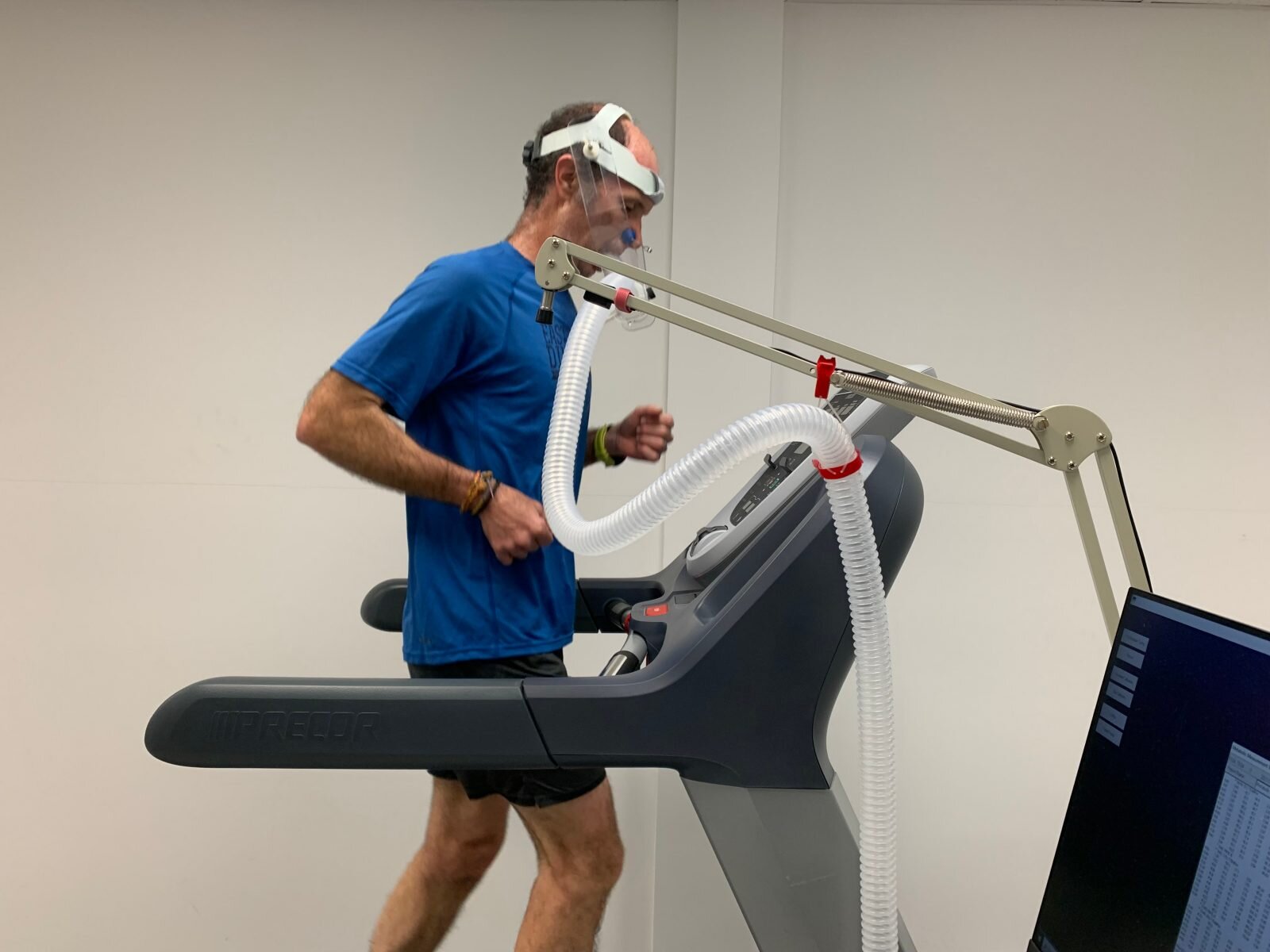
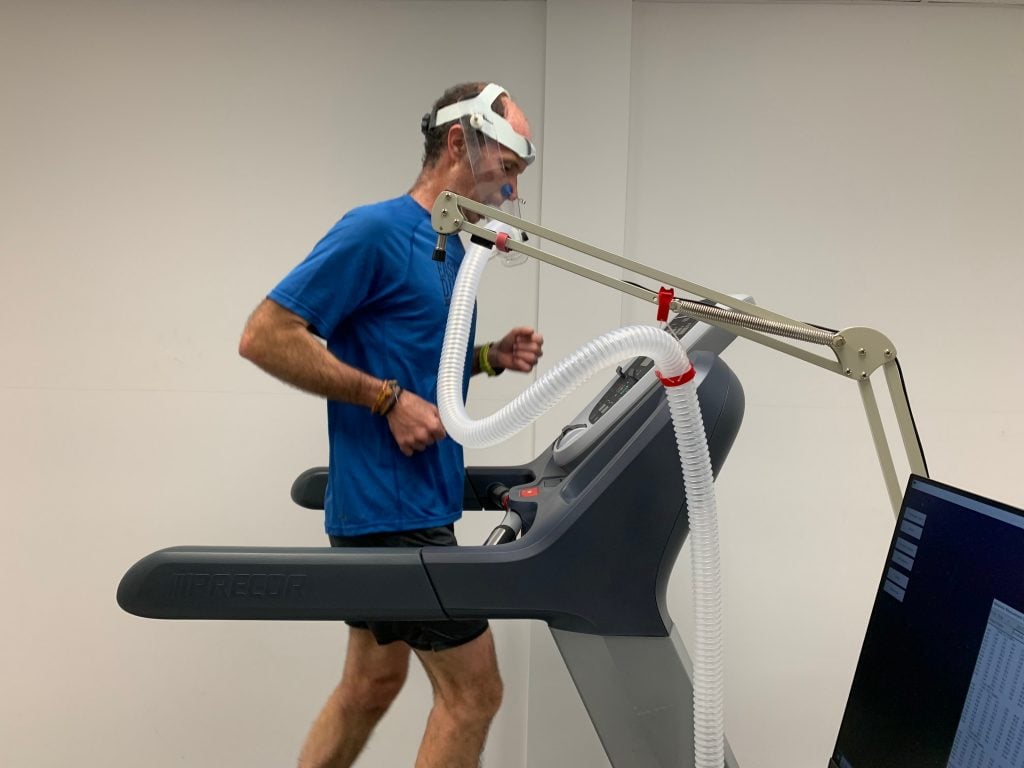
Physical Activity Boosts Daily Energy Expenditure

Originally Published 2 months ago — by Virginia Tech News

Featured image for Physical Activity Boosts Daily Energy Expenditure
Source: Virginia Tech News

A study published in PNAS shows that increased physical activity leads to higher daily calorie burn without the body compensating by reducing energy use elsewhere, supporting the idea that exercise adds to overall energy expenditure rather than redistributing it. The research involved measuring energy use in participants with varying activity levels and found that more active individuals burn more calories overall, with less time spent inactive, although further research is needed to understand potential energy compensation under different conditions.

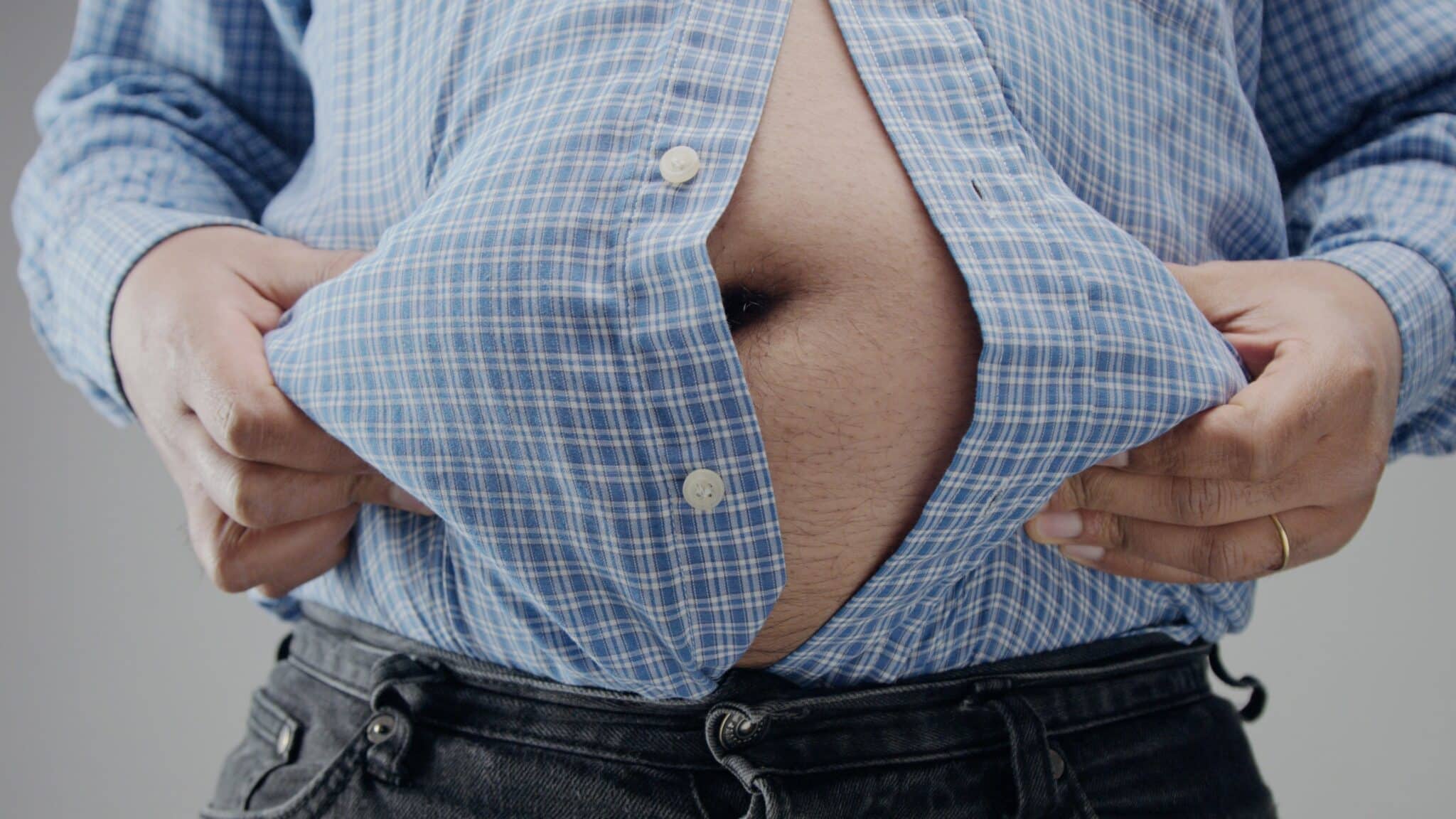
New Study Reveals Diet, Not Exercise, as Main Cause of US Obesity

Originally Published 5 months ago — by Study Finds

Featured image for New Study Reveals Diet, Not Exercise, as Main Cause of US Obesity
Source: Study Finds

A global study shows that obesity in developed countries is driven more by high intake of ultra-processed foods than by reduced physical activity, despite higher calorie burn in these populations, challenging common assumptions about inactivity being the main cause of obesity.

New Study Finds High-Calorie Diet, Not Exercise, as Main Cause of Obesity

Originally Published 6 months ago — by Medical Xpress

Featured image for New Study Finds High-Calorie Diet, Not Exercise, as Main Cause of Obesity
Source: Medical Xpress

A study analyzing diverse populations found that obesity is more strongly linked to high consumption of ultra-processed foods than to lack of exercise, with total energy expenditure only weakly associated with obesity, emphasizing the importance of diet quality in addressing the obesity epidemic.

Octopus Camouflage: A High-Calorie Disguise

Originally Published 1 year ago — by Livescience.com

Featured image for Octopus Camouflage: A High-Calorie Disguise
Source: Livescience.com

New research reveals that octopuses expend significant energy when changing color, comparable to a human's calorie burn during a 30-minute jog. This study, using ruby octopuses, measured oxygen consumption during color changes, highlighting the energetic cost of their sophisticated camouflage system. The findings provide insights into the biological trade-offs octopuses make for survival, as their color-changing ability is more energy-intensive than similar adaptations in other animals like chameleons.

The Unique Energy Evolution of Humans

Originally Published 1 year ago — by Phys.org

Featured image for The Unique Energy Evolution of Humans
Source: Phys.org

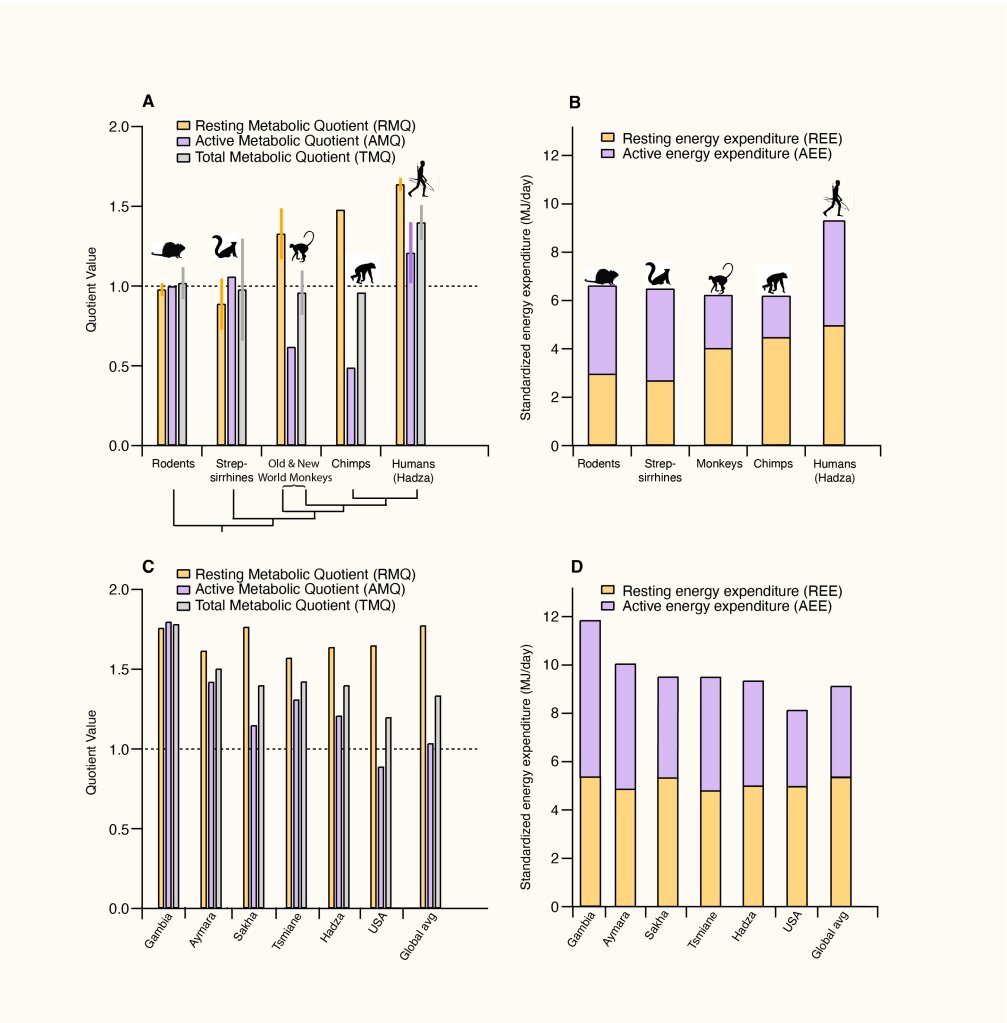
A Harvard study reveals that humans have evolved to possess higher metabolic rates than other mammals, including apes and chimpanzees. This unique metabolic trait, characterized by high resting and active metabolism, allowed early humans to support larger brains, longer lifespans, and increased reproduction. Unlike other primates, humans can maintain high activity levels without compromising resting metabolic rates, partly due to their ability to dissipate heat through sweating. The research challenges previous beliefs about primate metabolism and highlights humans' energetic uniqueness.

Revolutionary Weight Loss Drug Curbs Appetite and Burns Calories Without Side Effects

Originally Published 1 year ago — by EurekAlert

Featured image for Revolutionary Weight Loss Drug Curbs Appetite and Burns Calories Without Side Effects
Source: EurekAlert

Researchers at the University of Copenhagen have identified a new drug target, NK2R, that could revolutionize weight loss treatments by reducing appetite and increasing energy expenditure without causing nausea or muscle loss. This discovery, published in Nature, shows promise for treating obesity and type 2 diabetes, conditions affecting over 380 million people globally. The drug candidate has shown positive results in both mice and non-human primates, potentially leading to more effective and tolerable therapies. The University holds patent rights, and related biotech companies have been established to further develop these treatments.

Pregnancy Requires 50,000 Calories, 10 Times More Energy Than Expected

Originally Published 1 year ago — by CNN

Featured image for Pregnancy Requires 50,000 Calories, 10 Times More Energy Than Expected
Source: CNN

New research reveals that pregnancy requires significantly more energy than previously thought, with the total caloric cost equating to nearly 50,000 calories. This study highlights the substantial metabolic demands of gestation, emphasizing the importance of adequate nutrition and rest for pregnant individuals. Experts recommend increased caloric intake, particularly in the later stages of pregnancy and during breastfeeding, to support both maternal and fetal health.

"Unveiling the Future of Obesity Medicine: Key Insights and Developments"

Originally Published 1 year ago — by Medscape

Featured image for "Unveiling the Future of Obesity Medicine: Key Insights and Developments"
Source: Medscape

The future of obesity medicine holds significant changes, including a shift towards prioritizing dietary quality, a focus on fat loss instead of weight loss in antiobesity medications, efforts to increase energy expenditure, the development of less frequent administration options, and the need to address barriers to access such as medication costs and lack of obesity medicine providers. Policymakers are also aiming to reform the sick-care system to improve access to obesity treatments.

"RalA Activation: Unraveling Obesity's Impact on Mitochondrial Function"

Originally Published 1 year ago — by Nature.com

Featured image for "RalA Activation: Unraveling Obesity's Impact on Mitochondrial Function"
Source: Nature.com

Obesity leads to mitochondrial dysfunction in white adipocytes due to increased RalA activity, contributing to metabolic abnormalities. Deletion of RalA in white adipocytes attenuates high-fat-diet-induced obesity, increases energy expenditure, and improves glucose homeostasis in mice. RalA deletion also reduces hepatic steatosis and damage, while increasing mitochondrial oxidative phosphorylation in white adipose tissue.

Uncovering the Hormonal Pathway to Boost Muscle Energy Burn and Weight Loss

Originally Published 2 years ago — by Nature.com

Featured image for Uncovering the Hormonal Pathway to Boost Muscle Energy Burn and Weight Loss
Source: Nature.com

A hormone called GDF15 has been found to play a role in maintaining weight loss during dieting by promoting energy expenditure in muscle. This hormone activates pathways that affect calcium levels in skeletal muscle, leading to increased energy burn. This discovery could potentially help address the issue of metabolic slowdown that often occurs with long-term calorie restriction.