Scientists have identified the first gene, GRIN2A, that can directly cause mental illness on its own, with certain variants linked to early-onset psychiatric symptoms and potential treatment options like L-serine to improve symptoms.
Scientists have discovered a gene called Booster in poplar trees that significantly enhances photosynthesis and growth, increasing tree height by up to 200% in controlled environments and 30% in the field. This gene, which contains DNA from associated organisms and the Rubisco protein, could potentially boost yields in other crops like Arabidopsis, supporting increased agricultural and bioenergy production without additional resources. The discovery, made by researchers from the Department of Energy's Bioenergy Research Centers, could have wide-ranging implications for sustainable bioenergy and food production.
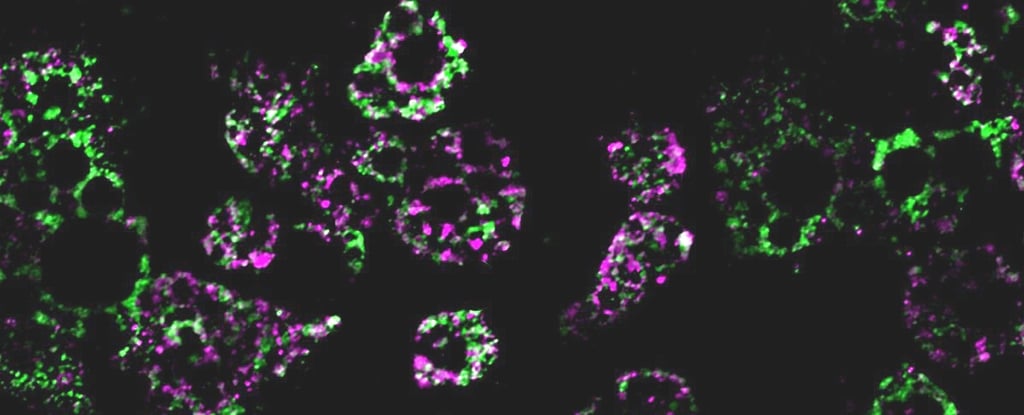
A new study reveals how obesity affects mitochondria in mice, causing them to fragment into smaller pieces, reducing their capacity for burning fat. Researchers found that this process is governed by a single gene, and when they deleted it from test subjects, the mice avoided excess weight gain even when fed a high-fat diet. The study suggests that chronic activation of this gene may suppress energy expenditure in obese adipose tissue, potentially leading to targeted therapies for addressing weight gain and associated metabolic dysfunctions. While the study was conducted on mice, the findings may have relevance to humans, offering potential insights into treating or preventing obesity by targeting the identified gene pathway.
A recent study from the University of California San Diego School of Medicine revealed that a high-fat diet causes mitochondrial fragmentation in fat cells, reducing their ability to burn fat, and this process is controlled by a single gene associated with the molecule RaIA. By deleting this gene, researchers protected mice from weight gain despite consuming the same high-fat diet, offering new insights into the metabolic dysfunctions in obesity and potential targeted therapies. The findings suggest a new therapeutic target for obesity treatment in humans and shed light on the complex metabolism of the disease.
Researchers have identified a gene called TMTC4 that is linked to hearing loss, as mutations in this gene trigger a molecular process known as the unfolded protein response (UPR), leading to the death of hair cells in the inner ear. This discovery opens the door to potential drug interventions to prevent hearing loss and sheds light on targeting UPR in other nerve cell-related diseases like Alzheimer’s. The study also found that UPR activation is responsible for hearing loss due to loud noise exposure and certain medications, providing new opportunities for averting hearing loss.
A gene called KDM5A, previously linked to autism spectrum disorder (ASD), appears to play a crucial role in determining cell identity in the hippocampus, according to a study by researchers at UT Southwestern Medical Center. Using a mouse model, the researchers found that the loss of KDM5A led to distinct differences in subtypes of excitatory and inhibitory neurons in the hippocampus, suggesting its importance in cell development. The findings provide a mechanistic understanding of ASD and could potentially lead to new therapies for the disorder.
Researchers at the University of California, Davis have identified a gene associated with longevity in Golden Retrievers, one of the most popular dog breeds. The gene, HER4, is part of a family of proteins known to be important in human cancers. Dogs with specific variants of the gene were found to live nearly two years longer on average. This discovery could have implications for understanding cancer in both dogs and humans. Further research is needed to confirm and explore the impact of this genetic variant on gene expression and function.
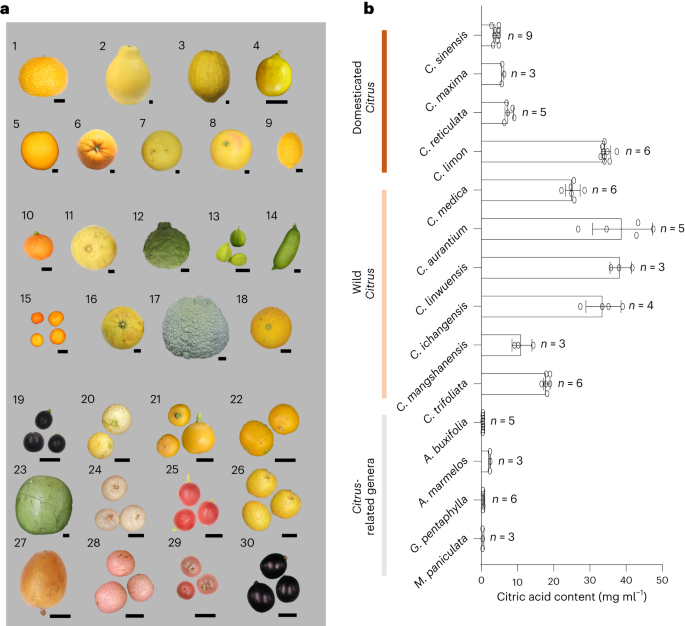
Pangenome analysis of the orange subfamily provides insights into the evolution of citrus fruits. Researchers have identified a key gene, CrMYB73, that contributes to citric acid accumulation in citrus fruits. The study also highlights the availability of genome assemblies and annotations for various citrus species, facilitating further research in this field.
A study conducted in Bergamo, Italy, has found that genes inherited from Neanderthals are associated with an increased risk of severe COVID-19, including intense pneumonia and hospitalization in intensive-care units. The study sheds light on Italy's worst pandemic hotspot, where the people of Bergamo experienced the world's highest casualties due to COVID-19.
Scientists from the Universities of Bristol and Exeter have identified a gene in the brain that drives anxiety symptoms and demonstrated that modifying this gene can significantly reduce anxiety levels, presenting a potential new target for anxiety treatment. The gene, regulated by a molecule called miR483-5p, suppresses the expression of the Pgap2 gene, which controls stress-induced changes in the brain, and enhancing this pathway could lead to more potent and effective treatments for anxiety disorders.
Scientists have discovered an "anxiety gene" in the brains of mice and a natural way to turn it off using microRNA. The gene suppression provided stress relief and reduced anxiety-related behavior. Anxiety disorders are the most common type of mental illness in the world, and medications can relieve symptoms, but finding the right drug or combination of drugs can be a time-consuming process of trial and error. The discovery of this anxiety gene and a natural way to put the brakes on it could serve as a blueprint for treatments to help people with anxiety disorders.
A genome study by researchers at Yale and the Broad Institute of MIT and Harvard has found that deletions in the human genome compared to other primates have played a significant role in human evolution. While previous studies have focused on additions and insertions, this study highlights the importance of deletions in shaping the human genome.
Researchers have identified a gene called Pgap2 that could be driving anxiety symptoms and a molecule called miR483-5p that suppresses it, potentially opening up a new avenue for anti-anxiety medications. The team found that miR483-5p/Pgap2 pathway could be directly involved in anxiety symptoms and offers a huge potential for the development of anti-anxiety therapies for complex psychiatric conditions in humans. Anxiety disorders are a set of complex conditions involving interactions between genetics and the environment, with trauma playing a critical role in their onset in many cases.
Scientists at the Universities of Bristol and Exeter have discovered a gene in the brain that regulates anxiety symptoms. The researchers found that modifying the expression of this gene can reduce anxiety levels, which could open up a new avenue for drug development. The discovery of this novel amygdala miR483-5p/Pgap2 pathway is an exciting development in the search for more effective treatments for anxiety disorders.
Scientists have identified a gene in the brain responsible for anxiety symptoms and found that modifying the gene can reduce anxiety levels, offering a novel drug target for anxiety disorders. The discovery highlights a new amygdala miR483-5p/Pgap2 pathway that regulates the brain’s response to stress and provides a potential therapeutic approach for anxiety disorders. Anxiety disorders are common with one in four people diagnosed with a disorder at least once in their lifetime.