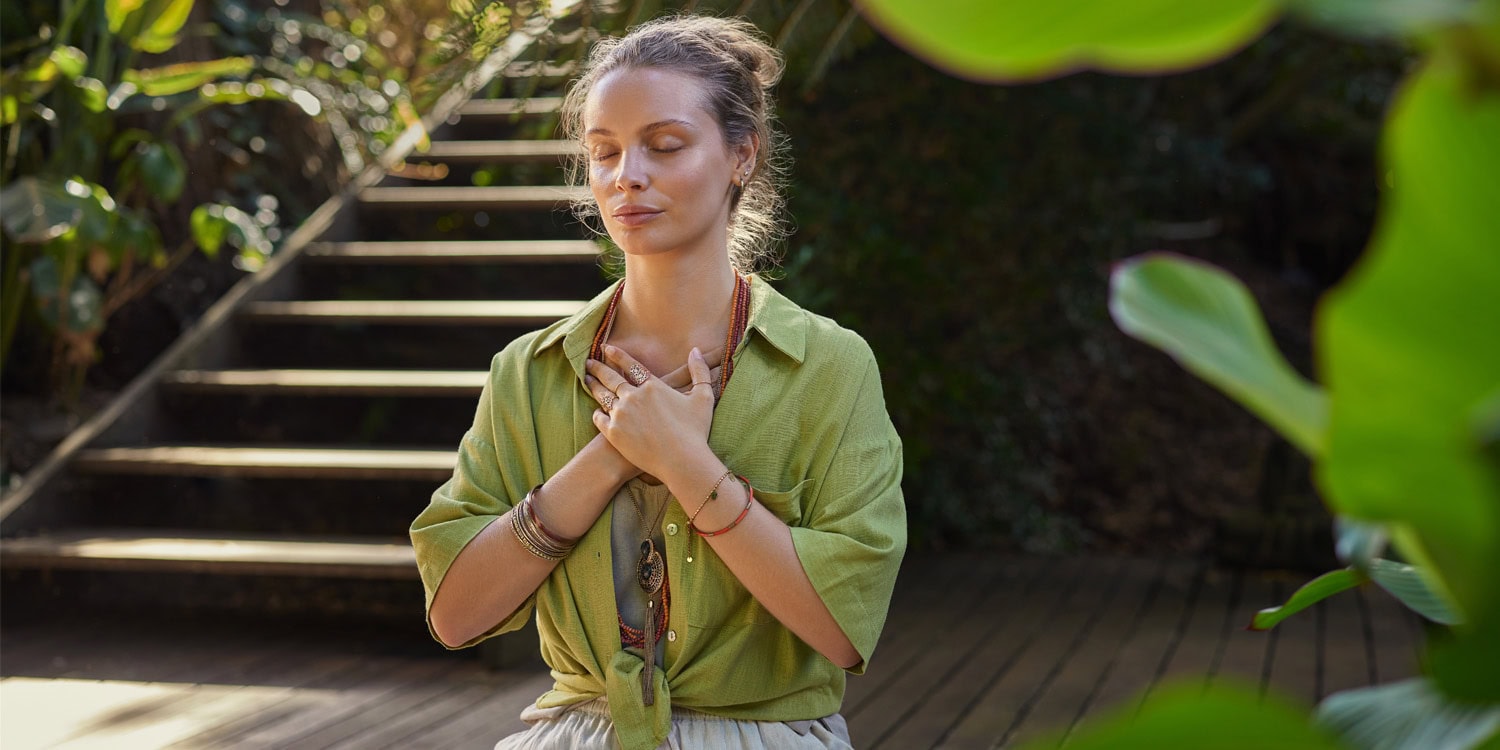
A 7-day immersive retreat combining meditation, reconceptualization, and open-label placebo techniques led to measurable changes in brain activity and blood markers, suggesting rapid and profound effects of mental practices on physical health, neuroplasticity, and molecular pathways.
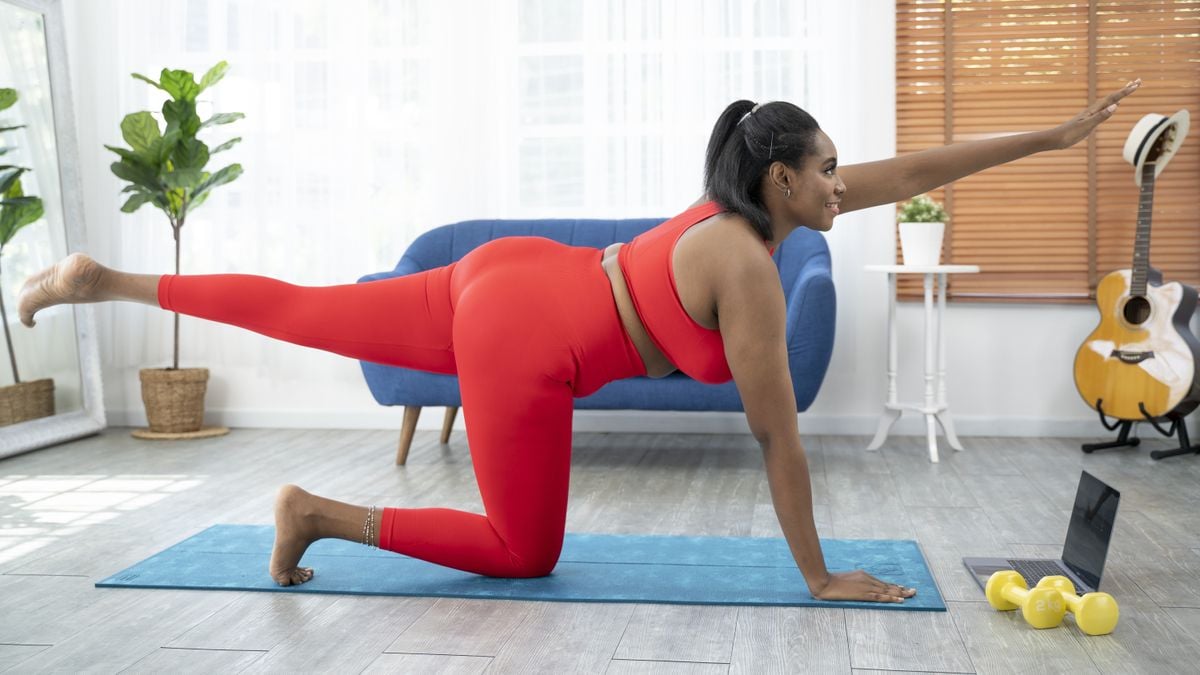
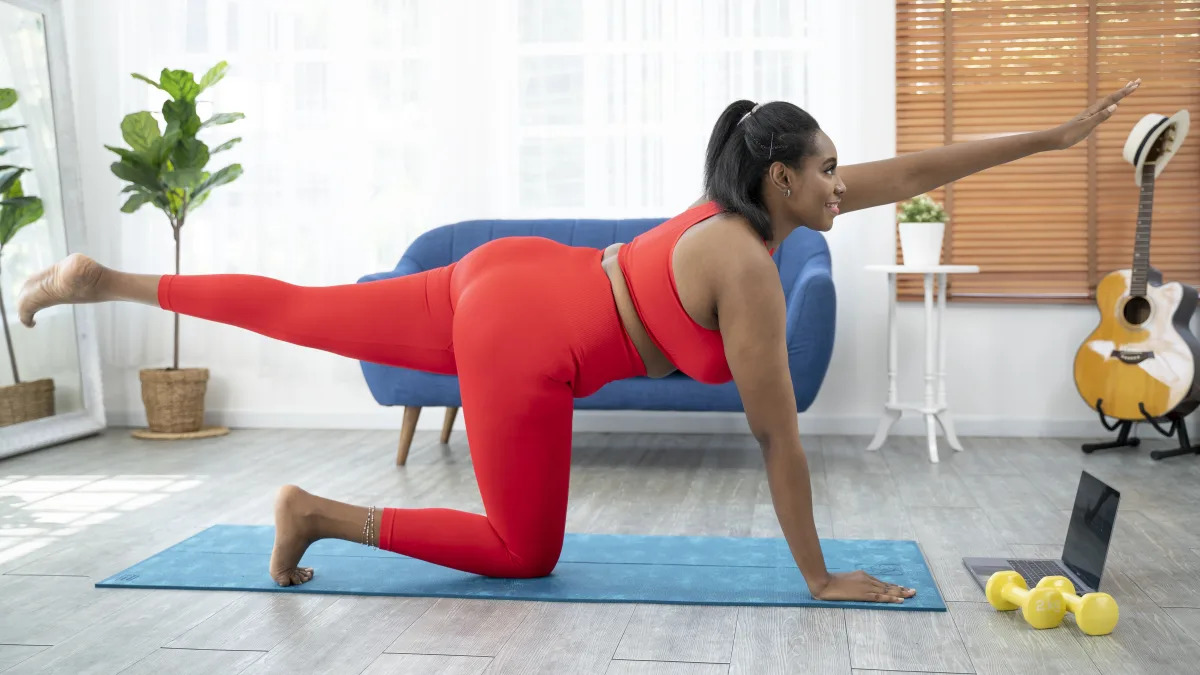
Yoga and Pilates are both beneficial movement practices with distinct differences: yoga emphasizes spiritual connection and full-body movements, while Pilates focuses on core strength, precise alignment, and safety for hypermobile individuals. Incorporating both can provide a balanced approach to fitness and well-being.
Nicole Sachs, a social worker, overcame lifelong chronic back pain by recognizing the link between repressed emotional trauma and physical pain, using techniques like mind-body science, psychotherapy, and her journaling method JournalSpeak to rewire her nervous system and heal without surgery.
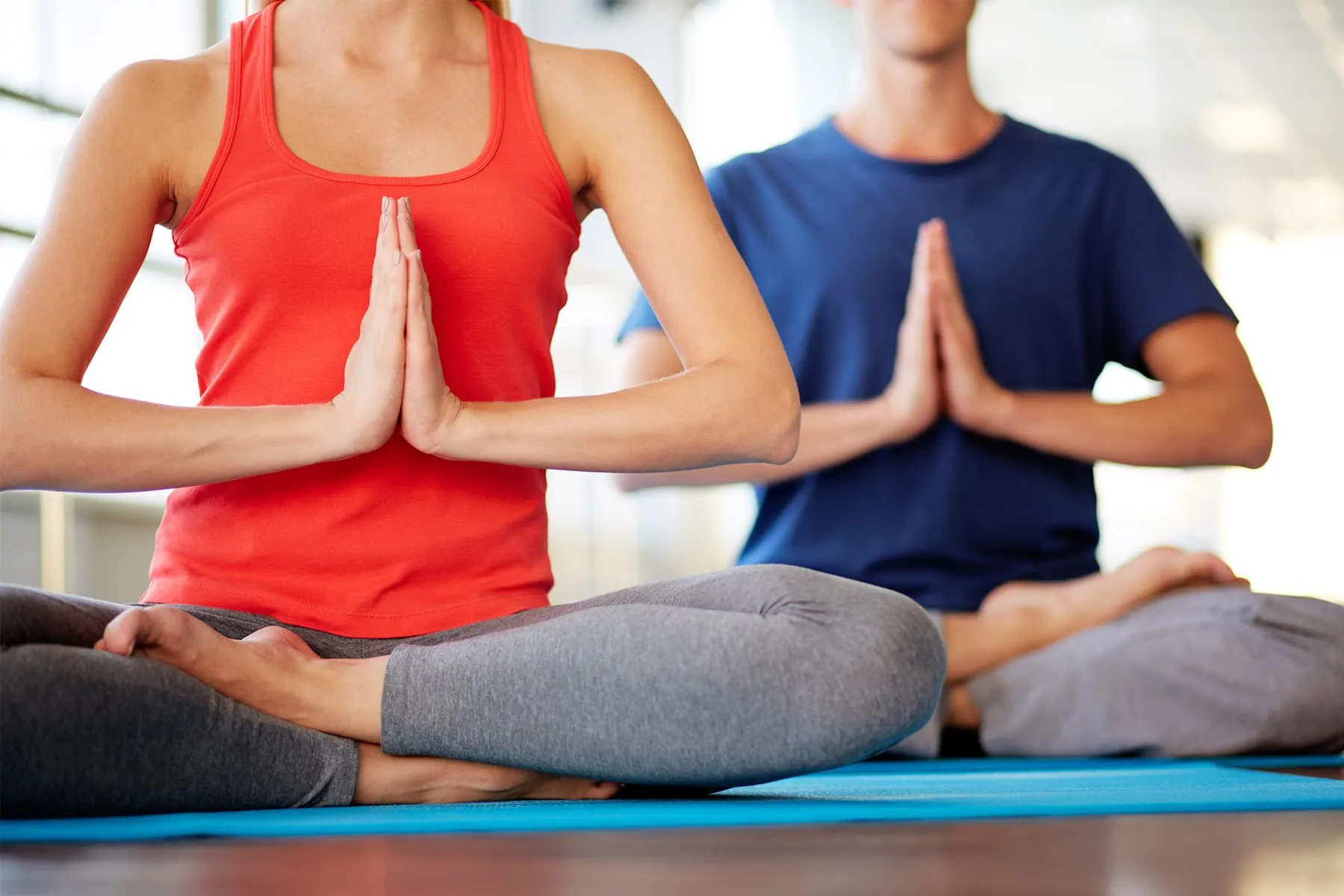
Recent research has linked yoga to a wide range of health benefits, including improved brain function, stress reduction, mood enhancement, and protection against various health conditions such as heart disease, diabetes, and depression. Yoga's unique combination of movement, breathing, and meditation activates many regions of the brain, leading to improved connectivity and reduced stress. The practice's stress-relieving effects may also explain its physical benefits, such as lower blood pressure, improved lung capacity, and reduced pain. Consistent yoga practice, embracing the mind-body aspect, and exploring different types of yoga can help maximize its benefits.
A Harvard psychology study reveals a surprising link between time perception and wound healing, showing that wounds heal faster when people believe more time has passed. The study involved manipulating participants' sense of time during a cupping procedure and found that those who believed more time had passed showed faster healing rates. The findings suggest that psychological constructs, such as the perception of time, can directly influence physical health outcomes, highlighting the importance of understanding and questioning implicit beliefs.
Warren Buffett shares a fable about a genie offering him a car that would last a lifetime, emphasizing the importance of taking care of our mind and body, which are our most crucial assets. He urges readers to prioritize self-care, emotional well-being, and commit to continuous self-improvement. Buffett's message highlights the long-term impact of today's choices on our mental and physical health.
This 30-minute Pilates workout is a low-impact alternative to high-intensity workouts, focusing on improving core strength, functional strength, and posture. Led by certified instructor Nicole McPherson, the routine includes core strengthening exercises and moves to develop total body strength. The controlled pace and mind-muscle connection help improve awareness and mental strength. Beginners may experience muscle soreness, which can be aided by protein powders for muscle repair.
This 30-minute Pilates workout, led by certified instructor Nicole McPherson, offers a low-impact alternative to high-intensity workouts. The routine focuses on core strengthening exercises and functional strength movements, promoting improved posture and balance. By emphasizing controlled movements and mind-muscle connection, Pilates helps develop mental strength and resilience. No equipment is needed, making it accessible for home workouts. A post-workout protein source, such as protein powders, can aid in muscle repair and recovery.
Regular physical activity, such as cardio and strength training, can have numerous benefits for mental health. Exercise can change the brain by enhancing neuroplasticity and improving brain function, making individuals better equipped to handle setbacks and adapt. It can boost mood by increasing the release of feel-good hormones like endorphins, serotonin, and dopamine. Exercise also helps with emotion regulation by teaching individuals how to tolerate distress and uncomfortable sensations in a controlled way. It strengthens the mind-body connection, stimulates the vagus nerve, and increases heart rate variability, which can protect against mental health issues. Additionally, exercise can improve body image and overall well-being.
Bodywork therapy, such as massage, reiki, and acupuncture, can help release stored emotional and energetic blockages in the body, promoting healing and overall well-being. By addressing the mind-body connection and treating the whole body as a unit, bodywork therapy allows for the release of repressed emotions and patterns that hinder personal growth. Incorporating regular bodywork sessions alongside traditional medical treatments can lead to optimal health and a balanced mind, body, and spirit.
Exercising while fasting can have benefits such as fat burning, improved insulin sensitivity, and increased focus. However, it's important to avoid intensive workouts and choose milder, low-intensity exercises like yoga or stretching. Maintaining energy levels and eating a balanced, nutritious diet before exercising are crucial. Prioritizing cardio activities over weightlifting during fasting periods may also be beneficial.
A study published in Frontiers in Sports and Active Living suggests that individuals with higher levels of mindfulness are more motivated to exercise and experience less psychological distress during physical activity. The research found that mindful individuals are driven by internal factors such as personal goals and well-being, rather than external factors like social recognition or appearance. Additionally, mindfulness was associated with a decreased likelihood of exercise addiction symptoms. The findings suggest that cultivating mindfulness may help individuals develop a positive and sustainable relationship with exercise, and mindfulness interventions could be useful in promoting exercise motivation and reducing barriers to physical activity.
Energizing yoga poses can help wake you up and provide a movement-based alternative to caffeine. These poses focus on stretching and lengthening the body, particularly the spine, while enhancing blood flow and revitalizing the mind. Some energizing poses include Sun Salutations, Camel, Warrior II, Crescent Lunge, Upward Dog, Cat-Cow, Chair, Butterfly, and Wheel. Practicing these poses can increase circulation, improve focus, and provide a sense of power and stability throughout the day.
Progressive muscle relaxation is a powerful mind-body relaxation technique that can help relieve stress and anxiety by systematically tensing and relaxing muscles. It has been shown to be effective in numerous studies, including for Covid-19 patients and burn victims. PMR is also widely used by elite athletes to enhance body awareness. The technique is accessible for anyone, including kids, and can be easily done at home. Follow the instructions provided for best results.
Jennifer Aniston has announced an official partnership with Pvolve, a functional fitness company that uses resistance-based equipment and ballerina-friendly movements to target muscles that are "usually asleep." Aniston's attitude toward fitness has evolved over the years, and she now prefers sustainable movement that enhances the mind-body connection. She also speaks out against the backhanded compliment "you look great for your age" and emphasizes the importance of taking the pressure off ourselves and being our own best friend.