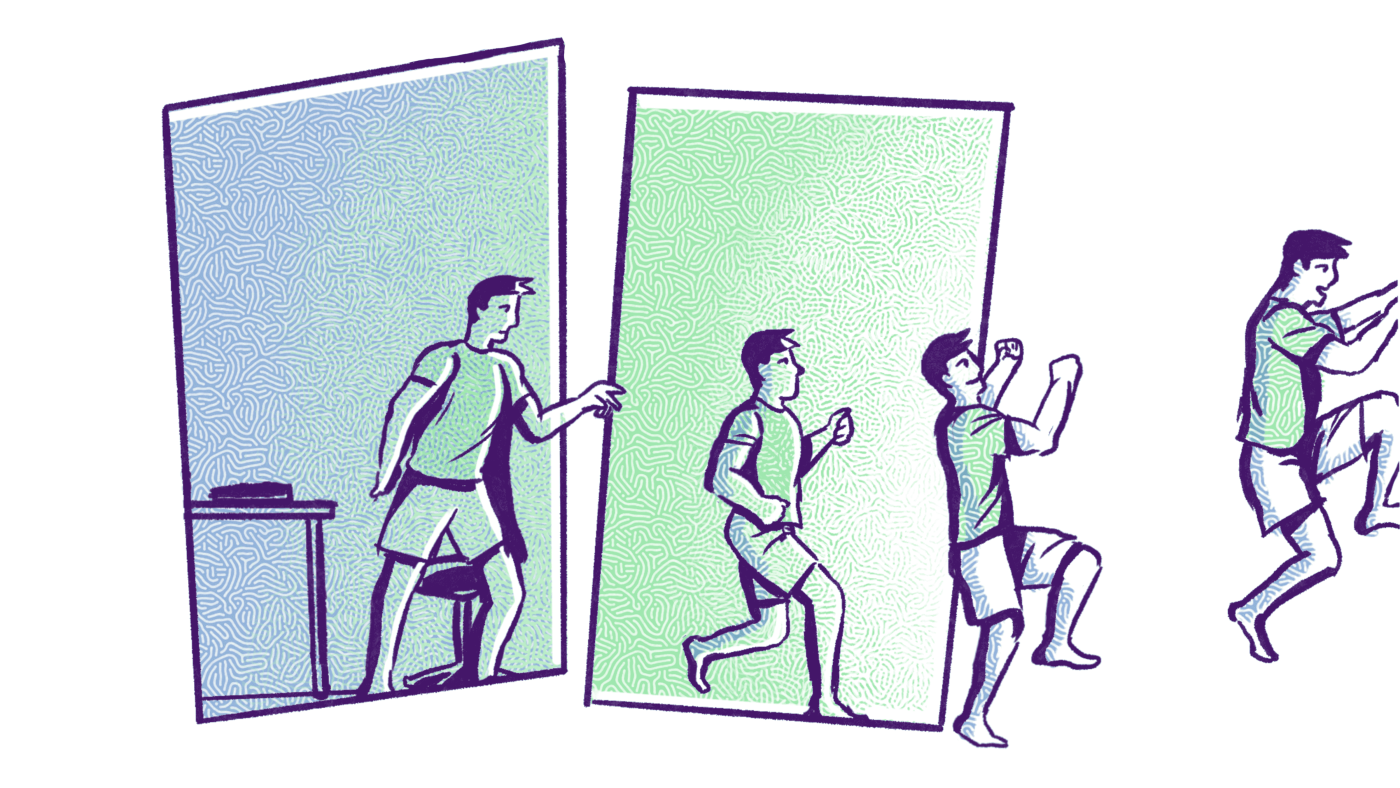
Laurie Clarke experimented with targeted activities over six weeks to modify her personality traits based on recent psychological research, resulting in measurable improvements in neuroticism, extraversion, and agreeableness, demonstrating that personality can be somewhat malleable through conscious effort.

A study shows that swearing can enhance physical performance by helping individuals break psychological barriers, increase confidence, and improve focus during exercise, suggesting that using profanity might be a simple, cost-free way to boost workout effectiveness.
The article highlights eight often unnoticed sacrifices men make daily, such as suppressing emotions, carrying the mental load, staying in unfulfilling jobs, accepting minimized struggles, being the calm in crises, downplaying health issues, accepting loneliness, and postponing personal dreams, all driven by societal expectations of masculinity, which often leads to emotional and physical tolls that remain invisible and unacknowledged.
Certain hobbies such as reading, playing musical instruments, writing, learning languages, strategy games, and coding are linked to higher IQs because they engage and develop various cognitive skills, reflecting higher natural intelligence rather than causing it.
A study found that childhood experiences influence adult grit through emotional regulation, with positive experiences enhancing resilience and negative ones hindering it, highlighting the importance of emotional skills development for fostering perseverance.
Research shows that many psychological traits and overall mental functioning peak between ages 55 and 60, challenging the notion that cognitive decline begins early and highlighting the value of midlife in leadership and problem-solving roles.
The article discusses eight signs of aging well, emphasizing that psychological factors like curiosity, stress management, strong relationships, humor, adaptability, and a sense of purpose are key indicators of thriving as we age, rather than external appearances or superficial measures.
The article outlines seven psychology-backed habits for people without a romantic partner to build emotional steadiness and resilience, including diversifying social support, regulating mood through movement and sleep, practicing self-compassion, expressive writing, reappraisal of emotions, seeking help proactively, and anchoring life in purpose and contribution. These habits help create a supportive, balanced life and foster inner strength over time.
Research shows that nearly two-thirds of daily actions are driven by habit rather than conscious choice, with many habits aligning with personal goals, highlighting the importance of habit formation and disruption strategies for healthier lifestyles.
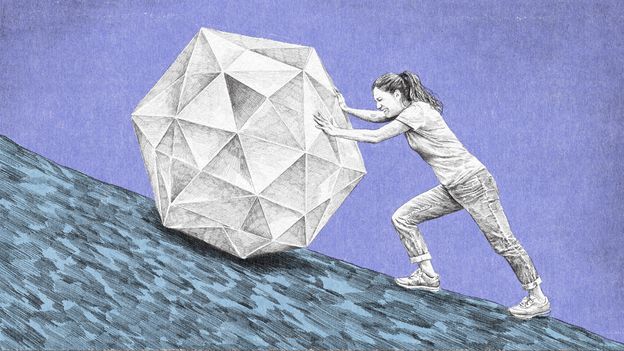
The article discusses when it's appropriate to quit a goal, emphasizing that quitting isn't always negative and can lead to better opportunities, with insights from psychologists and experts on recognizing the right time to walk away.
People who eat dinner after 9 p.m. often do so due to their biological and social rhythms, not laziness, with traits like being night-owls, prioritizing deep work and social connections, and adapting to cultural norms. Recognizing these patterns can lead to more compassionate and effective approaches to late-night eating, emphasizing alignment with one's natural clock and environment.
The article explores the decline in attention spans, highlighting different types of attention such as visual scanning and sustained attention, and how motivation influences focus. It discusses the implications for sports, education, and first impressions, emphasizing that attention is multifaceted and can be improved by making tasks more engaging and motivating.
People who prefer sleeping under blankets in summer may have personality traits linked to seeking comfort and relaxation, as the sensation of being cocooned activates the body's relaxation response and can reduce anxiety and improve sleep quality, though individual preferences vary.
The article explores why accepting compliments can be difficult for many people, highlighting how reactions to praise reflect self-esteem and impact social interactions, and emphasizes the importance of accepting kind remarks to foster positive relationships.
Talking to pets as if they understand us reveals seven emotional strengths, including increased empathy, better stress management, enhanced creativity, nurturing attachment, self-compassion, social connection, and mindfulness, all supported by psychological research.