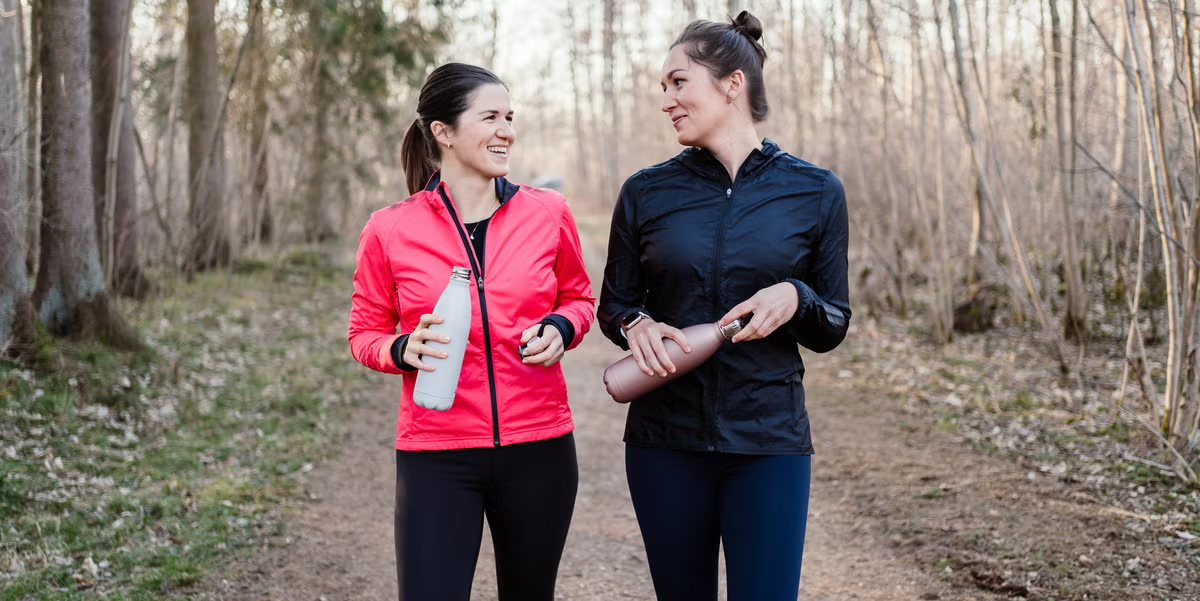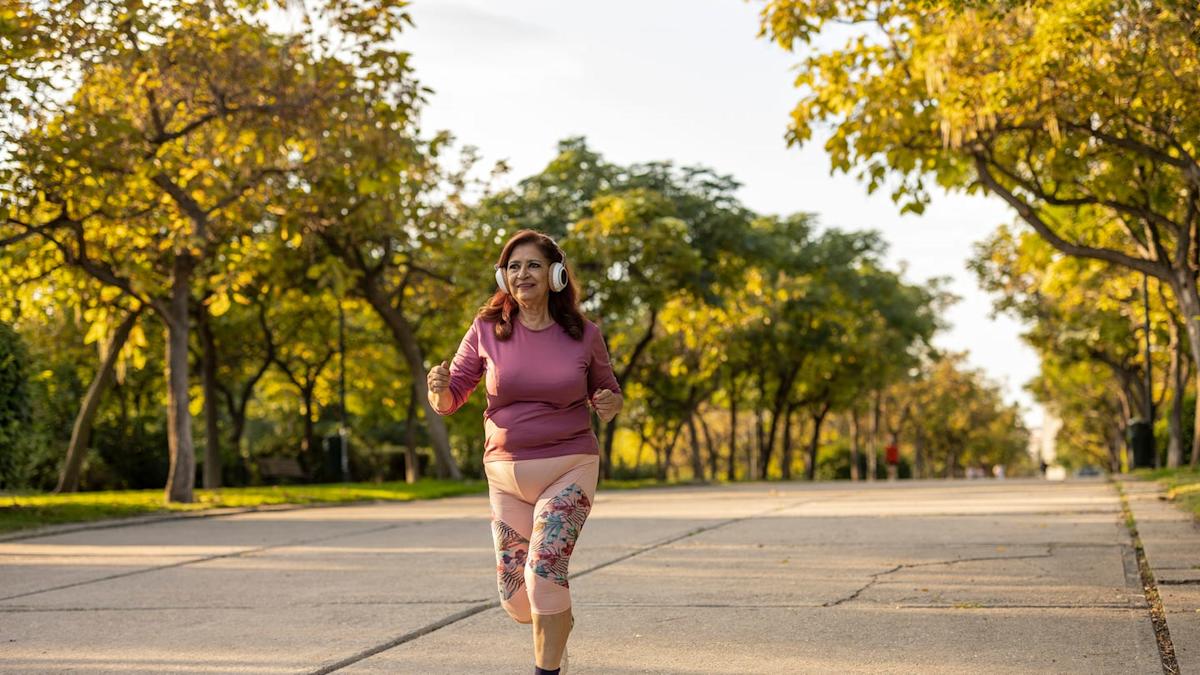
Experts recommend women over 50 incorporate regular aerobic exercise, such as walking or dancing, to improve heart health, manage body composition, and increase longevity, with a minimum of 150 minutes per week and more for greater benefits, always consulting a doctor before starting.
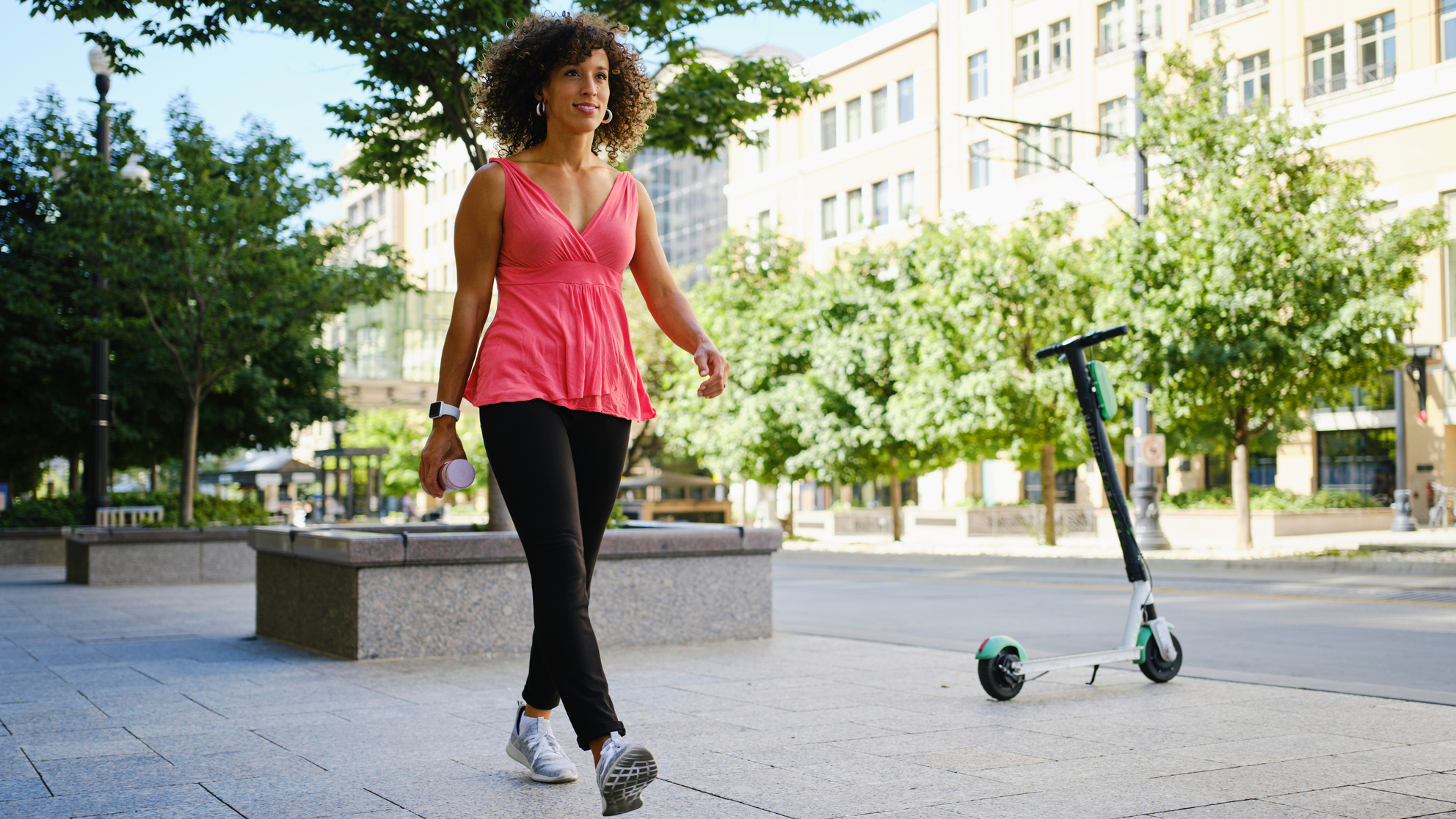
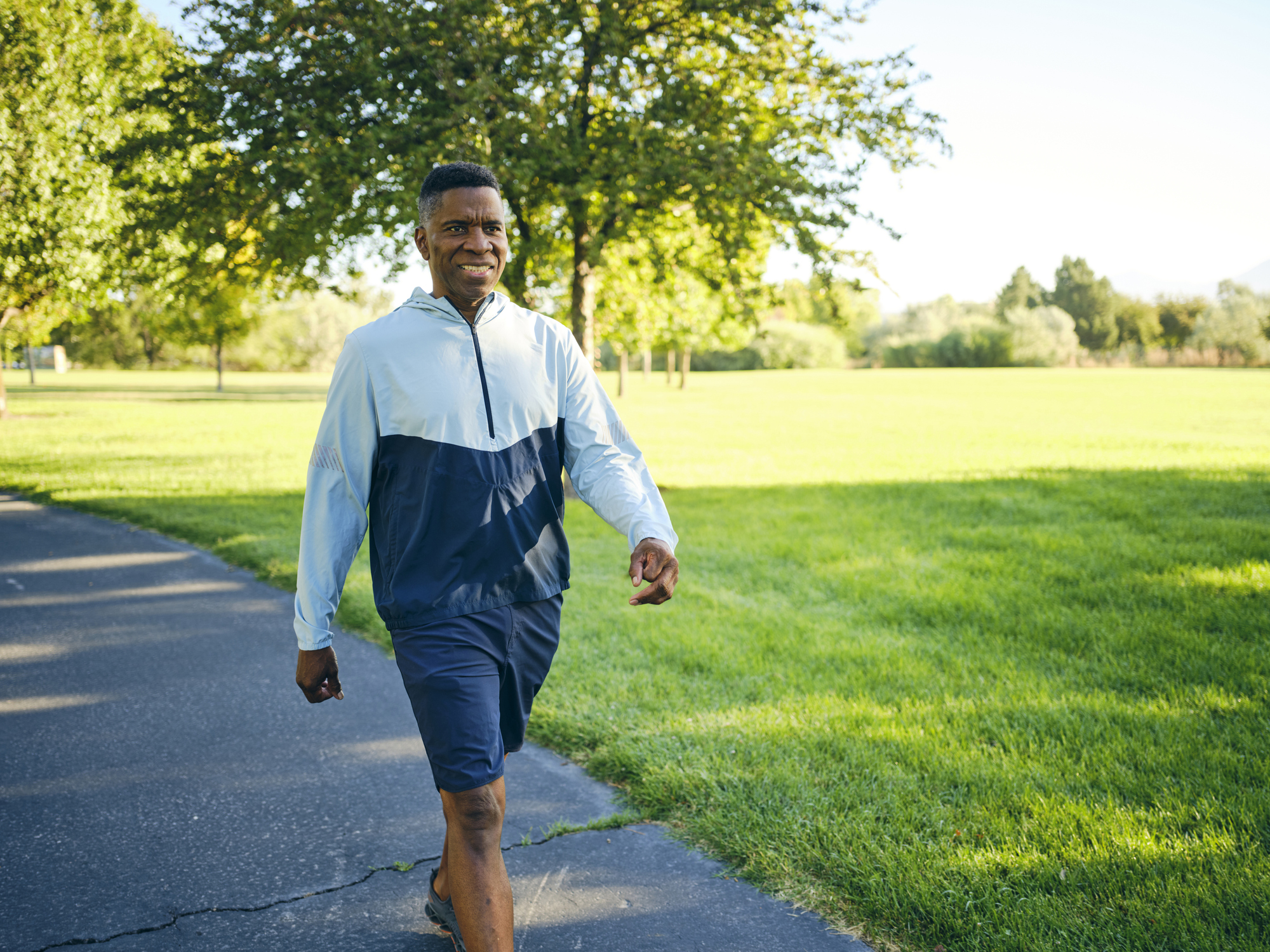
A study shows that walking longer at a steady pace for at least 10-15 minutes provides significant heart health benefits, even if total step count is low. Short, continuous walks are more effective than multiple brief strolls, and incorporating brisk or incline walking can further enhance health outcomes. Consistency and making walking a habit are key.
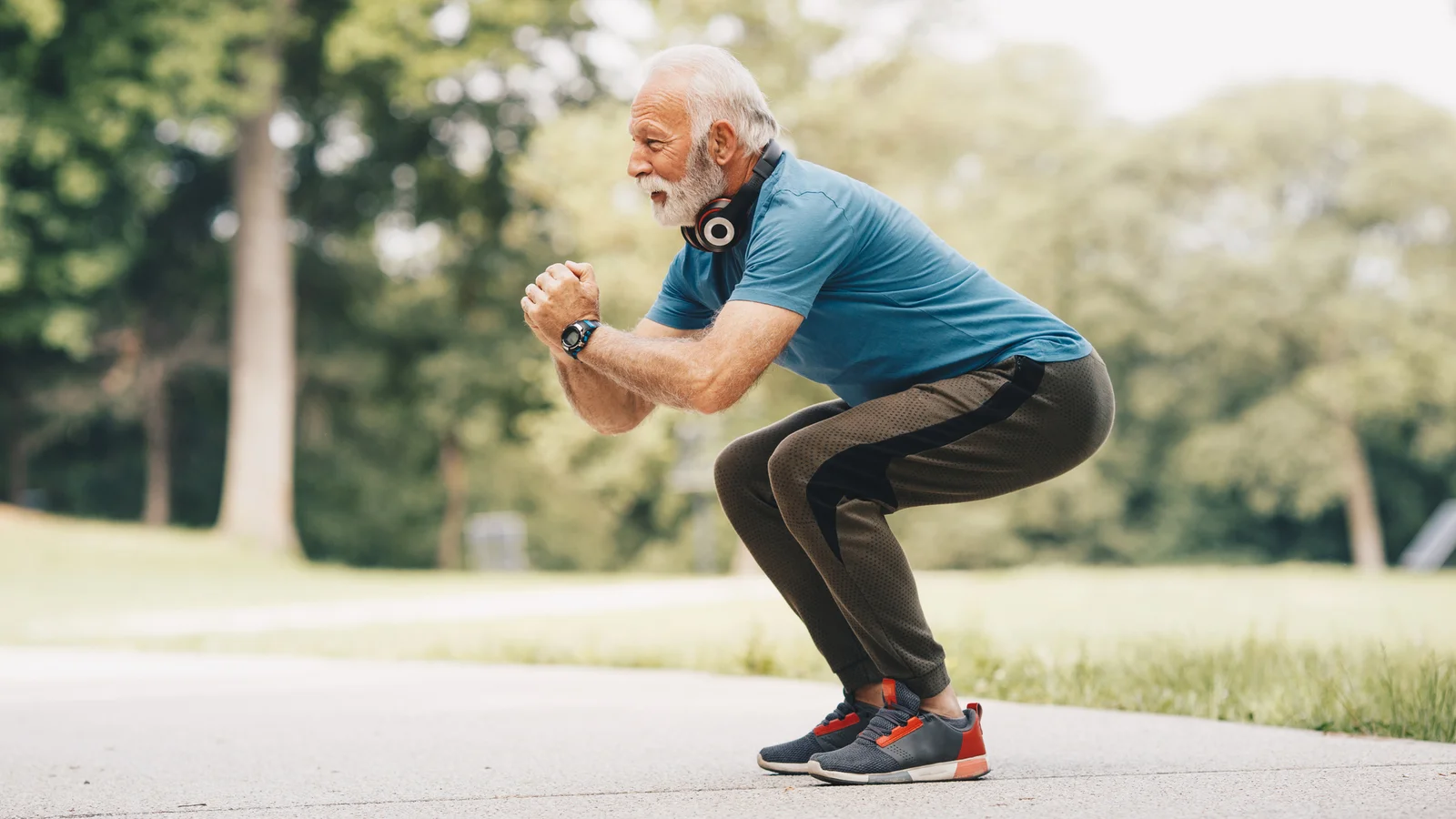
Peloton trainer Ben Alldis emphasizes the importance of mastering three key lower-body exercises—squats, lunges, and deadlifts—for building strength, improving mobility, and supporting healthy aging. These moves target large muscle groups, boost cardiovascular health, and enhance functional movements essential for older adults. Proper technique and gradual weight increase are crucial to avoid injury.
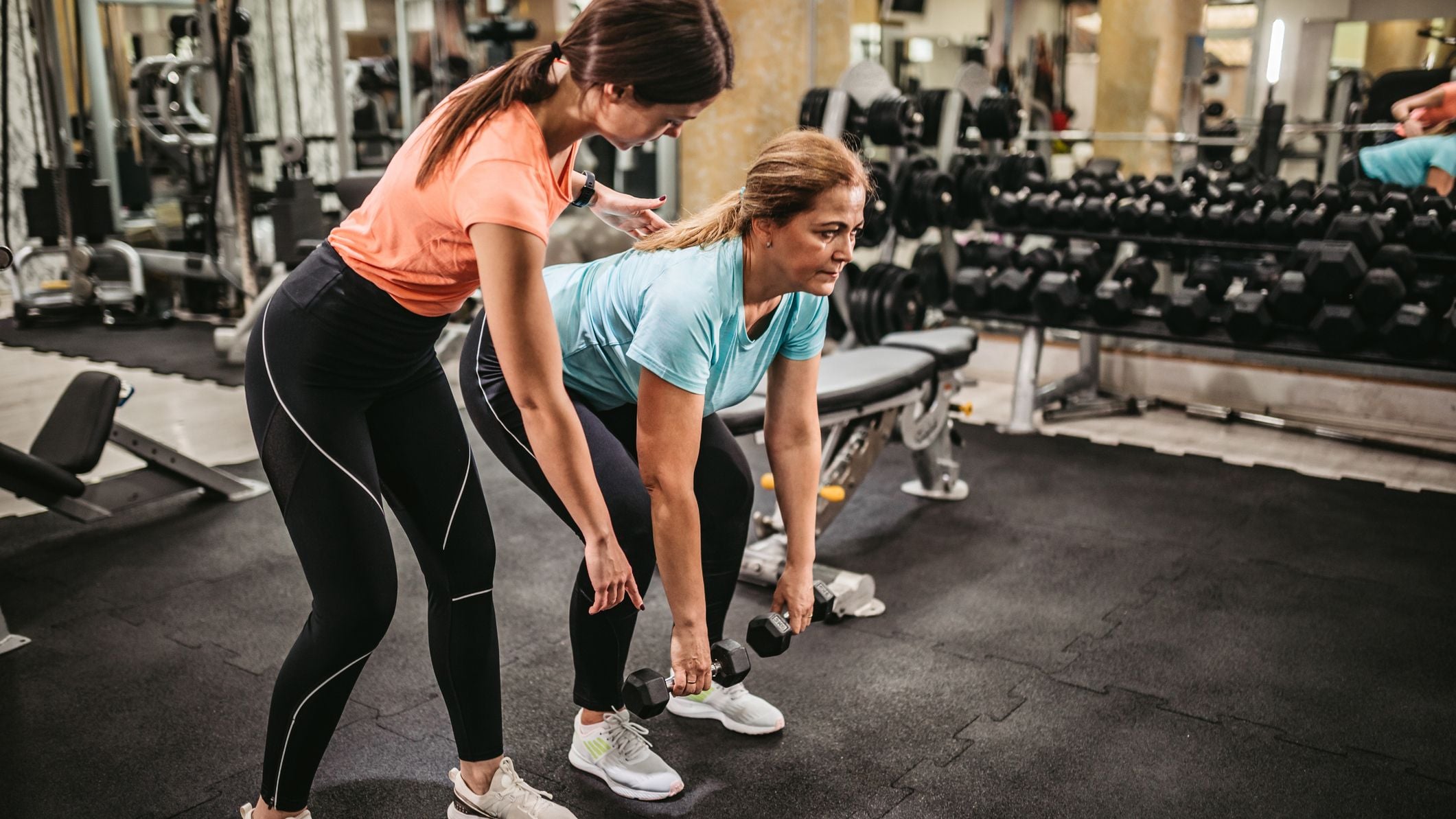
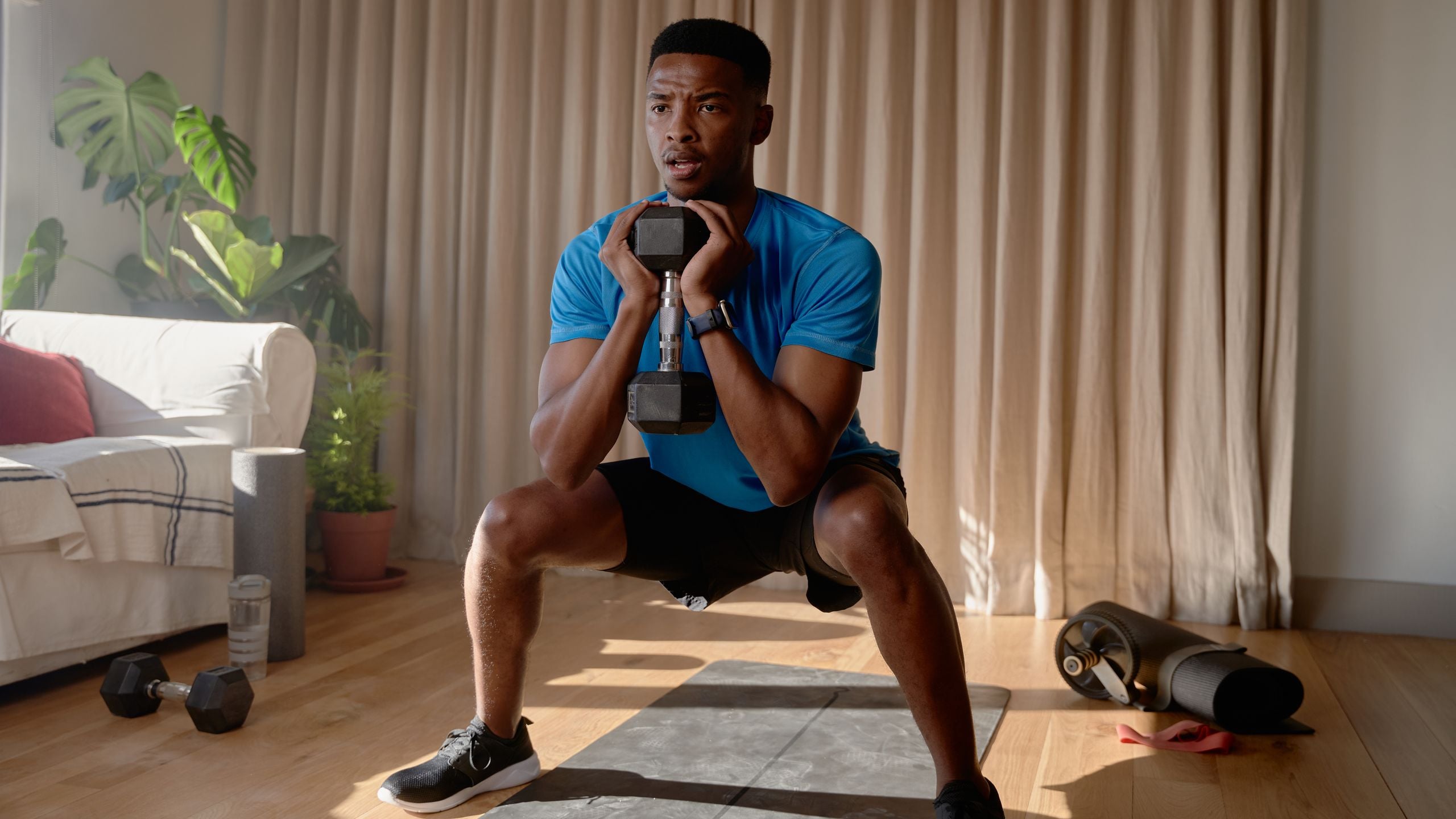
A personal trainer recommends five effective dumbbell exercises—goblet squat, bent-over row, chest press, Romanian deadlift, and overhead press—that can be done at home with minimal equipment to build strength, protect joints, and improve overall fitness.
Warming up before a walking workout is recommended to promote proper movement and prevent injuries, even though walking is low intensity. Expert Solomon Lewis suggests three warm-up exercises—bodyweight squat, split squat, and lateral toe touch—and provides a 30-minute walking plan that includes varying intensities to enhance fitness and weight loss. Starting with manageable durations and incorporating small bouts of walking can help beginners and those deconditioned gradually improve their activity levels.
A person shares their experience of doing a 21-minute walking workout daily for a week, finding it a manageable, effective, and energizing way to support cardiovascular health during a busy schedule, highlighting the benefits of short, structured intervals and the importance of taking breaks for physical activity.
A fitness trainer recommends a structured 15-minute walking workout that includes warm-up, intervals of brisk and power walking, and cool-down, emphasizing the physical and mental health benefits of walking, especially outdoors, for beginners and those returning to exercise.
The article offers ten practical fitness tips tailored for people who dislike mornings, helping them incorporate exercise into their daily routine more easily.
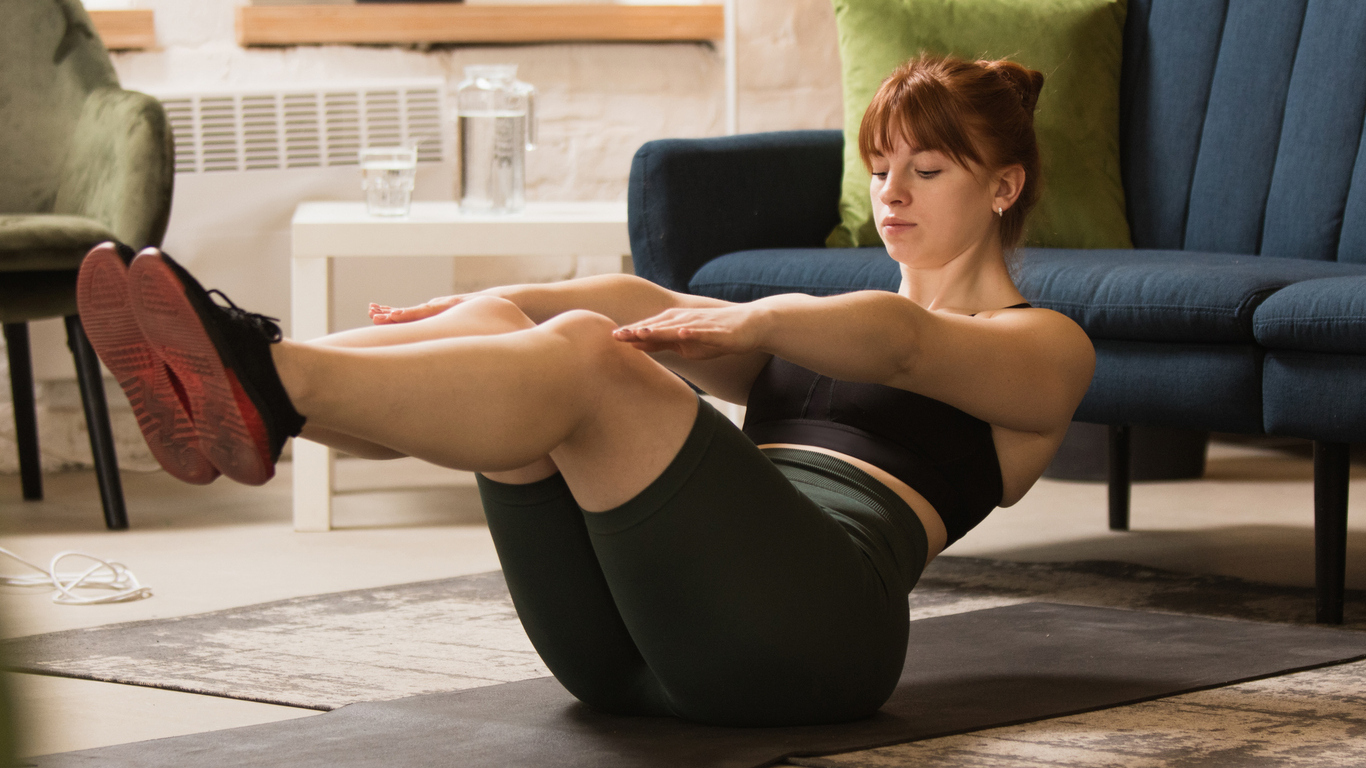
Yoga offers effective, beginner-friendly poses like plank, boat, and dead bug to strengthen the core, activating deep stabilizing muscles and improving posture, back health, and athletic performance, with modifications for different skill levels.
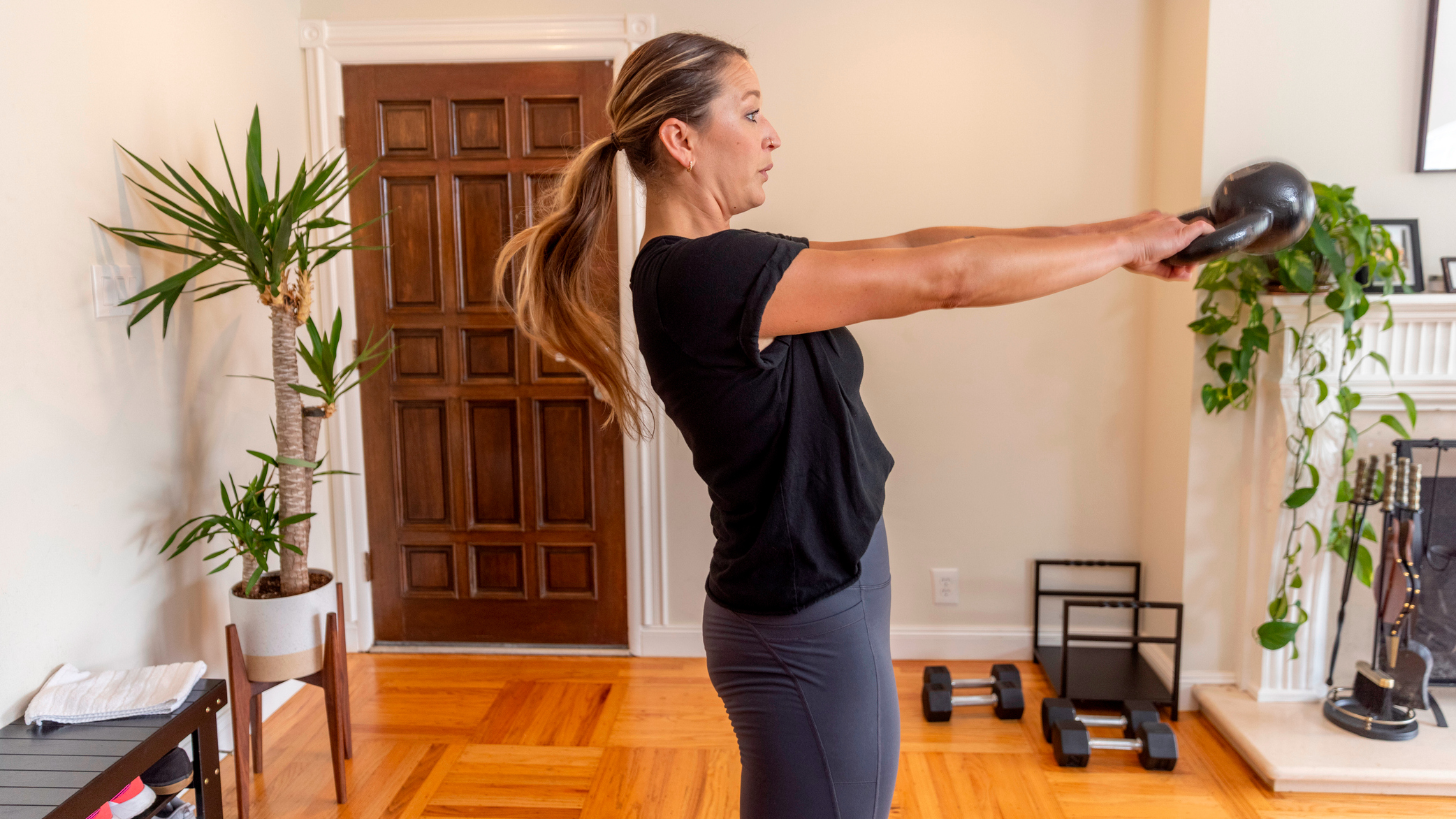
Expert trainer Gede Foster recommends using a kettlebell that feels light to moderate during Romanian deadlifts but not so light that it can be lifted out in front like a front raise, to ensure proper form and effective hip-driven swings. Starting with a slightly heavier weight encourages correct mechanics, emphasizing hip power over arm strength, and helps master the kettlebell swing safely.
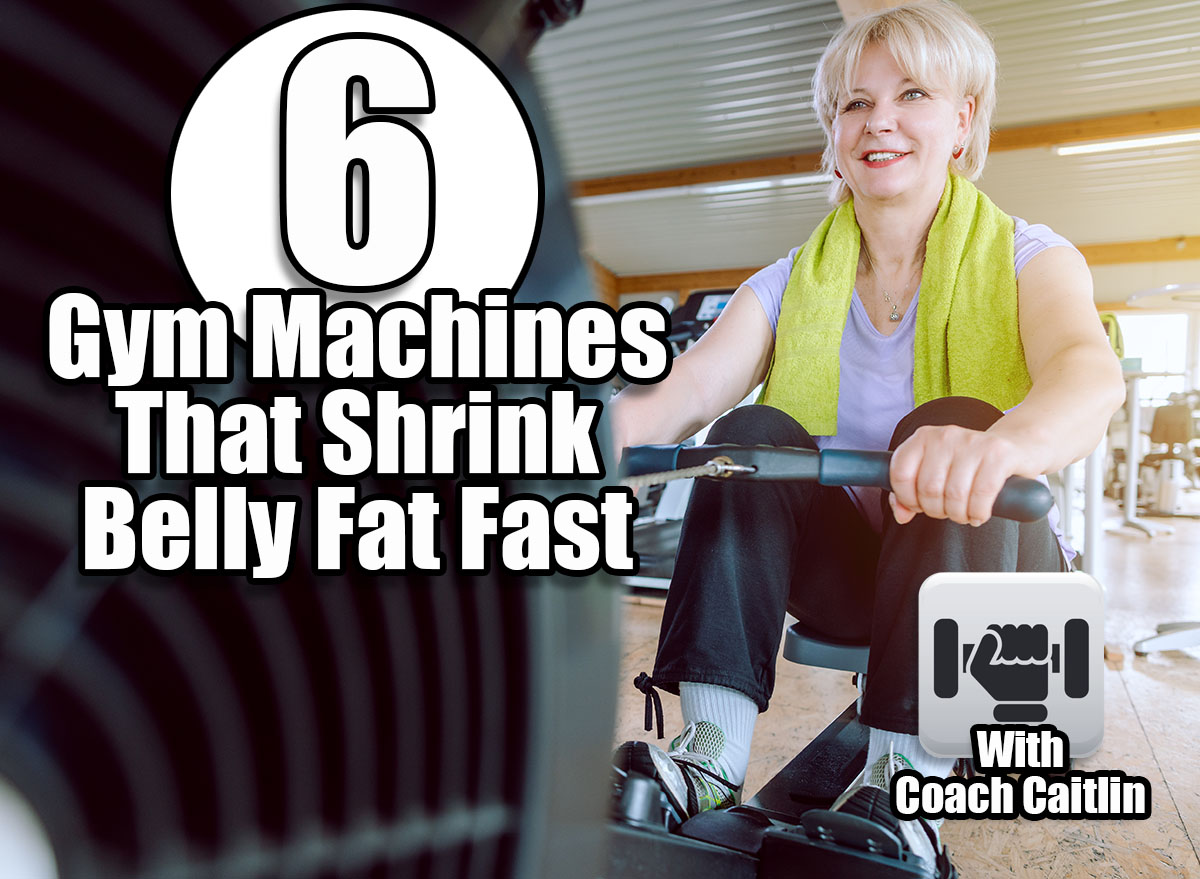
The article highlights six gym machines—such as the inverted leg press, Roman chair, rowing machine, captain’s chair, cable machines, and suspension straps—that effectively engage core muscles to help flatten the belly, emphasizing the importance of combining machine workouts with other fitness activities for best results.
Aerobic exercise, such as walking, jogging, swimming, and cycling, is the most effective type of physical activity for reducing the risk of heart attack, according to a cardiologist. Regularly engaging in at least 150 minutes of moderate-intensity aerobic activity per week can strengthen the heart, lower blood pressure, and decrease the likelihood of coronary heart disease. The article emphasizes that aerobic exercise should be prioritized for heart health and provides practical tips for getting started.
A study suggests that strength training can make your body eight years younger, and a trainer provides guidance on how to start with dumbbells for beginners and heavy lifting.
Muscle memory, often misunderstood, is a neurological process involving the brain and spinal cord that helps improve movement efficiency through repetitive practice. It enables quicker recovery after breaks, aids in mastering new skills, and supports lifelong fitness by retaining neural pathways and muscle cell structures. Experts emphasize the importance of consistent, purposeful practice with proper form to maximize muscle memory benefits. While it can't fully replace lost strength or endurance, it facilitates faster regaining of skills and muscle mass when returning to training.
Walking can be an effective weight loss strategy, but several factors may hinder progress. According to sports and conditioning coach Andy Vincent, reasons for not losing weight despite regular walking include gaining muscle, walking too much too soon, insufficient protein intake, alcohol consumption, and low-intensity walks. Other factors include not maintaining a routine long enough, not being in a calorie deficit, inadequate sleep, and doing high-intensity workouts too late in the day. Adjusting these aspects can help improve weight loss outcomes.