Ryan Libbey shares how a heartfelt conversation with his dad helped him navigate the challenges of new fatherhood, highlighting the importance of seeking support and open communication for mental health, especially among dads, and emphasizing that asking for help is a sign of strength rather than weakness.
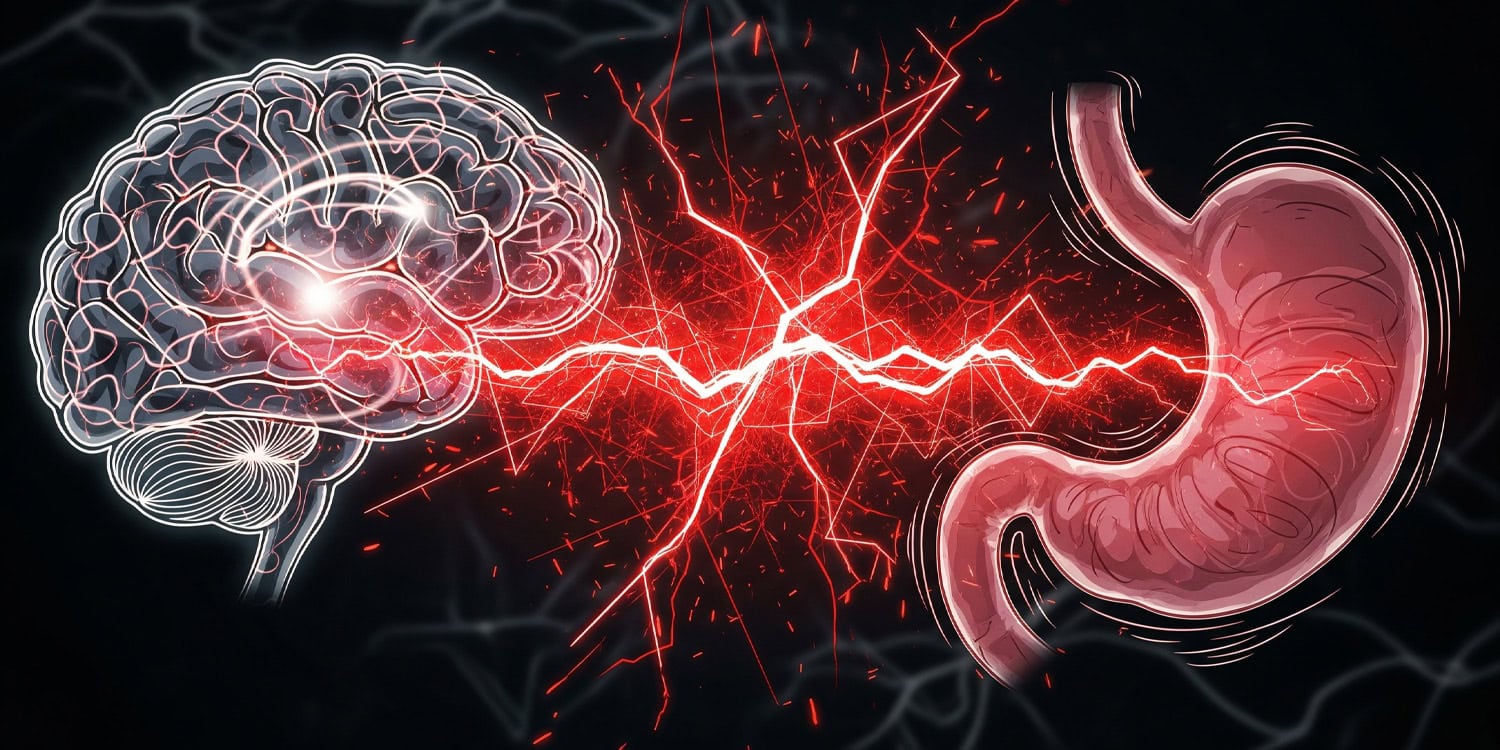
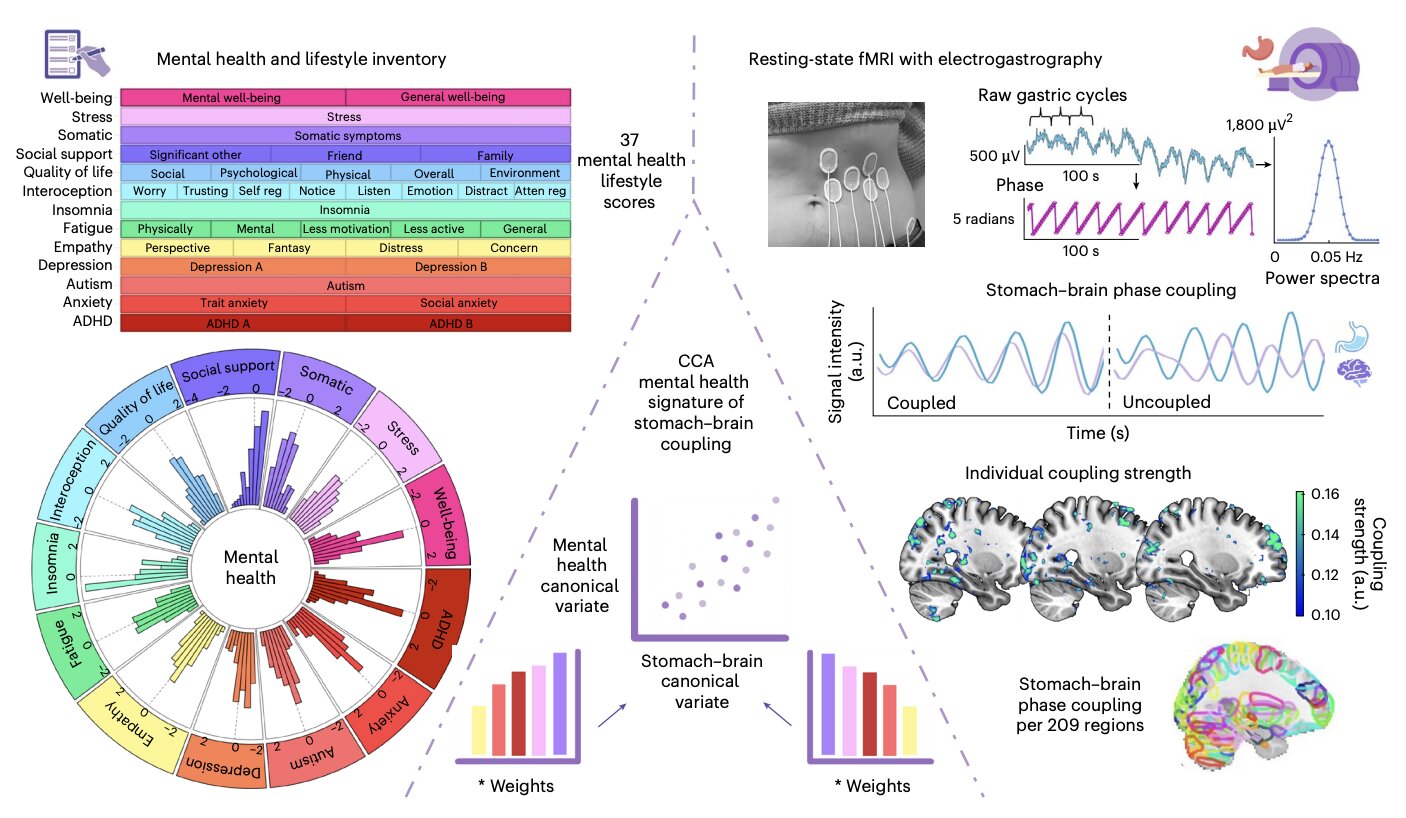
A study from Aarhus University found that stronger coupling between the stomach's electrical rhythm and brain activity is associated with poorer mental health, including higher anxiety and depression, suggesting a measurable link between gut-brain interactions and emotional well-being.
A large-scale study analyzing over a billion social media posts from 157 countries shows that extreme heat above 95°F (35°C) makes people's sentiments more negative, especially in lower-income countries where effects are three times stronger; projections suggest that by 2100, global emotional well-being could decline by 2.3% due to rising temperatures, highlighting the psychological impact of climate change and its unequal effects worldwide.
A study finds that stronger synchronization between the stomach's electrical rhythms and brain activity is linked to poorer mental health, including anxiety and depression, highlighting a potential target for new psychological interventions.
The article highlights 11 signs in a wife's car that may indicate she's struggling emotionally or mentally, such as clutter, overdue maintenance, children’s belongings, full trunk, stains, expired documents, empty gas tank, sticky notes, unopened bills, excessive caffeine containers, and hurried grooming items, suggesting she may need more support and understanding.
The article highlights 11 signs in a person's home—such as unmade beds, dirty dishes, overgrown yards, and clutter—that can indicate they are struggling with mental health issues, stress, or emotional challenges more than they admit, emphasizing how our living spaces reflect our inner states.
A 15-year-old girl discovers her father's private Reddit posts reveal his struggles with resentment and guilt, raising concerns about his mental health. The advice suggests she should not intervene directly but instead seek support from a trusted adult and approach her father with kindness, recognizing her limits in helping him.
A large international study found that increased screen time in children is linked to higher risks of aggression, anxiety, and low self-esteem, with gaming consoles showing a particularly strong connection. The study emphasizes moderation, suggesting that limited screen use, especially for educational purposes, can reduce emotional and social problems, while excessive use correlates with mental health issues in kids.
In the wake of a divisive election, many Americans are experiencing heightened stress and emotional fatigue. Experts recommend mindfulness practices such as deep breathing, walking, and gratitude exercises to manage stress. It's important to process emotions, seek support from trusted individuals, and find common ground with others to maintain mental health. Engaging in constructive dialogue and focusing on shared values can help bridge political divides and foster connection.
Art is intrinsic to human evolution and offers numerous health benefits, including stress reduction, improved mood, and increased self-confidence. Creative self-expression, whether through drawing, painting, or other forms, activates reward pathways in the brain and is essential for mental and physical well-being. Art therapy, a regulated mental health profession, helps people manage trauma and emotional challenges by providing nonverbal ways to process and express feelings. Engaging in creative activities regularly can enhance overall well-being and resilience.
A psychiatrist shares tips for reducing stress, emphasizing the importance of recognizing that feelings are not always facts and suggesting strategies such as mindfulness, self-compassion, and seeking support from others to manage stress and improve emotional well-being.
A new study published in the Journal of Psychopharmacology suggests that MDMA, commonly known as ecstasy, may uniquely enhance positive emotional responses to social interactions, shedding light on its potential to influence social perception and treat conditions characterized by impaired social processing. The research, led by Anya Bershad and her colleagues at UCLA, found that MDMA increased feelings of happiness and acceptance in response to positive social feedback, aligning with its empathogenic properties. The study's findings highlight the need for further research into MDMA's prosocial effects and its potential integration into psychotherapeutic settings to improve social connectivity and emotional well-being.
A Stanford University study found that seniors aged 65 to 103 enjoyed virtual reality experiences, improving their emotions and interactions with staff. The VR sessions included activities like parachuting, riding in a tank, playing with puppies, and visiting places like Paris or Egypt, with participants reporting positive attitudes and reduced social isolation. The study aims to adapt VR for seniors' health and well-being, particularly for those with dementia, and found that almost 80% of seniors and 75% of caregivers reported improved moods after using VR. Companies specializing in VR for seniors are working on lighter, more comfortable headsets and developing programs to stimulate memories and enhance mobility, with plans to integrate Google Earth for virtual visits to familiar places.
A website called Cry Once a Week is helping people embrace the act of crying as a healthy way to process emotions and relieve stress. Created by Johnny Maroney, the site offers video clips designed to evoke tears and has garnered over 250,000 visitors worldwide. Mental health experts support the benefits of crying, citing its ability to activate the parasympathetic nervous system, release feel-good hormones, and elicit empathy and social support. While crying alone can facilitate emotional processing, it's important to seek professional help if needed. Despite potential drawbacks, the consensus is that the benefits of crying outweigh the potential disadvantages, providing a safe space to feel and express emotions.
Megan Hoffman, a contestant on "The Biggest Loser," lost over 150 pounds and has maintained her weight loss by adopting healthy habits, enjoying treats in moderation, and prioritizing emotional well-being. She emphasizes a balanced approach to food, incorporating nutritious whole foods and occasional indulgences, while also focusing on building a consistent, healthy relationship with movement. Hoffman's journey highlights the importance of addressing emotional connections to food, finding joy in exercise, and maintaining a sustainable approach to long-term weight management.