The article discusses recent developments in multiple sclerosis research, highlighting challenges like funding cuts and climate change, and also features a dental health expert advocating for rethinking oral care to prevent cavities without invasive procedures.
Dentists can detect a wide range of health issues beyond dental problems by examining the mouth, including systemic diseases, nutritional deficiencies, lifestyle habits, and even early signs of serious conditions like cancer and autoimmune diseases, making routine dental checkups crucial for overall health monitoring.
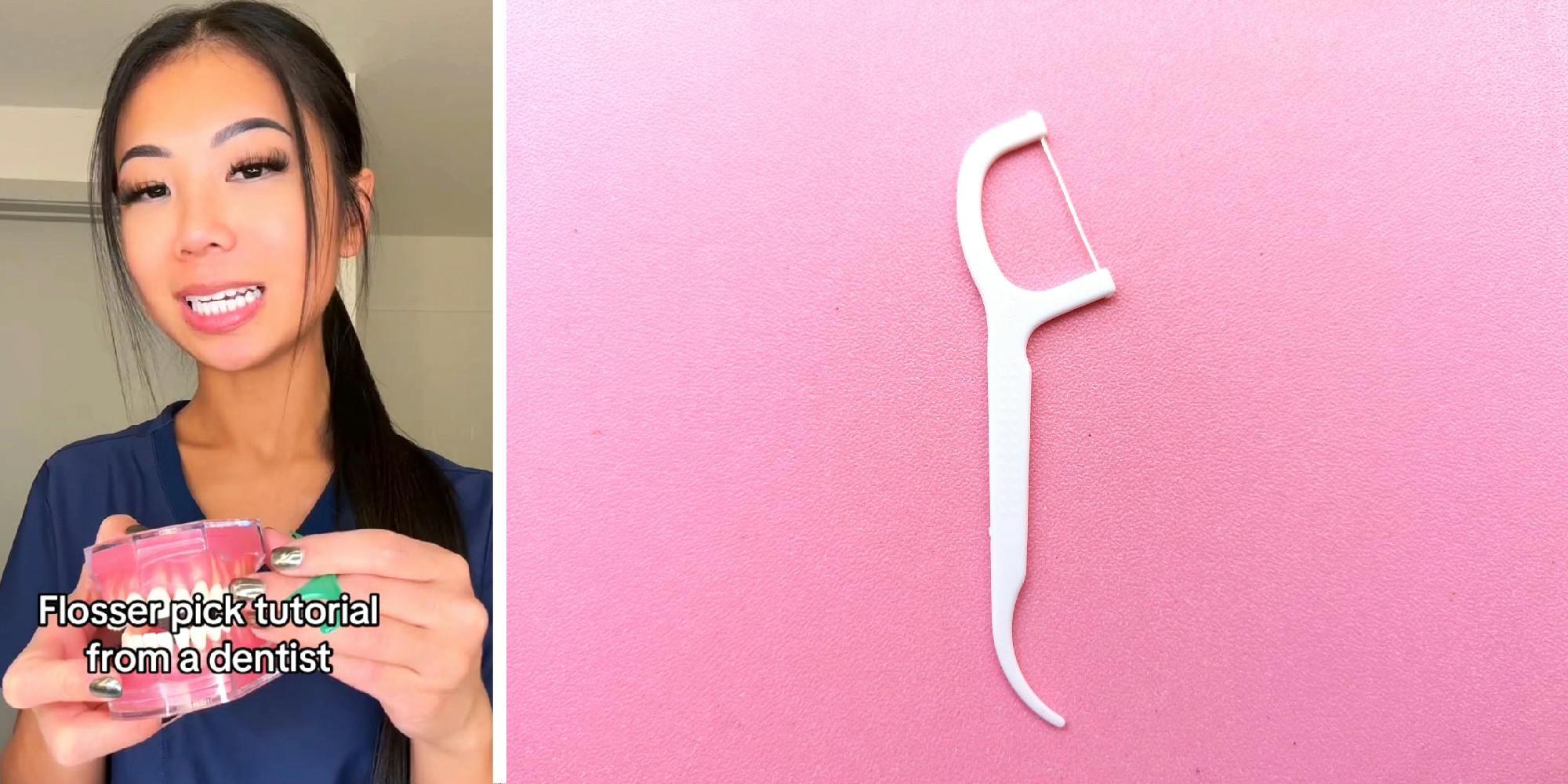
Dentist Lulu Tang advises against using flossing picks for cleaning teeth, as they may not effectively clean below the gum line and can damage gums if used improperly. In a viral TikTok video, she demonstrates the correct 'c-shape' technique for flossing and suggests using multiple picks per session to avoid spreading bacteria. While some viewers agree with her advice, others defend the convenience of flossing picks, especially for those with small mouths or difficulty using traditional floss.
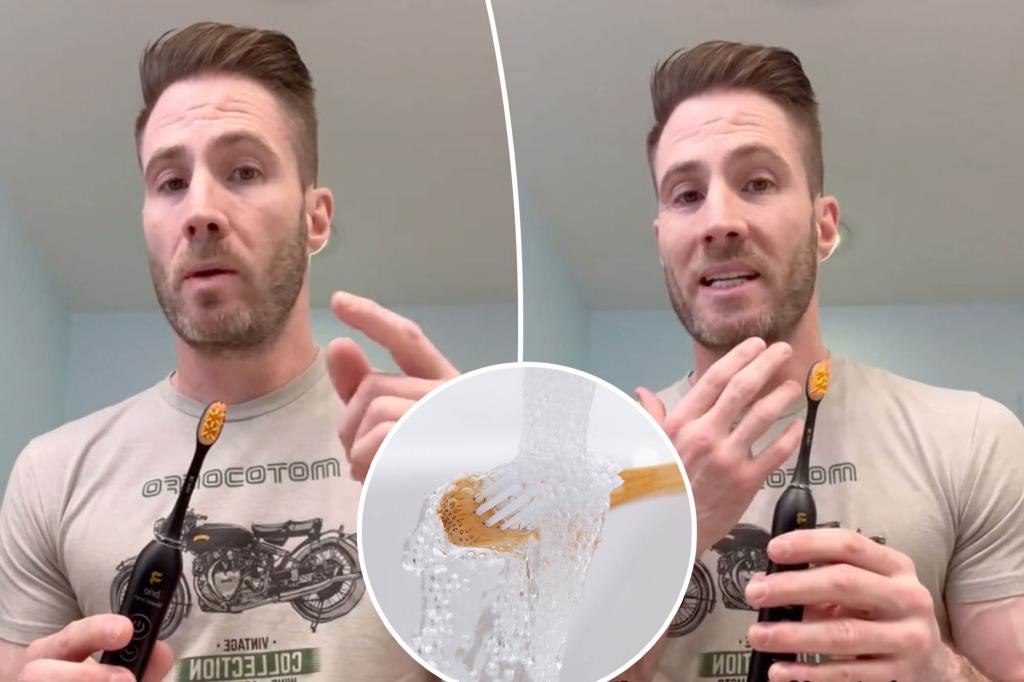
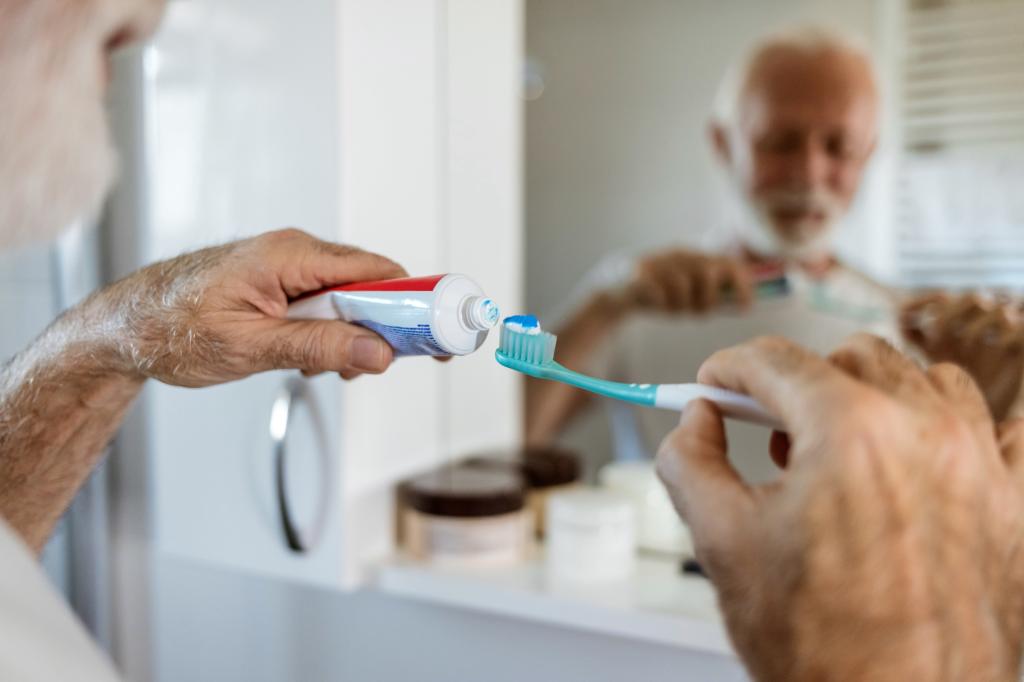
TikTok doctor Dr. Joe Whittington advises washing your toothbrush bristles with soap and water every night to reduce bacteria and viral growth, which can impact overall health and cardiovascular health. Good oral hygiene, including brushing teeth twice daily for two minutes with fluoride toothpaste and flossing, is crucial. Electric toothbrushes are recommended for their effectiveness and built-in timers. Additionally, Whittington suggests soaking the toothbrush in hydrogen peroxide or antibacterial mouthwash weekly and replacing it after 12 to 24 hours if you have strep throat.
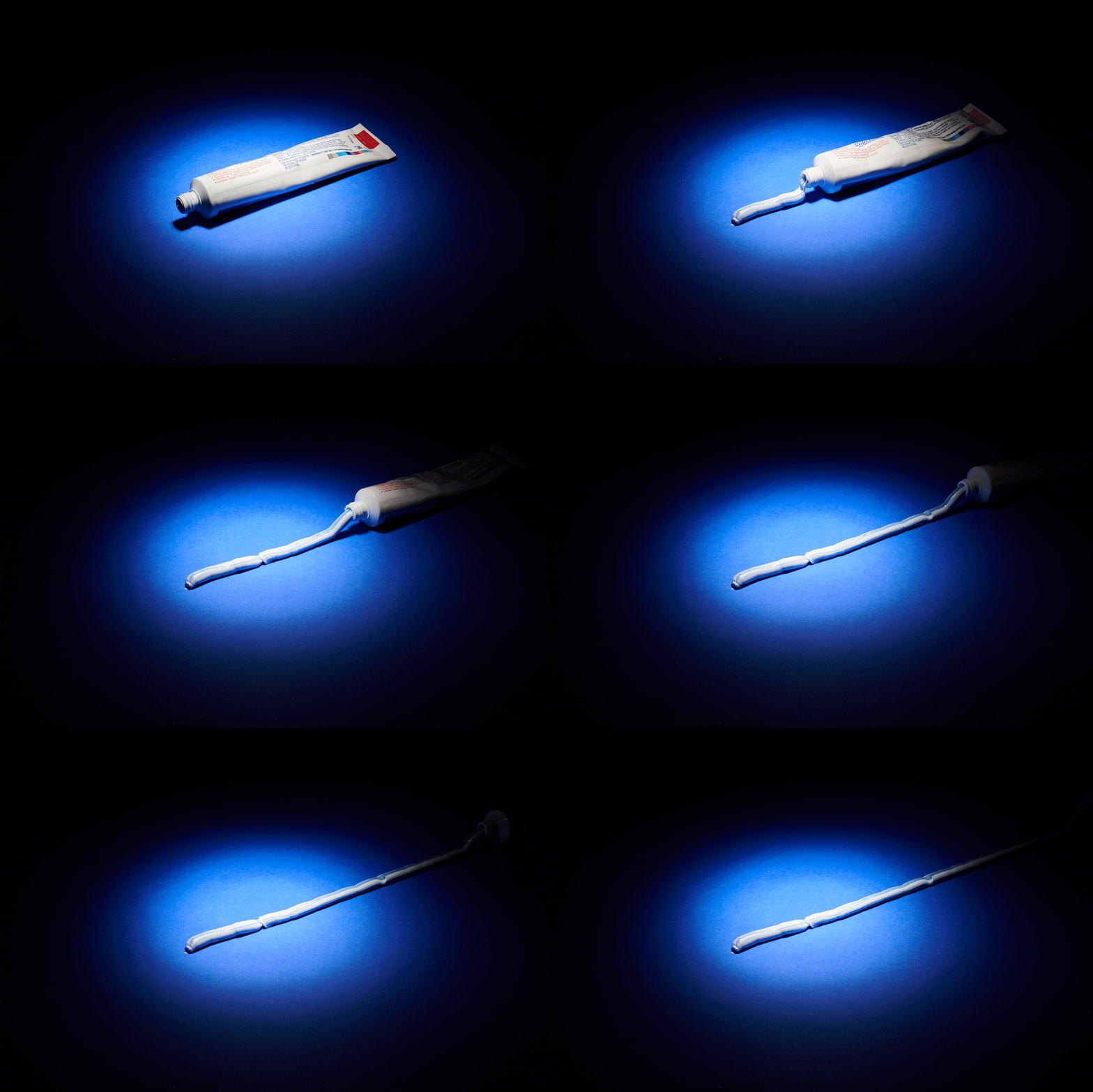
Dentists recommend not rinsing after brushing with fluoride-containing toothpaste to allow the fluoride to stay on the teeth and provide added protection against cavities. Rinsing lightly or delaying the rinse by about 20 minutes is also suggested, while using a fluoride-containing mouthwash is an alternative for those who prefer to rinse. Children should also follow these brushing habits, with caregivers supervising to ensure they do not ingest too much fluoride.
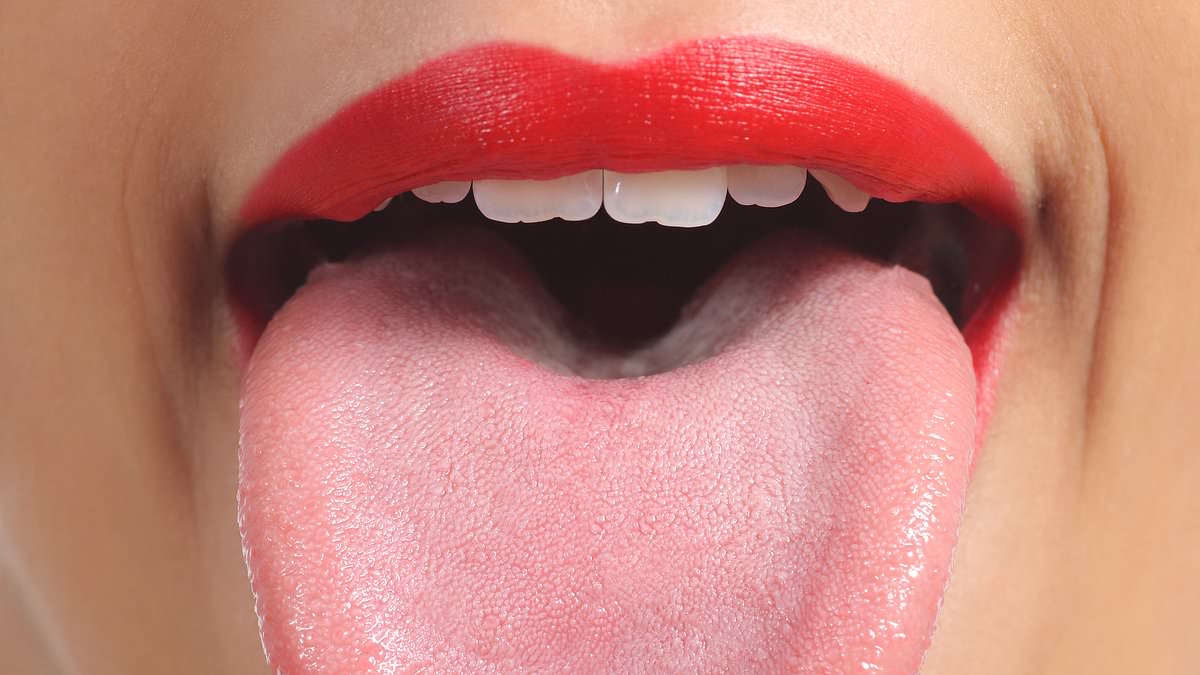
Dentist Dr. Deepak Aulak warns that the color of a person's tongue can indicate their general health, with a healthy tongue being pink with small bumps. Various colors such as white, yellow, brown, orange, red, grey, black, purple, green, and blue can signal different health issues, including deficiencies in nutrients, poor oral hygiene, illnesses, and conditions like Kawasaki disease. Changes in tongue color should prompt a visit to a doctor or dentist for further evaluation.
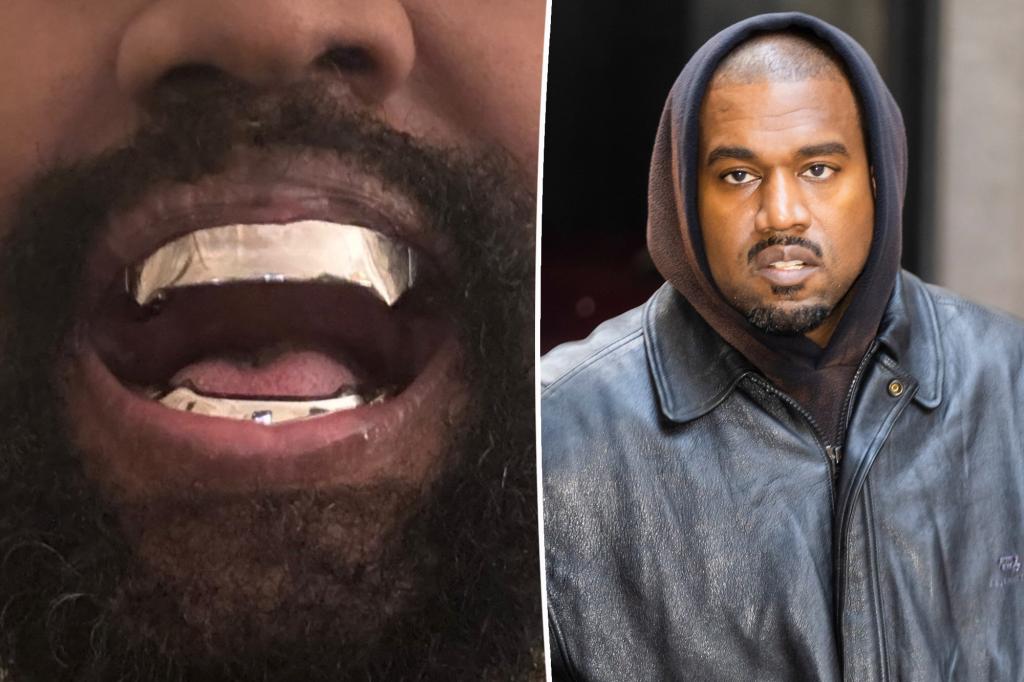
Kanye West has unveiled his new $850,000 titanium dentures, which are described as "fixed and permanent" and a type of experimental dentistry designed entirely by the rapper. The implants, known as "fixed prosthodontics," were created in collaboration with Dr. Thomas Connelly and include palladium and platinum materials. West's history of dental modifications includes having his bottom teeth replaced with diamonds in the past. His daughter, North West, also recently flaunted a new diamond grill on TikTok, following in her father's fashion-forward footsteps.
Dental experts emphasize the link between oral health and cognitive function, as research suggests poor oral hygiene is associated with dementia. Studies have found a correlation between gum disease and Alzheimer's, with bacteria and inflammation potentially impacting the brain. While the cause-effect relationship is still being investigated, raising awareness about the importance of oral hygiene in reducing the risk of dementia is crucial.
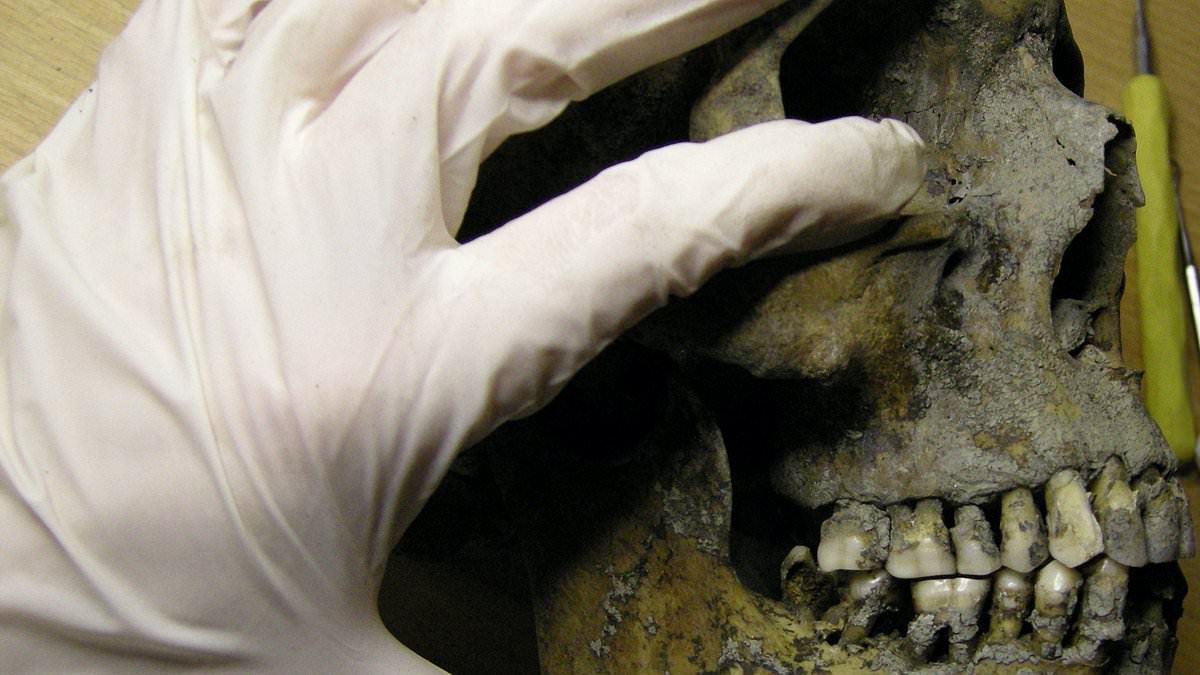
A study of 3,000 Viking-era teeth dating back a thousand years reveals evidence of advanced dentistry, including the use of toothpicks, filing of front teeth, and dental treatments for infections. The analysis, conducted by researchers from the University of Gothenburg and the Västergötlands Museum in Sweden, suggests that Viking oral health and dentistry were more sophisticated than previously believed, shedding new light on the dental practices of this ancient culture.
As we age, our teeth undergo several changes. Dentine loses its spring, making teeth more prone to fracture, while the outer surface of enamel thins, revealing darker dentine. Food and drink particles can cause discoloration and staining. To maintain dental health, it is important to avoid unnecessary forces on teeth, distribute chewing forces evenly, preserve enamel by using soft-bristled toothbrushes and non-abrasive toothpaste, enhance saliva production, treat gum disease, manage lifestyle factors that contribute to cell damage, and adapt oral care routines to accommodate changes in cognition, dexterity, and eyesight.
Analysis of over 3,200 teeth from 171 Swedish Vikings buried between the 10th and 12th century reveals that almost two-thirds of Viking adults had at least one cavity, leading to painful infections and abscesses. Without access to modern dental treatments, Vikings resorted to drilling their own teeth and pulling them out to cope with the pain. The study also found evidence of dental hygiene practices such as using toothpicks. The Vikings' starchy diet, consumption of beer and mead, and lack of clean water contributed to their dental problems.
Customers of Smile Direct Club, a remote dentistry firm, are expressing frustration and disappointment after the company shut down. Many customers had paid for teeth straightening treatments but are now unsure if they will receive refunds. The company, which aimed to disrupt the traditional dental industry with its remote services, filed for Chapter 11 bankruptcy protection in September and recently announced the winding down of its global operations. Dentists have raised concerns about the potential risks and misdiagnosis associated with remote orthodontic treatments. Customers are advised to explore options for refunds and credit card chargebacks.
Smile Direct Club, a dentistry firm that provided teeth alignment services, has left its British customers outraged after abruptly halting all treatment. The company, which filed for bankruptcy in October 2023, made the decision to close down, leaving customers who had made initial payments without any recourse. Customers expressed anger and disgust at the lack of communication and support from the company. Smile Direct Club, known for its low prices and telehealth platform, recommended affected customers to seek treatment from local dentists.
Smile Direct Club, a dentistry company known for selling clear aligners remotely, has shut down after filing for bankruptcy. The firm, which offered aligners at a lower price point without the need for in-person consultations, faced financial difficulties and debt. Customers are now left confused and stranded, as the company's customer support line is no longer available. The company recommends that customers seek treatment from local dentists and has stated that the "lifetime smile guarantee" is no longer valid. Refunds and next steps will be determined during the bankruptcy process.
SmileDirectClub, the direct-to-consumer telehealth orthodontics company, has announced the immediate shutdown of its global operations, less than three months after filing for Chapter 11 bankruptcy. The company encouraged existing customers to seek treatment from local dentist offices. SmileDirectClub, known for its affordable teeth aligners, had aimed to democratize access to orthodontic care. Customers will not receive new aligners, but those who financed their plans are expected to continue making monthly payments. Refund eligibility will be determined during the bankruptcy process.