Tag

Metabolic Disorders

All articles tagged with #metabolic disorders

Paternal Microplastics Exposure Rewrites Sperm, Raising Offspring Diabetes Risk
science1 month ago

Paternal Microplastics Exposure Rewrites Sperm, Raising Offspring Diabetes Risk

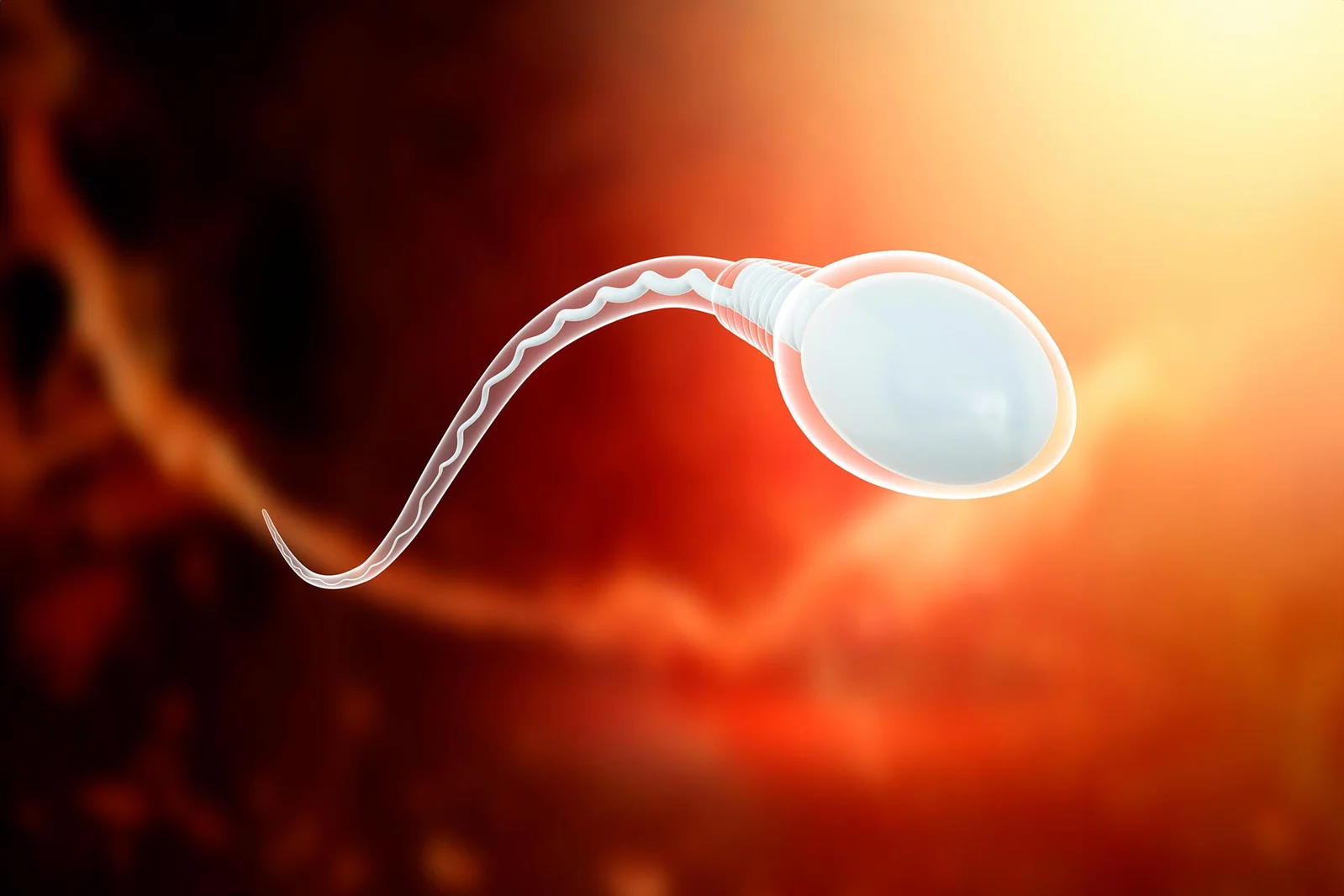
A UC Riverside mouse study shows that a father’s exposure to microplastics can reprogram sperm RNA, which is linked to metabolic problems and diabetes-like phenotypes in female offspring on a high-fat diet, while male offspring exhibit milder effects. The work suggests environmental pollutants can imprint health risks on future generations via small non-coding RNAs and highlights the need for further research in humans.


Mitochondrial Gene Editing Uncovers Memory and Metabolic Links
science1 year ago

Mitochondrial Gene Editing Uncovers Memory and Metabolic Links

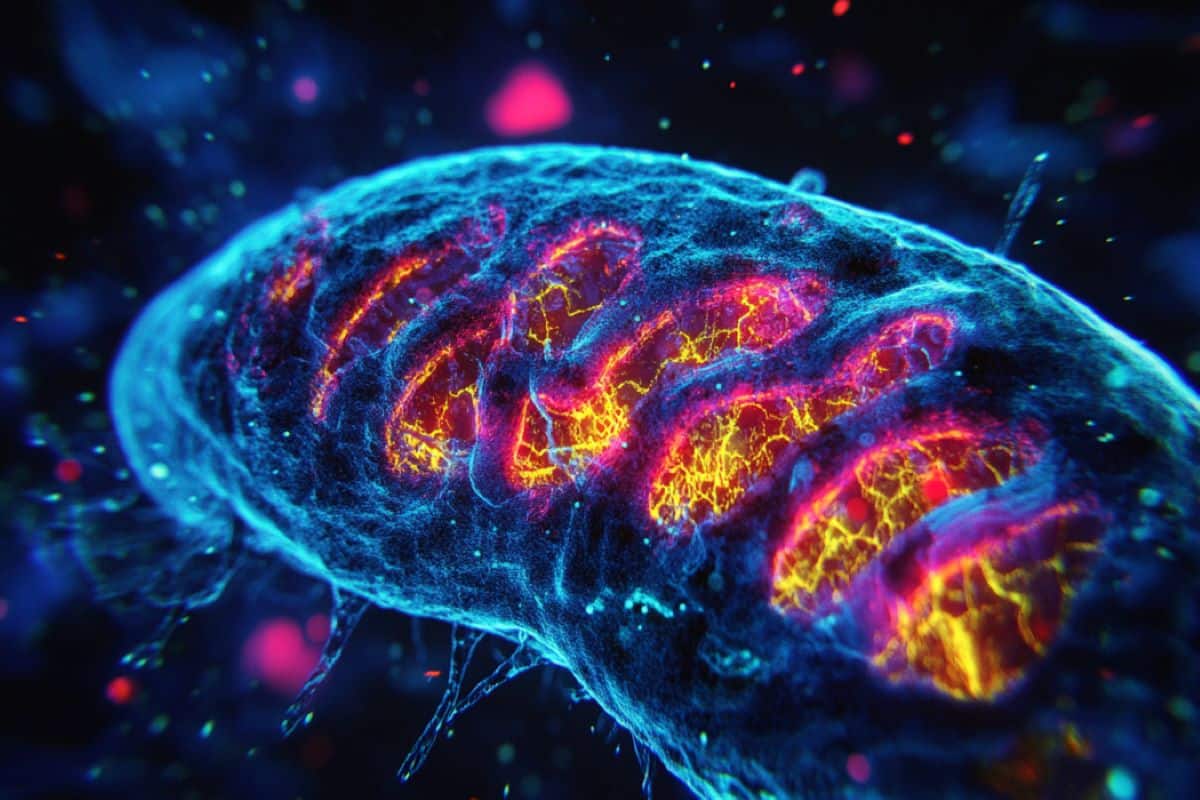
Researchers at Korea University College of Medicine used mitochondrial gene editing to induce mutations in the ND5 gene in mice, revealing significant impacts on brain function, metabolism, and thermoregulation. The study found that these mutations led to learning deficits, hippocampal atrophy, and obesity, highlighting the potential of mitochondrial gene editing for developing therapies for mitochondrial diseases and related neurodegenerative and metabolic disorders.

"Harnessing Resistant Starch for Effective Weight Loss and Diabetes Control"
health-and-wellness2 years ago

"Harnessing Resistant Starch for Effective Weight Loss and Diabetes Control"

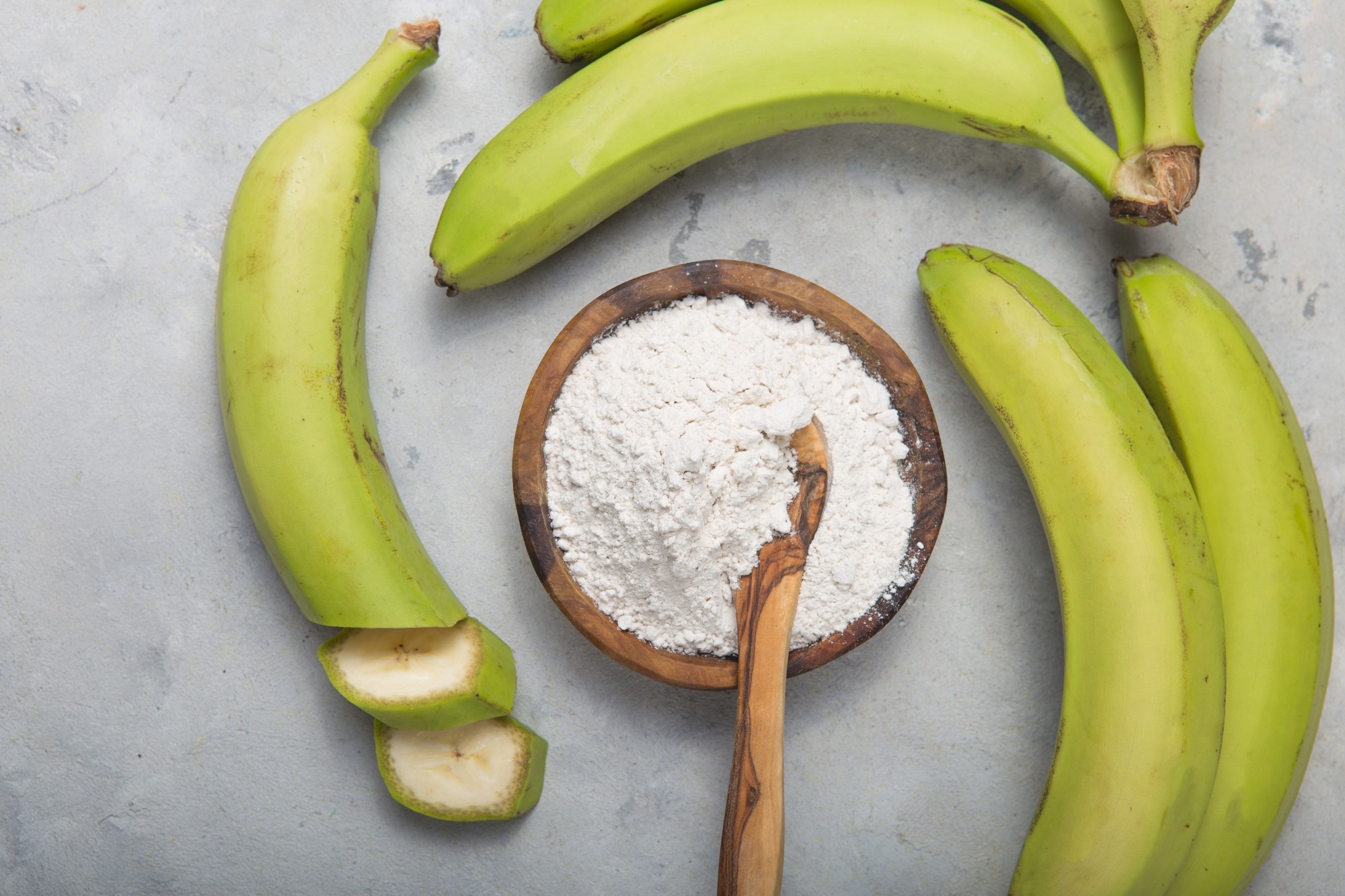
A recent study published in Nature Metabolism suggests that dietary supplementation with resistant starch can lead to weight loss and improved insulin sensitivity in overweight individuals by reshaping the gut microbiota. The study found that supplementation with resistant starch increased the abundance of Bifidobacterium adolescentis in the gut microbiome, which in turn led to improvements in insulin sensitivity through changes in secondary bile acid levels and reduced inflammation. This research offers a potential avenue for the treatment of metabolic disorders and sheds light on the role of the gut microbiome in weight management and metabolic health.

The Devastating Link Between Early-Life Diseases and Lifelong Childlessness
health2 years ago

The Devastating Link Between Early-Life Diseases and Lifelong Childlessness

A study conducted by researchers from Harvard and Oxford University suggests that being diagnosed with certain health conditions in one's 20s can increase the likelihood of being childless later in life. The study, which included 2.5 million participants from Sweden and Finland, found that behavioral health issues such as alcoholism and schizophrenia had the greatest influence on childlessness among men, while autoimmune and inflammatory diseases like multiple sclerosis and cardiovascular disorders were more likely to result in childlessness among women. The study identified 74 different conditions associated with childlessness, including mental health disorders, birth defects, and metabolic disorders. These findings contribute to the understanding of factors contributing to declining birth rates and highlight the need for improved public health interventions.

"Promising Results: Groundbreaking Drug Successfully Reverses Obesity with Zero Side Effects"
health2 years ago

"Promising Results: Groundbreaking Drug Successfully Reverses Obesity with Zero Side Effects"

Scientists have developed a nanogel-based delivery system that effectively targets and reverses obesity in mice by delivering drugs directly to the liver, avoiding side effects and enhancing drug efficacy. The treatment, which has shown promise for other liver-related diseases, represents a significant advance in targeted therapy for metabolic disorders. Efforts are underway to translate these findings for human use, with a startup company called Cyta Therapeutics leading the way. The nanogel delivery system, developed at the University of Massachusetts Amherst, enabled obese mice to revert to a normal weight while maintaining a high-fat diet.

Boost Your Metabolic Function with This Daily Supplement After 30, Say Nutritionists
health-and-wellness2 years ago

Boost Your Metabolic Function with This Daily Supplement After 30, Say Nutritionists

Metabolism refers to the chemical changes that occur within cells and organisms to provide energy and maintain overall health. Factors such as age, sex, muscle mass, genetics, movement, and tobacco use can influence the speed of metabolism. People with a slow metabolism may have difficulty losing weight because they burn fewer calories, but building muscle can help increase metabolism. Metabolic disorders are inherited conditions that affect the body's metabolism. Aging, losing weight, quitting smoking, and skipping meals can all contribute to a slower metabolism. Prioritizing strength training and a healthy lifestyle can help boost metabolism.

Understanding Cardiovascular-Kidney-Metabolic Syndrome: Key Insights
health2 years ago

Understanding Cardiovascular-Kidney-Metabolic Syndrome: Key Insights

The American Heart Association has released an advisory introducing a new syndrome called cardiovascular-kidney-metabolic (CKM) syndrome, which links heart disease, metabolic disorders, and kidney disease. The advisory provides updated approaches to screening, stages, and treatment for CKM syndrome. It emphasizes the importance of collaborative care among healthcare providers from different specialties and addresses the impact of social factors on health and CKM risk. The advisory aims to improve risk assessment and develop personalized treatment plans for individuals with CKM syndrome.

The Impact of Caffeine on Body Fat, Diabetes, and Thyroid Function
health2 years ago

The Impact of Caffeine on Body Fat, Diabetes, and Thyroid Function

New research suggests that caffeine consumption may improve thyroid function in individuals with metabolic disorders. The study found a nonlinear association between caffeine intake and thyroid-stimulating hormone (TSH) levels. Moderate caffeine consumption (9.97-264.97 mg/d) was positively correlated with TSH levels, while higher or lower amounts of caffeine showed no significant association. However, the study has limitations, including exclusions of certain patient groups and potential bias. Further research is needed to verify the effects of caffeine on thyroid function and understand the underlying mechanisms.

"The Impact of Fructose Intake on Obesity"
health2 years ago

"The Impact of Fructose Intake on Obesity"

New research suggests that fructose, a simple sugar found in many foods, may contribute to obesity and related health conditions. The study proposes that fructose triggers a "survival switch" in the body, causing it to store fuel instead of using it. This evolutionary response, beneficial for animals preparing for hibernation, can lead to weight gain and metabolic disorders in humans who have continuous access to high-fructose foods. Fructose lowers ATP concentration in cells, reducing energy production and causing oxidative stress. The ingestion of fructose also stimulates further food intake, leading to the storage of excess calories as fat. While fructose from fruits is generally not a concern, concentrated fructose in processed foods can increase the risk of obesity.

Unveiling the Brain's Blood Sugar Monitoring Neurons
neuroscience2 years ago

Unveiling the Brain's Blood Sugar Monitoring Neurons

A recent study has identified a subset of neurons in the hypothalamus that can detect and respond to changes in blood sugar levels, similar to insulin-secreting pancreatic cells. These neurons receive information from sensory neurons monitoring the bloodstream, rather than slower-changing brain sugar levels. The findings provide crucial insights into the body's blood sugar regulation and could potentially lead to therapeutic targets for metabolic disorders such as diabetes and obesity. Reversing the sensing defect associated with diabetes may allow the brain to control blood sugar more effectively.

health-and-wellness2 years ago

Comparing Intermittent Fasting, Calorie Counting, and Water Fasting for Weight Loss

A recent study published in the Annals of Internal Medicine found that both intermittent fasting and calorie counting produce similar results in terms of weight loss. Intermittent fasting, which involves limiting meals to an eight-hour window, can improve insulin sensitivity and glucose metabolism. However, its long-term effectiveness in losing weight is still unclear. The study suggests that individual preferences should be taken into account when recommending a weight loss method, as results varied among participants. Further research is needed to identify who could benefit most from each approach.

Microbe in the Gut Regulates Cholesterol and Lipid Production
health2 years ago

Microbe in the Gut Regulates Cholesterol and Lipid Production

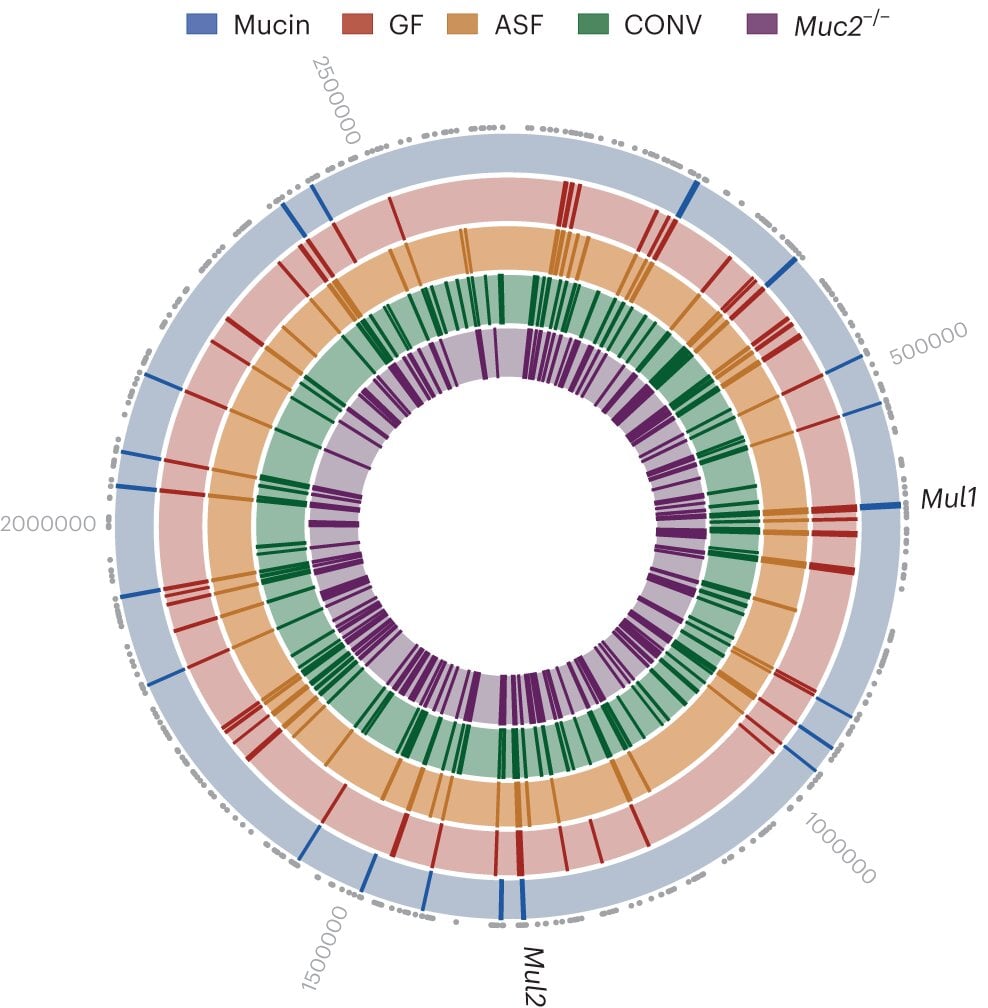
A study led by Duke University has identified the genes essential for intestinal colonization and the use of mucin by Akkermansia muciniphila, a gut microbe associated with lower rates of metabolic disorders. The study found that A. muciniphila can have multiple survival strategies and that using mucin as the preferred nutritional source is condition-dependent. When implanted in mice without a complex microbiome, A. muciniphila repressed human genes essential for cholesterol biosynthesis in the colon, suggesting that it can regulate the expression of genes involved in lipid biosynthesis.

The Alarming Rise of Fatty Liver Disease in the US
health2 years ago

The Alarming Rise of Fatty Liver Disease in the US

Rates of nonalcoholic fatty liver disease (NAFLD) have been increasing rapidly over the past three decades, with more than a third of adult participants in a recent study developing the condition. Hispanic Americans, especially Mexican Americans, are disproportionately affected by the disease, which is caused by fat building up to abnormal levels in the liver. Certain genes and metabolic disorders, such as obesity, diabetes, pre-diabetes, high blood pressure, and high cholesterol, are known to raise the risk of NAFLD, a leading cause of liver transplantation. Weight loss can make a big difference, but being thin may not completely protect against NAFLD.