Taylor Swift donated over $2 million during the holidays, including $1 million each to Feeding America and the American Heart Association, in honor of her father’s health struggles, and also supported MusiCares to aid the music community.
Taylor Swift donated over $2 million to various charities, including Feeding America, the American Heart Association, and MusiCares, during the holiday season, supporting causes like hunger, heart disease, and artist welfare, with her donations also inspiring her fans to give back.
Taylor Swift donated $1 million each to Feeding America and the American Heart Association, supporting hunger relief and heart health awareness, especially in honor of her father’s battle with cardiovascular disease, exemplifying her ongoing philanthropy.
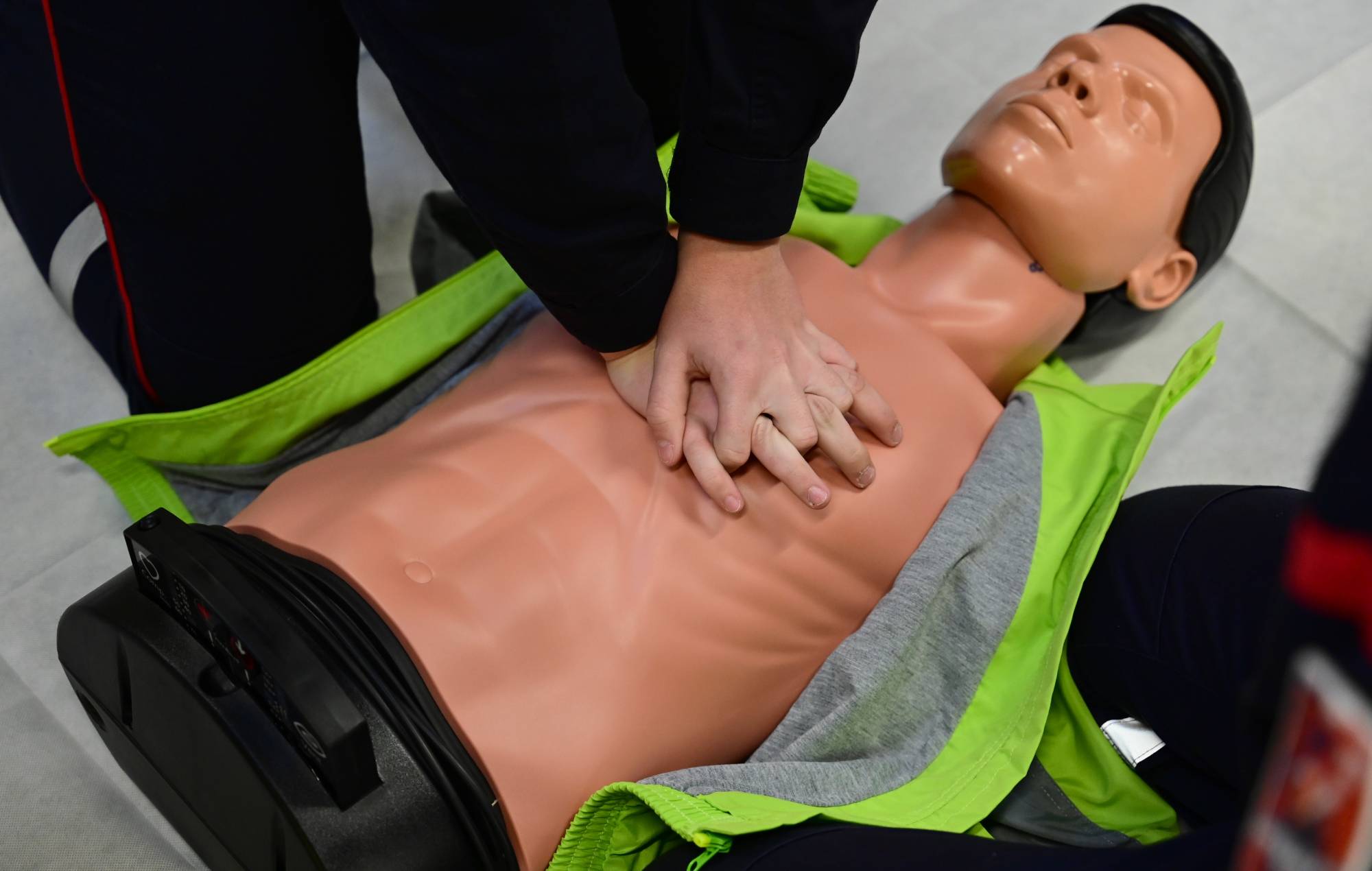
The American Heart Association recommends the song 'Even Flow' by Pearl Jam, with a tempo of 105 beats per minute, as an ideal track for hands-only CPR, emphasizing the importance of performing chest compressions at 100-120 beats per minute to save lives.
Research shows that less than 6% of U.S. adults with high blood pressure use salt substitutes, despite their effectiveness in reducing sodium intake and managing blood pressure, highlighting a missed opportunity for better health outcomes.
The American Heart Association has introduced new blood pressure guidelines emphasizing earlier intervention and risk assessment tools like the Prevent Risk Calculator, encouraging lifestyle modifications to reduce cardiovascular and dementia risks, with a focus on sustainable, incremental health improvements.
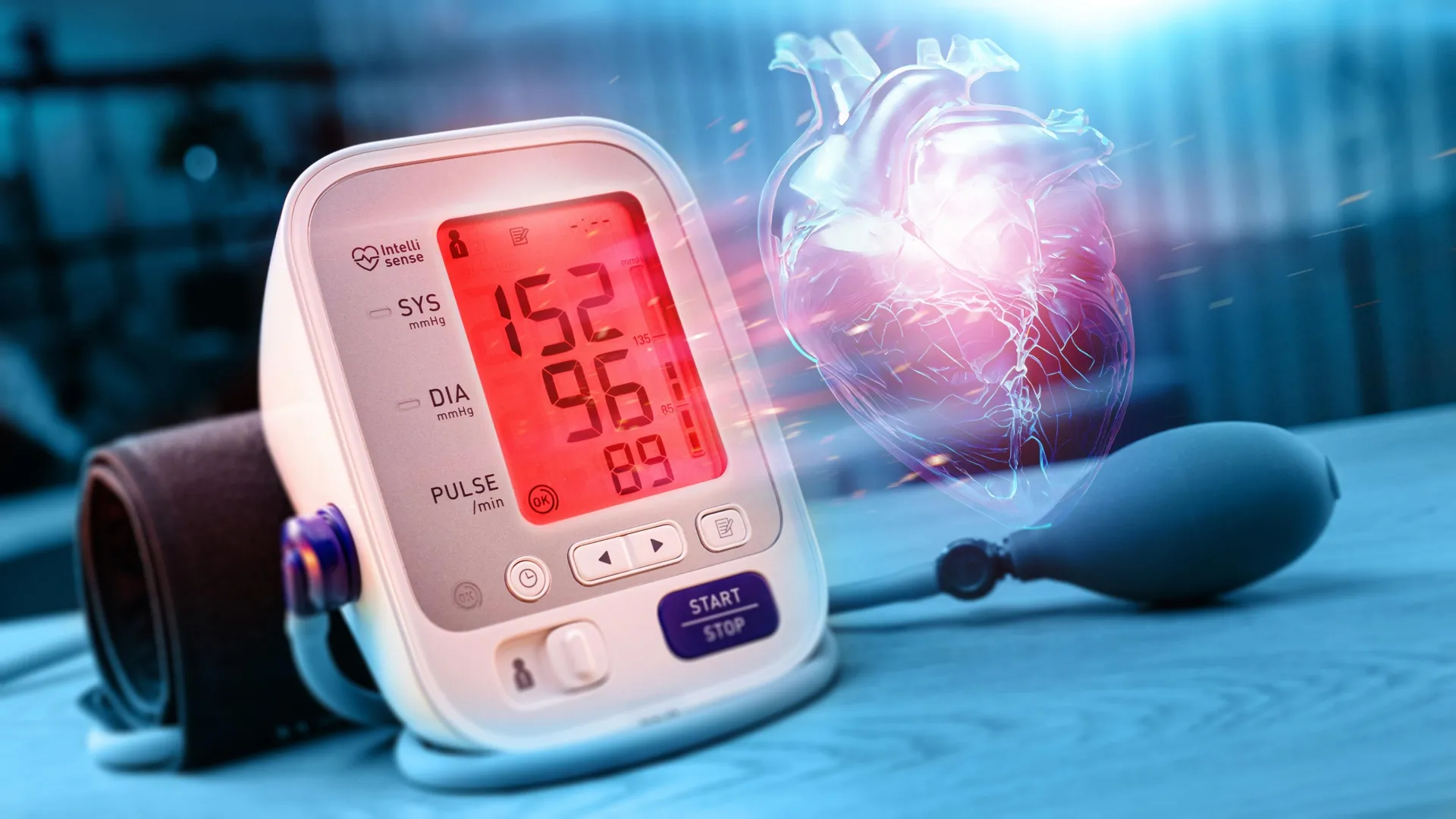
New blood pressure guidelines from the AHA and ACC recommend abstaining from or drastically reducing alcohol intake to prevent or manage high blood pressure, which is now defined as 130/80 mm Hg or higher, due to research showing even small amounts of alcohol can increase blood pressure. The guidelines also highlight other lifestyle factors like diet, smoking, and stress that contribute to high blood pressure.
Recent updates to blood pressure guidelines by major health organizations provide new recommendations for preventing and treating high blood pressure, emphasizing the importance of understanding risks and making lifestyle changes to achieve healthier levels.
The American Heart Association has released new guidelines for blood pressure, emphasizing updated thresholds and management strategies to improve cardiovascular health.
The American Heart Association released a report highlighting the health risks of ultra-processed foods, identifying some as healthier options like low-sodium whole-grain breads and unsweetened snacks, while condemning others such as chicken nuggets and sugary drinks. Experts recommend limiting ultra-processed foods overall, focusing on whole foods, and making informed choices to improve cardiovascular health.
The American Heart Association released a report highlighting that while ultra-processed foods are linked to health risks, some options like low-sodium whole-grain breads and unsweetened snacks are healthier choices. Experts recommend limiting ultra-processed foods overall and focusing on whole foods to improve health.
Heart disease remains the leading cause of death in the U.S., with traditional risk factors like high blood pressure, high cholesterol, diabetes, and smoking being well-known contributors. However, experts are now considering a broader range of factors, including metabolic conditions like obesity and diabetes, which threaten to reverse progress in reducing heart disease rates. The American Heart Association's new PREVENT risk calculator incorporates metabolic and kidney health to better predict heart failure risk. Additionally, racial disparities in cardiovascular health are acknowledged, though race is no longer a standalone factor in risk assessments. Prevention through lifestyle changes and early intervention remains crucial.
A study by NYU Langone Health researchers, presented at an American Heart Association meeting, reveals that adding just an hour of physical activity per week can reduce the risk of atrial fibrillation (Afib) by 11%. The study utilized data from over 6,000 Fitbit users, showing that moderate activities like walking or gardening can significantly lower the risk of this common heart arrhythmia, which affects over 10 million Americans. The research highlights the importance of regular exercise, even in small amounts, for heart health.
Heart attacks are becoming more common among young adults, driven by factors like diabetes, high blood pressure, high cholesterol, obesity, and sedentary lifestyles. Pamela Krol, a 33-year-old mother, experienced a heart attack due to spontaneous coronary artery dissection (SCAD) despite being health-conscious. Experts advise monitoring stress levels, maintaining a healthy lifestyle, and being aware of genetic risks. The American Heart Association highlights the importance of recognizing heart attack symptoms and seeking urgent medical attention.
A new report from the American Heart Association predicts that by 2050, 61 percent of Americans will have some form of cardiovascular disease, affecting over 184 million adults. The report highlights the need for clinical and public health interventions to manage and potentially reverse the rising prevalence of cardiovascular conditions, driven by factors such as an aging population and increasing healthcare costs.